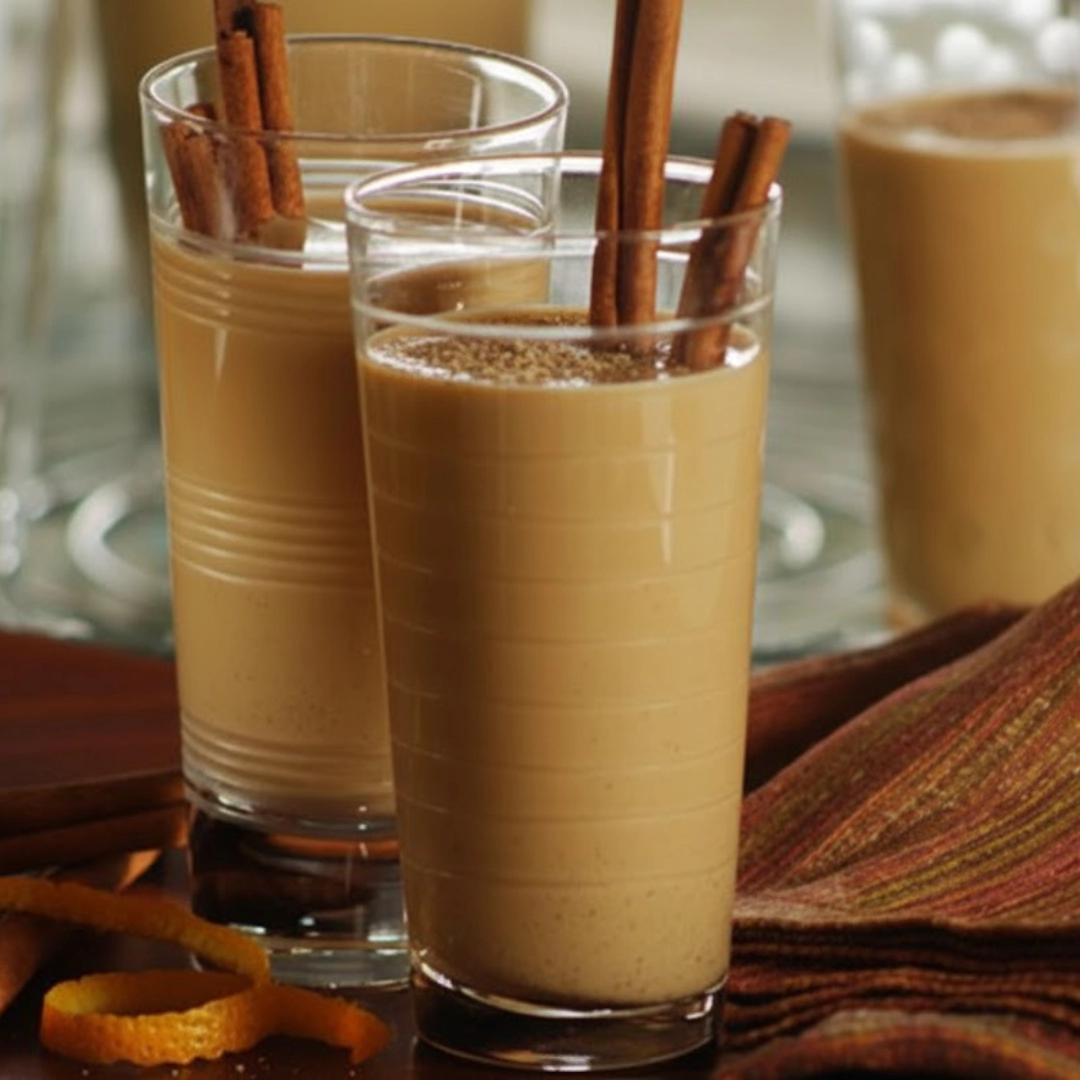
The holidays often call for traditions that are both comforting and unexpected. Enter Cola de Mono, the quintessential Chilean Christmas beverage. Far from being merely a spiked coffee, this drink is a creamy, spiced, potent concoction that perfectly captures the spirit of the Southern Hemisphere’s summer celebrations. Served cold, it combines the warmth of cinnamon, clove, and nutmeg with a robust coffee backbone, all suspended in a rich, sweet milk base, often fortified with aguardiente or brandy. It’s a sophisticated and celebratory drink, ideal for late-night gatherings and toasts. This recipe guides you toward achieving a balanced pitcher that delivers on depth of flavor and velvety texture, making it a guaranteed centerpiece of your seasonal table.
Table of Contents
The Essence of the Chilean Holiday Spirit: Ingredients
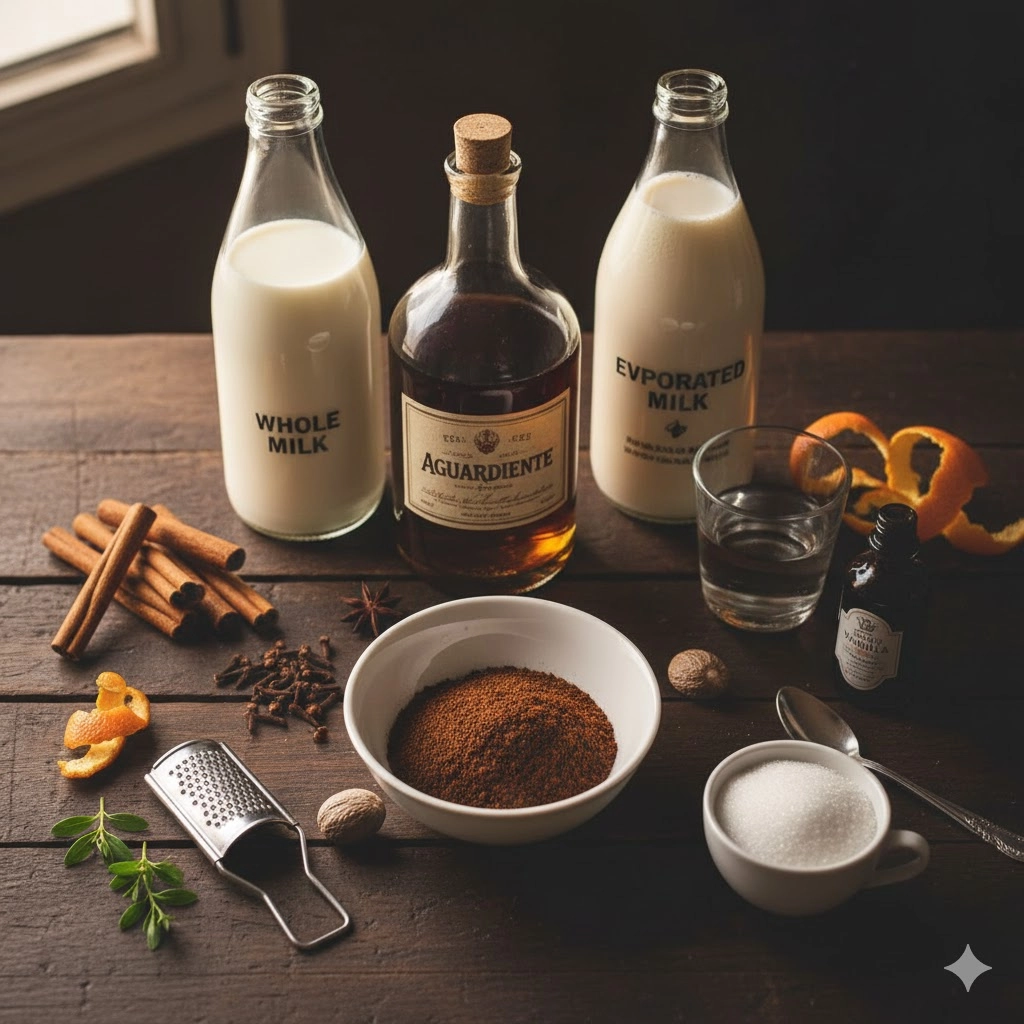
To create a truly authentic and satisfying pitcher of this classic Chilean beverage, the quality of your spices and the richness of your dairy components are key.
For the Spice and Milk Base
- 1 can (12 fluid ounces) evaporated milk (unsweetened)
- 2 cups whole milk, full fat recommended
- 1 cup filtered water
- 1 cup granulated white sugar
- 4 whole cloves
- 2 medium cinnamon sticks (about three inches each)
- 1/4 teaspoon freshly grated nutmeg, plus more for garnish
For the Coffee and Spirit
- 2 tablespoons high-quality instant coffee granules (espresso blend preferred)
- 1 teaspoon pure vanilla extract
- 2 cups Chilean aguardiente, or substitute with a good quality white rum or brandy
Method: Crafting the Perfect Pitcher
The preparation is straightforward, relying on simple simmering and subsequent chilling to allow the flavors to deepen and meld. Do not rush the cooling or chilling process.
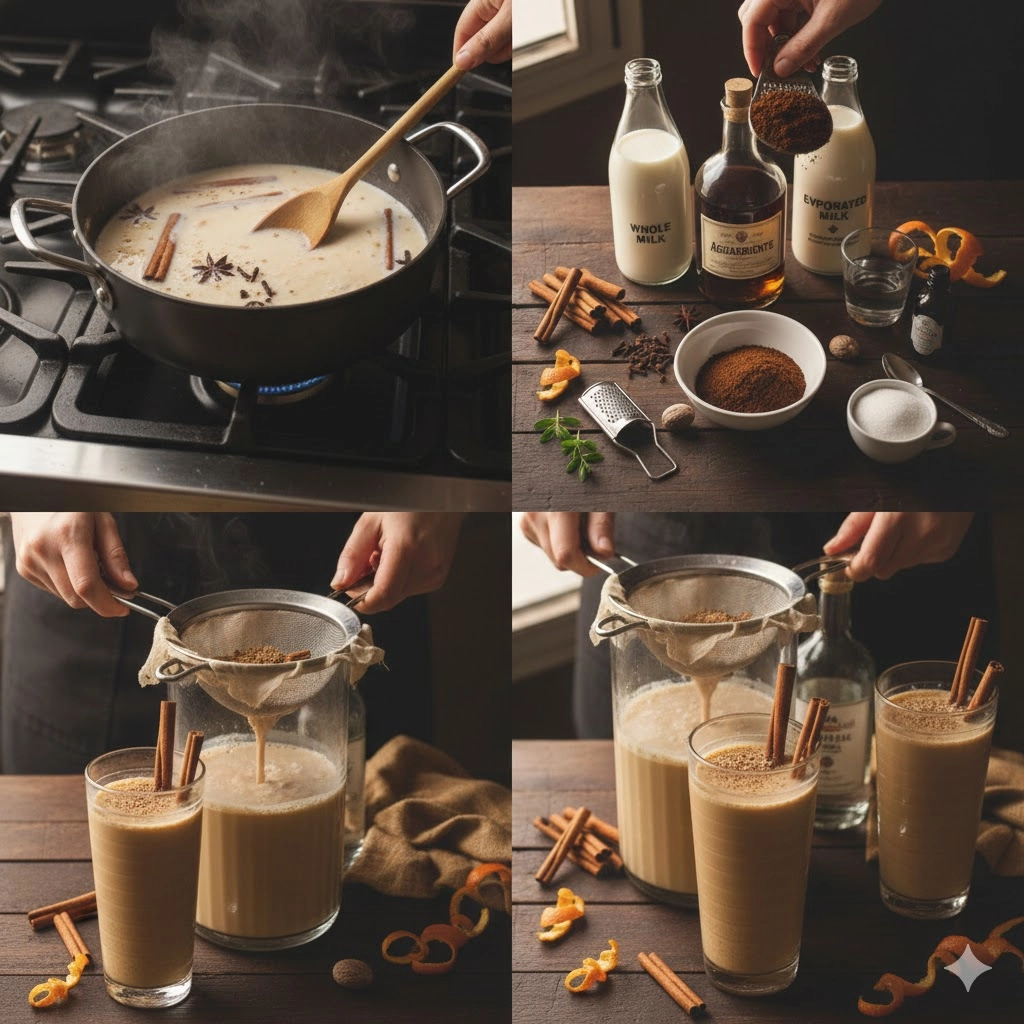
- Simmer the Base: Combine the evaporated milk, whole milk, water, sugar, cloves, and cinnamon sticks in a heavy-bottomed saucepan. Heat gently over medium heat, stirring until the sugar is completely dissolved.
- Infuse and Build Flavor: Bring the mixture to a low, steady simmer—but do not allow it to boil vigorously. Reduce the heat and continue to simmer for ten minutes to fully extract the essence from the spices.
- Introduce Coffee and Nutmeg: Remove the saucepan from the heat. Stir in the instant coffee granules, vanilla extract, and grated nutmeg until the coffee is fully dissolved and the mixture is uniform.
- Cooling and Straining: Allow the mixture to cool undisturbed on the counter for at least twenty minutes. Once slightly cooled, carefully pour the base through a fine-mesh sieve or cheesecloth into a clean, large glass container or pitcher. Discard the spent cinnamon sticks and cloves.
- Fortify and Chill: Once the strained liquid is at room temperature, stir in the full amount of your chosen spirit (rum, brandy, or aguardiente). Seal the pitcher and refrigerate for a minimum of four hours, but preferably overnight, until the mixture is thoroughly chilled and the flavors have matured.
- Serve: When ready, pour into small aperitif glasses, perhaps four to six ounces each, and finish with an extra sprinkle of fresh nutmeg on top of each serving.
Achieving the Ideal Blend: Detailed Steps for Success
Success with this recipe lies in balancing the deep spice infusion, the strength of the coffee, and the bite of the alcohol against the sweetness of the milk base.
The Initial Simmer
When heating the dairy, the goal is not a rolling boil, but a low, luxurious simmer. High heat can cause the milk solids to separate or scorch the bottom of the pan, imparting an unpleasant, burnt flavor. Use medium-low heat and stir consistently, especially once the sugar is added, to prevent the crystallization or sticking of the sweetener. As the mixture heats, you should begin to notice the distinct, warm aroma of cinnamon and clove filling your kitchen—this is your first sensory cue that the infusion is taking hold. The base should thicken slightly during this ten-minute simmering window, becoming silkier than plain milk.
Infusing the Aromatics
The ten-minute simmer is the single most critical step for flavor. The whole cloves and cinnamon sticks need this time in the warm, fatty liquid to release their essential oils.
Mistake to Avoid: Do not use ground spices in place of whole ones during the simmering stage. Ground spices will make the final drink cloudy, muddy the texture, and leave a gritty residue, regardless of how well you strain it later. Whole spices provide clean, deep flavor. Once the simmer time is complete and you have removed the pot from the heat, the mixture will appear a gentle, creamy-tan color. This is the moment to incorporate the coffee. Ensure the coffee dissolves completely; any floating granules indicate you need more stirring time before the final straining.
The Critical Cooling Phase
Patience during the cooling phase is non-negotiable. There are two important reasons for this. First, adding the alcohol to a hot or even very warm mixture will cause some of the ethanol to evaporate rapidly, diminishing the spirit’s strength and altering its flavor profile—it will taste harsher, not smoother. Second, the residual heat continues to gently draw flavor from the coffee and the vanilla extract. Wait until the liquid is barely warm to the touch, or even fully at room temperature, before proceeding to strain. The liquid should pour smoothly and evenly through your sieve; if it seems too thick or sluggish, it may need further cooling.
Straining and Fortification
When straining, use a fine-mesh sieve, or line a standard sieve with cheesecloth for an extra layer of filtration. This ensures you remove all residual solids and spice debris, guaranteeing a smooth mouthfeel. Once the base is strained, the magic happens with the fortification. The selection of your spirit profoundly affects the final taste. Aguardiente provides a dry, often slightly fruity lift. Brandy offers a deeper, oakier complexity. White rum adds a clean, sweet warmth.
Doneness Check: The true indicator of readiness for serving is the color and temperature after chilling. The final product should be a uniform, light cocoa-brown hue and must be bone-chillingly cold. If it is merely cool, the alcohol’s heat will be too apparent; the best Cola de Mono is one where the spice, coffee, and spirit are seamlessly integrated, which only happens at a low temperature.
Expert Advice for a Stellar Sip
These specialized tips will elevate your homemade beverage from standard to sublime, addressing nuances of flavor and texture that truly define this holiday drink.
- Roast Your Spices: Before adding the cloves and cinnamon sticks to the saucepan, gently toast them in a dry skillet over medium heat for one to two minutes, until they become intensely fragrant. This technique deepens their flavor profile, unlocking woody, warm notes that intensify the final drink.
- Embrace Evaporated Milk: While you might be tempted to use cream for richness, evaporated milk is preferred. Its unique consistency and slightly caramelized flavor, due to the concentration process, provide the signature density and velvety texture that characterizes authentic versions of this drink.
- Fresh Grating Matters: Do not rely on pre-ground nutmeg for the final garnish. Nutmeg loses its volatile oils quickly. A small microplane used to grate fresh nutmeg over the top of each chilled glass provides a stunning, powerful aroma that is integral to the enjoyment of the drink.
- Use High-Quality Instant Coffee: Because the coffee is not brewed, but dissolved, its quality is immediately apparent. Opt for a dark roast or espresso-style instant granule. It must be strong enough to hold its own against the heavy creaminess and the powerful spices. Weak coffee will simply disappear into the base.
- The Glass Makes a Difference: Traditionally, this is served in small glasses (three or four ounces) because it is rich and potent. Serving in smaller portions ensures the drink is consumed while still perfectly chilled, maximizing its intensity and texture.
- Batch Adjustments: If you need to make a triple or quadruple batch, consider dividing the base into two or more pots for the simmering phase. This prevents scorching and ensures that the heat penetrates the volume evenly, leading to better spice extraction. Combine the strained bases before adding the alcohol.
- Sweetness Control: The sugar quantity is flexible. Taste the strained, cooled, non-alcoholic base. If you prefer a less-sweet drink, you can reduce the initial sugar amount by up to two tablespoons. However, remember the high concentration of coffee and alcohol benefits from a good degree of sweetness to maintain balance.
Flavor & Alcohol Adaptations
While the traditional version is sacred, modern palates and different access to ingredients sometimes call for smart substitutions and creative twists.
- Dairy-Free Richness: For those avoiding dairy, full-fat canned coconut milk (not the cartoned beverage) is the most effective substitution for the evaporated milk. It provides similar richness and thickness. You may need to slightly increase the coffee or spices, as the coconut flavor is assertive.
- The Spirit Swap: If aguardiente or brandy is not available, high-proof white rum is the next best option for its neutral sweetness and clean finish. For an unexpected depth, a lightly aged golden rum or a dark spiced rum can introduce notes of molasses and oak, though this moves further away from the traditional flavor profile.
- A Hint of Citrus: Add the peel of one medium orange to the saucepan along with the cloves and cinnamon sticks during the ten-minute simmer. The citrus zest brightens the heavy spice profile and adds a complexity that complements both the coffee and the brandy beautifully. Ensure you remove the peel when straining.
- Cacao Infusion: For a chocolate-enhanced version, whisk in a quarter cup of unsweetened cocoa powder along with the instant coffee granules. The chocolate notes are an excellent foil for the brandy and nutmeg, transforming the drink into a richer, mocha-like holiday treat.

Seasonal Pairings: What to Serve Alongside
Because this beverage is intensely rich, sweet, and spiced, the best pairings are typically simple, lightly salty, or delicately sweet baked goods that can hold up to its flavor dominance.
- Shortbread Cookies: A classic pairing. The buttery, crumbly texture and slight saltiness of a traditional shortbread cookie are a perfect counterpoint to the creamy, sweet beverage. Their simple flavor does not compete with the strong spices and coffee of the beverage.
- Panettone or Stollen: These lightly sweet, enriched holiday breads often contain candied fruit, which echoes the slight sweetness in the drink’s spice profile. Serving a thin slice of either provides a cakey, airy texture that contrasts nicely with the dense liquid.
- A Simple Cheese Board: Opt for salty, firm cheeses and light crackers. A dry, crumbly aged cheddar or even a slightly salty cotija can cut through the richness of the milk and alcohol, offering a refreshing palate cleanser between sips. Avoid creamy or pungent cheeses.
- Almond-Based Desserts: Anything with marzipan or a strong almond flavor, such as an Italian almond paste cookie, complements the warm spices like cinnamon and nutmeg in a delightful way, bringing out a subtle nutty undertone in the drink.
Common Questions About the “Monkey’s Tail”
This unique holiday drink often sparks curiosity about its origins and preparation.
Why is it called Cola de Mono?
The name literally translates to “Monkey’s Tail.” While the exact history is debated, the most popular theory links it to a Chilean president named Pedro Montt. Legend suggests he requested a signature drink during a late-night gathering, and when his pistol (colt) was misplaced, the phrase “Colt de Montt” was eventually corrupted into the current Spanish name.
Can I make this recipe in advance?
Absolutely. Cola de Mono benefits significantly from being made ahead of time. The flavors, particularly the spice and alcohol, mellow and integrate fully after twelve to twenty-four hours in the refrigerator. This advance preparation also ensures it is perfectly chilled, which is crucial for the best texture and taste.
How long does Cola de Mono last in the refrigerator?
If properly sealed in an airtight container, the homemade beverage can safely last for up to one week in the refrigerator. The high content of alcohol and the sterilization from the initial heating process help preserve the drink. Always give it a vigorous shake or stir before serving after it has been sitting.
Is there a non-alcoholic version?
Yes, you can easily omit the aguardiente or rum/brandy and still have a delicious, complexly flavored beverage. If omitting the alcohol, consider increasing the quantity of instant coffee by a half-tablespoon and adding a splash of black tea concentrate to give it a slightly more robust, less-sweet backbone.
What is aguardiente?
Aguardiente translates literally to “fire water” and is a general term for several types of strong alcoholic beverages in Latin America. In the context of the Chilean holiday drink, it is often a spirit distilled from grapes, similar to pisco, and is prized for its neutral but potent contribution to the drink’s warmth.
Estimated Nutritional Snapshot
The following values are estimations based on the ingredients and serving size of four fluid ounces (one-tenth of the total recipe yield).
| Nutrient | Amount per Serving |
| Calories | 250 kcal |
| Protein | 4 g |
| Carbs | 25 g |
| Fat | 5 g |
| Fiber | 0 g |
| Sugar | 23 g |
| Sodium | 60 mg |
Disclaimer
Nutrition information is an estimate and may vary based on preparation and ingredients used.
A Masterful Pitcher of Cola de Mono
Ingredients
- 1 can (12 fluid ounces) evaporated milk (unsweetened)
- 2 cups whole milk, full fat recommended
- 1 cup filtered water
- 1 cup granulated white sugar
- 4 whole cloves
- 2 medium cinnamon sticks (about three inches each)
- 0.25 tsp freshly grated nutmeg, plus more for garnish
- 2 tbsp high-quality instant coffee granules (espresso blend preferred)
- 1 tsp pure vanilla extract
- 2 cups Chilean aguardiente, white rum, or brandy
Instructions
- Combine the evaporated milk, whole milk, water, sugar, cloves, and cinnamon sticks in a heavy-bottomed saucepan. Heat gently over medium heat, stirring until the sugar is completely dissolved.
- Bring the mixture to a low, steady simmer—but do not allow it to boil vigorously. Reduce the heat and continue to simmer for ten minutes to fully extract the essence from the spices.
- Remove the saucepan from the heat. Stir in the instant coffee granules, vanilla extract, and grated nutmeg until the coffee is fully dissolved and the mixture is uniform.
- Allow the mixture to cool undisturbed on the counter for at least twenty minutes. Carefully pour the base through a fine-mesh sieve or cheesecloth into a clean, large glass container or pitcher. Discard the spent cinnamon sticks and cloves.
- Once the strained liquid is at room temperature, stir in the full amount of your chosen spirit (rum, brandy, or aguardiente). Seal the pitcher and refrigerate for a minimum of four hours, but preferably overnight, until thoroughly chilled.
- When ready, pour into small aperitif glasses, perhaps four to six ounces each, and finish with an extra sprinkle of fresh nutmeg on top of each serving.
Notes
Equipment
- heavy-bottomed saucepan Prevents scorching the milk.
- Fine-mesh sieve or cheesecloth For straining the spices.
- Large glass pitcher or container For chilling and serving.
- Whisk or wooden spoon