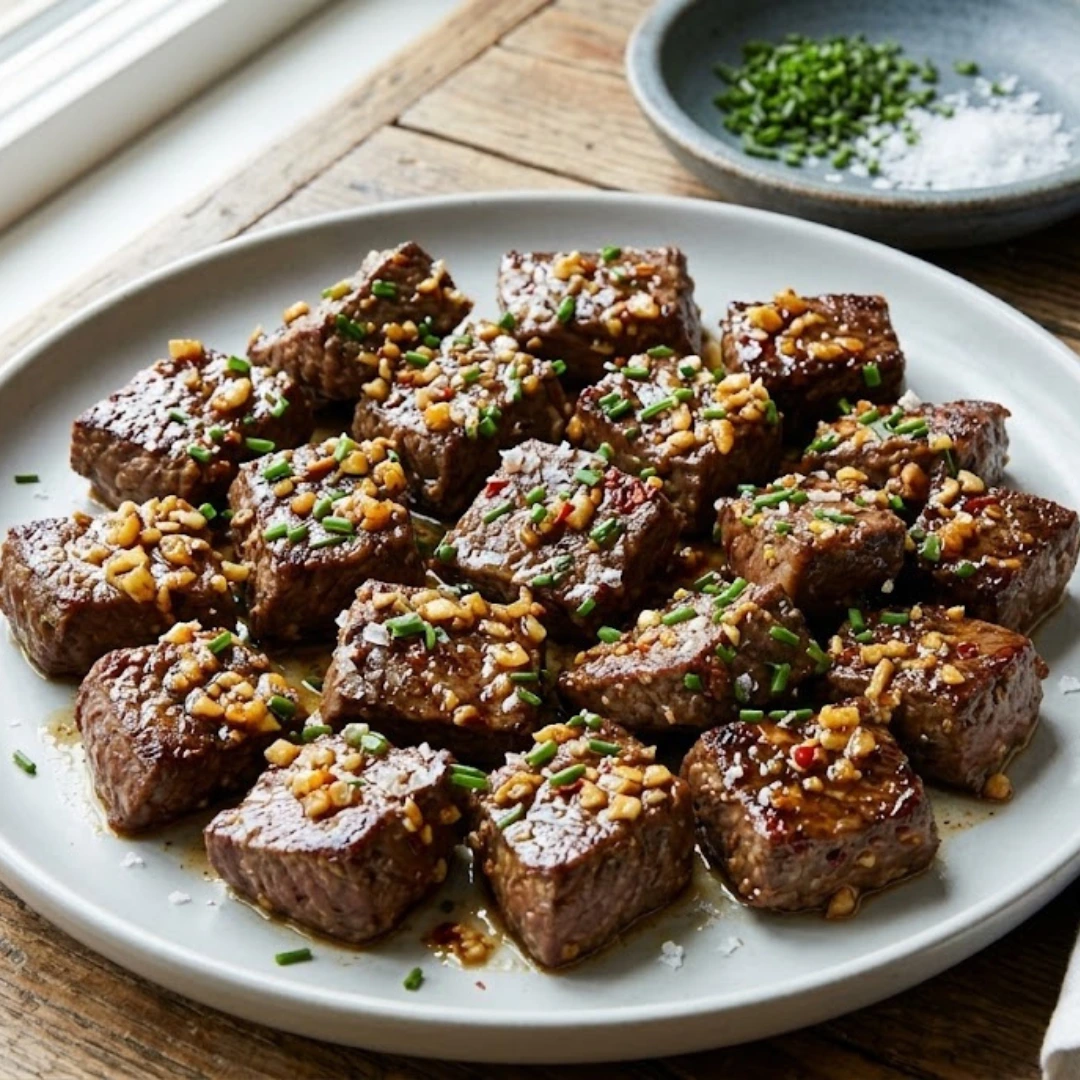

There is something undeniably comforting about a slab of tender, ruby-red beef that has been patiently simmered until it practically melts under the weight of a knife. Classic salt beef is a cornerstone of Jewish deli culture and a beloved staple in British households, representing a bridge between heritage and high-quality home cooking. Whether you are aiming to recreate a towering deli-style sandwich or a refined plated dinner, mastering this protein is a rite of passage for any serious home cook. This recipe focuses on taking a brined brisket and transforming it into a succulent masterpiece through gentle heat and aromatic infusion.
Table of Contents
Essential Ingredients for Your Kitchen
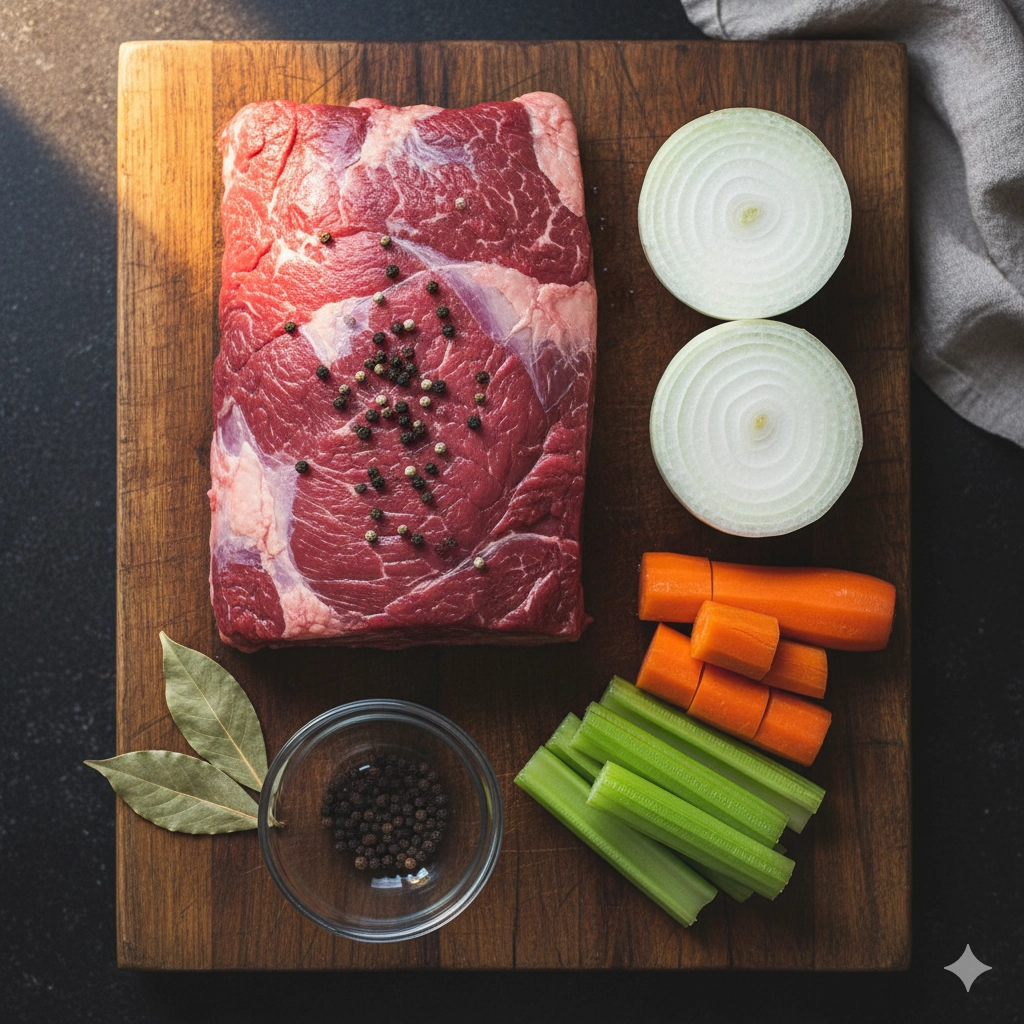
To achieve the perfect balance of savory depth and aromatic warmth, you will need the following high-quality components. Ensure your vegetables are fresh to provide the best possible flavor base for the poaching liquid.
- 1 to 1.3 kilogram brined kosher salt beef
- 2 bay leaves
- 10 whole black peppercorns
- 2 white onions, peeled and halved
- 2 celery sticks, each chopped into 4 pieces
- 2 carrots, each chopped into 4 pieces
Primary Cooking Instructions
Follow these precise steps to ensure your beef reaches the ideal texture and flavor profile.
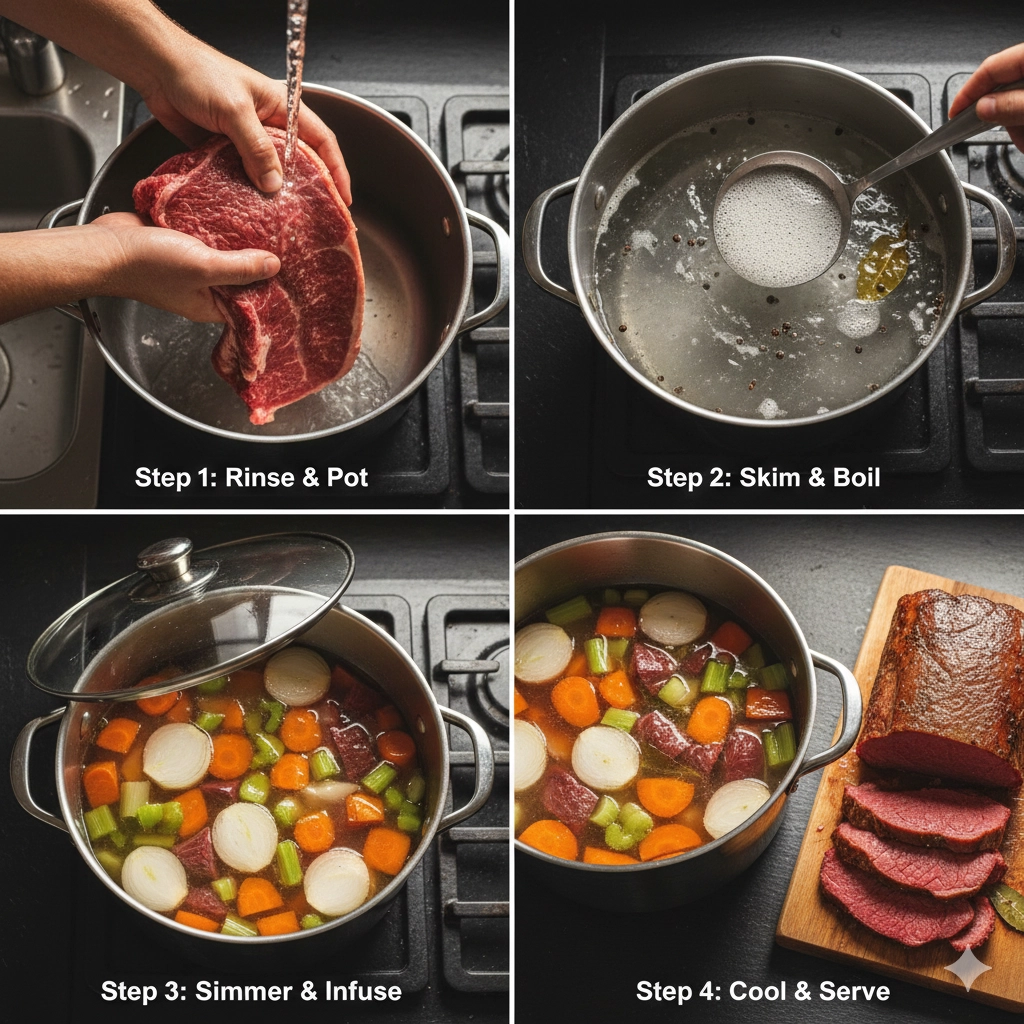
- Begin by rinsing the beef under cold running water for thirty seconds. This step is vital to remove the excess surface brine and prevent the final dish from being overly salty.
- Transfer the rinsed beef to a large, deep saucepan or a heavy-bottomed stock pot. Cover the meat entirely with fresh water, being careful to leave enough room at the top so it does not spill over when it reaches a boil.
- Place the pot over medium-high heat and bring the liquid to a boil. As the water heats, you will see grey foam or scum rise to the surface. Use a ladle or a large spoon to skim this off and discard it. Continue this process for approximately ten minutes until the water remains clear.
- Once the liquid is clear, add the bay leaves, black peppercorns, onions, celery, and carrots to the pot.
- Cover the pot with a lid, but leave a slight gap to allow steam to escape. Reduce the heat to low and maintain a gentle simmer.
- Simmer the beef for two hours and thirty minutes. Note that if your brisket is significantly larger or smaller than the 1.3 kilogram mark, you will need to adjust your cooking time accordingly.
- Remove the pot from the heat. For warm serving, let the beef rest and cool within the cooking liquid for thirty minutes before slicing.
- For cold service, allow the beef to cool completely in the liquid for several hours. Once cooled, transfer it to a container and refrigerate. Use a serrated knife to achieve the thinnest possible slices.
Mastering the Simmering Process
The journey from a raw, brined brisket to a tender classic salt beef is one of patience and temperature control. The most critical phase of this recipe occurs in the first ten minutes of boiling. When you place the beef in the water, the heat begins to draw out proteins and impurities trapped in the muscle fibers and the brining solution. Skimming this foam is not just about aesthetics; it ensures that the cooking liquid remains clean and that the flavors of the vegetables and spices can penetrate the meat without being clouded by “off” flavors.
Once the aromatics—the carrots, celery, onions, and peppercorns—are added, the pot becomes an infusion chamber. The gentle simmer is non-negotiable. If the water boils too vigorously, the muscle fibers in the brisket will tighten and become tough or stringy. By keeping the heat on low, you allow the connective tissues, specifically the collagen, to slowly break down into gelatin. This is what gives the beef its legendary “melt-in-the-mouth” quality. If you find the liquid is reducing too quickly, you can add a splash of boiling water to keep the meat submerged, ensuring every inch of the brisket remains moist.
Unique Culinary Insights for Perfection
When working with classic salt beef, the “carry-over” period is just as important as the active cooking time. Leaving the beef to cool in its own poaching liquid is a secret used by the best delis in the world. As the meat cools, the muscle fibers relax and actually reabsorb some of the seasoned liquid. This guarantees a moist result. If you were to remove the beef immediately and slice it, the steam would escape rapidly, leaving the meat dry and potentially grey in appearance.
Another insight involves the grain of the meat. Brisket has very distinct long fibers. To ensure the most tender bite, you must always slice against the grain. Look at the top of the beef to see which way the lines are running, then position your knife perpendicular to those lines. If you are serving this cold, using a serrated knife—like a bread knife—is the best way to get those paper-thin, translucent slices that are perfect for piling high on rye bread with a thick smear of spicy mustard.
Perfect Accompaniments and Serving Ideas
Classic salt beef is incredibly versatile and can transition from a formal dinner to a casual lunch with ease. For a plated meal, consider serving thick, warm slices alongside roast potatoes that have been tossed in a bit of English mustard and beef drippings. The sharp acidity of the mustard cuts through the richness of the beef beautifully. Traditional sides like braised red cabbage or honey-glazed parsnips also complement the salty profile of the meat.
If you are leaning toward the deli classic, serve the beef on authentic Jewish rye bread or thick-cut sourdough. The gold standard for toppings includes a generous amount of hot yellow mustard and several large, crunchy dill pickles (often called “new” or “half-sour” pickles). For a “Chrismukkah” twist, you might even serve it with a side of latkes (potato pancakes) and applesauce, bridging the gap between festive traditions with a singular, delicious centerpiece.
Modifications and Substitutions
While this recipe utilizes a pre-brined kosher salt beef, which is highly recommended for its balanced salt content and flavor, you can work with other cuts if necessary. If a brisket is unavailable, a silverside cut is a common substitute. Silverside is leaner and will produce a slightly firmer slice, making it excellent for cold sandwiches, though it may lack some of the fatty richness of a traditional brisket.
Regarding the aromatics, while white onions provide a sharp, clean base, you could use leeks for a sweeter, more subtle onion flavor. If you want to lean into a more spiced profile, some cooks choose to add a few cloves or a small piece of cinnamon bark to the poaching liquid, though the classic version relies heavily on the clean punch of black peppercorns and bay leaves. Always ensure that any substitutions maintain the low-and-slow cooking method, as the technique is the most important variable in the success of the dish.
Deep-Dive Frequently Asked Questions
What should I do if my beef still feels tough after the allotted cooking time?
If the beef feels “rubbery” or resists a fork, it likely needs more time. Brisket is a hardworking muscle with a lot of connective tissue that requires a long time to break down. Simply cover the pot back up and continue simmering at a very low heat for another thirty to forty-five minutes. Check the tenderness every fifteen minutes; it will eventually reach a point where it feels soft and yielding.
Can I cook this recipe in a slow cooker instead of a stovetop?
Yes, a slow cooker is an excellent alternative for classic salt beef. Place the rinsed beef and all the vegetables and spices into the slow cooker and cover with water. Cook on the “Low” setting for eight to ten hours. The slow, consistent heat of a crockpot mimics the gentle simmer of a stovetop and often results in an exceptionally tender product with very little supervision required.
Why is it necessary to rinse the beef for exactly thirty seconds?
Salt beef is cured in a very high-concentration brine to preserve it and develop flavor. If you do not rinse the exterior, the salt concentration in your poaching liquid will become overwhelming, making the meat and any accompanying vegetables nearly inedible. Thirty seconds is the “sweet spot” that removes the harsh surface salt while leaving the interior seasoning intact.
How long will the cooked salt beef keep in the refrigerator?
Once cooled and stored in an airtight container, your classic salt beef will stay fresh and delicious for about five to seven days. It is actually one of those rare dishes that can taste even better on day two or three, as the flavors have more time to meld. For the best texture, keep the meat in a small amount of its cooking liquid to prevent it from drying out in the fridge.
Nutritional Information and Values
The following values are estimated per serving based on a four-person yield using a 1.3 kilogram brisket.
| Nutrient | Amount Per Serving |
| Calories | 281 kcal |
| Total Fat | 12 grams |
| Saturated Fat | 4 grams |
| Carbohydrates | 0.4 grams |
| Sugars | 0 grams |
| Fiber | 0 grams |
| Protein | 43 grams |
| Sodium | 3.99 grams |
Recipe Disclaimer
Please be aware that nutritional values are approximate and can vary based on the specific cut of beef and the brand of brine used by your butcher. Individuals on low-sodium diets should consult with a medical professional before consuming salt beef, as it contains a significant amount of sodium per serving due to the traditional curing process.
Final Thoughts on This Timeless Dish
Bringing a classic salt beef to the table is about more than just providing a meal; it is about honoring a slow-cooking tradition that rewards patience with incredible flavor. The beauty of this recipe lies in its simplicity. By letting the beef simmer gently with humble root vegetables and aromatics, you transform a tough cut of meat into a versatile delicacy. Whether you enjoy it hot for a Sunday roast or cold in a stacked sandwich the next day, this salt beef is sure to become a recurring favorite in your culinary repertoire.

Classic Salt Beef
Ingredients
- 1.3 kg brined kosher salt beef
- 2 bay leaves
- 10 whole black peppercorns
- 2 white onions, peeled and halved
- 2 sticks celery, chopped into 4 pieces each
- 2 carrots, chopped into 4 pieces each
Instructions
- Rinse the beef under cold water for 30 seconds to remove excess surface brine. Place in a large, deep stock pot and cover completely with fresh water.
- Bring to a boil over medium-high heat. Use a ladle to skim off any scum or foam that rises to the surface. Continue for 10 minutes until water is clear.
- Add the bay leaves, black peppercorns, onions, celery, and carrots to the pot.
- Cover with a lid, leaving a small gap for steam. Reduce heat to low and simmer gently for 2 hours and 30 minutes.
- Remove from heat. For warm serving, let rest in the liquid for 30 minutes. For cold serving, cool fully in the liquid before refrigerating.
Notes
Equipment
- Large deep stock pot
- Ladle or large spoon For skimming
- serrated knife For thin slicing