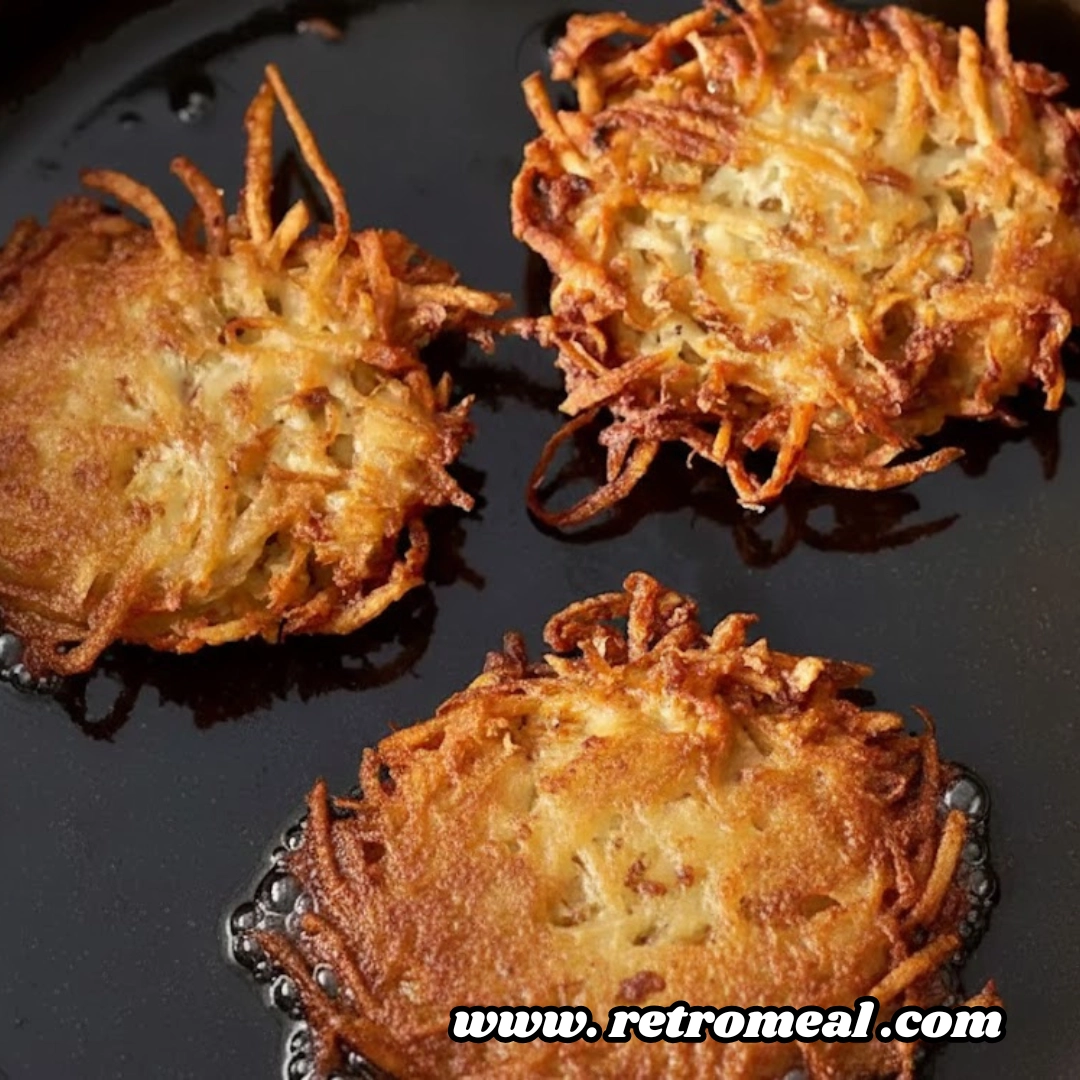
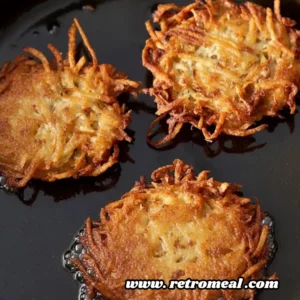
There is something undeniably magical about the aroma of potatoes and onions frying in a heavy skillet. It is a scent that defines the holiday season for many, evoking memories of warm kitchens and family gatherings. While the humble potato pancake appears in various forms across many cultures, the classic latke holds a special place in the American culinary landscape. These are not just any pancakes; they are a masterpiece of texture, boasting a shattered-glass crispness on the outside and a tender, creamy center. Finding the perfect balance between these two extremes is an art form that transforms simple pantry staples into a festive delicacy that everyone at the table will scramble to grab.
Table of Contents
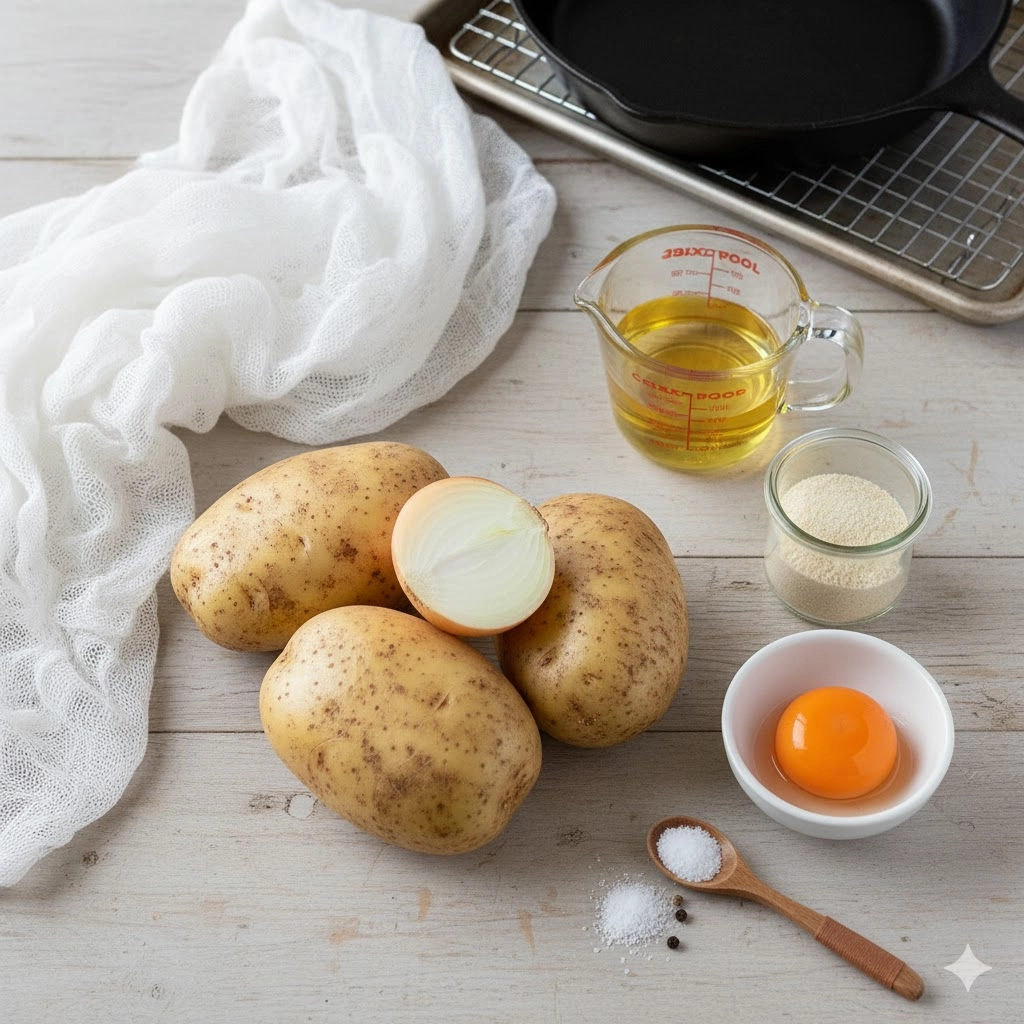
Ingredients
- 1 1/2 pounds russet potatoes (approximately 3 to 4 medium potatoes), scrubbed well
- 1/2 medium yellow onion, peeled and halved
- 1 large egg
- 2 tablespoons matzo meal or unseasoned dry breadcrumbs
- 1 teaspoon kosher salt
- 1/8 teaspoon freshly ground black pepper
- 1 cup canola oil or chicken schmaltz, or a combination of both
- Applesauce and sour cream, for serving
Instructions
- Arrange a rack in the middle of your oven and preheat the oven to 200 Fahrenheit. Prepare one rimmed baking sheet by lining it with a double layer of paper towels. Fit a wire cooling rack onto a second rimmed baking sheet.
- Cut the 1 1/2 pounds of skin-on russet potatoes in half crosswise to prepare them for the food processor.
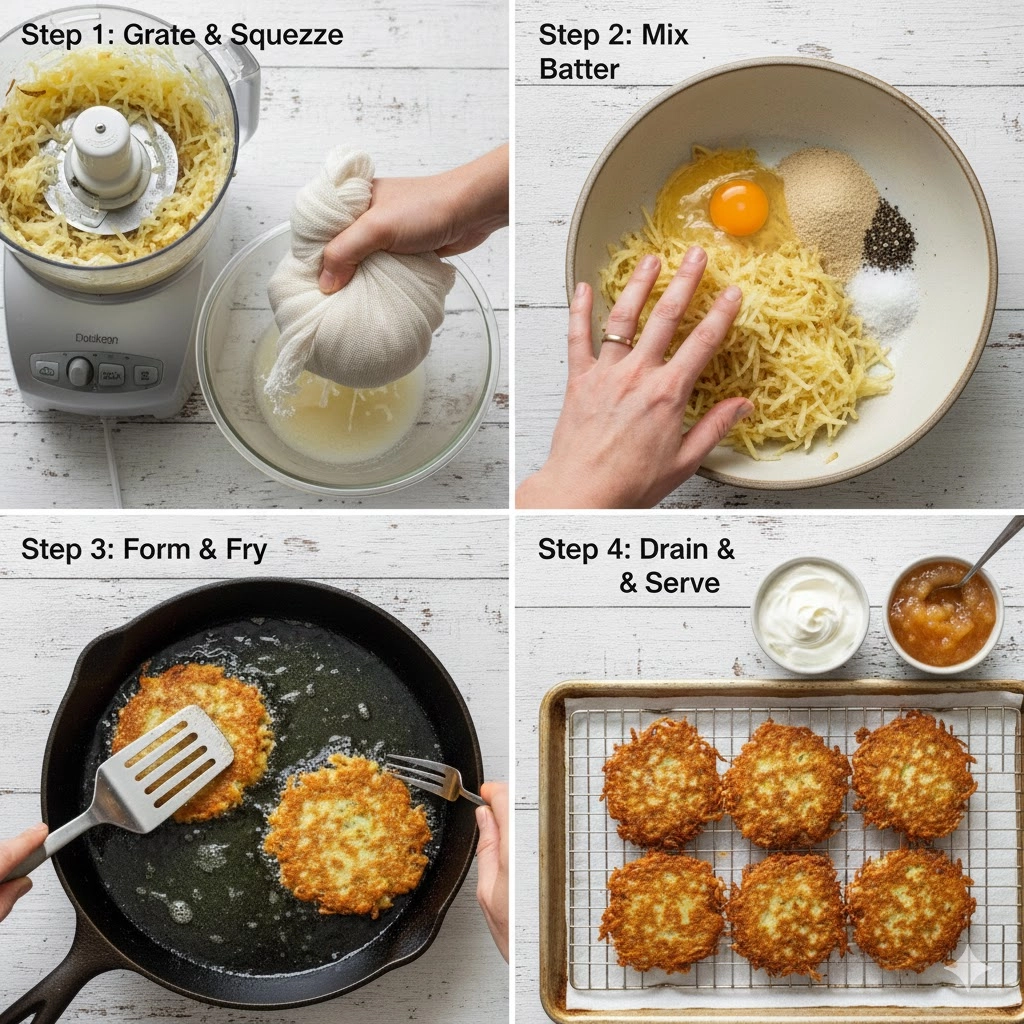
- Grate the potatoes and the 1/2 medium yellow onion using the large shredding disk of a food processor.
- Transfer the shredded potato and onion mixture onto a large, triple layer of cheesecloth. Gather the corners up and tie them securely around the handle of a wooden spoon. Suspend the bundle over a large bowl, then twist and squeeze the mixture with maximum force until no more liquid can be extracted.
- Set the bowl of liquid aside for several minutes. This allows the heavy potato starch to settle at the bottom. Carefully pour off and discard the watery liquid, making sure to leave the thick, white potato starch in the bottom of the bowl.
- Add the squeezed potatoes and onions back into the bowl with the starch. Add the 1 large egg, 2 tablespoons of matzo meal or breadcrumbs, 1 teaspoon of kosher salt, and 1/8 teaspoon of black pepper. Using your fingers, mix the ingredients thoroughly, ensuring the potato starch is broken up and distributed evenly. Let the batter rest for 10 minutes.
- Pour 1 cup of canola oil or chicken schmaltz (or your preferred blend) into a large, 10-inch skillet. The fat should be about 1/4 inch deep. Heat over medium-high heat until a small piece of the mixture sizzles immediately upon contact.
- Scoop 1/4 cup of the latke batter onto a fish spatula or flat spatula. Use your fingers to flatten it into a 4-inch patty.
- Gently slide the patty into the hot oil, using a fork to help nudge it off the spatula. Repeat the process until the pan is full but not overcrowded. Cook until the bottoms are deeply golden-brown, about 4 to 5 minutes. Flip and cook the second side for another 4 to 5 minutes, adjusting the burner heat as necessary.
- Move the finished latkes to the paper towel-lined baking sheet to drain for 2 minutes.
- Serve them immediately with applesauce and sour cream, or move them to the wire rack in the warm oven for up to 30 minutes while you finish the remaining batches.
Deep Dive Into Step By Step Details
The journey to a perfect latke begins long before the potato hits the oil. It starts with the preparation of your kitchen environment. Heating the oven to a low 200 Fahrenheit is a professional move that ensures your first batch is just as hot and crispy as the last. By using a two-step drainage system—first on paper towels to pull away surface grease, then on a wire rack to allow air circulation—you prevent the bottom of the pancake from becoming soggy.
When it comes to the actual shredding, the food processor is your best friend. By cutting the russet potatoes crosswise, you create shorter, more manageable shreds that bind together more effectively than long, stringy pieces. Including the onion in the shredding process allows its moisture and flavor to permeate the potato instantly.
The most critical phase is the extraction of moisture. This is where many home cooks fail. If the potatoes are wet, they will steam instead of fry, resulting in a limp pancake. By using a triple layer of cheesecloth and the wooden spoon leverage technique, you are physically forcing out the water that would otherwise ruin the texture. However, you aren’t just throwing everything away. The “liquid gold” at the bottom of the bowl—the potato starch—is the secret binder. It provides a structural integrity that flour or extra eggs simply cannot match. It creates a “glue” that is naturally part of the potato, ensuring the final product tastes like pure potato rather than a doughy fritter.
Finally, the resting period of 10 minutes after mixing is non-negotiable. This allows the matzo meal to hydrate. Matzo meal is much thirstier than standard flour; it needs those few minutes to swell and lock in the remaining moisture, which contributes to the creamy, custard-like interior that contrasts so beautifully with the fried edges.
Masterful Accompaniments and Serving Ideas
The classic way to enjoy these golden discs is with a side-by-side offering of cool sour cream and sweet applesauce. This combination provides a beautiful contrast: the tanginess of the cream cuts through the richness of the fried potato, while the sweetness of the applesauce highlights the natural sugars in the russet.
If you want to elevate the presentation for a dinner party, consider a “latke bar” approach. You can offer smoked salmon, fresh dill, and capers for a savory, brunch-style topping. For a modern twist, a dollop of Greek yogurt mixed with lemon zest and chives can replace standard sour cream. Some even enjoy a drizzle of honey or a sprinkle of flaky sea salt to further enhance the crunch. When serving, remember that latkes are best enjoyed in an informal setting where guests can grab them while they are still piping hot. Placing them on a large wooden board in the center of the table encourages the communal spirit of the holiday.
Why Chicken Schmaltz is the Secret Weapon
If you want to achieve the most authentic, traditional flavor profile, chicken schmaltz is the ingredient you cannot ignore. Schmaltz is rendered chicken fat, often slow-cooked with onions to create an aromatic, deeply savory golden liquid. In the world of frying, it has a lower smoke point than some vegetable oils but carries a depth of flavor that is incomparable.
When you fry a potato in chicken fat, the potato absorbs those savory notes, resulting in a latke that tastes “meatier” and more complex. If you are worried about the intensity, a 50-50 split between schmaltz and a neutral canola oil is the perfect compromise. It provides the flavor of the tradition while maintaining the high-heat stability of the vegetable oil. Using schmaltz is a nod to the history of the dish, utilizing every part of the animal and creating a rich, indulgent experience that happens only a few times a year.
Achieving the Ultimate Creamy Consistency
The hallmark of a superior latke is the “shatter-to-cream” ratio. You want the first bite to be audibly crunchy, but the center must be soft and yielding. This is achieved through three specific factors: the choice of potato, the binder, and the frying temperature.
Russet potatoes are the gold standard because of their high starch content and low moisture. Unlike waxy red potatoes or Yukon Golds, Russets fluff up when cooked. The addition of matzo meal is the second factor. Because matzo is already a baked product (unleavened bread), it doesn’t behave like raw flour. It acts more like a sponge, holding the internal moisture in a delicate suspension.
Lastly, the frying temperature must be precisely maintained. If the oil is too cold, the potato will soak up the fat and become heavy. If it is too hot, the outside will burn before the inside is cooked through. By maintaining a medium-high heat that produces a steady sizzle, you allow the exterior to caramelize and harden into a protective shell, which essentially “steams” the interior shreds into a creamy mash.
Modifications and Substitutions
While the classic recipe is a masterpiece of simplicity, there are times when you may need to pivot based on what is in your pantry or specific dietary needs.
- The Binder: If you cannot find matzo meal, unseasoned dry breadcrumbs are the closest substitute. They provide a similar texture, though they lack the specific toasted flavor of matzo. In a pinch, all-purpose flour can be used, but use it sparingly as it can make the interior more “cakey” than “creamy.”
- The Potato: While Russets are best, Yukon Golds can be used if you prefer a more buttery, yellow interior. Just be aware they have more moisture, so you will need to squeeze them even more aggressively.
- The Fat: If you want to keep the dish vegetarian or “parve” (to be eaten with either meat or dairy in a kosher household), stick to high-quality canola, peanut, or grapeseed oil. Avoid butter, as the milk solids will burn long before the latke is finished cooking.
- The Onion: If yellow onions are too sharp for your palate, a white onion or even a bundle of leeks (white and light green parts only) can offer a milder, sweeter aromatic base.
Essential Tools for Frying Success
To make the process as seamless as possible, having the right equipment is just as important as the ingredients.
- Cast Iron Skillet: This is the preferred vessel for frying. Cast iron has incredible heat retention, meaning the oil temperature won’t plummet when you drop in cold potato batter.
- Food Processor: While a box grater works, it is labor-intensive and increases the risk of “knuckle-nicking.” A food processor with a shredding disk processes three pounds of potatoes in under a minute, which prevents the potatoes from oxidizing and turning gray.
- Fish Spatula: A thin, flexible metal spatula (often called a fish spatula) is superior to a standard plastic turner. Its thin edge slides easily under the lacy, delicate edges of the latke without breaking them, and the slots allow excess oil to drain back into the pan.
- Cheesecloth: Do not settle for thin paper towels for the squeezing process. Real, sturdy cheesecloth allows you to apply significant pressure without the fabric tearing.
Deep Dive FAQ
Why do my latkes always fall apart as soon as they hit the oil?
This usually happens for one of two reasons: either the oil isn’t hot enough or the binder isn’t working. If the oil is cool, it soaks into the patty and dissolves the starch bonds before they can “set.” Ensure a test piece of potato sizzles violently before adding the first patty. Additionally, make sure you didn’t skip the step of adding the settled potato starch back into the mix; that starch is the primary “glue” that holds the shreds together.
Can I peel the potatoes, or do I have to leave the skins on?
This recipe calls for skin-on potatoes for a few reasons. First, the skin adds an extra layer of earthy flavor and a rustic texture. Second, many of the potato’s nutrients are found just under the skin. However, if you prefer a more uniform, refined look, you can certainly peel them. Just ensure you weigh the potatoes after peeling to make sure you still have 1 1/2 pounds of vegetable matter.
How do I prevent my shredded potatoes from turning brown or gray while I’m working?
Oxidation is the enemy of a bright, golden latke. The best way to prevent browning is speed. Using a food processor helps you move through the shredding process quickly. Squeezing the liquid out immediately and mixing in the egg and salt also helps, as the salt and the coating from the egg act as a barrier against the air. If you are doubling the recipe, work in smaller batches rather than shredding everything at once.
Is it possible to make these ahead of time for a big party?
Latkes are undeniably best when eaten within minutes of frying. However, if you are hosting a crowd, you can fry them a few hours in advance, let them cool completely, and store them at room temperature. To regain that “just-fried” crunch, place them on a wire rack over a baking sheet and heat them in a 300 Fahrenheit oven for about 10 minutes. Avoid the microwave at all costs, as it will turn them rubbery.
The Joy of the Perfect Potato Pancake
In the end, the secret to a perfect latke isn’t just a single ingredient—it is the combination of traditional wisdom and modern technique. By respecting the starch, mastering the squeeze, and choosing the right frying fat, you transform a few cents’ worth of potatoes into a golden treasure. Whether you are celebrating Hanukkah or simply looking for the ultimate comfort food, these latkes provide a sensory experience that is hard to beat. The sound of the crunch, the sight of the golden edges, and the savory taste of the onion-infused potato all come together to create a dish that is much more than the sum of its parts.
Nutrition Table
| Nutrient | Amount Per Serving (1 Latke) |
| Calories | 150 calories |
| Total Fat | 9 grams |
| Saturated Fat | 1 gram |
| Cholesterol | 15 milligrams |
| Sodium | 210 milligrams |
| Total Carbohydrates | 16 grams |
| Dietary Fiber | 2 grams |
| Sugars | 1 gram |
| Protein | 2 grams |
Disclaimer
The nutritional information provided is an estimate based on standard ingredient measurements and typical frying oil absorption. Actual nutritional values may vary depending on the specific brands of ingredients used and the exact amount of oil retained after draining. For those with specific dietary restrictions or medical conditions, please consult with a professional nutritionist.
Classic Potato Latkes
Ingredients
- 1.5 pounds russet potatoes, scrubbed well
- 0.5 medium yellow onion, peeled and halved
- 1 large egg
- 2 tbsp matzo meal or unseasoned dry breadcrumbs
- 1 tsp kosher salt
- 0.125 tsp freshly ground black pepper
- 1 cup canola oil or chicken schmaltz (or a combination)
- Applesauce and sour cream, for serving
Instructions
- Preheat oven to 200 Fahrenheit. Line one baking sheet with paper towels and set a wire rack on a second baking sheet.
- Grate the halved potatoes and onion using the large shredding disk of a food processor.
- Place shreds in a triple layer of cheesecloth. Tie around a wooden spoon and squeeze over a bowl until very dry.
- Let liquid sit for minutes; pour off water but save the thick white potato starch at the bottom.
- Mix potatoes, onion, egg, matzo meal, salt, and pepper into the starch. Use fingers to distribute evenly and let sit for 10 minutes.
- Heat oil in a 10-inch skillet over medium-high heat until a test shred sizzles immediately.
- Form 1/4 cup of mixture into a 4-inch patty. Fry for 4 to 5 minutes per side until deeply golden brown.
- Drain on paper towels for 2 minutes, then serve warm with applesauce and sour cream.
Notes
Equipment
- Food processor with shredding disk
- Cheesecloth
- Large skillet (Cast iron preferred)
- Fish spatula
- wire cooling rack
- Rimmed baking sheets