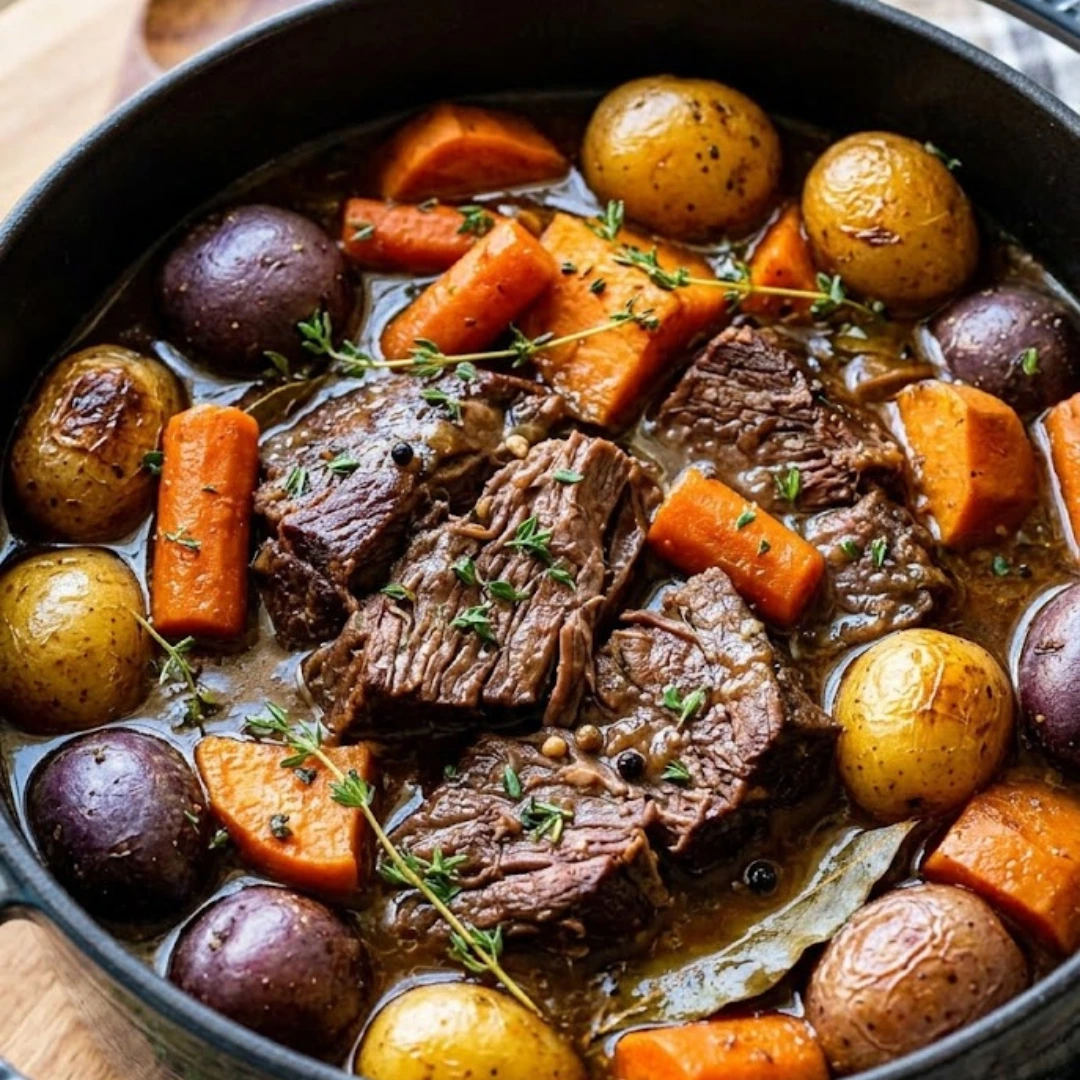
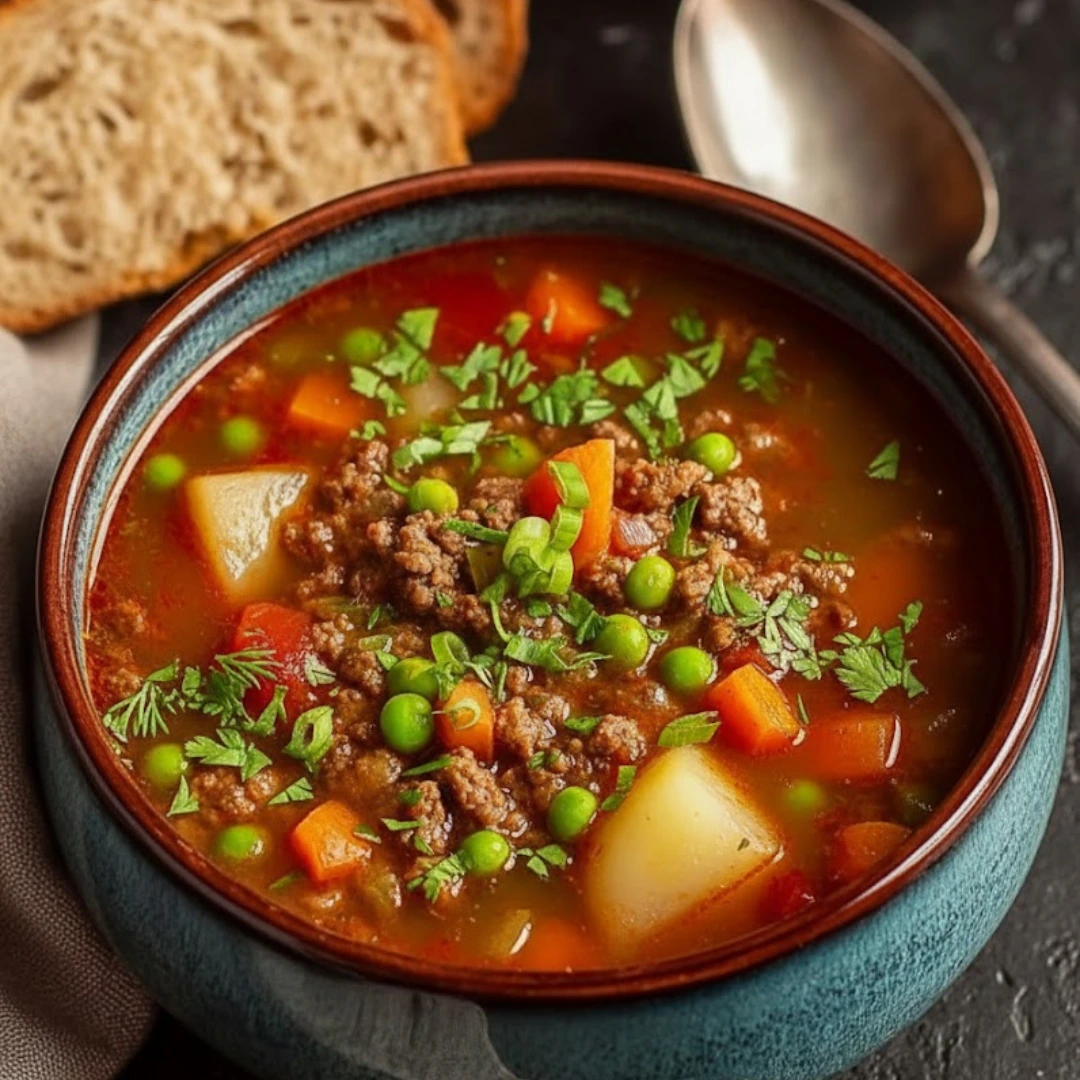
There is a specific kind of magic that happens when a pot of savory ingredients simmers on the stove, filling every corner of the home with a sense of warmth and security. This Classic Ground Beef Soup is the personification of that feeling. It is a rustic, reliable, and deeply nourishing meal that bridges the gap between a light vegetable soup and a heavy beef stew. Whether the wind is howling outside or you simply need a restorative meal after a long day, this recipe provides a protein-packed, vegetable-forward solution that never fails to satisfy. It is a nostalgic nod to traditional American farmhouse cooking, updated for the modern kitchen with simple techniques that yield complex, layered flavors.
Table of Contents
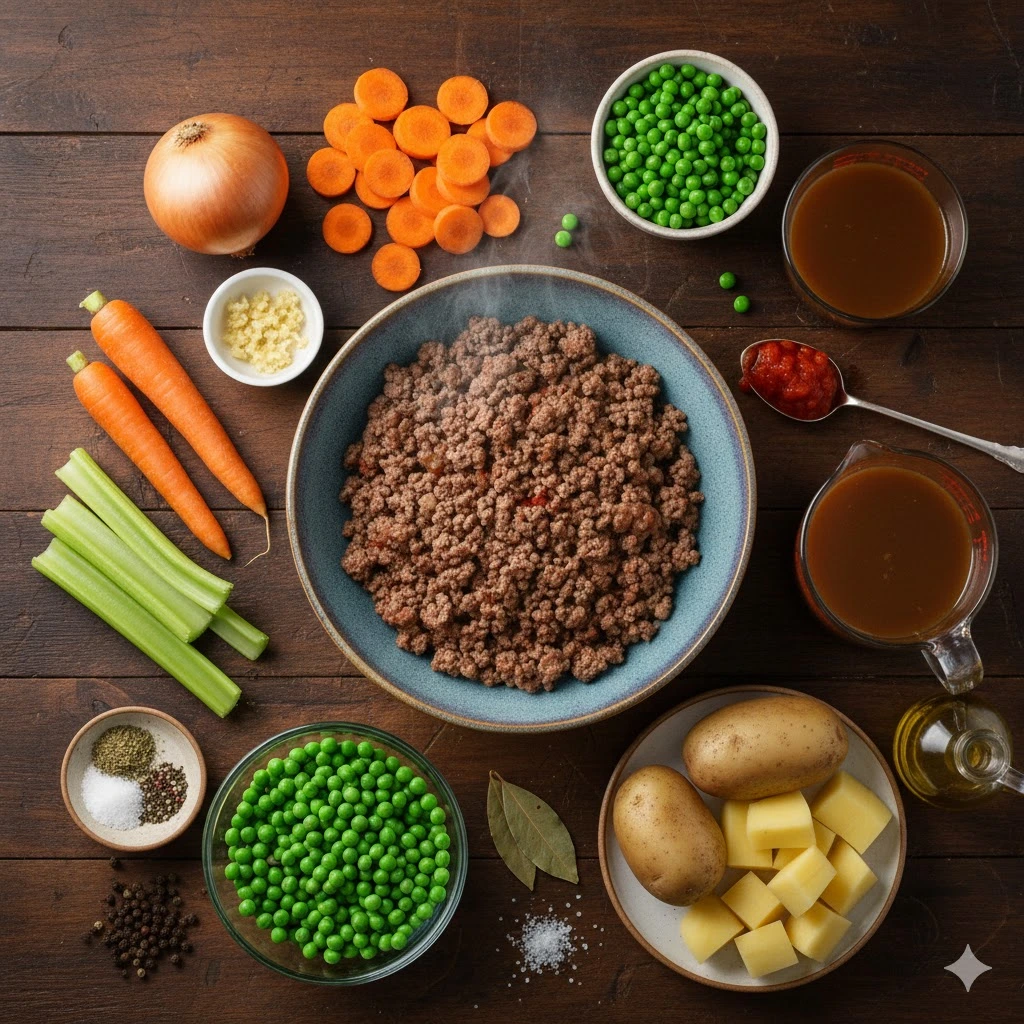
Ingredients
- 1 pound ground beef
- 1 tablespoon olive oil
- 1 medium onion, diced
- 3 cloves garlic, minced
- 2 medium carrots, peeled and sliced
- 2 celery stalks, sliced
- 2 medium potatoes, peeled and diced
- 1 cup frozen peas
- 1 can (14.5 ounces) diced tomatoes
- 4 cups beef broth
- 1 teaspoon Italian seasoning
- 1 bay leaf
- Salt, to taste
- Black pepper, to taste
Instructions
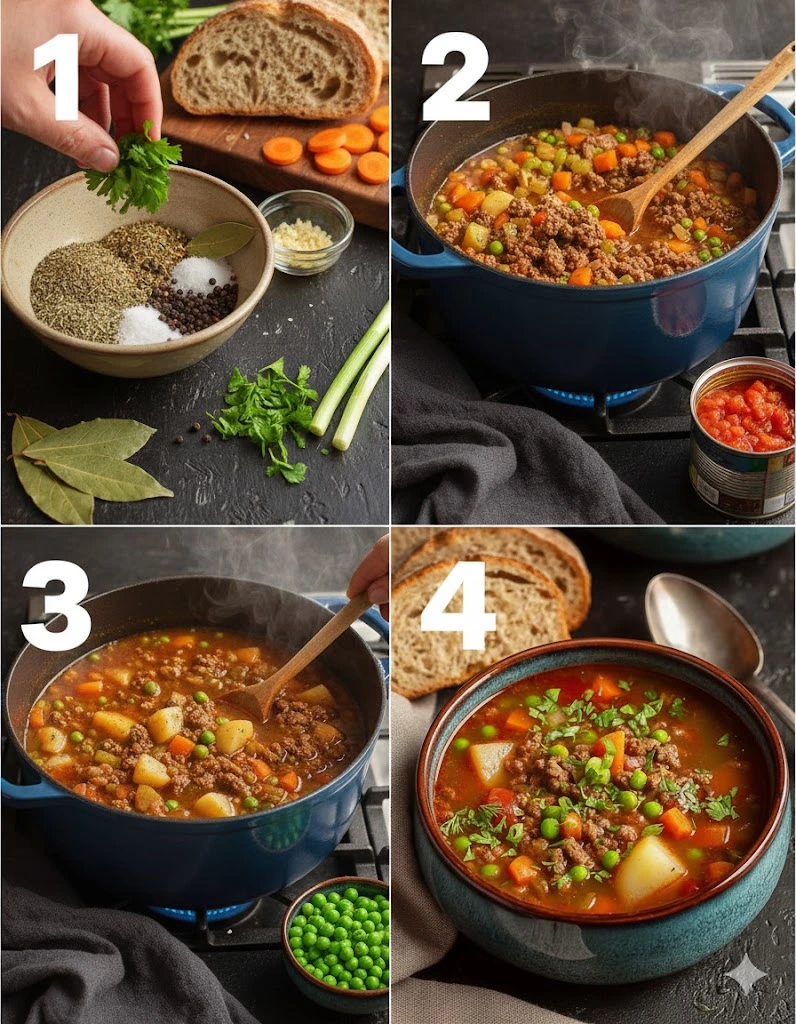
- Begin by selecting a large soup pot or a heavy-bottomed Dutch oven. Place it over medium heat and add the olive oil. Once the oil shimmers, add the ground beef. Use a wooden spoon or a stiff spatula to break the meat into small crumbles as it browns. Continue cooking until no pink remains. If the beef has released a significant amount of liquid or grease, carefully drain the excess fat, leaving just enough to coat the bottom of the pot.
- Into the pot with the browned beef, introduce the diced onion, minced garlic, sliced carrots, and celery. Stir these aromatics into the meat and cook for approximately 5 to 7 minutes. You are looking for the onions to become translucent and the carrots to just begin softening. This stage is vital for building the aromatic base of the soup.
- Next, add the canned diced tomatoes along with all their juices. Sprinkle in the Italian seasoning and drop in the single bay leaf. Stir the mixture well to ensure the herbs are distributed and let it cook for another 2 to 3 minutes, allowing the acidity of the tomatoes to mellow and the herbs to bloom in the heat.
- Pour the beef broth over the meat and vegetable mixture. Turn the heat up to medium-high and bring the liquid to a full boil. As soon as it reaches a boil, reduce the heat to low. Place a lid on the pot, leaving it slightly ajar to allow a small amount of steam to escape, and let the soup simmer gently for 20 minutes.
- After the initial simmer, stir in the peeled and diced potatoes. Ensure the potatoes are submerged in the broth. Continue to simmer for an additional 15 to 20 minutes. Test the potatoes with a fork; they should be tender but not falling apart.
- For the final touch, stir in the frozen peas. Because they are delicate, they only require about 5 minutes of cooking time to reach the perfect texture. Once the peas are heated through, turn off the heat. Locate and remove the bay leaf. Taste the broth carefully and add salt and black pepper according to your preference.
- Ladle the hot soup into deep bowls. If you desire a bit of freshness, garnish each serving with a sprinkle of chopped parsley or sliced green onions. Serve immediately while steaming.
Mastering the Simmer: Step-by-Step Details
The beauty of a Classic Ground Beef Soup lies in the transition from raw, individual components into a cohesive, flavorful broth. This process starts with the browning of the beef. This isn’t just about cooking the meat through; it is about the Maillard reaction. By letting the beef develop a deep brown crust against the bottom of the pot, you are creating fond—those little brown bits that hold concentrated flavor. When you later add the vegetables and tomatoes, those bits deglaze into the liquid, giving the soup a professional depth that cannot be achieved by simply boiling the meat.
Once the meat is prepped, the introduction of the mirepoix—the onion, carrot, and celery—serves as the backbone of the dish. Sautéing these in the rendered beef fat (or olive oil) coaxes out their natural sugars. The garlic should be added last in this sequence to ensure it perfumes the oil without burning, which can introduce a bitter note to an otherwise sweet and savory base.
The simmering phase is where the alchemy happens. By simmering the broth with the tomatoes and Italian seasoning for 20 minutes before adding the potatoes, you allow the beef broth to absorb the essence of the herbs and the acidity of the tomatoes. This ensures that when the potatoes are finally added, they aren’t just boiling in water; they are absorbing a fully seasoned, high-velocity flavor profile. The final addition of peas is intentionally timed for the very end. This preserves their vibrant green color and prevents the skins from becoming tough or the interiors from turning mushy.
Variations for Every Palate
While the standard recipe is a masterpiece of balance, there are several ways to modify this dish to suit specific dietary needs or flavor preferences. If you find yourself wanting a richer, more tomato-forward broth, you can stir in two tablespoons of tomato paste during the final minute of sautéing the vegetables. This adds a thick, savory “umami” quality to the liquid.
For those looking to reduce carbohydrates, the potatoes can be easily substituted. Chopped cauliflower florets or diced zucchini make excellent replacements. If using zucchini, add it during the last 10 minutes of cooking, as it softens much faster than a root vegetable. Alternatively, if you prefer a different starch, you can omit the potatoes and stir in half a cup of small pasta shapes, like ditalini or orzo, or even a cup of cooked pearl barley.
Meat substitutions are also a breeze. While ground beef is traditional, ground bison offers a leaner, slightly earthier profile. Ground turkey or chicken can be used for a lighter version of the soup, though you may want to add a dash of Worcestershire sauce to mimic the deep savory notes that beef naturally provides. For a vegetarian “beefy” soup, many find that brown lentils or plant-based crumbles paired with a high-quality vegetable stock create a remarkably similar experience.
Enhancing the Experience: Accompaniments and Serving
Presentation and side dishes can elevate this humble soup into a dinner party-worthy meal. Because the soup is quite “brothy” and hearty, it cries out for a textural contrast. A thick slice of crusty sourdough or a warm French baguette is the gold standard for serving. The porous nature of the bread is perfect for mopping up the last drops of the tomato-beef broth.
If you prefer something with more crunch, consider serving the soup alongside a classic grilled cheese sandwich. The richness of the melted cheese and the buttery, toasted bread provides a decadent counterpoint to the vegetable-heavy soup. For a lighter side, a crisp green salad tossed in a sharp lemon vinaigrette helps to cut through the savory fat of the ground beef, refreshing the palate between bites.
When serving, temperature is key. Soup should be served piping hot in pre-warmed bowls. A final “finishing touch” can make a world of difference: a drizzle of high-quality extra virgin olive oil, a dusting of freshly grated Parmesan cheese, or even a few homemade sourdough croutons can add layers of flavor and visual appeal that make the meal feel special.
Essential Culinary Secrets for Success
To take your Classic Ground Beef Soup from “good” to “extraordinary,” keep a few professional kitchen secrets in mind. First, consider the quality of your beef broth. If possible, use a bone broth or a low-sodium version that allows you to control the salinity yourself. The saltiness of canned broths can vary wildly, and as the soup simmers and reduces, the salt concentration increases.
Another secret is uniform chopping. By ensuring that your carrots, celery, and potatoes are all cut into roughly half-inch pieces, you guarantee that every spoonful contains a bit of everything and that no one bites into a raw potato while the carrots are overcooked. This attention to detail creates a refined mouthfeel.
Lastly, don’t be afraid of the “rest.” Like many stews and braised dishes, this soup often tastes even better 20 minutes after it has finished cooking. Allowing it to sit off the heat for a few minutes lets the temperatures equalize and the flavors settle. If you have the patience, making this soup a day in advance is the ultimate pro move, as the overnight chill in the refrigerator allows the spices to permeate the meat and vegetables more deeply than a single hour of cooking ever could.
Solving Common Kitchen Queries
What is the best way to prevent the soup from becoming too oily?
The most effective way to manage the fat content is during the initial browning phase. If you are using ground beef with a higher fat percentage, such as 80/20, you will notice a significant amount of liquid fat in the pot after browning. You should tilt the pot and use a large spoon to remove most of it, or even pour the meat into a colander briefly before returning it to the pot. Leaving just a small amount—about one tablespoon—is enough to sauté the vegetables without making the final broth feel greasy.
How can I achieve the best texture for the potatoes in the soup?
Potato texture is often a matter of variety. For a soup like this, Yukon Gold potatoes are often the preferred choice because they occupy the middle ground between starchy and waxy. They hold their shape well through the simmering process but still offer a creamy interior. If you use Russet potatoes, be aware that they release more starch into the broth, which will slightly thicken the soup but may result in the potatoes breaking down around the edges.
Is it possible to prepare this recipe in a slow cooker?
Absolutely. To adapt this for a slow cooker, you should still brown the beef and sauté the onions and garlic in a pan first. This step is non-negotiable for flavor. Once the meat is browned and the aromatics are fragrant, transfer them to the slow cooker along with all other ingredients except for the frozen peas. Cook on low for 6 to 7 hours or on high for 3 to 4 hours. Stir in the peas during the last 15 minutes of the cooking cycle to keep them fresh.
What should I do if my soup ends up too salty?
If you’ve accidentally over-seasoned the pot, don’t panic. One classic trick is to add an extra peeled and diced potato to the mix; the potato acts like a sponge for salt as it cooks. Alternatively, you can dilute the soup with a bit more unsalted broth or a splash of water and a squeeze of fresh lemon juice. The acidity of the lemon helps to mask an over-abundance of salt by brightening the other flavors.
Nutritional Profile
| Nutrient | Amount Per Serving |
| Calories | 320 |
| Total Fat | 15 grams |
| Saturated Fat | 5 grams |
| Cholesterol | 55 milligrams |
| Sodium | 600 milligrams |
| Total Carbohydrates | 25 grams |
| Dietary Fiber | 4 grams |
| Sugars | 5 grams |
| Protein | 20 grams |
Culinary Disclaimer
The nutritional values provided are estimates based on standard ingredients. Variations in the fat content of the beef, the specific brand of broth used, and the size of the vegetables can all affect the final caloric and nutrient count. For those with specific medical dietary requirements, it is recommended to calculate nutrition based on the exact brands and measurements used in your kitchen.
A Final Word on Family Comfort
This Classic Ground Beef Soup is more than just a collection of ingredients; it is a testament to the power of simple, honest cooking. It proves that you don’t need expensive cuts of meat or exotic spices to create a meal that feels luxurious and deeply satisfying. By following the steps of browning, sautéing, and slow-simmering, you transform pantry staples into a dish that nourishes both the body and the soul. It is the kind of recipe that gets passed down, the kind that people ask for when they are feeling under the weather, and the kind that reminds us that the best meals are often the ones made with patience and care right at home.
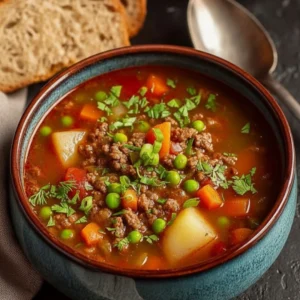
Classic Ground Beef Soup
Ingredients
- 1 pound ground beef
- 1 tbsp olive oil
- 1 medium onion, diced
- 3 cloves garlic, minced
- 2 medium carrots, peeled and sliced
- 2 stalks celery, sliced
- 2 medium potatoes, peeled and diced
- 1 cup frozen peas
- 1 can (14.5 oz) diced tomatoes
- 4 cups beef broth
- 1 tsp Italian seasoning
- 1 bay leaf
- Salt, to taste
- Black pepper, to taste
Instructions
- In a large pot or Dutch oven, heat olive oil over medium heat. Add the ground beef and cook until fully browned, breaking it up with a spoon. Drain excess fat if needed.
- Add the diced onion, minced garlic, sliced carrots, and celery to the pot. Cook for 5–7 minutes, stirring occasionally, until the vegetables begin to soften and onions are translucent.
- Stir in the canned diced tomatoes (with their juices), Italian seasoning, and the bay leaf. Let the mixture cook for 2–3 minutes to allow flavors to combine.
- Pour in the beef broth and increase heat to bring the mixture to a boil. Once boiling, reduce heat to low, cover partially, and simmer for 20 minutes.
- Add the diced potatoes to the pot. Continue simmering for another 15–20 minutes, or until the potatoes are fork-tender.
- Stir in the frozen peas and cook for an additional 5 minutes. Remove and discard the bay leaf.
- Taste the soup and adjust seasoning with salt and pepper as needed. Serve hot, garnished with parsley or green onions if desired.
Notes
Equipment
- large soup pot or Dutch oven
- wooden spoon or spatula
- Vegetable Peeler
- chef’s knife
- measuring cups and spoons