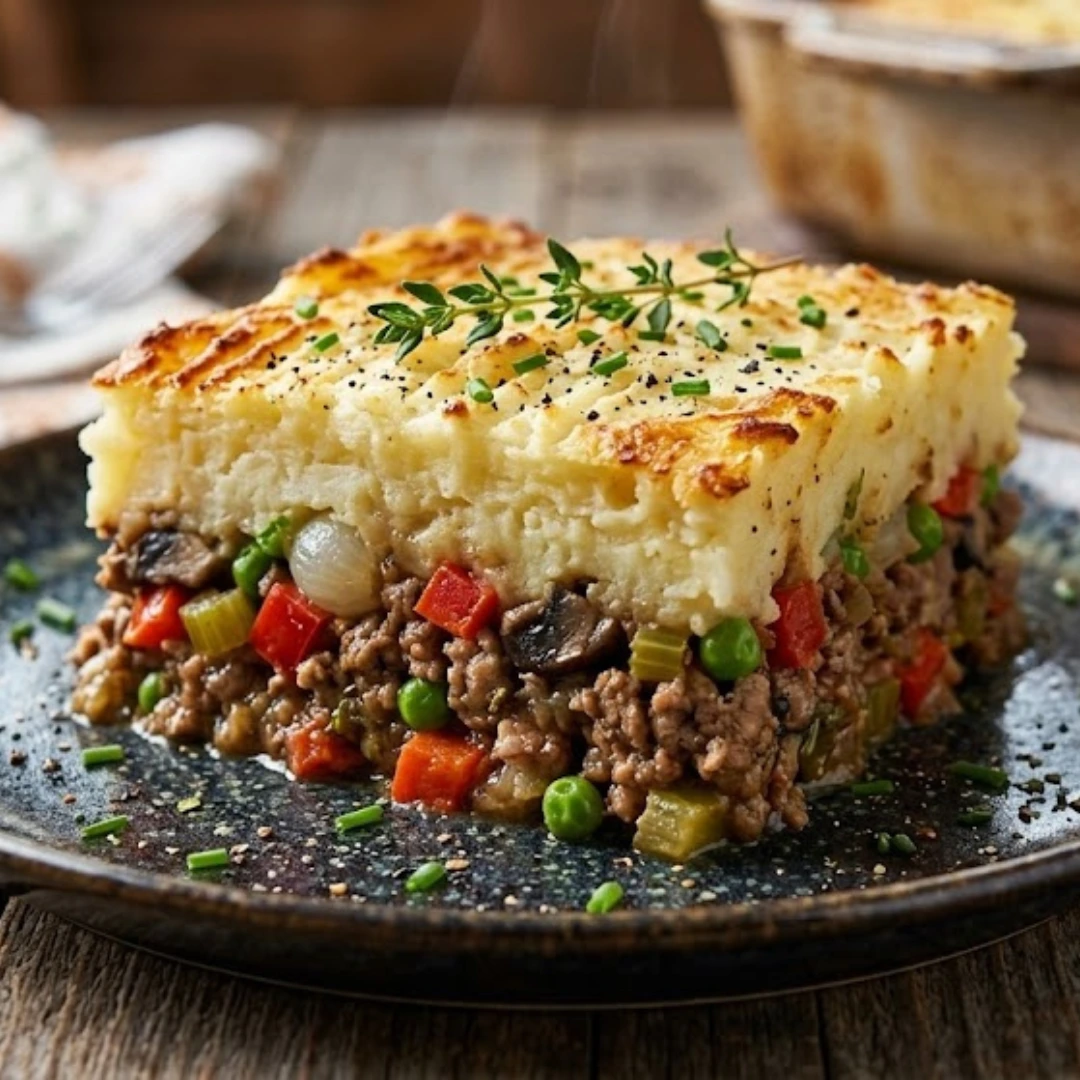
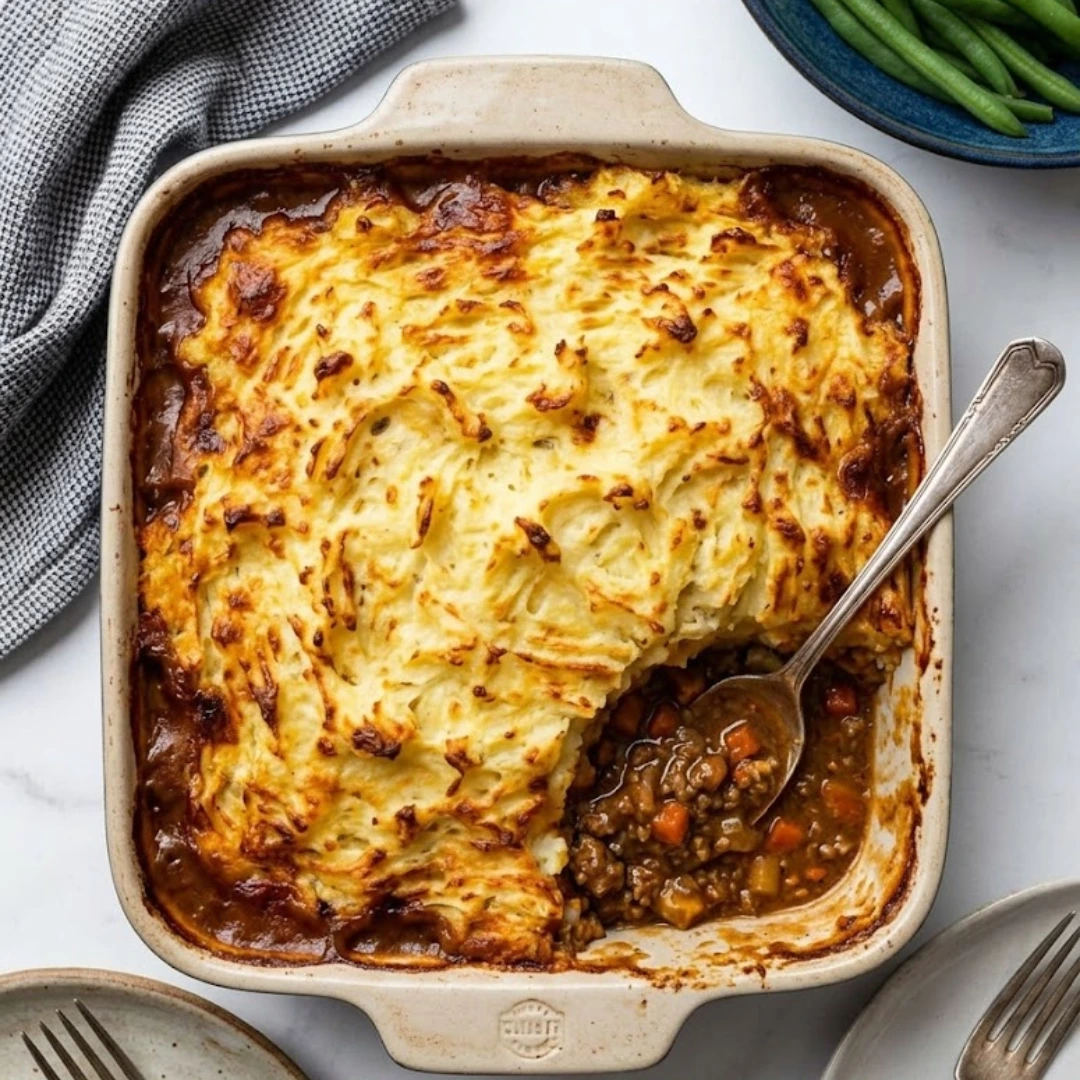
There is something profoundly soul-warming about a Classic Cottage Pie emerging from the oven, its golden, ruffled potato peaks hiding a rich, savory beef interior. This quintessential British staple has graced family dinner tables for generations, offering a perfect balance of nutrition, economy, and pure indulgence. Whether you are looking for a reliable weeknight meal that pleases even the pickiest eaters or a robust dish to prepare ahead for a busy schedule, this recipe delivers on every front. In this comprehensive guide, we will explore the nuances of creating the most flavorful meat base and the fluffiest mash topping to ensure your cottage pie is the talk of the neighborhood.
Table of Contents
Ingredients for the Perfect Cottage Pie
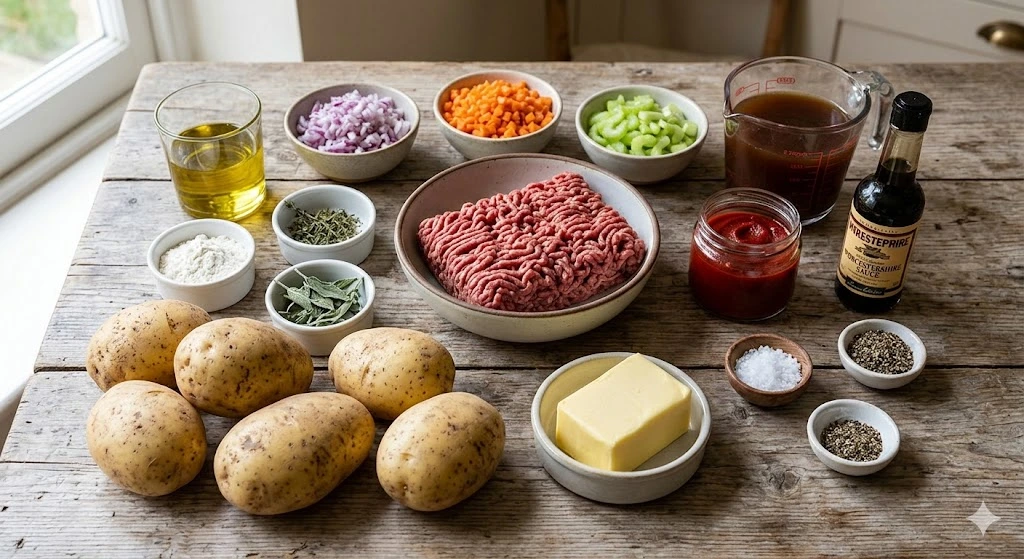
To achieve that authentic, deep flavor profile, it is essential to use high-quality staples. Below is the precise list of ingredients required to serve four hungry individuals.
For the Rich Meat Filling
- 1 tablespoon Olive oil (you may also use sunflower or vegetable oil)
- 500 grams (approximately 1.1 pounds) Beef mince, preferably 5 percent fat
- 1 Large Onion, finely chopped
- 2 Carrots, finely chopped
- 2 Celery sticks, finely chopped
- 1 tablespoon Plain flour (all-purpose flour)
- 1 teaspoon Dried thyme (or a tablespoon of fresh leaves)
- 1 teaspoon Dried sage (or finely chopped fresh sage)
- 500 milliliters (2 cups) Beef stock (prepared from a high-quality cube is perfectly fine)
- 2 tablespoons Tomato puree
- 2 tablespoons Worcester sauce (or Henderson’s Relish for a regional twist)
- Sea salt and freshly ground black pepper to taste
For the Fluffy Potato Topping
- 1 kilogram (2.2 pounds) White potatoes (choose floury varieties like Maris Piper, King Edward, or Desiree)
- 2 tablespoons Salted butter
- Sea salt and freshly ground black pepper to taste
- Optional: A handful of grated cheddar cheese for an extra-golden crust
Essential Instructions for Success
Follow these steps carefully to ensure your pie has the correct texture and a professional finish.
- Begin by preheating your oven to 180 Celsius (350 Fahrenheit), 200 Celsius (425 Fahrenheit), or Gas mark 6.
- In a large, heavy-bottomed pan, heat the olive oil over a high flame. Introduce the beef mince and fry for approximately 5 minutes, breaking it up with a wooden spoon, until it is browned thoroughly.
- Incorporate the chopped onion, carrots, and celery. Continue to fry for another 10 minutes, allowing the vegetables to soften and release their natural sweetness.
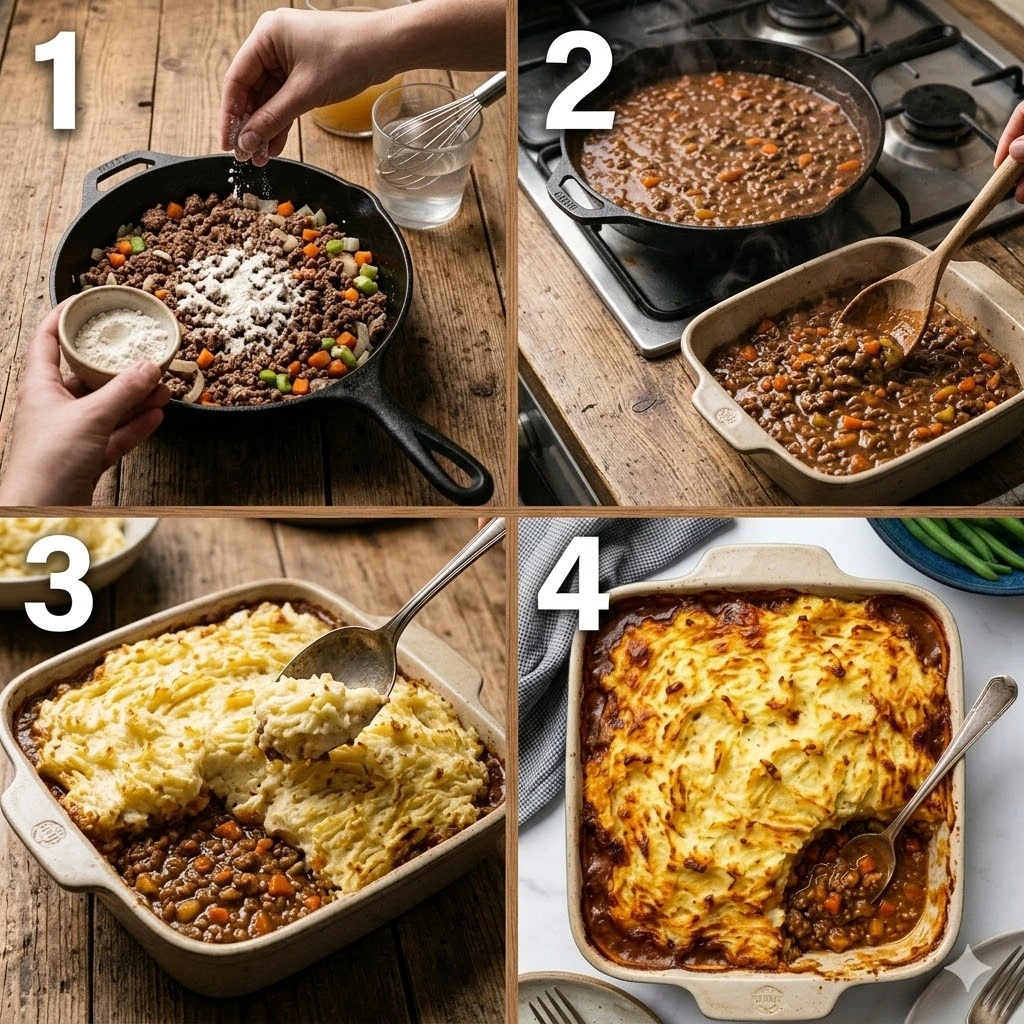
- Sprinkle the flour and dried herbs over the mixture. Stir vigorously to coat the meat and vegetables, cooking for 2 to 3 minutes to “cook out” the raw flour taste.
- Slowly pour in the beef stock, followed by the tomato puree and Worcester sauce.
- Season generously with sea salt and black pepper.
- Cover the pan and allow the mixture to simmer for 30 minutes. If the gravy isn’t thick and dark enough after this time, simmer for an additional 10 minutes uncovered.
- While the meat simmers, peel and chop your potatoes. Place them in a pot of cold water, bring to a boil, and cook for 15 to 20 minutes until tender.
- Drain the potatoes well and mash them with the salted butter and plenty of seasoning until smooth and creamy.
- Transfer the meat mixture into a large ovenproof dish. Carefully spread the mashed potato over the top, using a fork to create ridges and ruffles.
- Optional: Sprinkle grated cheese over the top if desired.
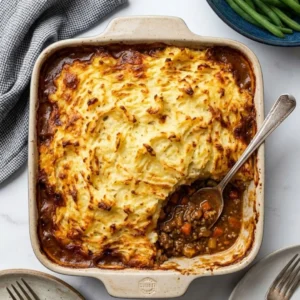
- Bake in the center of the oven for 25 to 30 minutes. The top should be golden brown and the meat sauce should be bubbling up at the edges.
- Ensure the pie is piping hot in the center before serving.
Mastering the Art of the Savory Meat Base
The heart of a Classic Cottage Pie lies in its base. Achieving a “deep brown and very tasty” gravy is a science as much as an art. When you brown the beef mince, you are looking for the Maillard reaction—that chemical process that gives browned food its distinctive flavor. Don’t be afraid of a little high heat at the start; if the meat merely steams in its own juices, you lose out on a layer of complexity.
Adding the “Holy Trinity” of aromatics—onion, carrot, and celery—is non-negotiable for a traditional depth of flavor. This combination, often called a mirepoix or soffritto, provides a sweet and earthy foundation that complements the beef. The addition of flour is a critical thickening step. By stirring the flour into the meat and fat before adding the liquid, you create a roux-like consistency that prevents the final sauce from being watery. This ensures that when you cut into the pie, the meat stays put rather than running all over the plate.
The simmering stage is where the magic happens. A full 30 minutes allows the collagen in the meat to break down and the flavors of the thyme and sage to permeate the sauce. The Worcester sauce acts as a secret weapon, providing acidity and umami that cuts through the richness of the beef. If you find your sauce is too thin, don’t rush it; the extra 10 minutes of simmering can transform a thin soup into a luxurious, glossy gravy.
Strategies for the Ultimate Potato Crust
The topping of a cottage pie is its crowning glory. To get the best results, the choice of potato is paramount. You want a “floury” potato rather than a “waxy” one. Floury potatoes have a higher starch content, which leads to a fluffier mash that absorbs the butter and seasoning more effectively. In the United Kingdom, varieties like Maris Piper or King Edward are the gold standard, while in the United States, a Russet potato provides a similar texture.
When mashing, the goal is a lump-free consistency that is still firm enough to sit atop the meat without sinking. A common mistake is adding too much liquid (like milk or cream) to the mash. For this specific dish, keeping the mash slightly stiffer with just butter helps it “float” on the meat.
The fork-ruffling technique is more than just an aesthetic choice. By creating a high surface area of “peaks and valleys” with a fork, you create more edges that can crisp up under the heat of the oven. These little ridges become crunchy, toasted bits of potato that provide a wonderful textural contrast to the soft meat below. If you want to take it a step further, the addition of a sharp cheddar cheese creates a “gratin” effect that is nearly impossible to resist.
Intelligent Modifications and Ingredient Substitutions
While this recipe is a steadfast classic, it is also incredibly versatile. Understanding how to swap ingredients without compromising the integrity of the dish is key for any home cook.
- The Meat Swap: If you use ground lamb instead of beef, you have officially transitioned from a Cottage Pie to a Shepherd’s Pie. The process remains identical, though lamb pairs particularly well with rosemary.
- Gluten-Free Adaptations: To make this dish safe for those with gluten sensitivities, simply replace the plain flour with cornflour (known as corn starch in the United States). Be sure to double-check that your beef stock cubes and Worcester sauce are certified gluten-free, as these can often contain hidden wheat products.
- Vegetable Enhancements: This is a fantastic “clear out the fridge” meal. You can easily stir in frozen peas, diced swede (rutabaga), or leeks during the simmering stage. If you have leftover red wine, replacing a small splash of the stock with wine adds a sophisticated French-inspired depth to the gravy.
- The “Cheat” Base: If you are short on time, many grocery stores sell pre-chopped “soffritto” or “mirepoix” mixes in the frozen section. Using these can shave 10 minutes off your prep time without sacrificing the essential vegetable base.
Advanced Make-Ahead and Storage Solutions
Cottage pie is perhaps the world’s most freezer-friendly meal. Because the flavors actually improve as they sit, it is a prime candidate for batch cooking.
Refrigeration Guidelines
You can assemble the entire pie up to the point of baking and store it in the refrigerator for up to 48 hours. This makes it a perfect Sunday prep item for a Tuesday night dinner. When you are ready to eat, simply pop it in the oven. Note that if the dish is cold from the fridge, you may need to add 5 to 10 minutes to the total baking time to ensure the center is bubbling.
Freezing and Defrosting
To freeze, allow the assembled pie to cool completely to room temperature. Cover it tightly with a layer of plastic wrap followed by a layer of heavy-duty aluminum foil to prevent freezer burn. It will stay fresh for up to one month. For the best results, defrost the pie in the refrigerator overnight before baking.
Cooking from Frozen
If you forget to take the pie out of the freezer, you can cook it from frozen, though it requires a lower and slower approach to prevent the top from burning while the middle remains icy. Bake at 160 Celsius (320 Fahrenheit) for approximately 60 to 80 minutes. While convenient, defrosting first is recommended to maintain the moisture levels of the meat sauce.
Accompaniments and Creative Serving Ideas
While a cottage pie is a complete meal in itself—containing protein, carbohydrates, and vegetables—adding a side dish can elevate the dining experience.
- Green Vegetables: To cut through the richness, serve with steamed seasonal greens. Broccoli, savoy cabbage, or buttered peas are traditional favorites.
- Extra Gravy: Even though the pie has its own built-in sauce, many British households serve an extra boat of beef gravy on the side for pouring over the mash.
- The Condiment Factor: A dollop of English mustard or a splash of extra Worcester sauce at the table can brighten the flavors.
- Individual Servings: Instead of one large family dish, try assembling the pies in individual ramekins. This is particularly useful for portion control or for a more “gastro-pub” presentation when hosting guests.
Deep-Dive Frequently Asked Questions
Why does my mashed potato sink into the meat filling?
This usually happens for two reasons: either the meat sauce is too thin/watery, or the mash is placed on the meat while the meat is still very hot and bubbling. To prevent this, ensure your gravy has thickened significantly during the simmering stage. If you have time, let the meat mixture cool slightly in the baking dish before spreading the potato on top. This creates a firmer “shelf” for the potato to sit on.
What is the best type of baking dish to use?
For this recipe, a 20 x 30 centimeter ovenproof ceramic or glass dish is ideal. If you are planning to freeze the meal and don’t want to tie up your favorite ceramic baker, you can use disposable foil trays. These are excellent for heat conduction and make cleanup a breeze.
Can I make this recipe vegetarian or vegan?
Absolutely. You can substitute the beef mince with a plant-based “meat-free” mince or cooked brown lentils. When making the mash, use a vegan butter substitute and ensure your Worcester sauce is a vegan-friendly version (as the traditional recipe contains anchovies).
My sauce isn’t turning that deep brown color, what did I do wrong?
The color comes from three sources: the browning of the meat at the start, the tomato puree, and the beef stock. If your sauce looks pale, try adding another teaspoon of tomato puree or a dash more Worcester sauce. Ensuring your beef stock is concentrated enough also helps achieve that classic dark mahogany hue.
Can I use leftover mashed potatoes?
Yes, using leftover mash is a great way to reduce food waste. If the leftover mash is very cold and stiff, you might want to stir in a tiny bit of melted butter to make it spreadable again before topping your pie.
A Final Word on This British Classic
Bringing a Classic Cottage Pie to the table is about more than just sustenance; it is about providing a sense of security and warmth. This recipe, with its focused ingredients and traditional methods, honors the history of the dish while remaining practical for the modern kitchen. By taking the time to properly brown your beef and ruffling your potato topping to perfection, you create a meal that is far greater than the sum of its humble parts. We hope this becomes a recurring favorite in your household, bringing joy and comfort to your family for years to come.
Nutritional Information
| Nutrient | Amount per Serving |
| Calories | 502 kilocalories |
| Total Carbohydrates | 55 grams |
| Protein | 35 grams |
| Total Fat | 16 grams |
| Saturated Fat | 7 grams |
| Polyunsaturated Fat | 1 gram |
| Monounsaturated Fat | 7 grams |
| Trans Fat | 1 gram |
| Cholesterol | 93 milligrams |
| Sodium | 530 milligrams |
| Potassium | 1972 milligrams |
| Dietary Fiber | 7 grams |
| Sugars | 7 grams |
| Vitamin A | 5343 International Units |
| Vitamin C | 55 milligrams |
| Calcium | 86 milligrams |
| Iron | 6 milligrams |
Disclaimer
Nutrition Approximation
The nutritional values provided are automatically calculated and should be viewed as an approximation. Factors such as specific brand choices and minor variations in ingredient measurements can alter the final nutritional profile. Please consult a professional if you have specific dietary requirements.
Classic Cottage Pie
Ingredients
- 1 tbsp Olive oil
- 500 g Beef mince (5 percent fat)
- 1 Large onion, chopped
- 2 Carrots, finely chopped
- 2 sticks Celery, finely chopped
- 1 tbsp Plain flour (all-purpose)
- 1 tsp Dried thyme
- 1 tsp Dried sage
- 500 ml Beef stock
- 2 tbsp Tomato puree
- 2 tbsp Worcester sauce
- Sea salt and freshly ground black pepper, to taste
- 1 kg White potatoes (Maris Piper or King Edward)
- 2 tbsp Salted butter
Instructions
- Preheat your oven to 180 Celsius (350 Fahrenheit) or Gas mark 6. Heat olive oil in a large, heavy-bottomed pan.
- Add the beef mince to the pan and fry for 5 minutes on high heat until browned all over.
- Incorporate the chopped onion, carrots, and celery. Fry for a further 10 minutes until the vegetables have softened.
- Stir in the flour, dried thyme, and dried sage. Cook for 2-3 minutes to coat the ingredients and cook out the raw flour taste.
- Pour in the beef stock, tomato puree, and Worcester sauce. Season generously with salt and pepper, then cover and simmer for 30 minutes.
- While meat simmers, boil peeled and chopped potatoes for 15-20 minutes. Drain and mash with butter, salt, and pepper until fluffy.
- Transfer meat filling to an ovenproof dish. Spread mash on top and ruffle with a fork to create crispy edges.
- Bake for 25-30 minutes until the potato is golden and the filling is bubbling. Serve hot.
Notes
Equipment
- Large heavy-bottomed pan
- Large ovenproof baking dish (20x30cm)
- Potato Masher
- Large saucepan for boiling potatoes
- wooden spoon
- Fork for ruffling topping