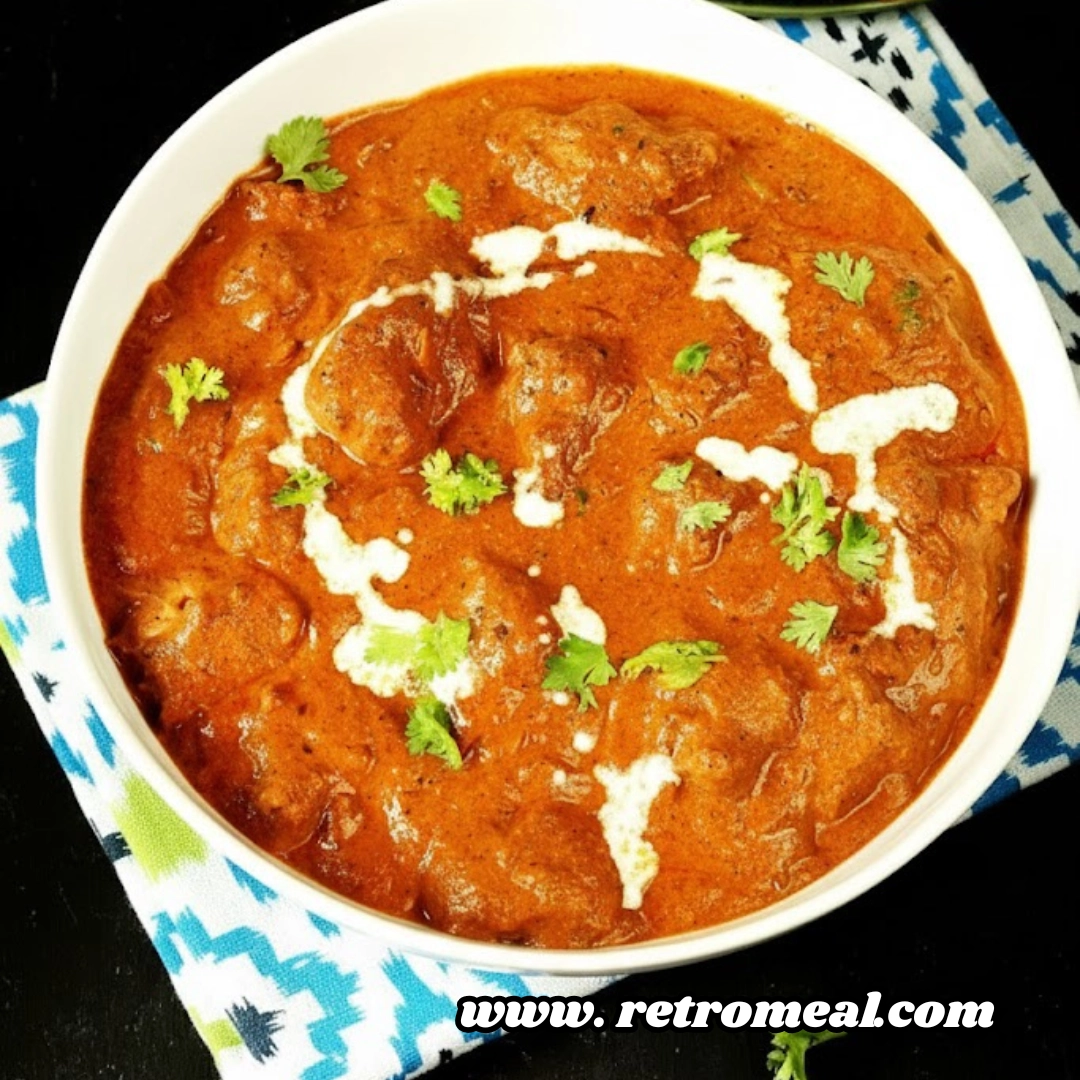
There is perhaps no dish that captures the essence of global fusion quite like a perfectly executed Chicken Tikka Masala. It is a masterpiece of culinary balance, featuring succulent, char-grilled morsels of chicken bathed in a vibrant, orange-hued gravy that sings with aromatic spices and velvety cream. Whether you are a fan of the traditional Indian preparations or the lush, tomato-heavy British variations, this recipe is designed to bring that high-end restaurant quality directly into your home kitchen. This is a meal that promises to satisfy every craving for comfort, heat, and sophisticated flavor profiles.
In this comprehensive guide, we will walk through the meticulous process of marinating, grilling, and simmering to ensure your chicken remains tender while the sauce reaches its peak aromatic potential. By the time you serve this over a bed of fluffy basmati rice, you will realize why this remains one of the most beloved dishes across the globe.
Table of Contents
Ingredients
For the Chicken Marinade
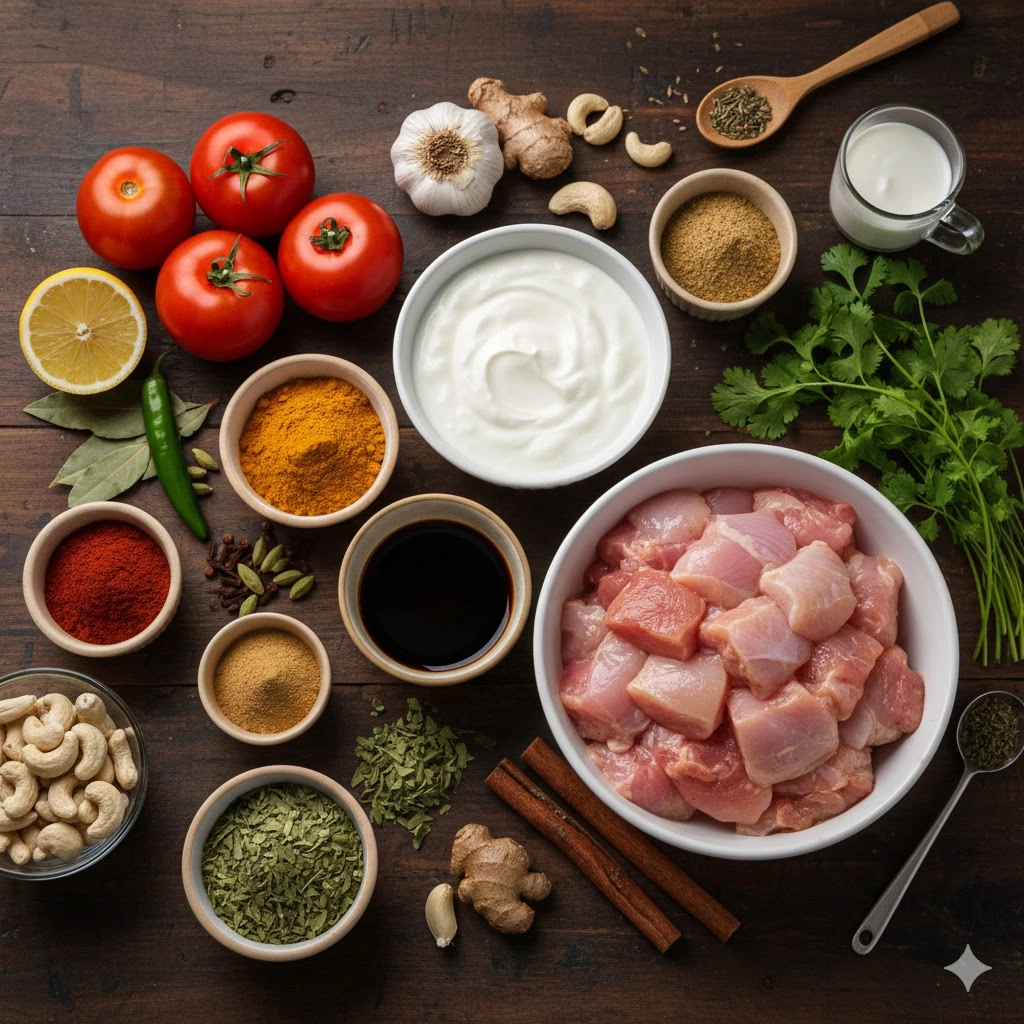
- 1.5 pounds (700 grams) chicken boneless (Preferably thighs, or breasts)
- 1/2 cup (120 ml) Greek yogurt (hung curd)
- 1/2 to 1 teaspoon Kashmiri red chili powder
- 1 teaspoon garam masal
- 1/4 teaspoon turmeric
- 1 teaspoon coriander powder
- 1/2 teaspoon cumin powder
- 1/2 teaspoon salt
- 1 tablespoon lemon juice
- 1 tablespoon kasuri methi (dried fenugreek leaves)
- 1 tablespoon ginger garlic paste (or 3/4 tablespoon grated ginger plus 3/4 tablespoon grated garlic)
- 1 tablespoon oil (mustard oil is preferred for authenticity)
For the Tikka Masala Sauce
- 3 tablespoons oil or ghee
- 1.5 cups (150 grams) onions (finely chopped)
- 1 green chili (optional for heat)
- 1 teaspoon salt
- 1 tablespoon ginger garlic paste
- 1/2 to 1 teaspoon Kashmiri red chili powder
- 2 teaspoons garam masala
- 1 tablespoon coriander powder
- 1 to 1.5 teaspoons cumin powder
- 1 to 2 teaspoons sugar
- 1.1 pounds (500 grams) tomatoes (pureed/chopped or 10 ounces tomato puree/passata)
- 1 cup hot water (2 cups if using cashew cream)
- 1 tablespoon kasuri methi
- 1/2 cup heavy cream or whipping cream (or a paste made from 30 whole raw cashews)
For the Finishing Garnish
- 3 tablespoons heavy cream
- 3 tablespoons coriander leaves (finely chopped)
Instructions
Step 1: Prepare the Chicken Tikka Marinade
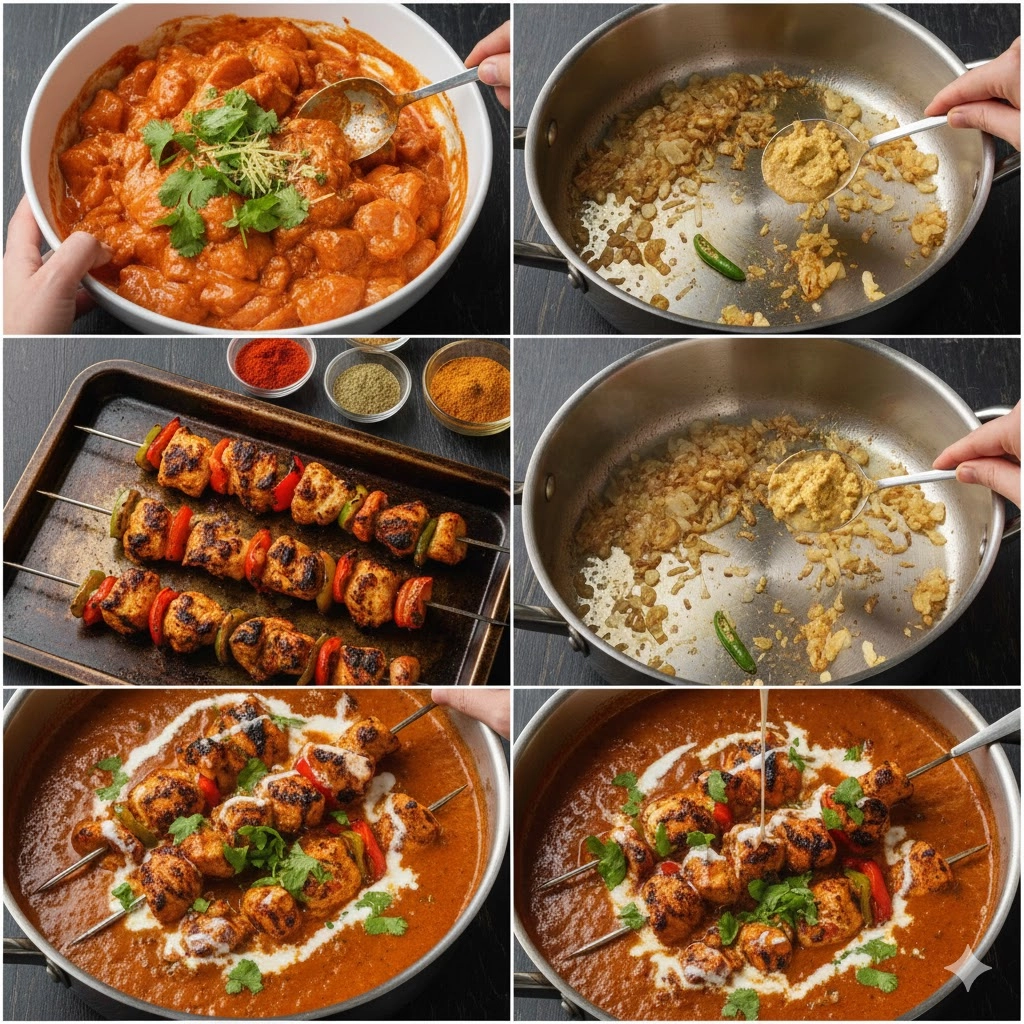
Begin by dicing your boneless chicken into uniform 1 to 1.5 inch pieces. In a large bowl, combine the chicken with the Greek yogurt, Kashmiri red chili powder, garam masala, turmeric, coriander powder, cumin powder, and salt. Add the lemon juice, oil, ginger garlic paste, and the crushed kasuri methi. Mix thoroughly until every piece of chicken is evenly coated. Cover the bowl with cling wrap and refrigerate for a minimum of 8 hours, though up to 48 hours is ideal for the best texture.
Step 2: Sauté the Aromatics
Heat 3 tablespoons of oil or ghee in a heavy-bottomed pot. Add the chopped onions and 1 teaspoon of salt. Sauté over medium heat until the onions reach a deep golden brown color. Add the green chili and ginger garlic paste, cooking for about 60 seconds until the raw smell disappears.
Step 3: Spice and Tomato Base
Lower the heat and stir in the Kashmiri red chili powder, coriander powder, garam masala, and cumin powder. Quickly add the pureed tomatoes or passata. Cook on medium-high heat, stirring frequently, until the moisture evaporates and the masala thickens significantly.
Step 4: Simmering the Gravy
Pour in 1 cup of hot water (use more if you plan to use cashews). Bring the mixture to a rolling boil, then cover and simmer on low heat for 12 to 14 minutes. If you desire a perfectly smooth restaurant-style sauce, let it cool slightly and blend it into a fine puree before returning it to the pot.
Step 5: Grilling the Chicken
While the sauce simmers, prepare the chicken. If using an oven, thread chicken onto skewers and bake at 460 degrees Fahrenheit for 9 to 10 minutes per side. To char, broil for an additional 2 minutes. Alternatively, air fry at 400 degrees Fahrenheit for 6 minutes per side, or sear in a hot skillet with 1 tablespoon of oil until charred on all sides.
Step 6: Final Assembly
Stir the sugar and 1/2 cup of heavy cream into the simmering sauce. Add the grilled chicken pieces and the remaining tablespoon of kasuri methi. Simmer together for 2 to 3 minutes until the chicken is tender and the flavors are melded. Adjust salt or sugar to your preference.
Step 7: Garnish and Serve
Turn off the heat. Drizzle the extra cream over the top and scatter the chopped coriander leaves. Serve immediately.
Step-by-Step Details and Deep Flavor Development
To achieve a Chicken Tikka Masala that rivals the best eateries in London or Delhi, one must pay close attention to the science of the marinade and the “bhuna” process of the sauce. The marinade serves two purposes: flavor infusion and tenderization. By using thick Greek yogurt, you create a coating that clings to the meat. The lactic acid in the yogurt gently breaks down the protein fibers, which is especially crucial if you are using chicken breasts, which tend to dry out. The inclusion of mustard oil in the marinade adds a pungent, smoky depth that mimics the atmosphere of a traditional clay tandoor.
When you move to the sauce, the browning of the onions is the most critical phase. You are looking for a deep caramelization, not just a translucent softening. This provides the foundational sweetness and color of the gravy. When adding the dry spices, the temperature must be low to prevent the delicate oils in the cumin and coriander from burning, which would result in a bitter aftertaste. The addition of tomatoes should be followed by a patient reduction. You know the base is ready when the oil begins to separate from the sides of the masala, a sign that the flavors have concentrated and the raw acidity of the tomatoes has been neutralized.
If you choose to use the cashew cream method instead of heavy cream, you are introducing a rich, nutty fat that provides a different kind of mouthfeel. Cashews contain natural starches that help thicken the sauce further, creating a glossy finish that beautifully coats the back of a spoon. Whether you grill your chicken in a modern air fryer or a traditional skillet, the goal is “char.” Those small blackened edges are where the smoky flavor lives, providing the perfect contrast to the sweet and creamy sauce.
Unique Culinary Insights
The secret to a truly “craveable” Tikka Masala lies in the quality of your spices and the choice of fat. Ghee, or clarified butter, has a higher smoke point than regular butter and provides a toasted, nutty aroma that oil simply cannot replicate. If you can find it, use Kashmiri red chili powder. It is prized for its vibrant red pigment but carries a very mild heat level, allowing you to achieve that iconic orange color without making the dish uncomfortably spicy for the average palate.
Another professional tip involves the use of “Kasuri Methi,” or dried fenugreek leaves. This herb is the “secret ingredient” in nearly all North Indian restaurant curries. Before adding it to the pot, rub the leaves between your palms to crush them. This friction releases the essential oils and immediately fills your kitchen with a maple-like, savory aroma that is the hallmark of an authentic masala. Furthermore, if your sauce feels too acidic after adding the tomatoes, a small pinch of sugar or a touch more cream can balance the pH levels perfectly.
Modifications and Substitutions
This recipe is remarkably versatile. If you prefer a dairy-free version, you can substitute the Greek yogurt in the marinade with a thick coconut yogurt and use full-fat coconut milk or the cashew cream mentioned in the ingredients list instead of heavy cream. For a vegetarian twist, the exact same marinade and sauce work beautifully with cubes of paneer or even roasted cauliflower florets.
For those who want to lean into the British style of this dish, you can use tomato passata and increase the amount of heavy cream to 1 full cup. This will yield a sweeter, smoother, and more liquid gravy. Conversely, for a more “Desi” or Indian home-style version, keep the onions slightly chunky, use fresh vine-ripened tomatoes, and add whole spices like a bay leaf, three or four green cardamoms, and a small cinnamon stick to the oil at the very beginning of the sauce-making process.
Accompaniments and Serving
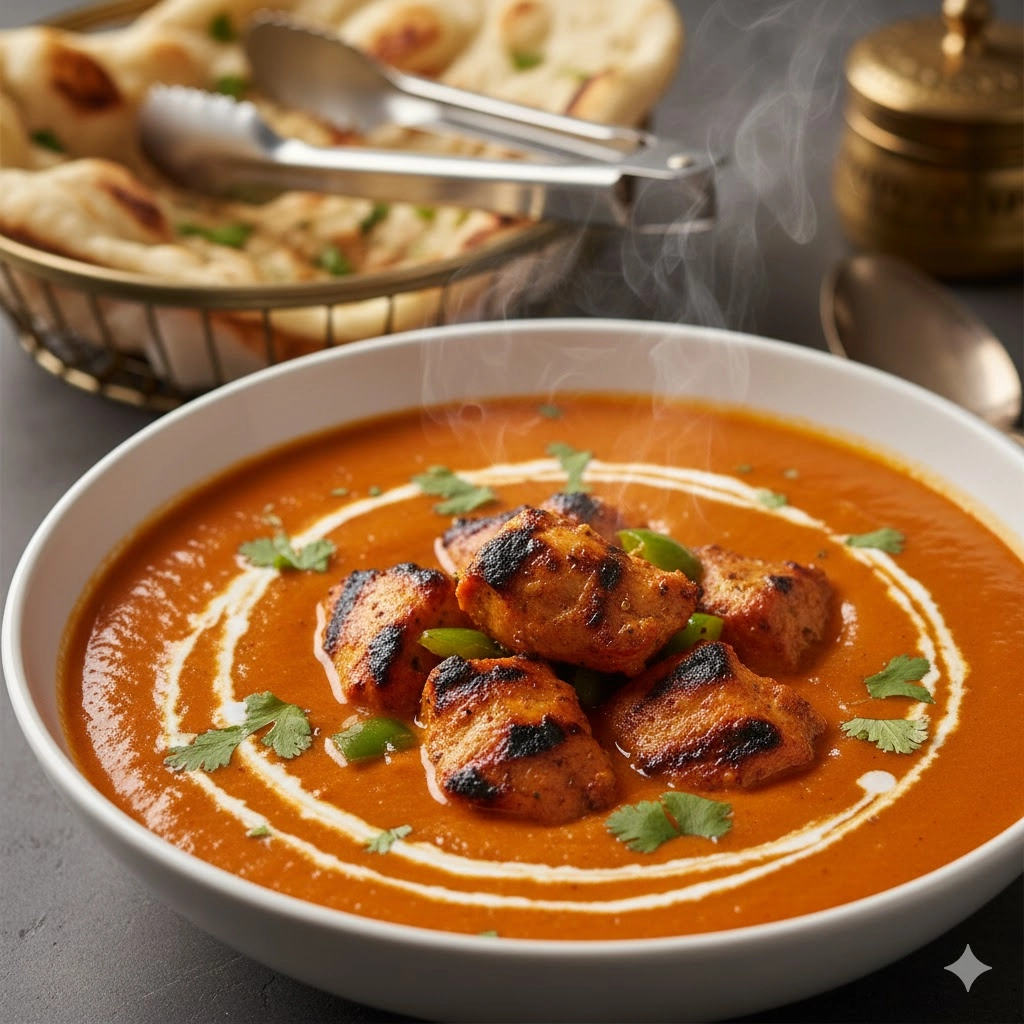
Chicken Tikka Masala is rarely eaten in isolation; it is part of a textural experience. The gold standard for serving is alongside warm, garlicky butter naan, which acts as the perfect vessel for scooping up the thick sauce. If you prefer rice, a long-grain Basmati rice, perhaps infused with a few cumin seeds (Jeera rice), provides a fragrant and neutral base that allows the complex spices of the chicken to shine.
To round out the meal, consider a fresh kachumber salad—a simple mix of diced cucumbers, tomatoes, and red onions with a squeeze of lime and a pinch of salt. The crunch and acidity of the salad provide a necessary palate cleanser between rich, creamy bites of the curry. A side of mango chutney or a cooling mint raita can also add layers of sweet and herbal notes to the dining experience.
Deep-Dive FAQ
Can I use chicken breast instead of chicken thighs?
Yes, you can certainly use chicken breast, though it requires more care to stay juicy. Because breast meat is leaner, it is highly recommended that you marinate it for the full 48 hours to allow the yogurt to tenderize the meat. When grilling, be careful not to overcook it; remove it from the heat as soon as it reaches an internal temperature of 165 degrees Fahrenheit to ensure it remains succulent when added to the sauce.
What is the best way to get a smoky flavor without a Tandoor?
The most effective home method is the “dhungar” technique. After the dish is finished, place a small metal bowl or a piece of aluminum foil on top of the curry. Heat a piece of natural charcoal until red hot and place it in the bowl. Pour half a teaspoon of ghee over the coal and immediately cover the pot with a tight lid for five minutes. The trapped smoke will infuse the entire dish with a deep, authentic charcoal aroma.
Why is my sauce too thin or too thick?
The consistency of the sauce depends heavily on the reduction of the tomatoes and the amount of water added. If your sauce is too thin, simmer it uncovered for a few extra minutes to allow moisture to evaporate. If it is too thick, stir in a few tablespoons of hot water or extra cream until you reach your desired silkiness. Remember that the sauce will thicken further as it cools.
Is it necessary to blend the sauce?
Blending is optional but recommended if you want that professional, velvety texture. If you prefer a more rustic, home-style “dhaba” feel, you can leave the onions and tomatoes as they are. However, if you are using canned tomatoes or passata, blending helps to emulsify the ingredients and creates a more cohesive flavor profile that masks the intense acidity of processed tomatoes.
A Perfect Culinary Conclusion
Mastering Chicken Tikka Masala is a rite of passage for any home cook who loves bold flavors. By following the steps of long-term marination and patient sauce reduction, you create a dish that is far superior to any takeout option. The combination of charred, smoky chicken and the rich, spiced tomato gravy is a testament to the beauty of slow cooking and spice blending. Whether you are hosting a dinner party or preparing a special weeknight meal, this recipe is guaranteed to impress and satisfy.
Nutrition Table
| Nutrient | Amount Per Serving |
| Calories | 483 |
| Total Fat | 38 grams |
| Saturated Fat | 12 grams |
| Cholesterol | 120 milligrams |
| Sodium | 728 milligrams |
| Total Carbohydrates | 10 grams |
| Dietary Fiber | 2 grams |
| Sugars | 6 grams |
| Protein | 26 grams |
| Vitamin A | 1482 International Units |
| Vitamin C | 20 milligrams |
Disclaimer
Nutrition information is provided as a courtesy and is an estimate only. Variations may occur based on specific ingredient brands or preparation methods used.
Authentic Restaurant-Style Chicken Tikka Masala
Ingredients
- 1.5 pounds boneless chicken thighs or breasts, cut into 1.5-inch cubes
- 0.5 cup Greek yogurt or hung curd
- 1 tsp Kashmiri red chili powder
- 1 tsp garam masala
- 0.25 tsp turmeric powder
- 1 tsp coriander powder
- 0.5 tsp cumin powder
- 0.5 tsp salt
- 1 tbsp lemon juice (omit if yogurt is sour)
- 1 tbsp kasuri methi (dried fenugreek leaves)
- 1 tbsp ginger garlic paste
- 1 tbsp mustard oil or neutral oil
- 3 tbsp ghee or oil
- 1.5 cups onions, finely chopped
- 1 green chili, slit
- 1 tbsp ginger garlic paste (for sauce)
- 1.1 pounds tomatoes, pureed or 10 oz passata
- 1 tsp sugar
- 0.5 cup heavy cream or thick cashew cream
- 1 cup hot water
- 3 tbsp fresh coriander leaves, chopped
Instructions
- Mix chicken with yogurt, spices, lemon juice, oil, and ginger garlic paste. Marinate for 8 to 48 hours in the refrigerator.
- Heat ghee in a pot. Saute onions with salt until deep golden brown. Add ginger garlic paste and green chili; saute until aromatic.
- Add chili powder, coriander powder, garam masala, and cumin powder. Stir quickly and add tomato puree. Cook until the masala thickens.
- Pour in hot water. Simmer covered for 12-14 minutes. Optional: Blend the sauce for a smoother texture.
- Grill marinated chicken on skewers at 460 degrees Fahrenheit for 10 minutes per side, or sear in a hot skillet until charred.
- Stir cream and sugar into the gravy. Add the grilled chicken and crushed kasuri methi.
- Simmer for 2-3 minutes until chicken is tender. Garnish with fresh coriander and a drizzle of cream.
Notes
Equipment
- Skewers (metal or soaked bamboo)
- heavy-bottomed pot
- Blender (optional) For smooth sauce
- Oven, Air Fryer, or Cast Iron Skillet