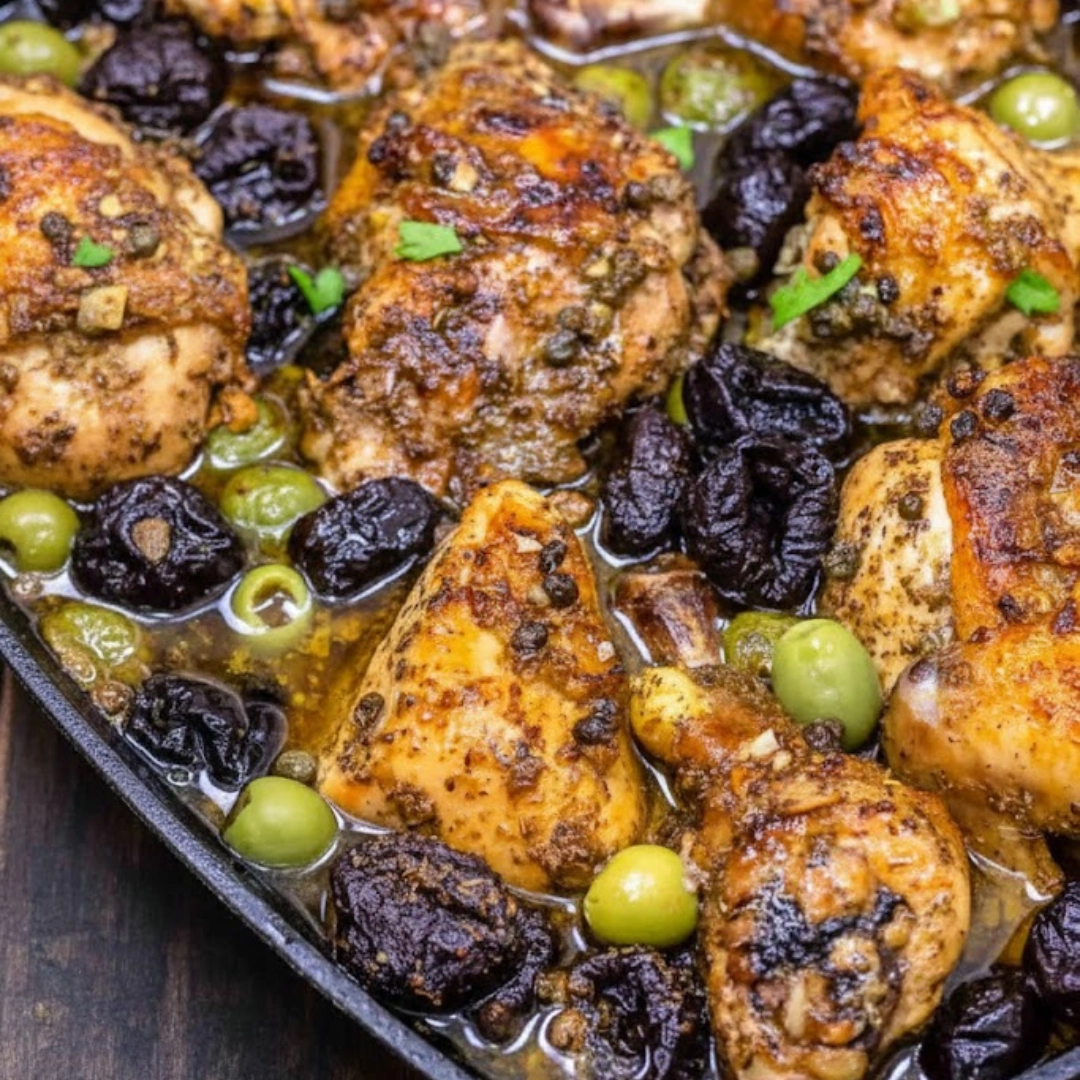
The kitchen is often a place of tradition, but few recipes carry the legendary status of Chicken Marbella. Originally rising to fame through the iconic Silver Palate Cookbook in the early eighties, this dish revolutionized how American home cooks viewed the marriage of sweet and savory. It is a masterpiece of contrast, bringing together the deep, jammy sweetness of dried fruit with the sharp, aggressive brine of olives and capers. Whether you are hosting an elegant dinner party or simply looking to elevate your weeknight rotation, this preparation offers a complex flavor profile that belies its simple assembly.
Table of Contents
Essential Ingredients for the Perfect Bake
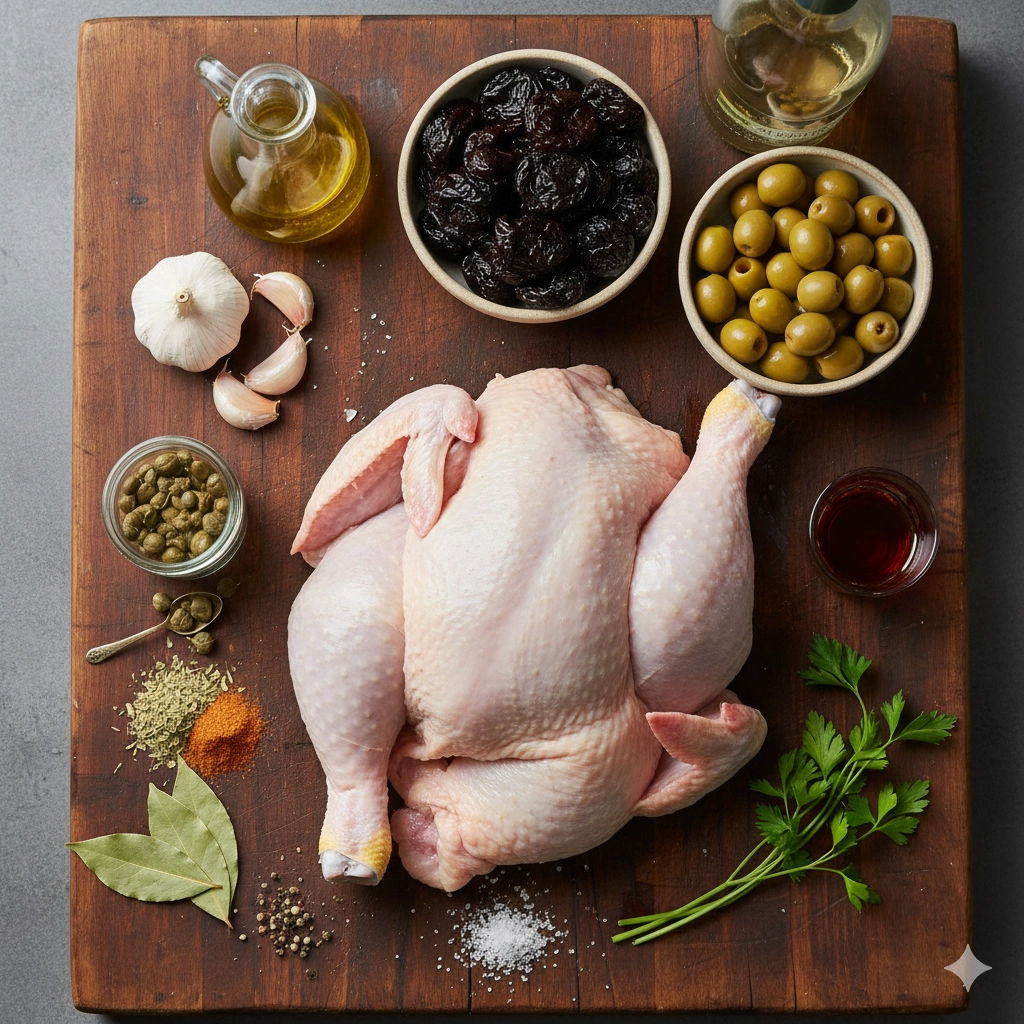
To achieve the signature depth of this dish, you must gather high-quality ingredients that balance acidity, salt, and sugar. This recipe focuses on a single bird, making it ideal for a family gathering while retaining the soul of the original crowd-pleaser.
- 1 whole chicken, cut into pieces
- 3 bay leaves
- 1 head of garlic, with all cloves peeled
- 1/2 cup pitted prunes
- 1/2 cup pitted Spanish green olives
- 1/4 cup capers, including a splash of the packing juice
- 1/4 cup red wine vinegar
- 1/4 cup Early Harvest Greek extra virgin olive oil
- 2 tablespoons dried oregano
- Kosher salt to taste
- Black pepper to taste
- 1/2 cup white wine
- 1/4 cup brown sugar
- 2 tablespoons chopped fresh parsley (optional for garnish)
Primary Preparation Instructions
Follow these steps carefully to ensure the meat is infused with flavor and the skin reaches the desired texture.
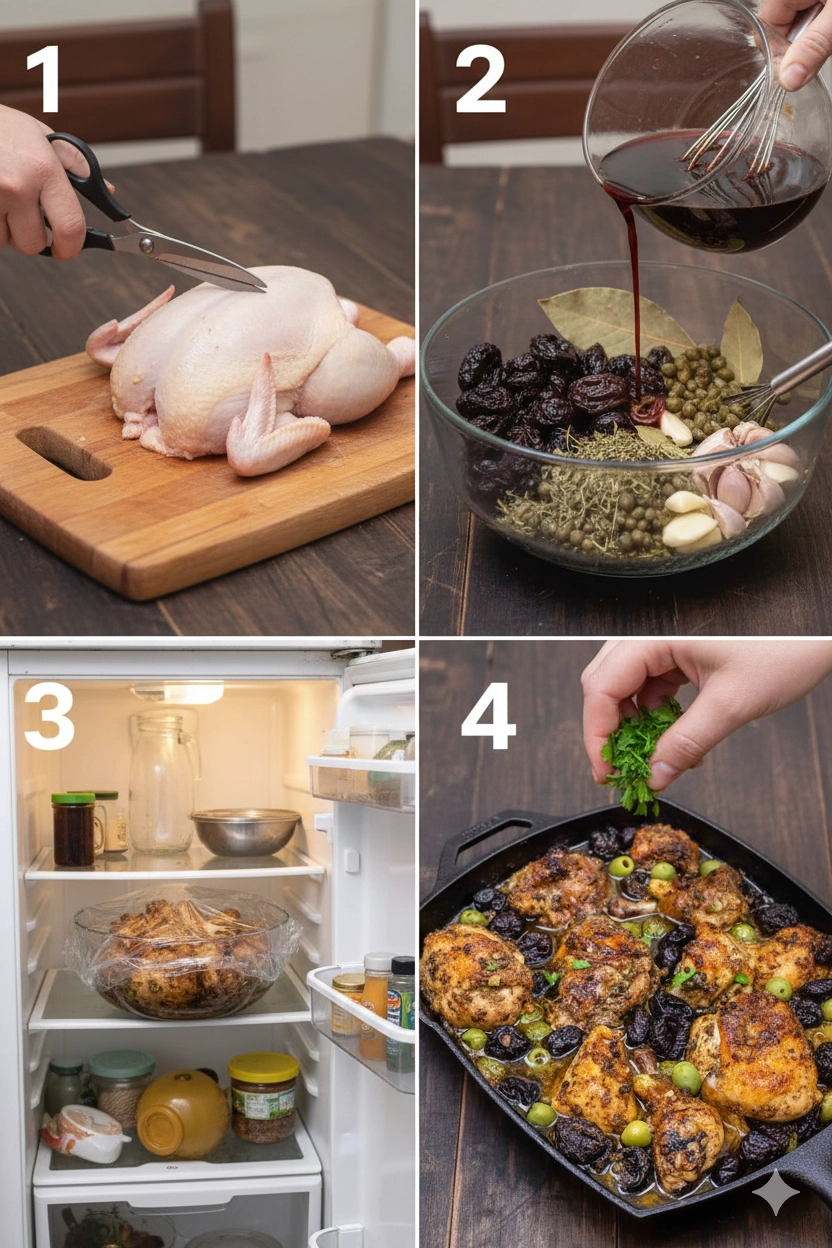
- Prepare the Poultry: Begin with a whole chicken. Using sharp kitchen shears, remove the backbone and press down firmly to flatten the bird. Disassemble into standard cuts: legs, thighs, wings, and breasts.
- Compose the Marinade: In a large mixing bowl, combine the bay leaves, whole peeled garlic cloves, prunes, Spanish green olives, capers with their juice, red wine vinegar, olive oil, dried oregano, salt, and pepper. Stir the mixture thoroughly.
- The Marinating Phase: Submerge the chicken pieces into the marinade, tossing to ensure every inch is coated. Lift the skin slightly to allow the herbs and vinegar to penetrate the flesh. Cover and refrigerate overnight for best results, or for a minimum of thirty minutes if time is limited.
- The Roasting Process: Preheat your oven to 350 degrees Fahrenheit. Arrange the chicken and every bit of the marinade into a large baking dish or oven-safe skillet, ensuring the pieces are not overlapping. Pour the white wine into the base of the dish and sprinkle the brown sugar evenly over the skin.
- Bake and Baste: Roast for 50 to 60 minutes. Periodically spoon the pan juices over the chicken to keep it moist and help the sugar caramelize.
- Rest and Reduce: Remove from the oven once the internal temperature reaches 165 degrees Fahrenheit. Move the chicken, olives, prunes, and capers to a serving platter.
- Final Sauce: Place the roasting pan on the stovetop over medium heat. Bring the liquid to a boil and simmer until reduced to approximately 1/2 cup. Strain and pour over the plated chicken, finishing with fresh parsley.
Achieving the Ultimate Savory and Sweet Balance
The magic of this dish lies in the chemistry between its contrasting components. The prunes, which may seem an unlikely candidate for a savory roast, act as the anchor. During the long marination and subsequent roasting, they soften and release natural sugars that mingle with the rendered chicken fat. This creates a thick, syrupy consistency that is cut sharply by the acetic punch of the red wine vinegar and the fermented saltiness of the capers.
When you allow the chicken to sit in the marinade overnight, the vinegar acts as a tenderizer, breaking down protein fibers while the oregano and garlic perfume the meat from the inside out. Using a whole head of garlic might seem excessive, but when roasted whole in the pan juices, the cloves lose their pungent bite and become buttery, mellow morsels that can be spread onto crusty bread or eaten whole alongside a piece of thigh meat.
Enhancing the Texture through Culinary Technique
While the flavor is paramount, the texture of the skin provides the necessary contrast to the tender meat. By sprinkling brown sugar directly onto the skin before it enters the oven, you are facilitating a process known as the Maillard reaction. At 350 degrees Fahrenheit, the sugar melts and fuses with the fats, creating a lacquer-like finish that is both sweet and deeply browned.
Basting is a non-negotiable step in this process. By spooning the wine and vinegar-heavy juices over the bird every twenty minutes, you prevent the sugar from burning while ensuring the breasts remain succulent. The final reduction of the sauce on the stovetop is what separates a good home cook from an expert. By boiling down the juices, you concentrate the flavors of the wine and the dissolved pan drippings, resulting in a velvet-like sauce that clings to the meat rather than puddling at the bottom of the plate.
Adaptations for Varied Palates
Though this recipe is a verified classic, there is room for minor adjustments depending on your pantry or dietary needs.
- Vinegar Alternatives: If red wine vinegar is unavailable, apple cider vinegar provides a fruity acidity that complements the prunes well. For a more sophisticated, darker flavor profile, balsamic vinegar can be used, though it will darken the overall appearance of the dish. Lemon juice is a viable option for those who prefer a brighter, citrus-forward tang.
- Sweetness Control: This version already reduces the sugar from the original 1982 proportions. However, if you are monitoring sugar intake, you can omit the brown sugar entirely. The prunes will still provide a significant amount of natural sweetness as they break down in the heat.
- Olive Variations: Spanish green olives are traditional for their firm texture and salty kick. If you prefer a more intense, wine-like olive flavor, Kalamata olives can be substituted, though they may color the sauce slightly.
Ideal Pairings and Service Suggestions
Because this dish is so rich and carries such a distinct flavor profile, it is best served with side dishes that can soak up the extra sauce without competing for attention.
- Grains: A simple bed of basmati rice or a fluffy rice pilaf is the gold standard. The grains act as a neutral canvas for the potent sauce. Toasted pearl couscous is another excellent Mediterranean-inspired choice.
- Vegetables: For those looking for lighter options, roasted cauliflower rice or herby boiled potatoes work beautifully. The potatoes, in particular, benefit from being crushed slightly on the plate to absorb the reduction.
- Bread: A warm, crusty baguette or sourdough loaf is essential for cleaning up the remaining olives, capers, and sauce.
- Salad: A crisp lettuce salad with a light Parmesan vinaigrette provides a refreshing crunch that cleanses the palate between bites of the rich, roasted chicken.
Navigating Common Kitchen Inquiries
Can I prepare this dish using only chicken breasts?
While the original recipe utilizes a whole cut-up chicken to maximize the variety of textures and flavors, you can certainly use specific cuts. If using boneless breasts, be mindful that they cook much faster than thighs or legs. It is recommended to keep the skin on to prevent the meat from drying out and to provide a surface for the brown sugar to caramelize.
Is it possible to freeze this recipe for later use?
You can freeze the chicken while it is in the marinade. Placing the raw chicken and the marinade components in a heavy-duty freezer bag allows the flavors to penetrate as the meat thaws. However, it is not recommended to freeze the dish after it has been fully cooked, as the texture of the prunes and the delicate emulsion of the sauce may degrade upon reheating.
How do I handle the garlic cloves for the best flavor?
The recipe calls for a full head of garlic, peeled. You should separate the head into individual cloves and remove the papery skin from each. Leave the cloves whole during the roasting process. This allows them to confit in the oil and juices, turning them into soft, sweet additions rather than sharp aromatics.
What should I do if my sauce doesn’t thicken during the reduction?
If your sauce remains too thin after boiling, continue to simmer it over medium-high heat. The goal is to evaporate the water content from the wine and vinegar. If you find yourself with too much liquid, you can remove the chicken and solids and increase the heat, but typically, a five-minute vigorous boil is sufficient to reach the desired 1/2 cup volume.
Managing Leftovers and Optimal Reheating
Leftover Chicken Marbella is often considered better the following day as the spices continue to meld. To store, place the chicken and all remaining sauce, olives, and fruit into an airtight container and refrigerate for up to four days.
When reheating, avoid the microwave if possible, as it can turn the chicken rubbery. Instead, place the chicken and sauce in a skillet over medium heat. Cover the pan to trap steam, which helps keep the meat moist, and warm it until the sauce is bubbling and the chicken is heated through. If the sauce has thickened too much in the fridge, add a small splash of water or white wine to loosen it up.
Final Thoughts on this Mediterranean Staple
This iteration of Chicken Marbella honors the spirit of the Mediterranean while making the dish accessible for the modern kitchen. By balancing the aggressive brine of Spanish olives and capers with the deep sweetness of prunes and a hint of brown sugar, you create a meal that feels both nostalgic and sophisticated. It is a testament to how simple ingredients, when treated with the right techniques and given enough time to marinate, can transform into something truly extraordinary.
Nutritional Overview
| Nutrient | Amount per Serving |
| Calories | 459.3 |
| Total Fat | 30 grams |
| Saturated Fat | 7 grams |
| Cholesterol | 95.2 milligrams |
| Sodium | 471.9 milligrams |
| Total Carbohydrates | 19.8 grams |
| Dietary Fiber | 1.7 grams |
| Sugars | 14.7 grams |
| Protein | 24.3 grams |
Safety Disclosure
Consuming raw or undercooked meats, poultry, seafood, shellfish, or eggs may increase your risk of foodborne illness. Always ensure the internal temperature of the chicken reaches 165 degrees Fahrenheit as measured by a meat thermometer.
Classic Chicken Marbella
Ingredients
- 1 whole chicken, cut into pieces
- 3 bay leaves
- 1 head garlic, cloves peeled
- 0.5 cup pitted prunes
- 0.5 cup pitted Spanish green olives
- 0.25 cup capers, with a little juice
- 0.25 cup red wine vinegar
- 0.25 cup extra virgin olive oil
- 2 tbsp dried oregano
- Kosher salt, to taste
- Black pepper, to taste
- 0.5 cup dry white wine
- 0.25 cup brown sugar
- 2 tbsp fresh parsley, chopped
Instructions
- Using sharp kitchen scissors, remove the backbone of the chicken and cut into standard pieces (legs, thighs, wings, breasts).
- In a large bowl, whisk together the bay leaves, garlic cloves, prunes, olives, capers (with juice), vinegar, olive oil, oregano, salt, and pepper.
- Add the chicken pieces to the bowl and toss thoroughly to coat. Lift the skin to ensure the marinade reaches the meat. Cover and refrigerate for 30 minutes to overnight.
- Preheat your oven to 350 degrees Fahrenheit. Arrange the chicken and all marinade contents into a large baking dish in a single layer.
- Pour the white wine into the base of the dish and sprinkle the brown sugar evenly over the chicken skin.
- Roast for 50 to 60 minutes, basting with pan juices occasionally, until the skin is golden brown and the internal temperature is 165 degrees Fahrenheit.
- Transfer the chicken, prunes, and olives to a platter. Pour the pan juices into a skillet and boil over medium heat until reduced to 1/2 cup.
- Pour the reduced sauce over the chicken and garnish with fresh chopped parsley before serving.
Notes
Equipment
- Sharp kitchen scissors or shears
- large mixing bowl
- 9×13 inch baking dish or oven-safe skillet
- meat thermometer
- Small saucepan or skillet (for sauce reduction)