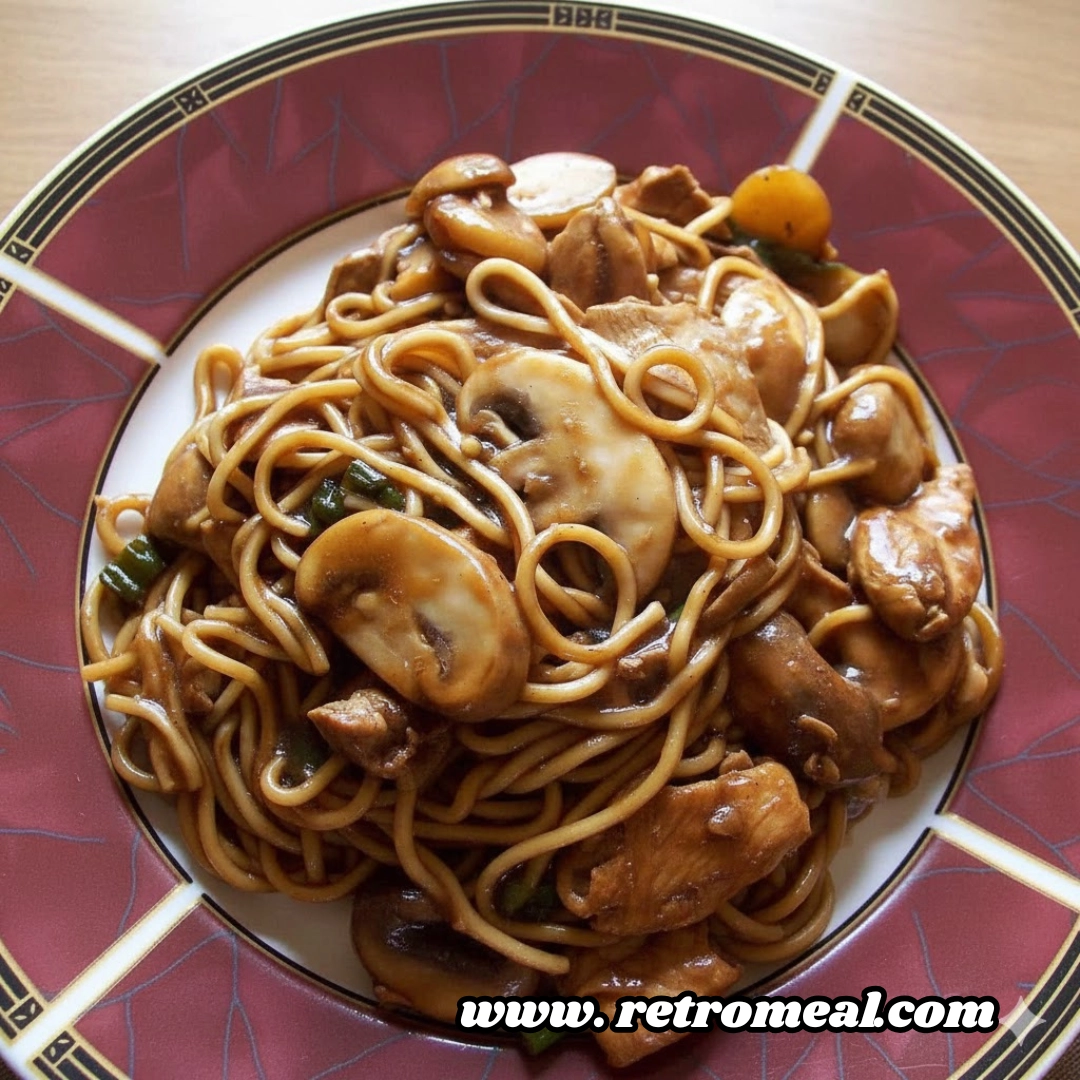
The aroma of a sizzling wok and the perfect balance of salty, sweet, and umami flavors define the classic Chinese takeout experience. However, there is something uniquely satisfying about crafting a restaurant-quality chicken lo mein in your own kitchen. This recipe transforms simple ingredients like chicken breast, ginger, and soy sauce into a decadent, noodle-heavy masterpiece that rivals your favorite local spot. By focusing on traditional techniques like marinating for tenderness and high-heat stir-frying, you can achieve a depth of flavor that is often missing from quick home-cooked meals.
Table of Contents
Ingredients for a Perfect Stir-Fry
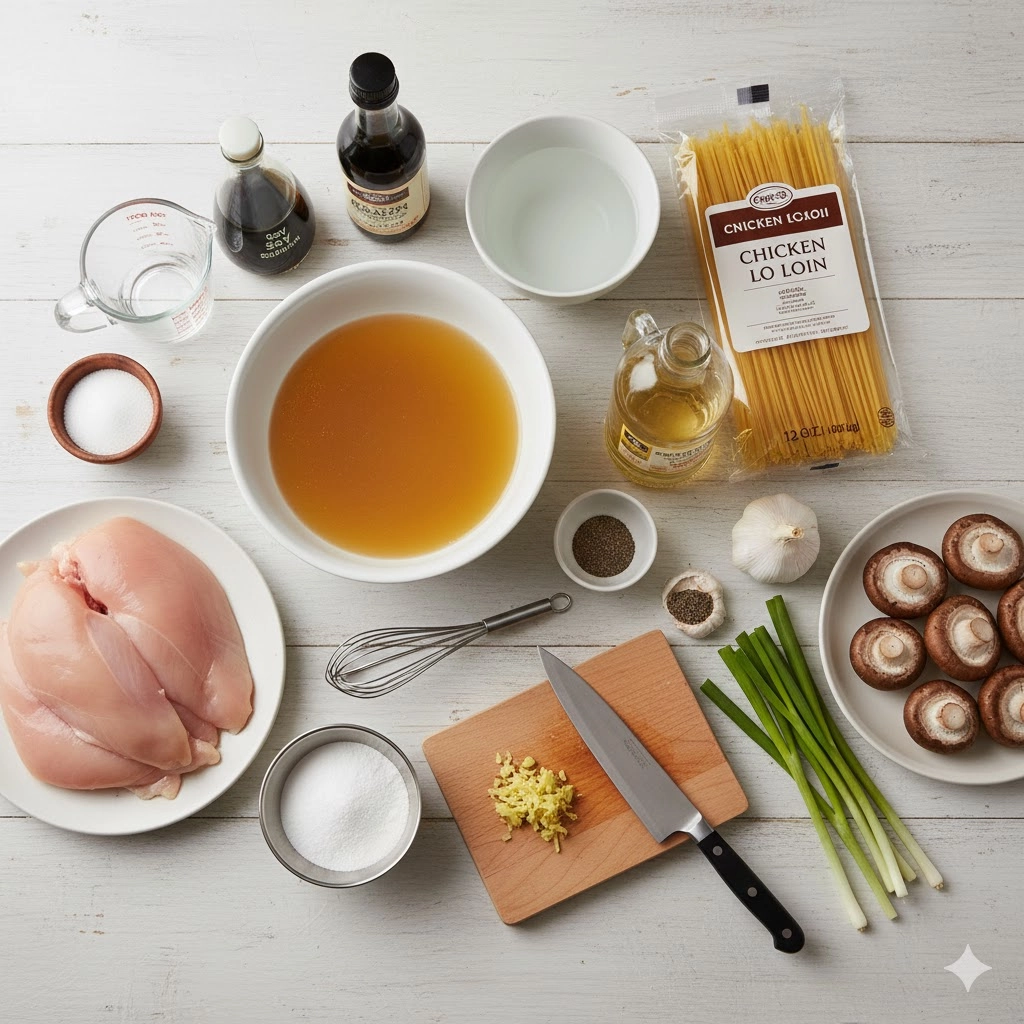
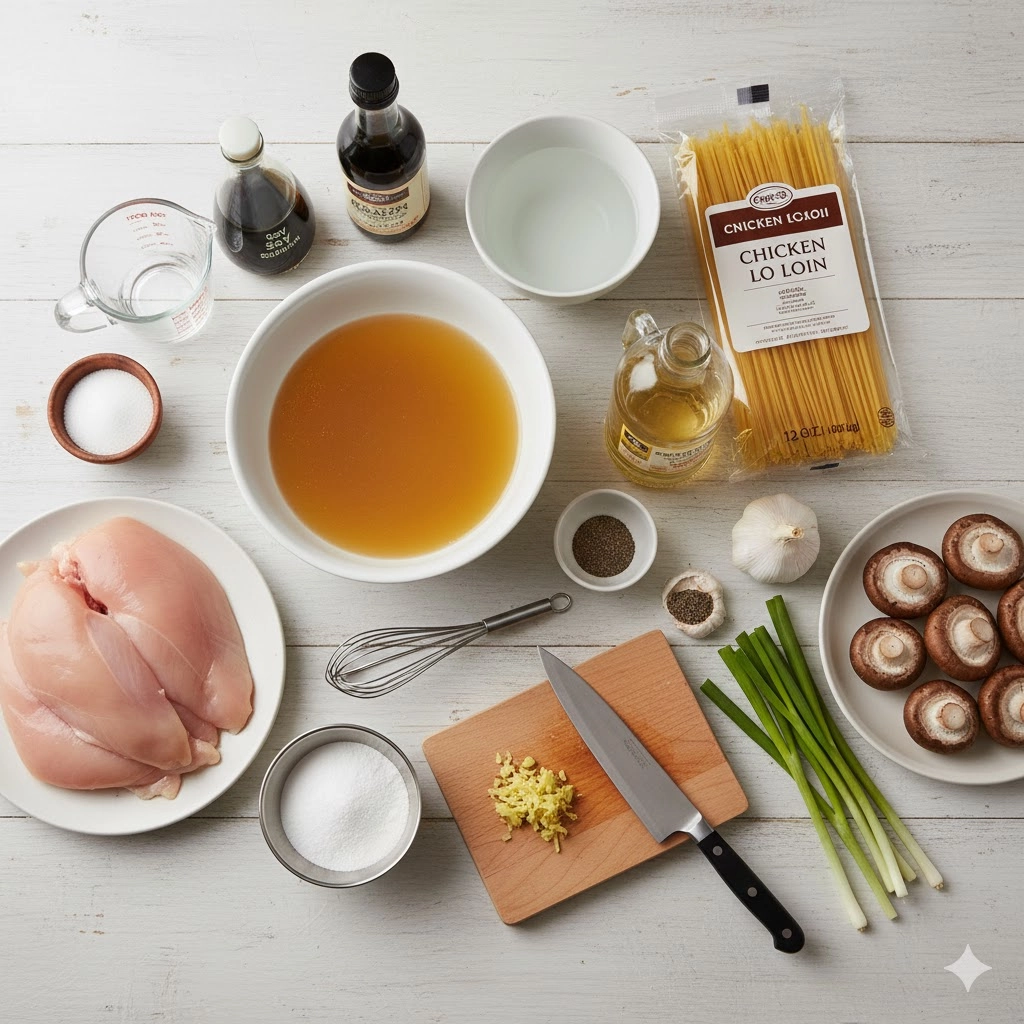
Gathering high-quality ingredients is the first step toward a successful dinner. This recipe yields four generous servings and relies on a blend of fresh aromatics and pantry staples.
- 4 skinless, boneless chicken breast halves, cut into thin, uniform strips
- 5 teaspoons white sugar, divided for the marinade and the sauce
- 3 tablespoons rice wine vinegar, divided
- One half cup soy sauce, divided
- 1 and one quarter cups chicken broth
- 1 cup water
- 1 tablespoon sesame oil
- One half teaspoon ground black pepper
- 2 tablespoons cornstarch
- 1 package (12 ounces) uncooked linguine pasta
- 2 tablespoons vegetable oil, divided
- 2 tablespoons minced fresh ginger root
- 1 tablespoon minced garlic
- One half pound fresh shiitake mushrooms, stemmed and sliced
- 6 green onions, sliced diagonally into half inch pieces
Essential Kitchen Instructions
Following the correct sequence is vital for ensuring the chicken remains juicy and the sauce achieves the perfect glossy coating over the noodles.
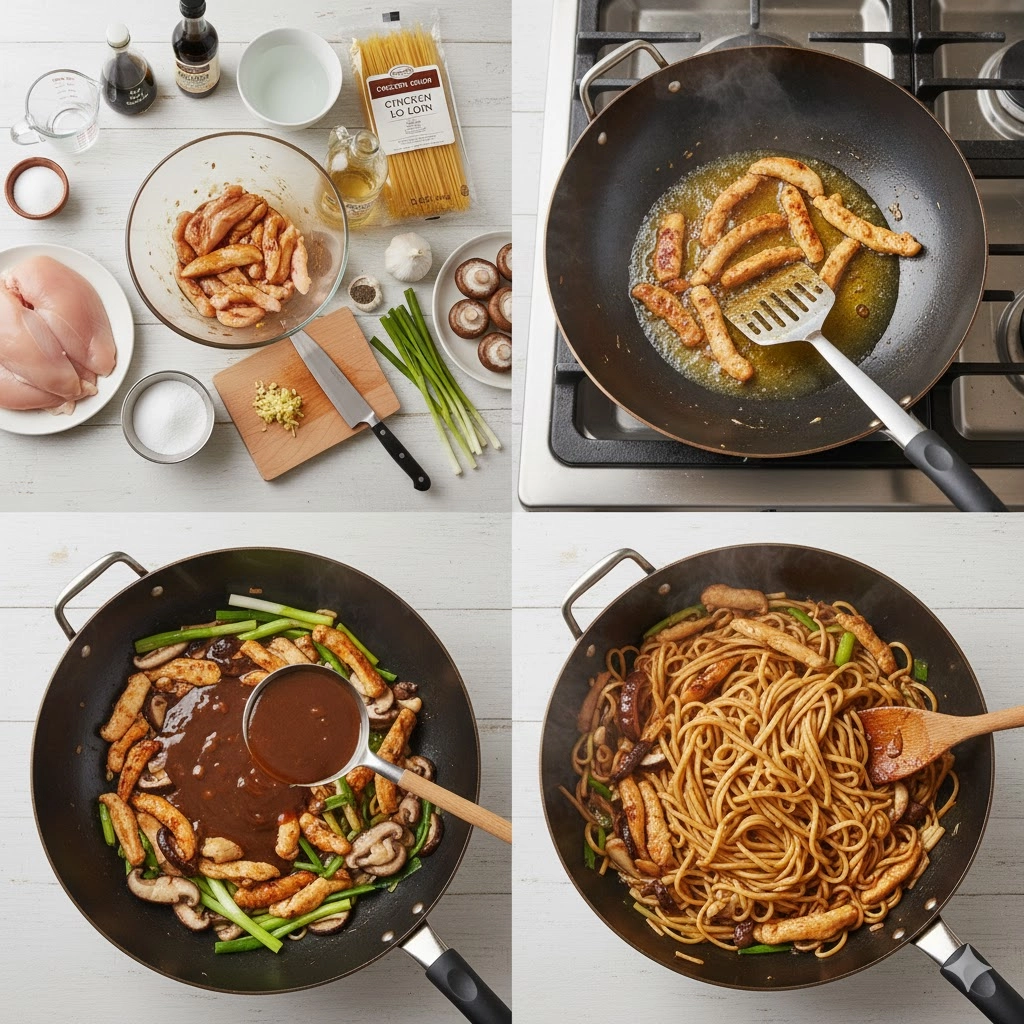
- Marinate the Protein: In a medium, non-reactive bowl, combine the thin chicken strips with 2 and one half teaspoons of white sugar, 1 and one half tablespoons of rice wine vinegar, and one quarter cup of soy sauce. Stir the mixture thoroughly to ensure every piece of chicken is well-coated. Cover the bowl and let it marinate in the refrigerator for at least 1 hour to allow the flavors to penetrate the meat.
- Prepare the Savory Liquid Base: In a separate medium bowl, whisk together the chicken broth, water, sesame oil, and ground black pepper. Add the remaining sugar, rice wine vinegar, and soy sauce. In a small bowl, take a small portion of this liquid and use it to dissolve the 2 tablespoons of cornstarch, stirring until no lumps remain. Slowly pour the cornstarch slurry back into the main sauce mixture, stirring constantly. Set this aside for later use.
- Boil the Pasta: Cook the 12 ounce package of linguine according to the package directions until al dente. Drain the noodles and set them aside.
- Sear the Chicken: Place a wok or large saucepan over high heat and add 1 tablespoon of vegetable oil. Wait until the oil begins to smoke slightly. Add the marinated chicken strips and stir-fry for 4 to 5 minutes. The goal is to achieve a nice brown sear while ensuring the chicken is cooked through. Once finished, transfer the chicken and all its juices to a warm plate.
- Sauté the Aromatics and Vegetables: Return the wok to high heat and add the remaining tablespoon of vegetable oil. Toss in the minced ginger, garlic, sliced shiitake mushrooms, and green onions. Stir-fry these for only about 30 seconds to release their fragrance without burning the garlic.
- Simmer and Combine: Pour the reserved sauce mixture into the wok along with the cooked chicken. Bring the mixture to a simmer, stirring regularly. After about 2 minutes, the sauce will begin to thicken and turn glossy.
- The Final Toss: Add the cooked linguine noodles to the wok. Use tongs or a large spatula to toss everything gently but thoroughly, ensuring every strand of pasta is coated in the thickened savory sauce. Serve immediately.
Mastering the Art of the Wok
To elevate this chicken lo mein from a standard meal to a culinary event, you must understand the science of the stir-fry. High heat is your best friend in this process. When the oil reaches its smoking point, it triggers the Maillard reaction, which is responsible for the browned, savory crust on the chicken. If your pan is not hot enough, the chicken will steam in its own juices rather than sear, leading to a tougher texture.
The use of shiitake mushrooms is another deliberate choice for depth. Shiitakes contain high levels of natural glutamates, which provide that “fifth taste” or umami. When they hit the hot oil alongside the ginger and garlic, they create a flavor foundation that carries through the entire dish. Furthermore, using a non-reactive bowl for the marinade is crucial because the rice wine vinegar is acidic. Using a metal bowl that is not stainless steel could result in a metallic aftertaste in your delicate chicken.
Navigating Modifications and Ingredient Swaps
While the original recipe is designed for a classic profile, kitchen flexibility is always an asset. If you find yourself without certain items, here is how to adapt without losing the spirit of the dish.
Alternative Proteins and Veggies
If you prefer dark meat, boneless skinless chicken thighs can be substituted for breasts. Thighs are more forgiving under high heat and tend to stay moisture-rich. For a vegetarian version, extra-firm tofu that has been pressed and cubed works wonderfully as a protein replacement. Regarding vegetables, if shiitake mushrooms are unavailable, baby bella or cremini mushrooms offer a similar earthy profile, though shiitakes are preferred for their silky texture when cooked.
Noodle Selections
While linguine is a fantastic stand-in for traditional lo mein noodles due to its flat shape and ability to hold sauce, you can use actual egg noodles if you have access to an Asian grocery store. If you are looking for a gluten-free alternative, wide rice noodles can be used, though the texture will shift from chewy to slightly softer.
Ideal Sides and Presentation Techniques
Presentation is just as important as the cooking process. To make this dish look as good as it tastes, consider the following serving suggestions.
Serving this meal in shallow, wide bowls allows the sauce to pool slightly at the bottom, keeping the noodles moist as you eat. A final garnish of fresh cilantro, as suggested by the original creator, adds a bright, herbal note that cuts through the richness of the sesame oil and soy sauce. For an extra crunch, a sprinkle of toasted sesame seeds or a few extra raw sliced green onions can be added just before the bowls hit the table.
If you are looking to round out the meal, a side of smashed cucumber salad with chili oil or simple steamed bok choy provides a refreshing contrast to the hearty, savory noodles. For those who enjoy a bit of heat, serving a small dish of Sriracha or chili crisp on the side allows each diner to customize their spice level.
Deep-Dive Culinary Insights
How do I prevent the noodles from sticking together after draining?
To keep your linguine perfectly separated while you wait for the stir-fry components to finish, you can toss them with a tiny drizzle of neutral vegetable oil or a few drops of sesame oil right after draining. This creates a light barrier that prevents the starch from acting like glue. Additionally, rinsing the noodles briefly under cold water immediately after boiling stops the cooking process and removes excess surface starch.
Can this recipe be made ahead of time for meal prep?
Absolutely. In fact, many people find that the flavors of the sauce continue to meld and deepen after a night in the refrigerator. When reheating, it is best to use a splash of chicken broth or water to loosen the sauce, as the noodles will absorb some of the liquid while sitting. Reheat in a skillet over medium heat rather than a microwave to maintain the best texture for the chicken and mushrooms.
Why is my sauce not thickening properly?
The thickening power of cornstarch is activated by heat. If your sauce remains watery, ensure that the liquid reaches a full simmer. If it still does not thicken to your liking after 2 minutes of simmering, you can mix an additional teaspoon of cornstarch with a teaspoon of cold water and stir it in. Never add dry cornstarch directly to the hot wok, as it will clump instantly and ruin the silky texture of the sauce.
In-Depth Sensory Walkthrough
When you first begin this recipe, the kitchen will be filled with the sharp, clean scent of rice wine vinegar and the sweetness of white sugar. As the chicken marinates, the meat fibers soften, promising a tender bite. The most exciting moment, however, is when the ginger and garlic hit the smoking oil. This creates an immediate aromatic explosion that is synonymous with high-end Asian cuisine.
As you pour the sauce over the seared chicken and mushrooms, you will watch the liquid transform from a thin, translucent broth into a rich, mahogany glaze. This glaze is the “liquid gold” of the lo mein, responsible for that slippery, satisfying mouthfeel. Finally, when the linguine is tossed in, the sound of the noodles clicking against the wok and the sight of them darkening as they drink up the sauce indicates that dinner is ready.
Nutrition Information
| Metric | Amount Per Serving |
| Calories | 599 |
| Total Fat | 15 grams |
| Carbohydrates | 79 grams |
| Protein | 38 grams |
| Cholesterol | 72 milligrams |
| Sodium | 1850 milligrams |
Disclaimer
Medical and Nutritional Advice Notice
The nutritional information provided is an estimate based on the ingredients and tools mentioned. Actual nutritional values may vary depending on the specific brands used, the exact measurements of marinated ingredients consumed, and individual cooking methods. Please consult with a professional nutritionist or doctor if you have specific dietary requirements or health concerns.
A Final Word on This Classic Dish
Crafting this chicken lo mein is more than just a way to get dinner on the table; it is an exploration of balanced flavors and classic stir-fry techniques. By taking the time to marinate the chicken and properly emulsify the cornstarch-based sauce, you create a meal that is significantly more vibrant than anything that comes out of a cardboard box. Whether you are cooking for a busy weeknight or hosting a casual dinner with friends, this recipe provides a foolproof path to a satisfying, savory, and deeply comforting meal.
Authentic and Savory Chicken Lo Mein
Ingredients
- 4 skinless, boneless chicken breast halves, cut into thin strips
- 5 tsp white sugar, divided
- 3 tbsp rice wine vinegar, divided
- 0.5 cup soy sauce, divided
- 1.25 cups chicken broth
- 1 cup water
- 1 tbsp sesame oil
- 0.5 tsp ground black pepper
- 2 tbsp cornstarch
- 12 oz uncooked linguine pasta
- 2 tbsp vegetable oil, divided
- 2 tbsp minced fresh ginger root
- 1 tbsp minced garlic
- 0.5 lb fresh shiitake mushrooms, stemmed and sliced
- 6 green onions, sliced diagonally into 1/2 inch pieces
Instructions
- In a medium, non-reactive bowl, combine the chicken strips with 2.5 teaspoons sugar, 1.5 tablespoons vinegar, and 1/4 cup soy sauce. Coat well, cover, and refrigerate for 1 hour.
- In another bowl, mix chicken broth, water, sesame oil, black pepper, and the remaining sugar, vinegar, and soy sauce. In a small cup, dissolve cornstarch with a bit of this liquid, then stir it back into the main mixture.
- Cook the linguine according to package directions. Drain and set aside.
- Heat 1 tablespoon vegetable oil in a wok or large pan over high heat until smoking. Stir-fry chicken for 4–5 minutes until browned. Remove chicken and juices to a plate.
- Heat the remaining 1 tablespoon vegetable oil. Add ginger, garlic, mushrooms, and green onions. Stir-fry for 30 seconds.
- Add the reserved sauce mixture and the cooked chicken back to the pan. Simmer for about 2 minutes until the sauce begins to thicken.
- Add the drained linguine to the pan. Toss gently to coat everything thoroughly in the sauce and serve hot.
Notes
Equipment
- Wok or large skillet
- Non-reactive mixing bowl For marinating chicken
- large pot For boiling pasta
- colander
- whisk