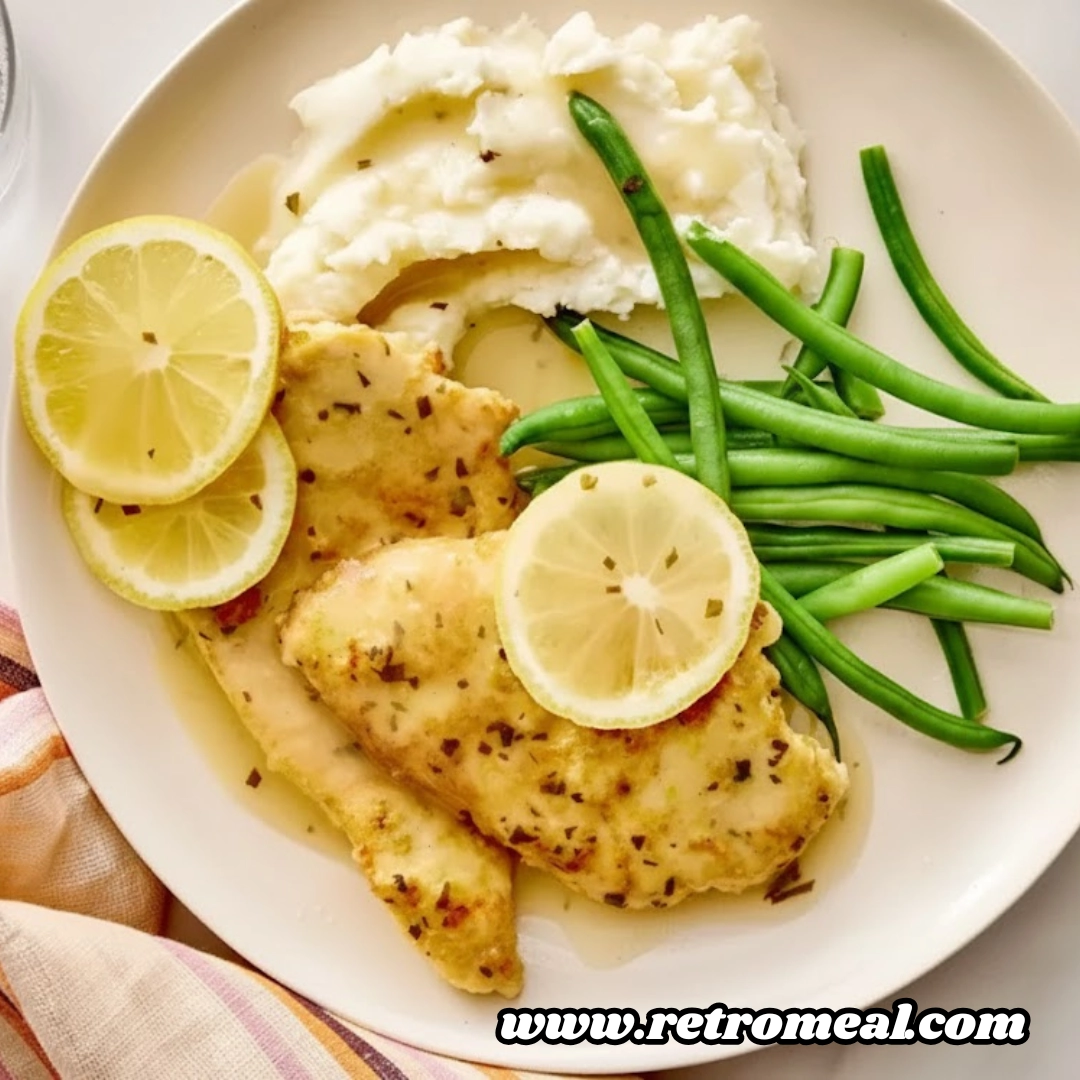
There is a distinct kind of culinary magic that happens when simple, humble ingredients like flour, eggs, and citrus meet a hot skillet. Chicken Francese is the embodiment of that magic. Often found as a cornerstone of Italian-American “red sauce” joints, this dish is beloved for its golden, velvet-like coating and a sauce so bright and buttery it practically sings. Unlike its cousin, Chicken Piccata, which relies on the salty punch of capers, Francese is all about the luxurious emulsion of white wine, chicken stock, and fresh lemon juice. It is a sophisticated yet approachable dinner that feels like a celebratory feast but comes together with the ease of a weeknight staple. Whether you are hosting a formal dinner party or simply looking to elevate your Tuesday evening, this recipe delivers a restaurant-quality experience right to your kitchen table.
Table of Contents
The Essential Ingredients for a Perfect Chicken Francese
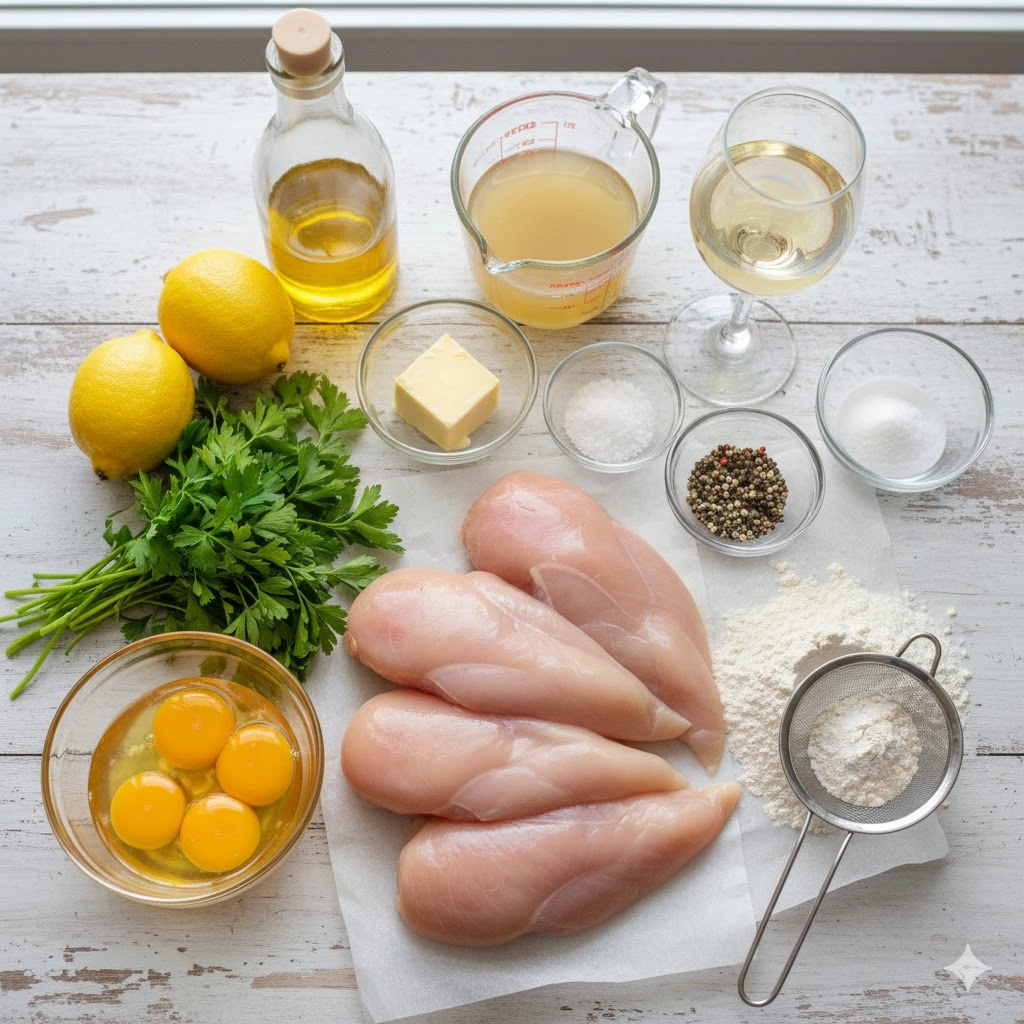
To achieve the iconic texture and flavor of this classic dish, you will need a specific set of pantry staples and fresh components. The beauty of this ingredient list lies in its simplicity; each item plays a critical role in building layers of flavor.
- All-purpose flour: one half cup (used for the double-dredging process)
- Large eggs: four units, thoroughly beaten
- Skinless, boneless chicken breast halves: one pound
- Olive oil: two tablespoons, or as needed for sautéing
- Chicken broth: two cups (the flavorful liquid base for your sauce)
- White wine: one half cup (choose a dry variety like Pinot Grigio or Sauvignon Blanc)
- Butter: one quarter cup (to provide richness and a silky mouthfeel)
- Medium lemons: two units, juiced (freshness is paramount here)
- Fresh parsley: one teaspoon, finely chopped for a burst of color and earthiness
- Salt and pepper: to taste
- Water: two teaspoons (for the cornstarch slurry)
- Cornstarch: one teaspoon (to provide the perfect sauce body)
Master Instructions: The Step-by-Step Cooking Process
Follow these precise steps to ensure your Chicken Francese is cooked to perfection, maintaining that signature golden crust and tender interior.
- Begin by gathering all your ingredients and setting up your breading station.
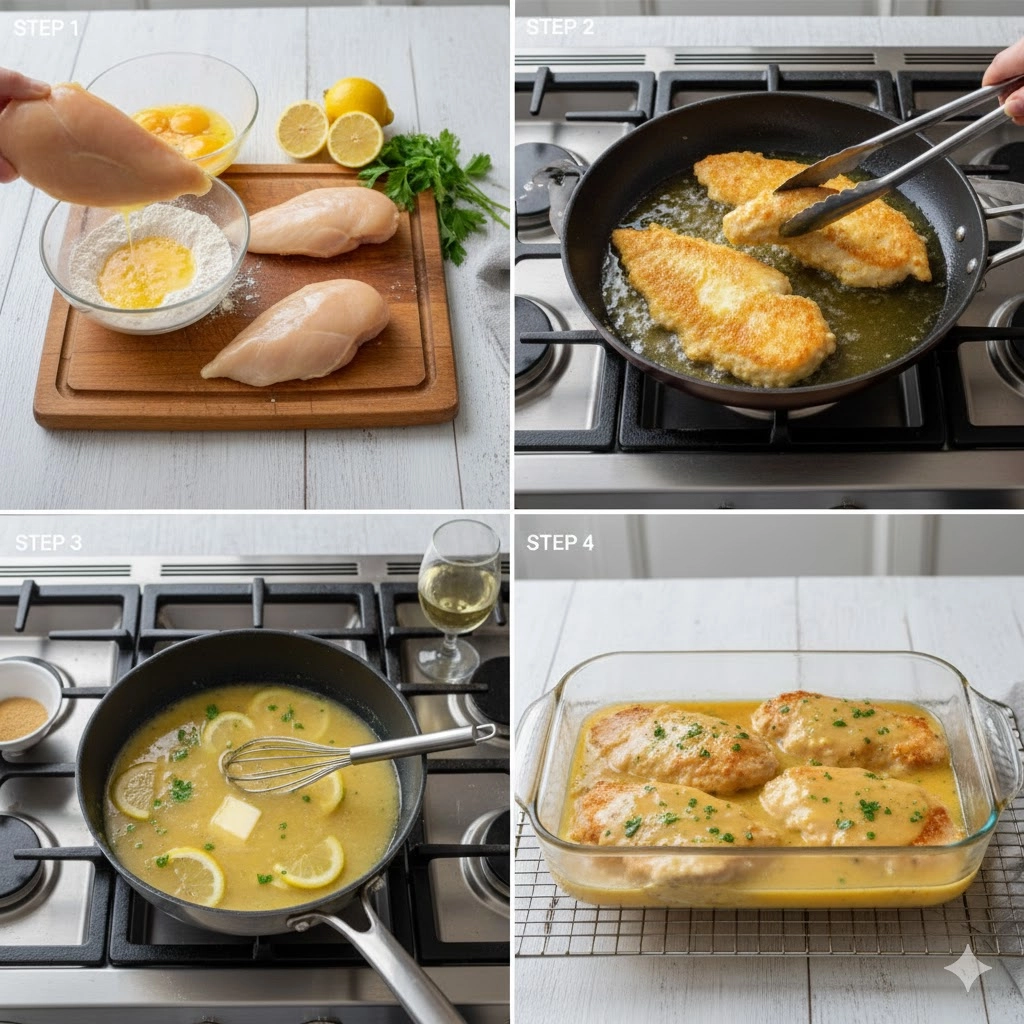
- Dredge each piece of chicken thoroughly in the all-purpose flour, making sure to shake off any excess. Dip the floured chicken into the beaten eggs, lifting it to allow the excess egg to drip back into the bowl. Finally, press the chicken back into the flour once more to ensure both sides are fully coated. Repeat this process with all remaining chicken pieces.
- In a large nonstick skillet, heat the olive oil over medium heat. Place the chicken in the pan and sauté until it is almost cooked through, which should take approximately four minutes per side. Once golden, transfer the chicken to a plate lined with paper towels to drain.
- Preheat your oven to 300 degrees Fahrenheit (150 degrees Celsius). Lightly grease a 9×13-inch baking dish to prepare for the final stage.
- In a medium saucepan set over medium-low heat, combine the chicken broth, white wine, butter, lemon juice, chopped parsley, salt, and pepper. Stir occasionally until the butter has completely melted.
- In a small separate bowl, whisk together the two teaspoons of water and one teaspoon of cornstarch until the mixture is smooth. Add this slurry to the broth mixture and continue to cook for two to three minutes until the sauce thickens slightly.
- Arrange the sautéed chicken in the prepared baking dish and pour the prepared lemon-butter sauce evenly over the top.
- Place the dish in the preheated oven and bake for 10 to 15 minutes. The chicken is ready when it is no longer pink in the center, the juices run clear, and an instant-read thermometer reaches at least 165 degrees Fahrenheit.
Mastering the Art of the Double-Dredge
The defining characteristic of Chicken Francese is its unique coating. Unlike a standard breading that uses breadcrumbs, Francese uses an egg-heavy batter that creates a soft, almost crepe-like exterior. To truly master this, the double-dredging technique is vital. By starting with flour, you create a dry surface for the egg to cling to. The second dip into the flour after the egg bath is what sets this specific recipe apart, creating a slightly more substantial barrier that helps the sauce adhere to the meat later.
When you are sautéing the chicken in the skillet, the goal is not to cook it 100 percent of the way through. Instead, you are looking for a beautiful blonde-gold color. If the oil is too hot, the egg coating will brown too quickly or even burn, leaving a bitter taste. Keep the heat at a steady medium and watch for that gentle sizzle. This initial sear locks in the moisture of the chicken breast, which is notoriously prone to drying out.
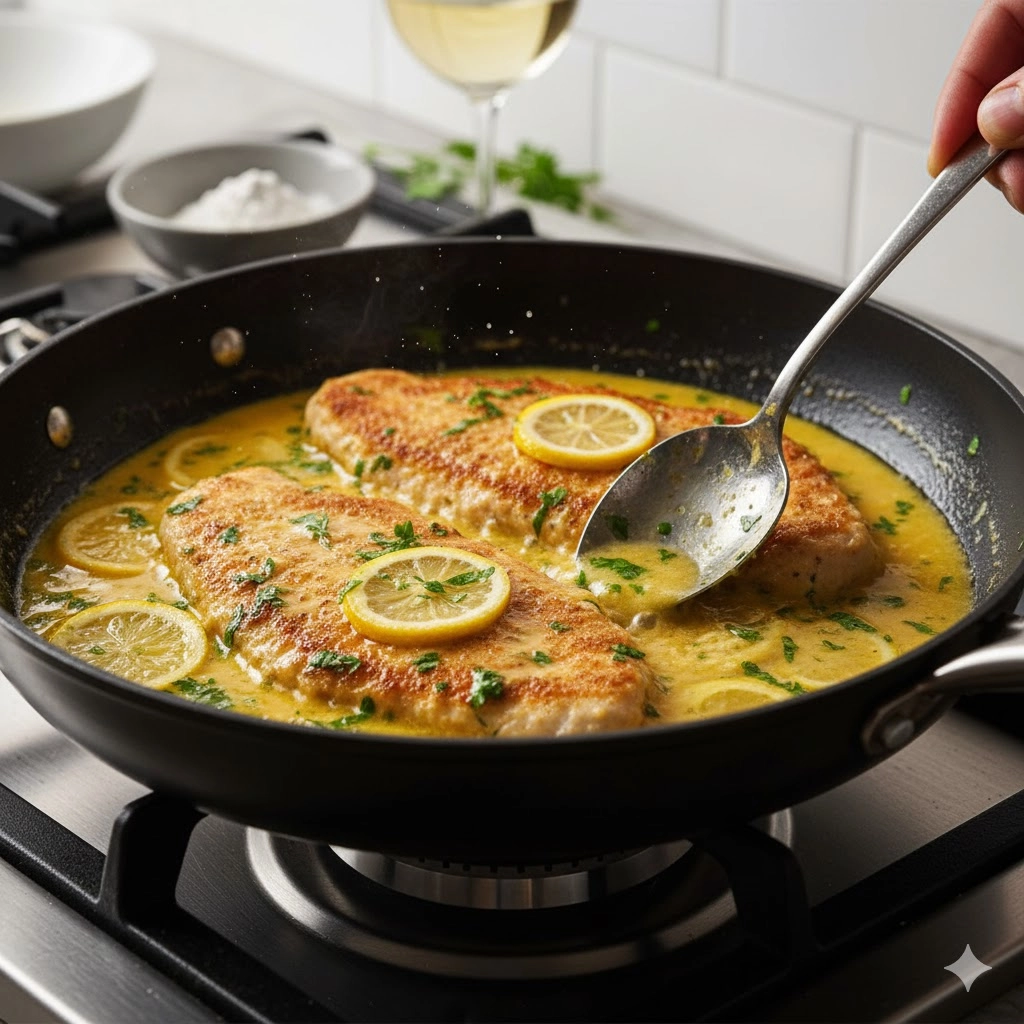
The transition from the stovetop to the oven is the “secret weapon” of this version. By finishing the chicken in the oven bathed in the sauce, the coating absorbs the lemon and wine flavors. The low heat of 300 degrees Fahrenheit ensures the proteins remain tender while the cornstarch-thickened sauce envelopes the meat, creating a cohesive dish rather than just chicken with a side of gravy.
Essential Culinary Insights for Success
To take this dish from good to exceptional, consider the temperature and quality of your fats. While olive oil is used for the sautéing phase because of its higher smoke point compared to butter, the butter added to the sauce provides the primary flavor profile. Always use high-quality unsalted butter so you can control the salt levels yourself.
When juicing your lemons, avoid the bottled stuff at all costs. The volatile oils in fresh lemon zest and juice provide a brightness that bottled juice simply cannot replicate. If you find your sauce is too tart, a tiny pinch of sugar (not enough to make it sweet, just enough to balance) can round out the acidity of the wine and citrus.
Furthermore, the choice of white wine matters. A dry, crisp wine will provide the necessary acidity to cut through the richness of the butter and egg coating. Avoid “cooking wines” sold in grocery stores, as they are often loaded with unnecessary sodium. A wine you would enjoy drinking is always the best choice for the pan.
Accompaniments and Serving Suggestions
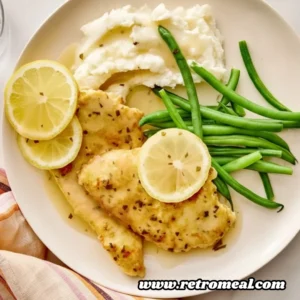
Chicken Francese is a versatile centerpiece that pairs beautifully with a variety of sides. To stay true to its Italian-American roots, serve it over a bed of angel hair pasta or linguine. The thin strands of pasta are perfect for catching the lemon-butter sauce. If you prefer a lighter option, a simple side of sautéed baby spinach with garlic or roasted asparagus provides a vibrant green contrast to the golden chicken.
For those who enjoy a bit of texture, consider serving this dish alongside a crusty loaf of Italian bread. The bread acts as the perfect vessel for “scarpetta,” or cleaning the plate of every last drop of the velvety sauce. If you are looking for a starch other than pasta, a fluffy mound of jasmine rice or even garlic mashed potatoes can soak up the flavors beautifully.
Modifications and Easy Substitutions
While the traditional recipe calls for chicken breasts, you can easily adapt this method for chicken thighs if you prefer darker meat. Just be aware that thighs may require a slightly longer cooking time in the oven to reach the desired tenderness.
For those following a gluten-free lifestyle, the all-purpose flour can be substituted with a high-quality gluten-free flour blend. Since the cornstarch is already gluten-free, the sauce remains largely the same. If you do not wish to use white wine, you can replace that half-cup measurement with additional chicken broth and a teaspoon of white wine vinegar to maintain the necessary acidity.
Deep-Dive Kitchen FAQ
Why is my chicken coating falling off in the pan?
This usually happens if the chicken was damp before the first flour dredge or if the oil wasn’t hot enough when the chicken was added. Make sure to pat the chicken dry with paper towels before starting the process. Additionally, ensure the oil is shimmering but not smoking before you lay the chicken down, and avoid crowding the pan, which lowers the temperature and leads to steaming rather than sautéing.
Can I make this dish ahead of time for a dinner party?
While Chicken Francese is best served fresh to maintain the texture of the coating, you can prepare the sauce and dredge the chicken a few hours in advance. However, do not combine them until you are ready for the final bake. If you must reheat leftovers, do so in the oven rather than the microwave to prevent the coating from becoming rubbery.
What is the difference between Chicken Francese and Chicken Piccata?
The primary difference lies in the breading and the sauce ingredients. Piccata is usually just lightly floured and sautéed, whereas Francese features a thicker, egg-dipped coating. Flavor-wise, Piccata is defined by capers and a very sharp lemon-garlic profile, while Francese is smoother, richer, and more balanced by the inclusion of more butter and a slightly thickened wine sauce.
Is it necessary to use the oven, or can I finish it on the stove?
While you can simmer the chicken in the sauce on the stovetop, the oven method provides a more even, gentle heat that prevents the bottom of the chicken from scorching. The 300-degree Fahrenheit environment allows the sauce to penetrate the egg coating more effectively, resulting in a more tender and flavorful end product.
A Final Note on This Classic Comfort Dish
In the world of home cooking, few recipes offer as high a reward for as little effort as Chicken Francese. It is a dish that feels elegant and complicated, yet it relies on basic techniques that any home cook can master. The interplay between the tart lemon, the crisp wine, and the creamy butter creates a flavor profile that is universally loved. By following this method—especially the gentle oven finish—you ensure a moist, flavorful result every single time. It is time to bring the white-tablecloth experience into your own dining room.
Nutritional Information
| Nutrient | Amount Per Serving |
| Calories | 395 |
| Total Fat | 18 grams |
| Carbohydrates | 20 grams |
| Protein | 35 grams |
| Cholesterol | 255 milligrams |
| Sodium | 840 milligrams |
Disclaimer
Please note that nutritional data for this recipe includes the full amount of breading ingredients. The actual amount of breading consumed will vary depending on the thickness of the coating and the size of the chicken pieces. Always consult with a medical professional for specific dietary needs.
Delicious Easy Chicken Francese
Ingredients
- 0.5 cup all-purpose flour
- 4 large eggs, beaten
- 1 pound skinless, boneless chicken breast halves
- 2 tbsp olive oil, or as needed
- 2 cups chicken broth
- 0.5 cup white wine
- 0.25 cup butter
- 2 medium lemons, juiced
- 1 tsp chopped fresh parsley
- salt and pepper to taste
- 2 tsp water
- 1 tsp cornstarch
Instructions
- Gather all ingredients. Dredge chicken in flour; shake off excess. Dip into beaten egg. Lift up so excess egg drips back into the bowl. Press into flour again to coat both sides. Repeat with remaining chicken.
- Heat oil in a nonstick skillet over medium heat. Add chicken and sauté until almost cooked through, about 4 minutes per side. Transfer to a paper towel-lined plate.
- Preheat the oven to 300 degrees Fahrenheit (150 degrees Celsius). Grease a 9×13-inch baking dish.
- Heat chicken broth, wine, butter, lemon juice, parsley, salt, and pepper in a medium saucepan over medium-low heat, stirring occasionally, until butter melts.
- Stir water and cornstarch together in a small bowl until combined; add to broth mixture and cook until it thickens slightly, 2 to 3 minutes.
- Place chicken into the prepared baking dish and pour sauce over top.
- Bake in the preheated oven until chicken is no longer pink in the center and the juices run clear, 10 to 15 minutes (Internal temp 165 degrees Fahrenheit).
Notes
Equipment
- nonstick skillet
- 9×13-inch baking dish
- medium saucepan
- mixing bowls
- Instant-read thermometer