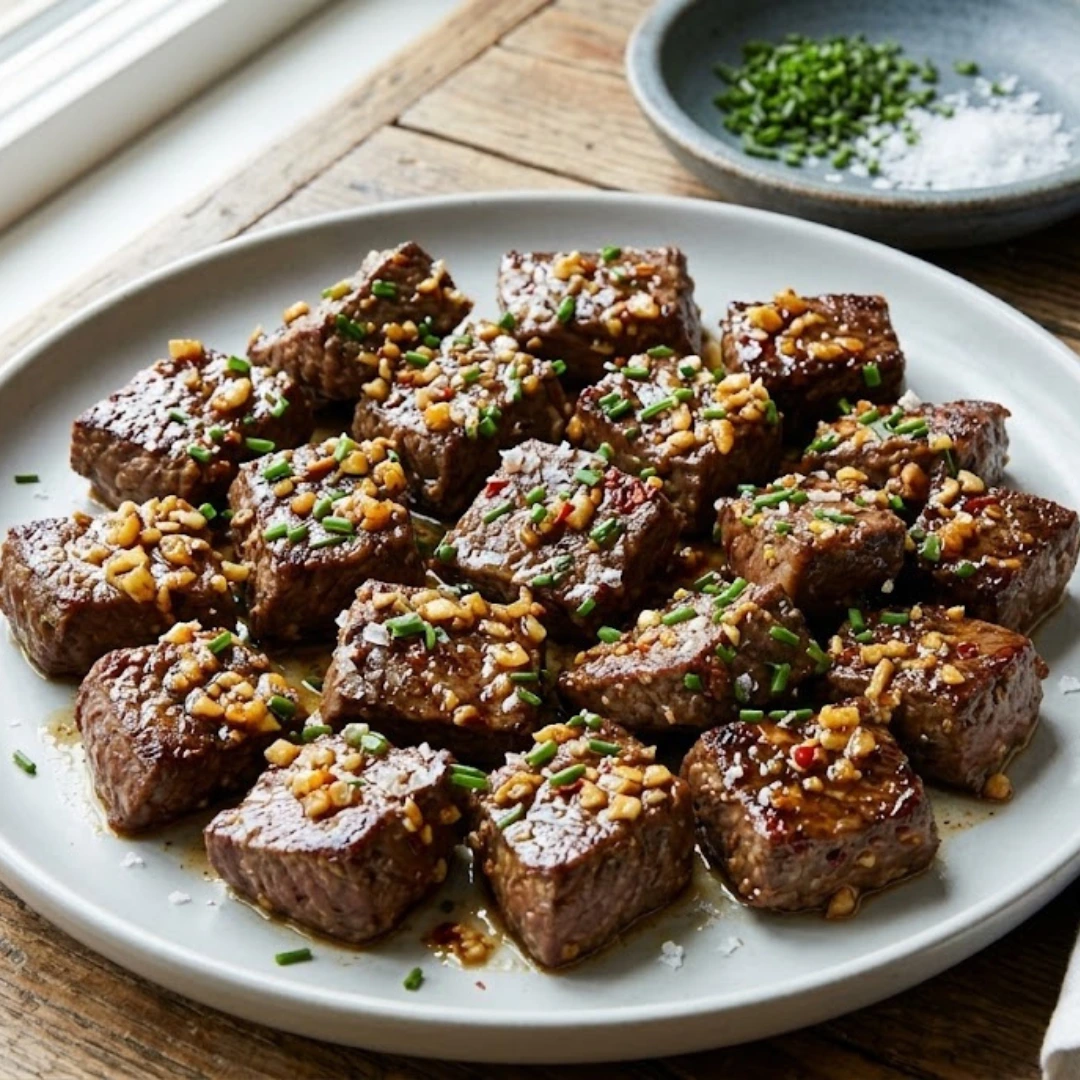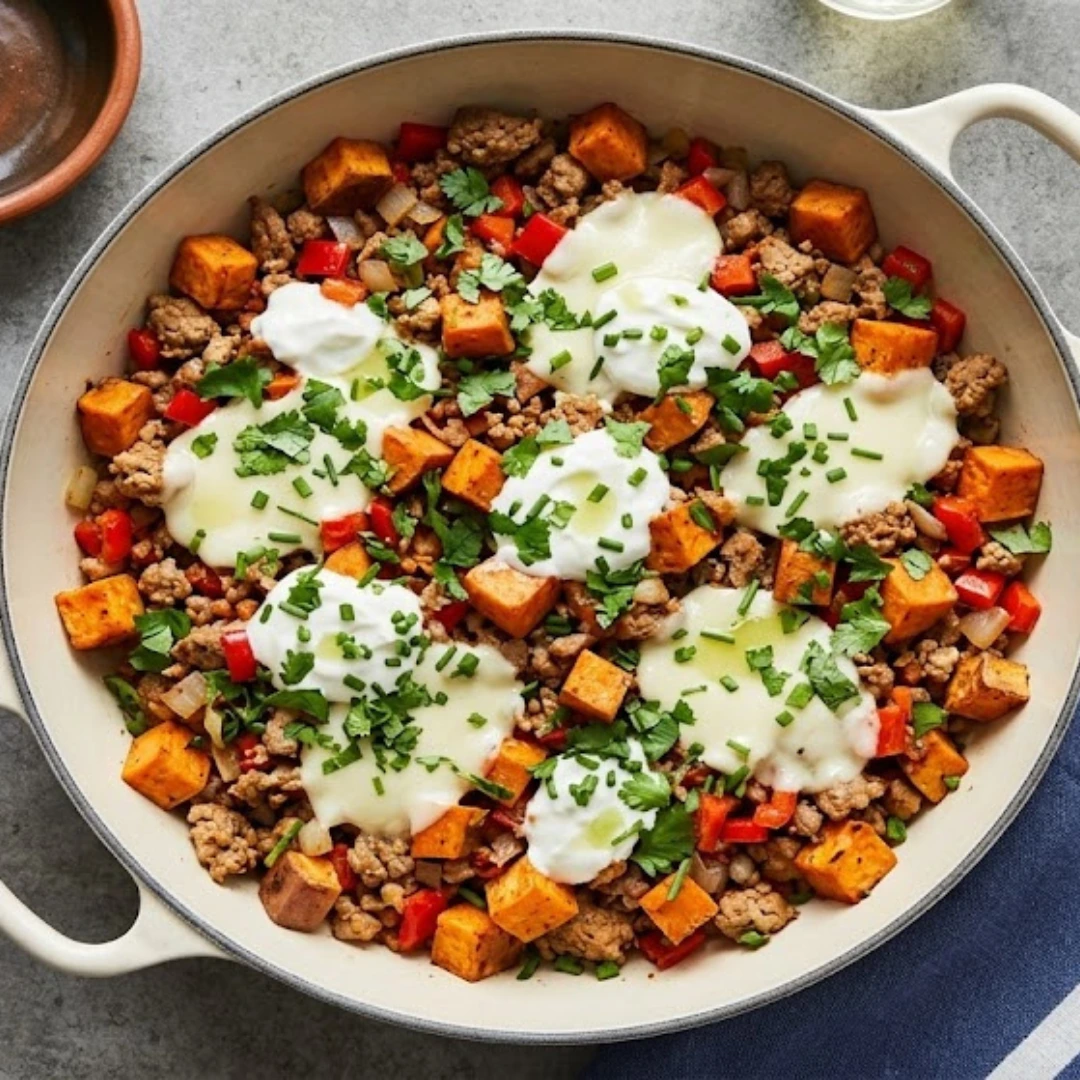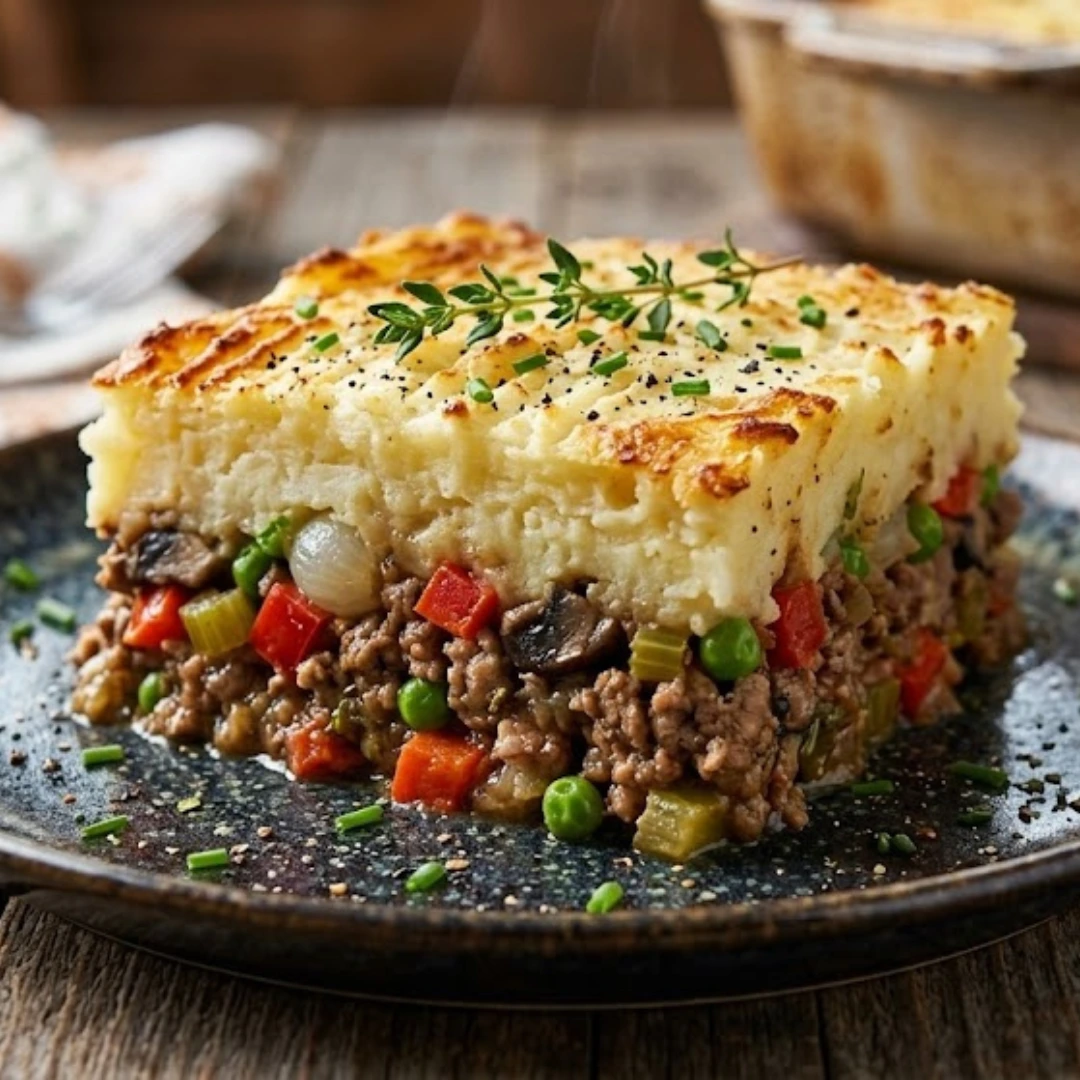
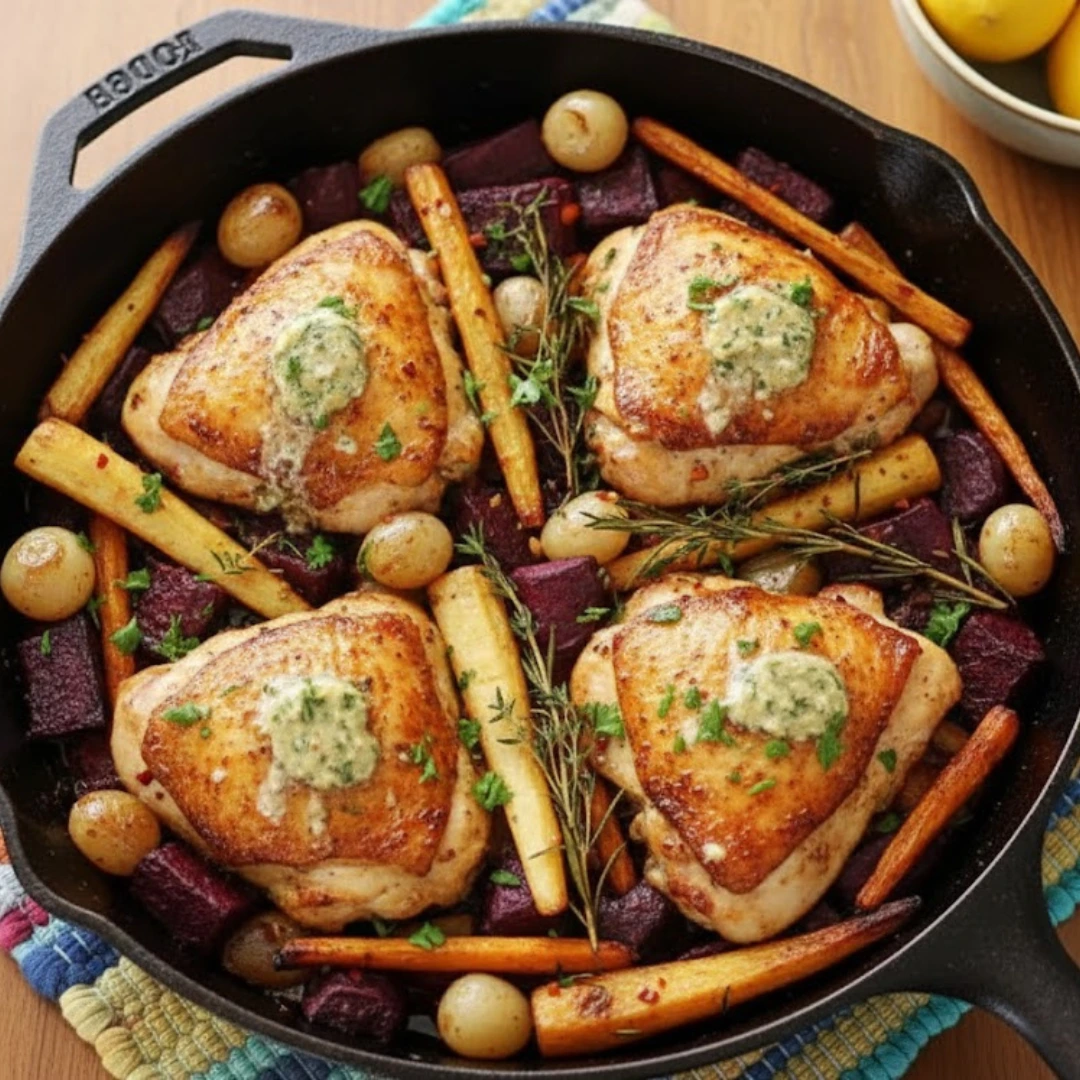
Finding a dinner solution that balances deep, roasted flavors with the convenience of a single pan is the ultimate win for any home cook. This Chicken and Vegetables Skillet Dish is a masterclass in rustic elegance, bringing together succulent bone-in chicken thighs and a vibrant medley of root vegetables. Inspired by the soulful cooking of Kardea Brown, this recipe utilizes the consistent heat of cast iron to create crispy skin and tender, caramelized produce. Whether you are prepping meals for a busy week ahead or looking for a comforting Sunday supper, this dish delivers a sophisticated profile through fresh woody herbs and a luxurious garlic butter finishing sauce. It is a hearty, wholesome meal that proves you do not need a dozen pots and pans to achieve gourmet results in your own kitchen.
Table of Contents
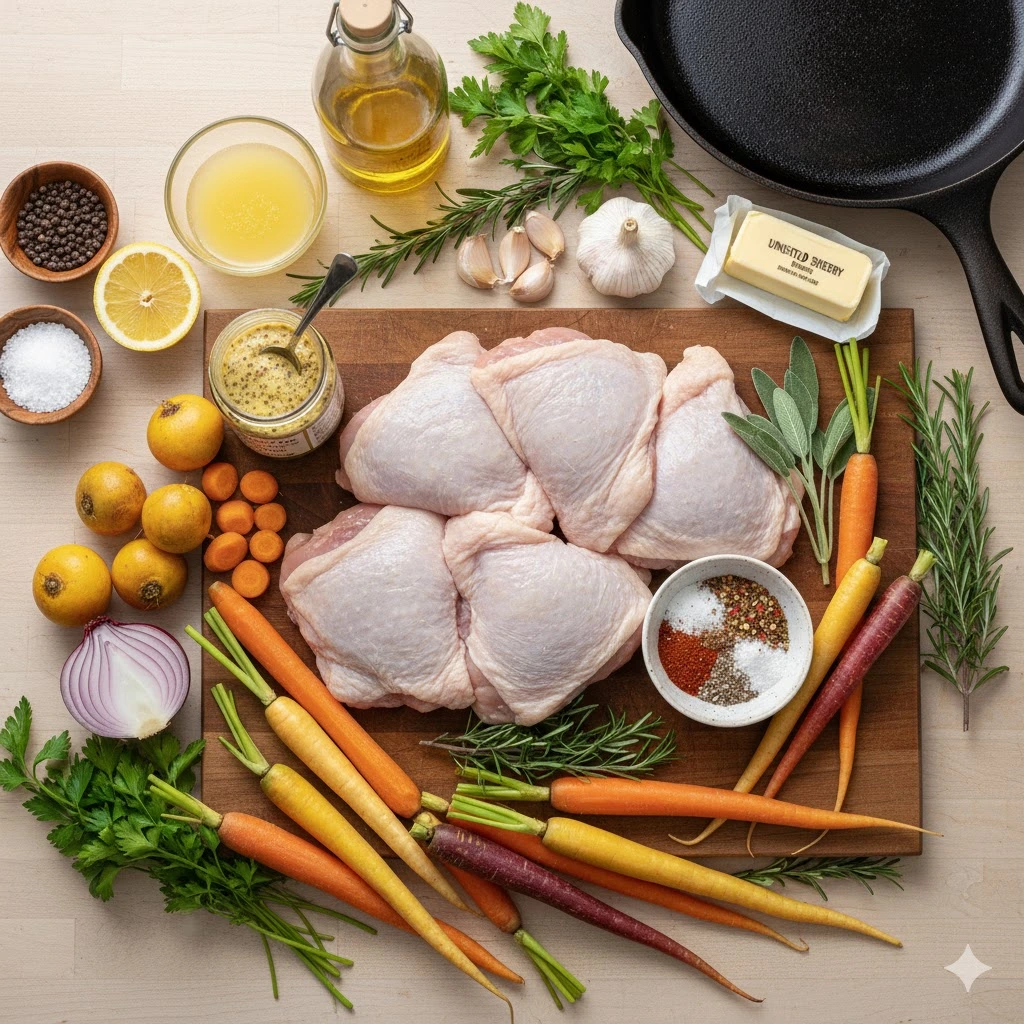
Essential Components for the Skillet
To achieve the best results, ensure your vegetables are cut to the specified sizes so they soften at the same rate the chicken reaches its safe internal temperature.
For the Chicken and Veggies
- 4 bone-in, skin-on chicken thighs
- 1 tablespoon Miss Browns House Seasoning (recipe below)
- 2 tablespoons Dijon mustard
- 2 small beets (golden or red), cut into 1/2-inch chunks
- 1/2 bunch rainbow carrots, peeled and cut into 1-inch chunks
- 1/2 cup 1-inch parsnip chunks
- 1/2 red onion, sliced
- 2 tablespoons olive oil
- 2 sprigs fresh rosemary
- 2 sprigs fresh sage
- 2 sprigs fresh thyme
- 1 sprig fresh tarragon
The Signature Butter Sauce
- 6 tablespoons unsalted butter
- 2 tablespoons dry sherry (optional)
- 2 tablespoons minced fresh parsley
- 1 tablespoon fresh lemon juice
- 3 cloves garlic, minced
- Kosher salt and freshly ground black pepper to taste
Miss Browns House Seasoning Blend
- 1 tablespoon garlic powder
- 1 tablespoon onion powder
- 1 tablespoon paprika
- 1 tablespoon kosher salt
- 1 tablespoon freshly ground pepper
Step-by-Step Preparation Guide
Follow these sequential steps to ensure the chicken is perfectly seared and the vegetables are roasted to perfection.
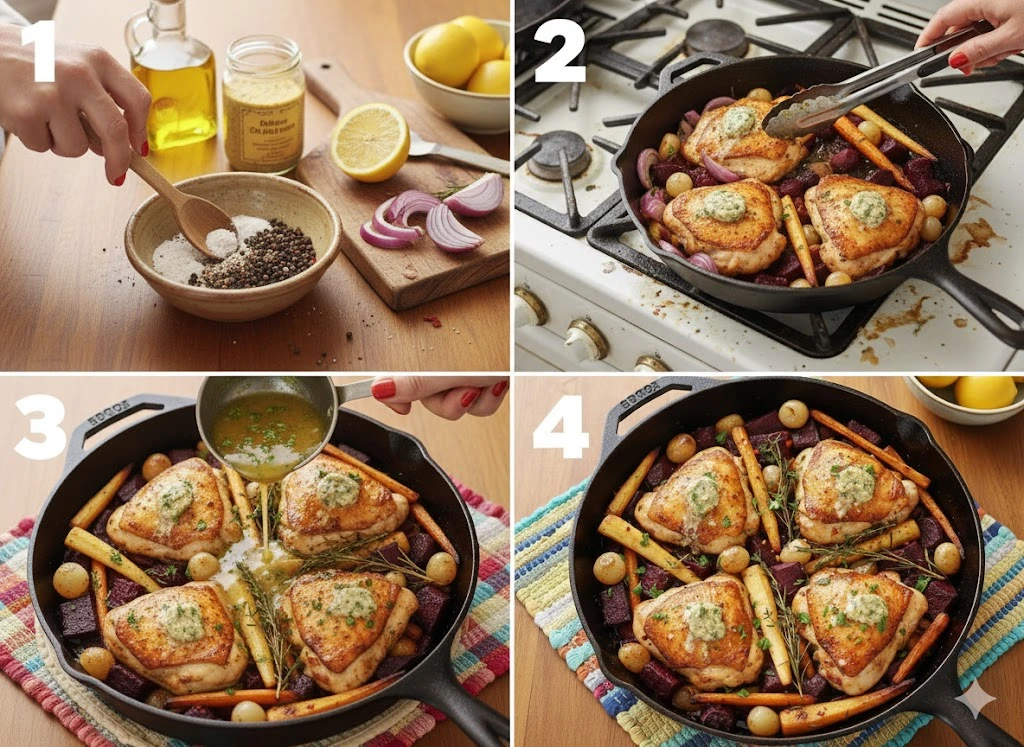
- Begin by preheating your oven to 400 Fahrenheit. Position the oven rack in the bottom third of the oven to ensure the bottom of the skillet receives intense heat for the vegetables.
- In a small bowl, prepare the House Seasoning by whisking together the garlic powder, onion powder, paprika, salt, and pepper.
- Pat the chicken thighs dry with a paper towel. Sprinkle them with half of the prepared House Seasoning. Use a brush or the back of a spoon to coat both sides of the chicken generously with the Dijon mustard.
- Prepare the vegetable medley. In a medium bowl, toss the beet chunks, carrots, parsnips, and sliced red onion with 1 tablespoon of olive oil. Sprinkle the remaining half tablespoon of House Seasoning over the vegetables and toss to coat evenly.
- Place a large cast-iron skillet over medium-high heat and add the remaining tablespoon of olive oil. Once the oil is shimmering, place the chicken thighs in the pan, skin-side down.
- Cook the chicken until the skin is golden and crisp, which should take about 3 minutes. Flip the thighs and cook for another 4 to 5 minutes to brown the other side. Transfer the chicken to a clean plate and set aside.
- Add the prepared vegetables to the hot skillet. Sauté them in the rendered chicken fat and oil for about 4 to 5 minutes until they begin to take on some color.
- Lay the sprigs of fresh rosemary, sage, thyme, and tarragon over the vegetables. Nestle the browned chicken thighs back into the skillet, resting them on top of the bed of vegetables and herbs.
- Move the skillet to the bottom rack of the oven. Bake for approximately 40 minutes. You will know it is done when the vegetables are fork-tender and the chicken juices run clear.
- While the skillet is roasting, prepare the sauce. In a small saucepan, melt the butter over medium heat. Stir in the dry sherry, minced parsley, lemon juice, and garlic. Let it simmer gently for a minute, then season with salt and pepper.
- Remove the skillet from the oven. Pour the warm garlic butter sauce evenly over the chicken and vegetables before serving.
Mastering the Cast Iron Sear and Roast
The secret to this dish lies in the transition from the stovetop to the oven. When you sear the chicken thighs initially, you are not just adding color; you are developing the Maillard reaction, which provides the savory foundation for the entire meal. Using bone-in, skin-on thighs is non-negotiable here. The bone acts as an insulator, keeping the meat juicy during the 40-minute roast, while the skin renders its fat into the pan, essentially “confit-ing” the carrots and parsnips in chicken gold.
When you move the vegetables into the skillet after the chicken, they pick up those brown bits (the fond) left behind. This is why a cast-iron skillet is the preferred vessel. Its heat retention is unparalleled, meaning when you toss those cold beets and carrots in, the pan temperature doesn’t plummet. Instead, it immediately begins to caramelize the natural sugars in the root vegetables.
Placement in the oven is another critical detail. By utilizing the bottom rack, you are placing the dense root vegetables closer to the primary heat source. This ensures that the parsnips and beets, which are much heartier than the chicken, soften completely without the chicken skin becoming soggy. The herbs—rosemary, sage, thyme, and tarragon—act as an aromatic rack, perfuming the meat from underneath while protecting the delicate garlic and onion slices from burning against the bottom of the pan.
Creative Substitutions for Every Pantry
While the combination of beets, carrots, and parsnips offers a beautiful earthy sweetness, this recipe is highly adaptable to what you have on hand.
Vegetable Swaps
If you find parsnips too sweet, try replacing them with cubed rutabaga or even large chunks of Yukon Gold potatoes. If rainbow carrots are unavailable, standard orange carrots work perfectly fine. For a lower-carb version, you could utilize cauliflower florets and radishes, though you should add these halfway through the roasting time as they cook much faster than root vegetables.
Herb Variations
Fresh herbs provide a brightness that dried herbs cannot fully replicate, but in a pinch, you can use a dried poultry seasoning or a mix of dried thyme and rosemary. Use about one-third of the amount of dried herbs compared to fresh, as the oils are more concentrated.
The Acid and Fat
If you do not have dry sherry for the butter sauce, a dry white wine like Sauvignon Blanc or even a splash of chicken stock with an extra teaspoon of lemon juice will provide that necessary hit of acidity to cut through the richness of the butter and chicken fat.
Perfect Pairings and Serving Suggestions
This skillet dish is a complete meal on its own, but there are ways to elevate the presentation and flavor profile.
Grain Bases
Because the garlic butter sauce is so flavorful, serving this over a bed of fluffy quinoa, farro, or even a simple jasmine rice allows you to soak up every drop of that sherry-infused liquid. The nuttiness of whole grains specifically complements the earthiness of the roasted beets.
Green Additions
To add a bit of freshness and crunch, serve the skillet alongside a simple arugula salad dressed with nothing more than lemon juice and olive oil. The peppery bite of the arugula provides a sharp contrast to the sweet roasted carrots and the savory chicken.
Bread for Dipping
A crusty baguette or a slice of sourdough is almost mandatory. You will want something sturdy to mop up the juices remaining in the bottom of the cast iron. If you want to keep the theme rustic, warm the bread directly on the oven rack during the last five minutes of the chicken’s roasting time.
Culinary Science: Why This Method Works
Understanding the “why” behind the steps can help you become a more intuitive cook. The use of Dijon mustard on the chicken is not just for flavor; the acidity in the mustard helps tenderize the protein fibers of the chicken skin, while the solids in the mustard help create a “glue” for the house seasoning, ensuring the crust stays on the meat rather than falling into the oil.
Furthermore, the addition of the butter sauce at the very end is a technique known as “mounting” a sauce. By adding the fresh garlic and lemon juice to the butter just before serving, you preserve the volatile aromatics that would otherwise dissipate in the high heat of a 400 Fahrenheit oven. This ensures that the first thing your guests smell is fresh garlic and bright citrus, followed by the deep, roasted scent of the chicken and herbs.
Deep Dive Frequently Asked Questions
Can I use chicken breasts instead of thighs for this recipe?
While you can use chicken breasts, it is not recommended for this specific cooking time. Chicken breasts are much leaner and tend to dry out at 400 Fahrenheit over 40 minutes. If you must use breasts, ensure they are bone-in and skin-on, and start checking their internal temperature after about 25 minutes in the oven. Aim for 165 Fahrenheit.
How do I prevent the beets from staining the other vegetables?
Beets are notorious for “bleeding” their vibrant red pigment. If you want to maintain the distinct colors of the rainbow carrots and parsnips, you can use golden beets instead of red ones. If you only have red beets, try to keep them on one side of the skillet during the initial sauté and avoid over-mixing them with the lighter-colored vegetables once they begin to roast.
Is it necessary to peel the carrots and parsnips?
For this recipe, peeling is recommended. The skin of parsnips can sometimes be bitter or woody, and since we are roasting them at a high temperature, peeled vegetables will caramelize more evenly. However, if you are using young, thin organic carrots, a good scrub is usually sufficient.
How should I store and reheat leftovers?
This dish stores beautifully in an airtight container in the refrigerator for up to three days. To reheat, it is best to avoid the microwave, which can make the chicken skin rubbery. Instead, place the chicken and veggies back in a skillet or on a sheet pan and warm in a 350 Fahrenheit oven until the chicken is heated through and the skin crisps up again.
Nutritional Breakdown
| Nutrient | Amount Per Serving |
| Calories | 540 |
| Total Fat | 38 grams |
| Saturated Fat | 16 grams |
| Cholesterol | 145 milligrams |
| Sodium | 890 milligrams |
| Total Carbohydrates | 18 grams |
| Dietary Fiber | 5 grams |
| Sugars | 7 grams |
| Protein | 32 grams |
Disclaimer
Nutritional values are estimates based on standard ingredient measurements. Actual nutritional content may vary depending on the specific brands of ingredients used and the exact size of the produce. Consuming raw or undercooked meats may increase your risk of foodborne illness.
Chicken and Vegetables Skillet Dish
Ingredients
- 4 bone-in, skin-on chicken thighs
- 1 tbsp Miss Browns House Seasoning (garlic powder, onion powder, paprika, salt, pepper)
- 2 tbsp Dijon mustard
- 2 small beets (golden or red), cut into 1/2-inch chunks
- 0.5 bunch rainbow carrots, peeled and cut into 1-inch chunks
- 0.5 cup 1-inch parsnip chunks
- 0.5 red onion, sliced
- 2 tbsp olive oil
- 2 sprigs fresh rosemary
- 2 sprigs fresh sage
- 2 sprigs fresh thyme
- 1 sprig fresh tarragon
- 6 tbsp unsalted butter
- 2 tbsp dry sherry (optional)
- 2 tbsp minced fresh parsley
- 1 tbsp fresh lemon juice
- 3 cloves garlic, minced
- 1 Kosher salt and freshly ground black pepper to taste
Instructions
- Preheat your oven to 400 Fahrenheit. Combine garlic powder, onion powder, paprika, salt, and pepper to create the House Seasoning.
- Sprinkle chicken with half the seasoning and brush both sides with Dijon mustard. Toss beets, carrots, parsnips, and onions with 1 tablespoon olive oil and the remaining seasoning.
- Heat 1 tablespoon olive oil in a large cast-iron skillet. Sear chicken until browned, about 3 minutes per side. Remove chicken to a plate.
- Add vegetables to the skillet and cook for 4 to 5 minutes until browned. Add the fresh herb sprigs and nestle the chicken back into the vegetables.
- Bake on the bottom oven rack for 40 minutes until chicken juices run clear and vegetables are tender.
- Melt butter in a small saucepan. Whisk in sherry, parsley, lemon juice, and garlic. Simmer briefly and season with salt and pepper.
- Remove skillet from oven and pour the fresh butter sauce over the chicken and vegetables before serving.
Notes
Equipment
- 12-inch Cast-Iron Skillet Essential for even roasting and searing.
- small saucepan For the finishing butter sauce.
- pastry brush To apply the Dijon mustard.
- Vegetable Peeler
- chef’s knife