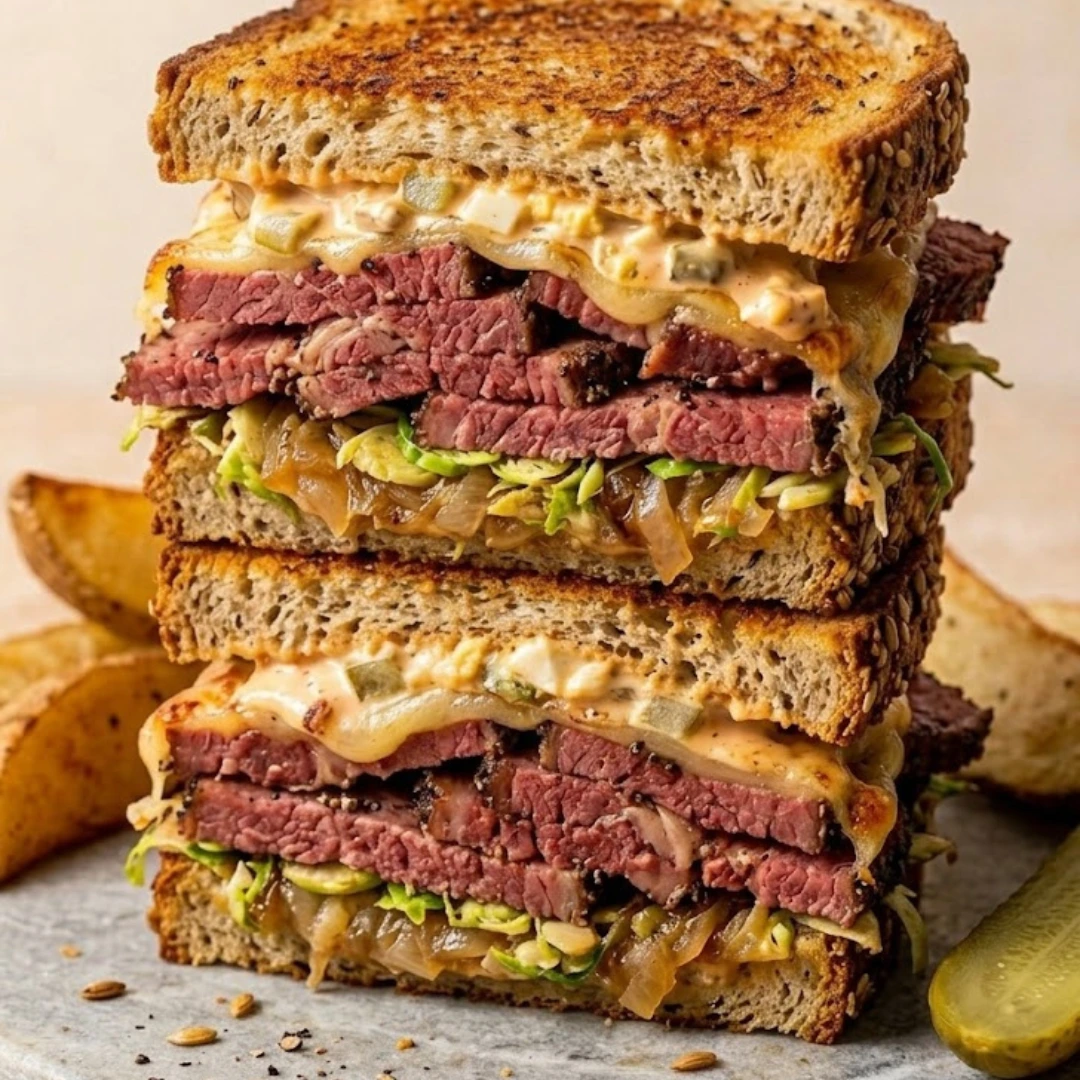
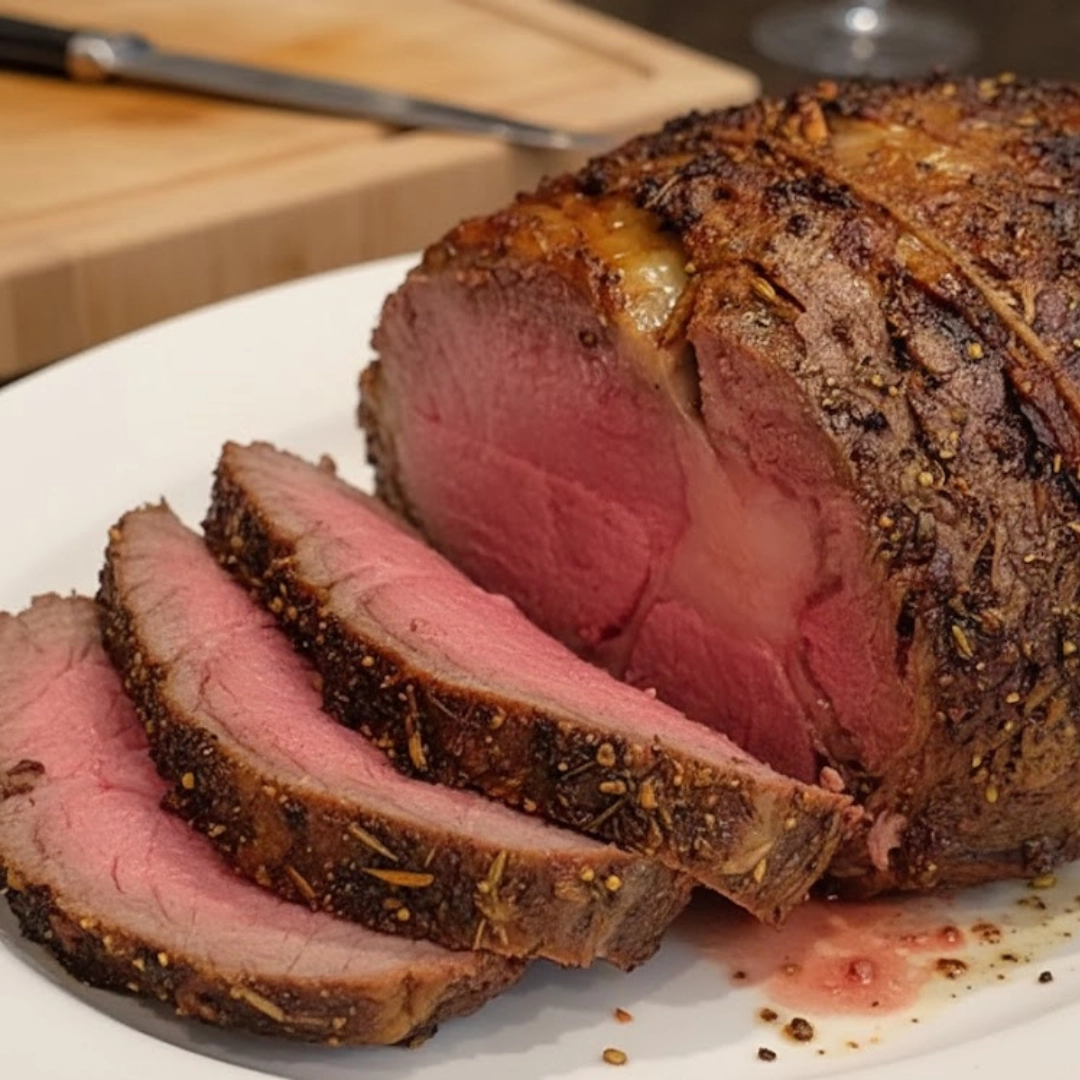
This isn’t merely a recipe; it is a meticulous, science-driven approach to achieving the quintessential holiday roast. For decades, home cooks have chased that elusive goal: a prime rib with a shatteringly crisp herb-butter crust and an interior that holds a perfect, even pink from edge to center. Many methods promise this result, but few deliver the dependable consistency of this ingenious two-part cooking process. It requires no complicated equipment, only a functioning oven, a scale, and a deep, necessary trust in the power of thermodynamics. When executed correctly, the dramatic high-heat sear followed by the extended passive rest produces a remarkably tender, beautifully colored, and deeply savory bone-in roast, making the process itself nearly foolproof for special occasions.
Table of Contents
The Essential Ingredients List
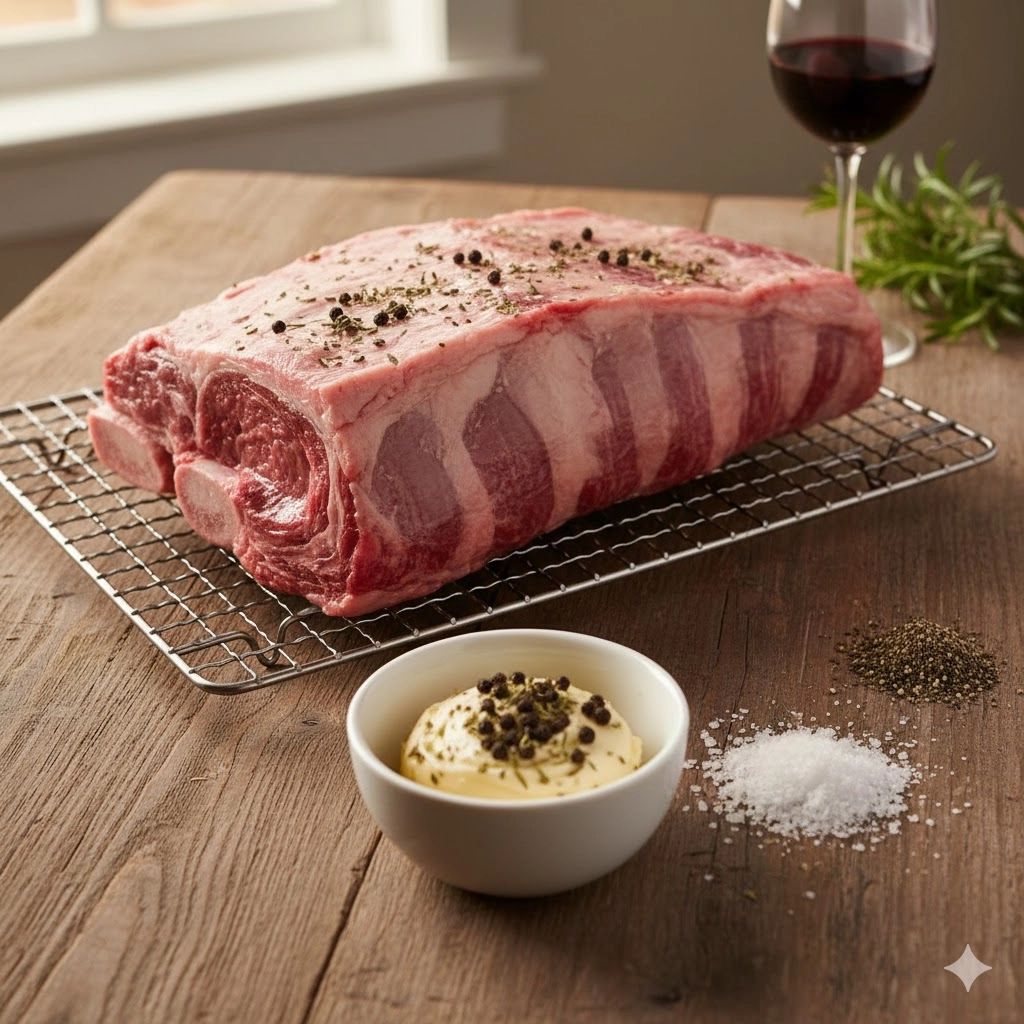
The integrity of this method relies on the quality of the beef and the simplicity of the seasoning. We are aiming to accentuate the natural richness of the prime rib, not overwhelm it. Measurements are given for a standard four-pound roast, which serves four to five people generously.
For the Roast:
- One (4-pound) bone-in prime rib roast (three ribs recommended)
- Kosher salt (or fine sea salt)
- Freshly ground black pepper
For the Herb-Butter Rub:
- One-quarter cup unsalted butter, softened to room temperature
- One tablespoon freshly ground black pepper
- One teaspoon Herbes de Provence (or a blend of dried thyme, rosemary, and marjoram)
- Additional coarse salt to taste
Note on the Roast: Ensure your roast is cut from the rib section, ideally bone-in for flavor and easier handling. It is paramount that the roast is completely brought to room temperature before beginning—a process that can take three to six hours, depending on the environment.
Fundamental Steps: The Mathematical Method
This technique minimizes the gray ring of overcooked meat often found beneath the crust by utilizing a short, intense burst of heat followed by a long, slow cool-down. The duration of the initial high-heat cook is based entirely on the roast’s weight.
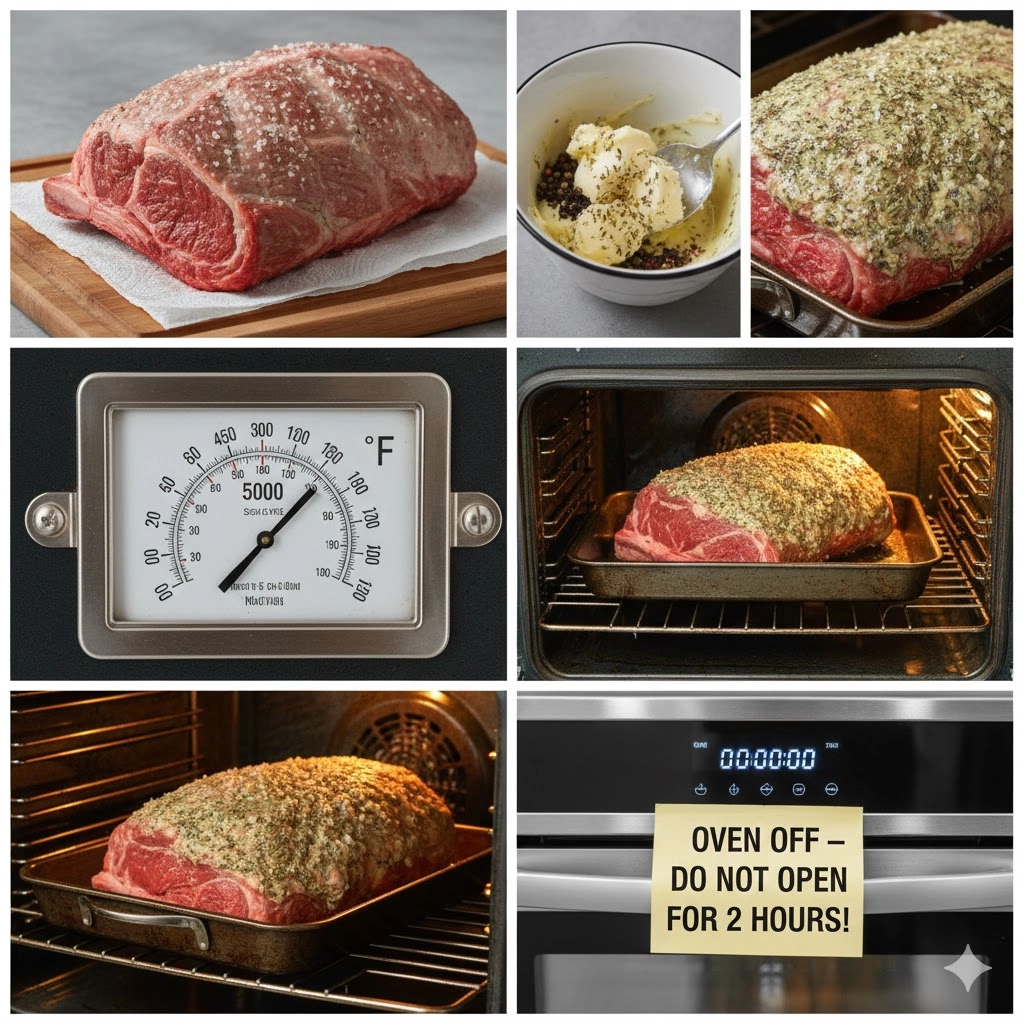
- Prepare the Roast: Bring the prime rib out of refrigeration until it is completely at room temperature. Pat the surface thoroughly dry with paper towels.
- Mix and Apply the Rub: Combine the softened butter, one tablespoon of pepper, and the Herbes de Provence in a small mixing bowl. Spread this aromatic mixture evenly over the entire exterior of the roast.
- Season Heavily: Generously season the buttered exterior with coarse salt. This creates the foundational layer for the desirable crisp crust.
- Calculate the Blast Time: Multiply the exact weight of the roast in pounds by five minutes. Example: A 4.2-pound roast requires 21 minutes of cooking time.
- Preheat the Oven: Set your oven to five hundred Fahrenheit. Allow it to fully preheat for a minimum of twenty-five minutes after the preheat light indicates readiness.
- The High-Heat Blast: Place the roast in the preheated oven and cook for the calculated time determined in step four.
- The Passive Rest: When the timer concludes, turn the oven completely off, but do not open the oven door.
- The Wait: Allow the roast to rest undisturbed inside the cooling oven for exactly two hours. This is the crucial resting period.
- Serve: Remove the roast, slice, and serve immediately. No further resting is required, as it has already occurred.
Achieving the Ideal Crust and Center: A Step-by-Step Breakdown
The magic of this roast is in the execution of the technique. While the steps above provide the roadmap, understanding the subtle sensory indicators and technical precision is what differentiates a good roast from an exemplary one.
The Thermal Equilibrium: Why Room Temperature Matters
When you take the roast out of the refrigerator, you are beginning the most vital preparatory step. A cold roast placed into a hot oven will cook unevenly, with the outer layers having to heat up significantly before the center even begins to register a temperature change. By letting the center come closer to seventy Fahrenheit, we ensure that the high-heat blast can sear the exterior rapidly without overcooking the meat directly underneath the crust. The exterior of the beef should feel neutral to the touch, not cool, when it is time to cook.
Crafting the Aromatics
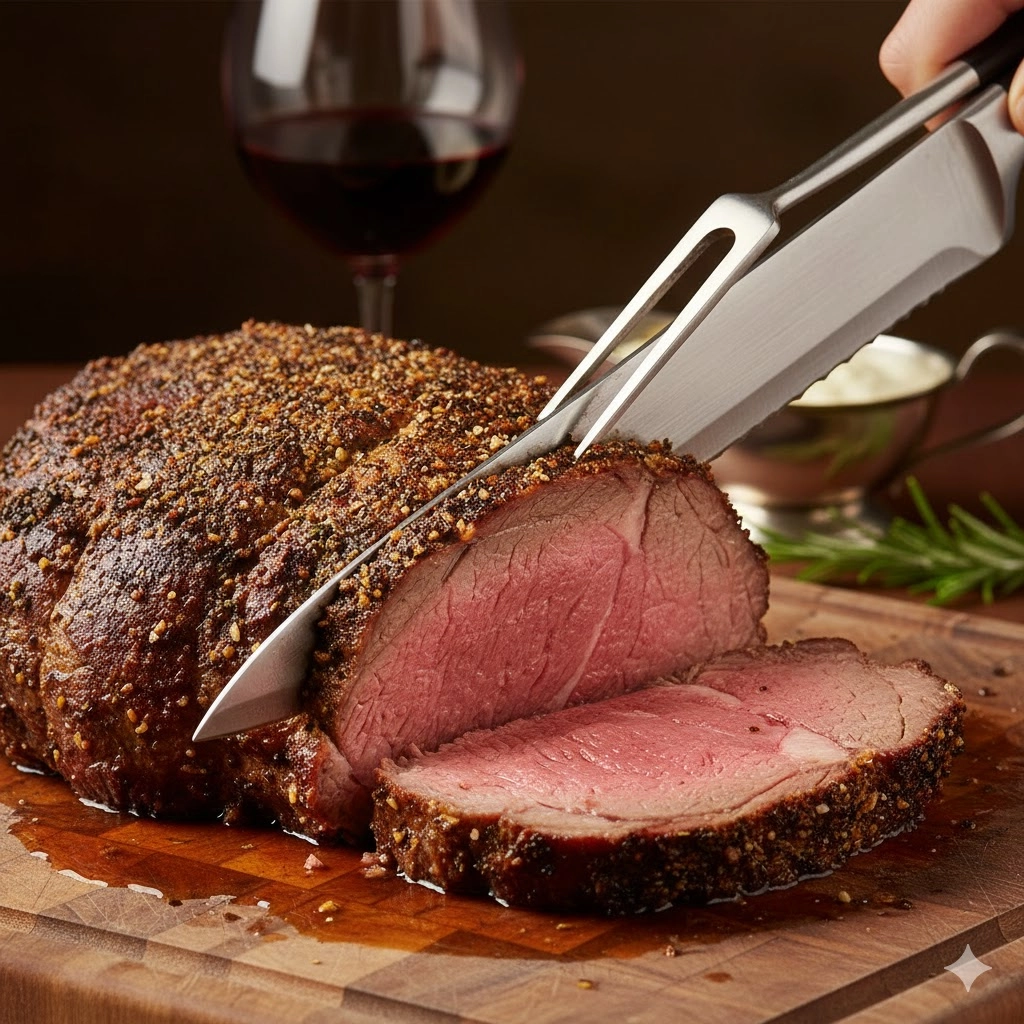
The initial herb-butter rub serves three functions: it is a binder for the salt and pepper, it provides a medium for heat transfer, and it introduces deep, complex flavor. When mixing the softened butter, aim for a consistency that is easily spreadable but not melted. You want a thick, insulating layer. As you apply the kosher salt, do not be shy. This layer of salt will draw out small amounts of moisture and mix with the fat, ultimately creating a mineral-rich, deeply browned crust—a critical component of Chef John’s Perfect Prime Rib. The surface should appear fully coated, like a fine piece of stone that has been encrusted with large, glittering salt flakes.
The Intense Sear
When the oven is five hundred Fahrenheit, it is ready to perform. The high temperature achieves the Maillard reaction—the chemical process responsible for browning and flavor development—in the shortest possible time. Place the roast in a shallow roasting pan, ideally on a rack, to allow heat circulation underneath.
- Sensory Cue: Within the first ten minutes, your kitchen should begin to fill with the savory, sharp aroma of beef fat meeting intense heat, followed quickly by the herbaceous notes of the melting butter and the Herbes de Provence. The crust will darken rapidly.
- Doneness Check: There is no doneness check during this phase; you must rely solely on the calculated timer. This short period is purely about building the exterior crust.
The Passive Rest and Redistribution
This is the phase that confounds and challenges new cooks, yet it is the core genius of the method. Once the timer buzzes, the oven is turned off, effectively becoming a very large, perfectly insulated warming chamber. The external heat source is gone, but the internal temperature of the oven is still exceptionally high, dropping slowly over the two-hour period.
- Internal Process: The meat, having been shocked by the high heat, now has juices heavily concentrated in the center. As the oven temperature passively lowers, the roast gradually cools from the outside in. This allows the heat energy trapped within the muscle fibers to continue cooking the meat gently, while the muscle fibers themselves relax, enabling the juices to slowly and evenly redistribute throughout the entire cut. This is a continuous, in-situ resting period.
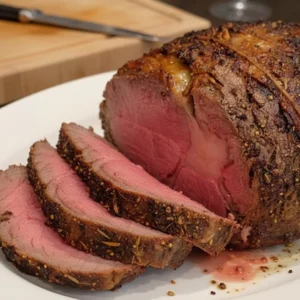
- Mistake to Avoid: Opening the oven door, even for a second, will release an enormous amount of trapped heat and render the process inaccurate. If you break the seal, the resting process stops, and you risk an undercooked or unevenly cooked roast. Trust the two-hour window. The resulting roast will hold a beautiful, consistent medium-rare (around 125 to 130 Fahrenheit internal temperature) right to the edges.
The Cook’s Wisdom: Expert Technique Notes
This seemingly simple recipe has a few high-level considerations that ensure its consistent success, particularly in a home kitchen environment.
- Oven Calibration is Key: This method demands an oven that can genuinely reach and hold five hundred Fahrenheit. If your oven is older or prone to temperature swings, consider purchasing an inexpensive oven thermometer to verify accuracy before starting. A difference of twenty-five Fahrenheit can impact the final result significantly.
- Using a Probe Thermometer: While the method is mathematical, a probe thermometer set to alarm at 120 Fahrenheit is your insurance policy. If your oven’s insulation is poor, the roast may hit target temperature sooner. If the alarm sounds, pull the roast immediately, regardless of the two-hour mark. This prevents an expensive mistake.
- The Bone Factor: Leaving the bone in acts as a natural heat buffer and insulator, contributing to a juicier result and providing superior flavor. It also provides a base for the roast, keeping it slightly elevated. Always weigh the roast with the bone to ensure the mathematical timing is correct.
- Handling a Large Roast: If preparing a roast over eight pounds, consider cutting it into two smaller pieces. This improves the surface-area-to-mass ratio and ensures the high-heat blast can penetrate effectively, giving you more consistent medium-rare results across the board. Calculate the cooking time for each piece individually, or average the weight for the combined cooking time, but keep them separated in the oven.
- Dealing with a Convection Setting: If your oven has a convection fan, do not use it for this method. Convection circulates air, which drastically changes the heat transfer rate and will interfere with the passive cooling stage of the recipe. Use the standard bake setting only.
Customizing the Flavor Profile
The beauty of this high-impact cooking method is that the seasonings can be easily adapted to suit personal preference or cultural cuisine without altering the critical timing.
- Garlic and Herb Focus: Swap out the Herbes de Provence for a pungent mix of minced fresh rosemary, finely chopped sage, and four cloves of crushed garlic mixed into the butter. The fresh herbs and garlic will infuse the crust with an even sharper, more pronounced aroma.
- Blackening Spice Rub: For a darker, spicier crust, replace the butter with a thin layer of olive oil and apply a generous coat of a blackening seasoning blend (paprika, cayenne, onion powder, dried thyme). This will result in an aggressively flavored crust, though you must monitor for scorching during the high-heat blast.
- Mustard Seed Crust: Create a robust binder by mixing two tablespoons of Dijon mustard with a teaspoon of whole black mustard seeds and one teaspoon of dried marjoram. The mustard adds a desirable tang that cuts through the richness of the beef fat.
- Gluten-Free Crumb: For added texture, incorporate two tablespoons of finely ground, gluten-free breadcrumbs or rice flour into the seasoned butter mixture. This addition helps create an even thicker, more resilient crust during the sear.
What to Serve Alongside the King of Roasts
A spectacular main dish requires accompaniments that offer complementary textures and flavors, enhancing the richness of the beef without overshadowing it.
- Classic Creamy Horseradish Sauce: A tangy, sharp horseradish sauce is non-negotiable. Its pungent nature cuts through the heavy fat of the beef, providing a necessary counterpoint. Use freshly grated horseradish for the best heat, tempered with thick sour cream or crème fraîche.
- Simple Beef Au Jus: The drippings from the roast, once degreased, form the perfect base for an au jus. Simmer the drippings with a cup of beef stock, a splash of dry red wine, and a sprig of fresh thyme. This provides the ideal savory liquid for moistening the sliced meat.
- Root Vegetable Puree: Instead of standard mashed potatoes, serve a creamy parsnip or celery root puree. Their subtly sweet and earthy flavors pair excellently with prime rib, and the smooth, light texture contrasts the chew of the meat and the crisp crust.
- Blistered Green Beans: A vibrant, green vegetable provides color and freshness. Toss green beans with a small amount of olive oil and sea salt, then blister them quickly in a very hot pan or beneath the broiler for two to three minutes until they are slightly charred but still crisp.
Questions From the Roasting Line
Even with a defined, precise method, cooks often have tactical questions about executing a roast of this magnitude.
Can I use a boneless rib roast with this method?
Yes, the mathematical method still applies to a boneless roast, but you may need to reduce the five-minute-per-pound cooking time by one minute to compensate for the bone’s absent insulating effect. A boneless roast also tends to cook more quickly and requires the precise room-temperature start even more critically. Always measure the boneless roast’s weight exactly.
How do I adjust the time for medium or well-done results?
The core method is calibrated specifically for a perfect medium-rare. To achieve a slightly higher internal temperature (like 135 to 140 Fahrenheit for medium), you can increase the initial high-heat blast by approximately twenty percent of the calculated time. However, this is not recommended, as the gradual rest phase is designed to prevent overcooking the outer layer. The simplest solution is to serve slices from the ends of the roast, which will naturally be more done.
Why is salt applied before the high-heat searing?
Salt applied early acts as a dry brine. It draws out a small amount of moisture, which then dissolves the salt, creating a brine that is reabsorbed back into the meat. This process seasons the meat deeply beneath the surface and contributes to a much drier exterior, which is essential for developing the deep, flavorful crust during the initial five hundred Fahrenheit blast.
I have a smaller, two-pound roast. Will the math still work?
A two-pound roast is the smallest size recommended for this technique. The calculation would require a ten-minute high-heat blast, followed by the standard two-hour rest. For roasts smaller than this, the risk of uneven cooking increases significantly, and a more traditional reverse-sear method (low and slow, then high sear) might be more appropriate.
Do I need to make an Au Jus?
While highly recommended, it is not mandatory. The prime rib cooked using this method is so inherently juicy and flavorful that it stands perfectly well on its own. The au jus is primarily there to provide moisture for those who prefer their meat served wet and to offer a second layer of savory, rich flavor derived from the rendered fat and beef extractives.
Nutritional Overview
A typical serving of this incredibly rich, expertly cooked roast provides a substantial amount of protein and healthy fats, with minimal carbohydrates. Note that actual values will depend heavily on the specific cut of meat used and the size of the portion served.
| Nutrient | Amount per Serving |
| Calories | 750 kcal |
| Protein | 60 g |
| Carbs | 2 g |
| Fat | 55 g |
| Fiber | 1 g |
| Sugar | 1 g |
| Sodium | 280 mg |
Nutrition information is an estimate and may vary based on preparation and ingredients used.
Chef John’s Perfect Prime Rib
Ingredients
- 1 (4 pound) bone-in prime rib roast, room temperature
- Kosher salt (or fine sea salt)
- Freshly ground black pepper
- 0.25 cup unsalted butter, softened to room temperature
- 1 tbsp freshly ground black pepper
- 1 tsp Herbes de Provence (or dried thyme, rosemary, and marjoram blend)
- Additional coarse salt for crust
Instructions
- Bring the 4-pound prime rib out of refrigeration until it is completely at room temperature (3-6 hours). Pat the surface thoroughly dry with paper towels.
- Combine the softened butter, one tablespoon of pepper, and the Herbes de Provence. Spread this aromatic mixture evenly over the entire exterior of the roast. Generously season the buttered exterior with coarse salt.
- Calculate the blast time: Multiply the exact weight of the roast in pounds by five minutes (e.g., 4.0 lbs x 5 min = 20 minutes). Set your oven to five hundred Fahrenheit and allow it to fully preheat.
- Place the roast in the preheated oven and cook for the exact calculated time.
- When the timer concludes, turn the oven completely off, but do not open the oven door. Allow the roast to rest undisturbed inside the cooling oven for exactly two hours (120 minutes).
- Remove the roast from the oven, slice to your desired thickness, and serve immediately. No further resting is required.
Notes
Equipment
- roasting pan
- Wire Rack (optional) Helps with heat circulation
- Oven Thermometer (recommended) To verify 500 Fahrenheit accuracy
- Digital Meat Thermometer (optional) For internal temperature monitoring