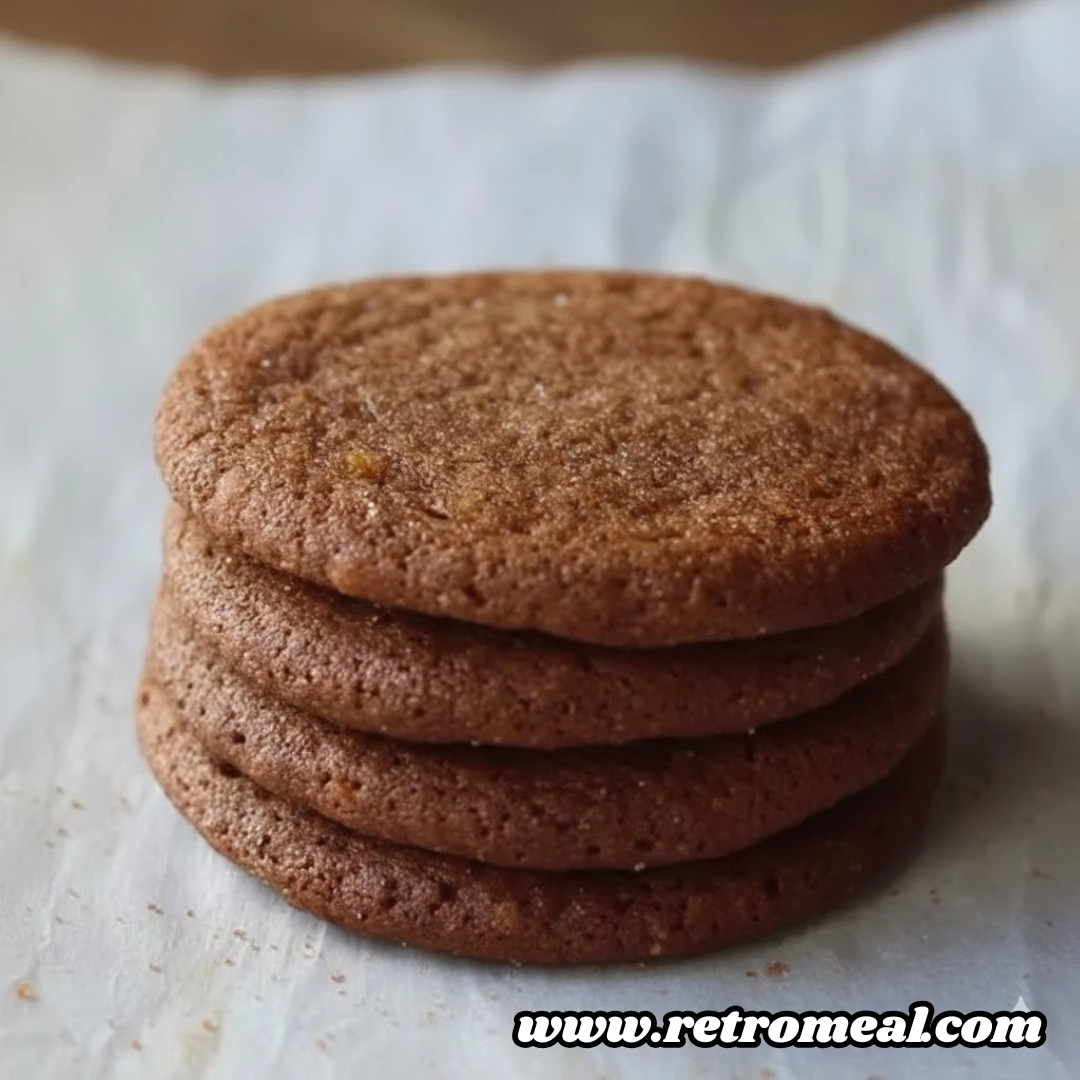
The holiday season often brings a parade of overly sweet treats, but sometimes the palate craves something with a bit more bite and a sophisticated edge. Enter Chef John’s Gingersnap Cookies, a recipe that redefines what a spice cookie can be. These are not your average, timid ginger biscuits; they are a bold celebration of warmth, texture, and a surprising kick of heat. Whether you prefer them soft and chewy or with a definitive, crystalline snap, this recipe offers the versatility to satisfy every cookie lover in your household.
Table of Contents
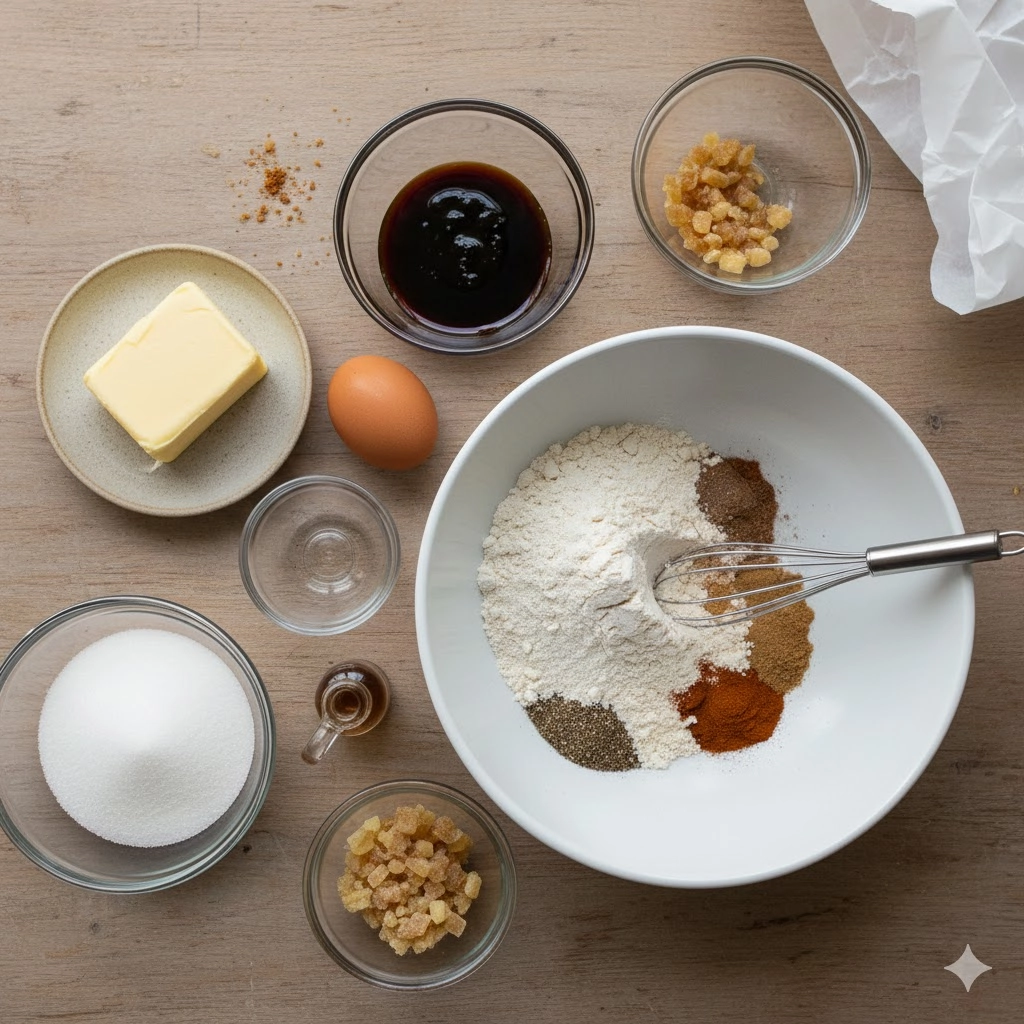
Ingredients
- 2 cups all-purpose flour
- 2 tablespoons all-purpose flour
- 2 teaspoons ground ginger
- 1 1/2 teaspoons ground cinnamon
- 1 1/2 teaspoons baking soda
- 1/2 teaspoon fine salt
- 1/4 teaspoon ground cloves
- 1/4 teaspoon ground black pepper
- 1/8 teaspoon cayenne pepper
- 12 tablespoons unsalted butter, softened
- 2/3 cup white sugar
- 1/3 cup finely minced candied ginger
- 1/4 cup molasses
- 1/2 teaspoon vanilla extract
- 1 large egg, beaten
- 1/2 cup white sugar, or as needed for rolling cookies
Instructions
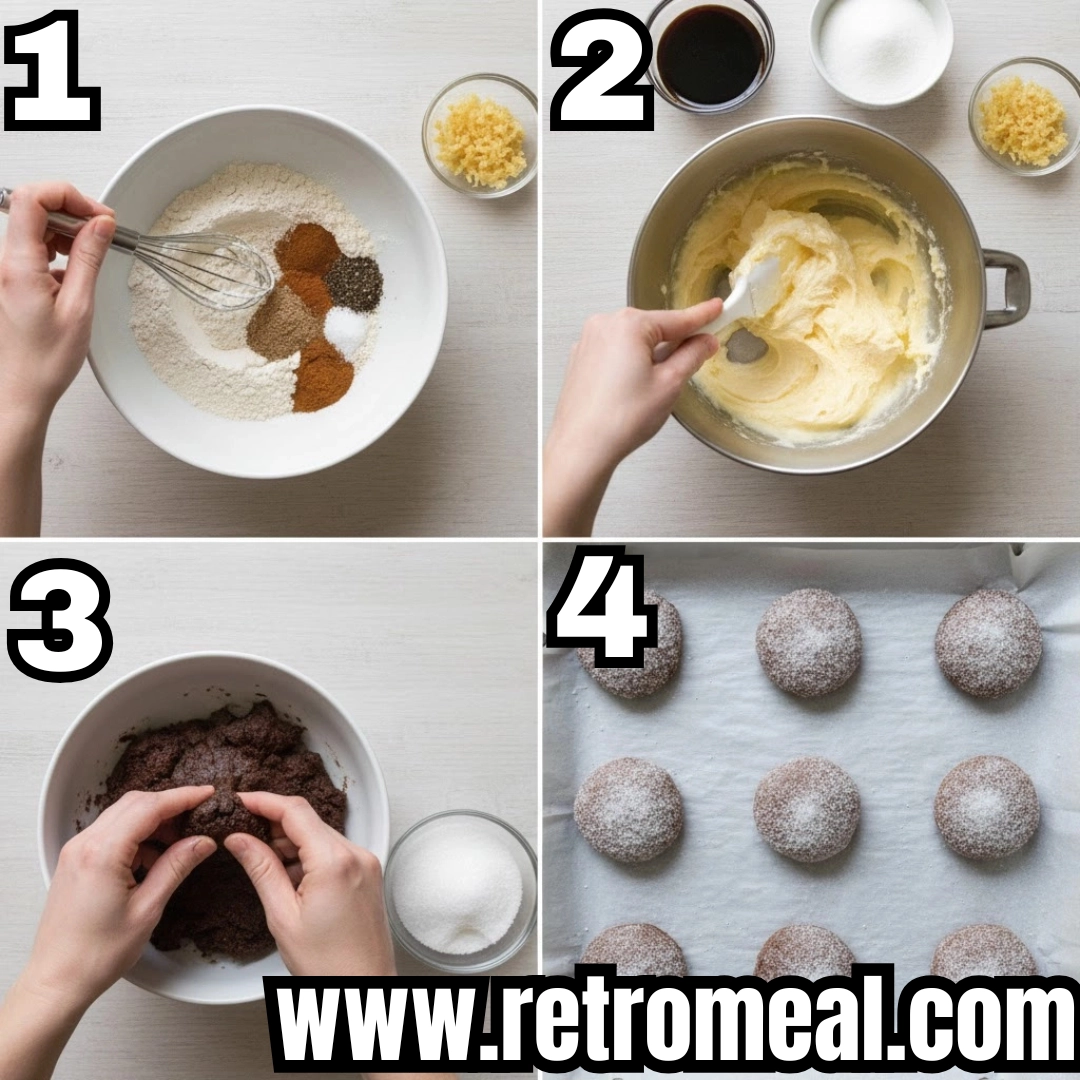
- Begin by preparing your dry base. In a large mixing bowl, whisk together the 2 cups plus 2 tablespoons of all-purpose flour, the ground ginger, cinnamon, baking soda, fine salt, cloves, black pepper, and cayenne pepper. Continue whisking until the spices are evenly distributed and the mixture is uniform in color.
- In a separate secondary bowl, focus on the creamed components. Combine the softened unsalted butter and 2/3 cup of white sugar. Beat these together for approximately 2 minutes, or until the mixture transforms into a pale yellow, creamy consistency.
- To the butter mixture, incorporate the finely minced candied ginger, molasses, vanilla extract, and the beaten egg. Whisk these wet ingredients vigorously until the texture is well blended and smooth.
- Gently introduce the flour mixture into the butter mixture. Use a sturdy spoon or spatula to stir the components together just until the streaks of flour disappear. Avoid overmixing to keep the texture ideal.
- Cover the dough bowl tightly with plastic wrap and place it in the refrigerator. Allow the dough to chill and firm up for at least 1 hour.
- When ready to bake, preheat your oven to 350 degrees Fahrenheit. Prepare a baking sheet by lining it with parchment paper. Pour the remaining 1/2 cup of white sugar into a shallow dish or small bowl.
- Using a small scoop or a teaspoon, portion out approximately 1 1/2 teaspoons of the chilled dough. Roll the dough between your palms to form neat balls, then roll each ball in the dish of white sugar until fully coated.
- Arrange the sugar-coated balls on the parchment-lined baking sheet. Gently press down on each ball to flatten it until it is about 1/4 inch thick. For an extra touch of sweetness and texture, sprinkle a tiny pinch more sugar over the tops.
- Bake the cookies in the preheated oven. Depending on your preference for a chewy or crispy result, bake for 10 to 15 minutes. Once the edges are set and the tops have developed their signature crackle, remove from the oven and allow to cool.
The Science of the Perfect Cookie Snap
Understanding why these cookies are called “snaps” involves a fascinating look at kitchen chemistry. The interaction between the molasses and the baking soda is the primary driver of both the flavor profile and the physical structure of the cookie. Molasses is acidic, and when it meets the alkaline baking soda, a chemical reaction occurs that produces carbon dioxide gas. This gas helps the cookies rise slightly, but because the dough is relatively lean on moisture compared to a cake, the structure quickly sets.
The inclusion of both ground ginger and candied ginger serves a dual purpose. The ground ginger permeates the flour, ensuring every bite has that baseline warmth. The candied ginger, however, provides concentrated pockets of intense flavor and a slightly gummy texture that contrasts beautifully with the crisp exterior. When you bake these for the full 14 or 15 minutes, the moisture evaporates more completely, allowing the sugars to caramelize and harden into that coveted “snap” that gives the cookie its name.
Sophisticated Flavor Profiles and Spice Adjustments
What sets this specific recipe apart from standard supermarket varieties is the inclusion of black pepper and cayenne. While it might seem counterintuitive to put pepper in a dessert, these ingredients function as flavor enhancers. The black pepper adds an earthy, floral heat that lingers on the back of the tongue, while the tiny pinch of cayenne provides a sharp, immediate zing that wakes up the taste buds.
For those who are sensitive to heat, the 1/8 teaspoon of cayenne is subtle enough that it won’t overwhelm, but it provides a “glow” rather than a burn. If you are a fan of truly spicy treats, you can experiment by slightly increasing the cayenne or adding a touch more ground ginger. The goal is a balance where the sweetness of the molasses and the sugar coating balances the pungent spices, creating a complex flavor arc that moves from sweet to spicy to warm.
Achieving the Ultimate Creamy Consistency
The “creaming” stage of this recipe is where the foundation of the cookie’s texture is built. When you beat the softened unsalted butter with the white sugar for those full 2 minutes, you aren’t just mixing them; you are aerating the fat. The sugar crystals act as tiny scrubbers that carve microscopic air pockets into the butter.
These air pockets are vital because they provide a space for the leavening gases to expand. If you rush this step, your cookies may turn out dense or greasy rather than light and crisp. You want the butter to be soft enough that a finger leaves an indentation, but not so soft that it is melting or oily. This “cool room temperature” butter is the secret to a dough that holds its shape and develops a beautiful, uniform crackle on top as it bakes.
Accompaniments and Creative Serving Ideas
While Chef John’s Gingersnap Cookies are a powerhouse on their own, they also serve as an incredible component for more elaborate desserts. Because they have such a distinct, spicy profile, they pair exceptionally well with creamy, mild bases.
- The Classic Coffee Pairing: These cookies were born to be dunked. A dark, bold roast coffee or a creamy latte provides a bitter contrast that highlights the molasses notes in the cookie.
- Gingersnap Ice Cream Sandwiches: Take two cookies and sandwich a generous scoop of high-quality vanilla bean or salted caramel ice cream between them. The spice of the ginger against the cold, sweet cream is a match made in heaven.
- A Component for Crusts: If you find yourself with extras (a rare occurrence), you can pulse these cookies in a food processor to create crumbs. These crumbs make an incredible base for a pumpkin cheesecake or a key lime pie, adding a level of flavor that a standard graham cracker crust simply cannot match.
- Afternoon Tea Elevators: Serve these alongside a pot of Earl Grey or Chai tea. The bergamot in Earl Grey or the existing spices in Chai will harmonize perfectly with the cinnamon and cloves in the dough.
Modifications and Ingredient Substitutions
Baking is a science, but there is always room for a little bit of artistry and adaptation based on what you have in your pantry. If you find yourself missing an ingredient, here is how you can pivot without losing the essence of the gingersnap.
If you do not have candied ginger on hand, you can increase the ground ginger by another half teaspoon, though you will miss those chewy “jewels” in the dough. For the molasses, it is best to use unsulphured molasses for a clean, sweet flavor. Avoid Blackstrap molasses unless you want a very intense, almost bitter medicinal flavor, which might overpower the delicate balance of spices.
Regarding the fat, while unsalted butter is the gold standard for flavor and browning, some bakers prefer a 50/50 split of butter and shortening to ensure a cookie that spreads less and stays crisper for longer. However, the 100 percent butter version provided by Chef John yields the best flavor profile. For the sugar, if you want a deeper, more toffee-like flavor, you could substitute the 2/3 cup of white sugar in the dough for light brown sugar, though this will result in a softer, chewier cookie rather than a snappy one.
Mastering the Bake: Chewy vs. Crispy
The most critical variable in this recipe is the bake time, and it is something you should monitor closely. Since every oven has its own personality and hot spots, the “10 to 15 minute” window is your guide.
If you pull the cookies out at the 10 or 11-minute mark, they will look slightly underdone in the center. As they cool on the baking sheet, they will firm up on the edges but retain a fudge-like, chewy center. This is the “soft-batch” style gingersnap. If you wait until the 14 or 15-minute mark, the sugars will have fully dehydrated and caramelized. These cookies will be firm to the touch and, once cooled, will offer that signature “snap” when broken in half. For the best of both worlds, bake a small “tester” batch of three cookies first to see exactly how your oven performs.
Deep-Dive FAQ
Why did my gingersnaps turn out flat and spread too much during baking?
This is often caused by the butter being too soft or even slightly melted before the creaming process began. If the fat is too liquid, it cannot hold the air pockets needed for structure, causing the cookie to collapse outward. Another common culprit is high altitude; if you live in a high-elevation area, you may need to add an extra tablespoon or two of flour to provide more structural support against the lower atmospheric pressure.
Can I freeze the dough to bake later, and should I roll them in sugar first?
Yes, this dough freezes beautifully. For the best results, portion the dough into balls but do not roll them in sugar or flatten them yet. Freeze the balls on a tray until solid, then transfer them to a zip-top bag. When you are ready to bake, let them thaw in the refrigerator for an hour, then roll in sugar, flatten, and bake as directed. This ensures the sugar coating stays crisp and sparkly rather than dissolving into the dough.
Is there a specific reason for using both black pepper and cayenne?
The two peppers target different parts of the palate. Black pepper provides an aromatic, woody heat that complements the earthy cloves and cinnamon. The cayenne provides a sharp “top note” of heat. Together, they create a multi-dimensional spice profile that elevates the cookie from a simple sweet treat to a complex culinary experience. It makes the ginger “pop” more than it would with just sugar and cinnamon.
How should I store these cookies to keep them from getting soft?
To maintain the “snap,” store these cookies in an airtight container at room temperature. If you live in a very humid environment, you can place a small piece of parchment paper between layers. Avoid putting a slice of bread in the container (a common trick for soft cookies) as this will introduce moisture and turn your snappy cookies soft. If they do lose their crunch, you can pop them back into a 300-degree oven for 2 to 3 minutes to crisp them back up.
Elevating the Holiday Cookie Tray
When the holidays arrive, the kitchen becomes a place of tradition and warmth. These gingersnaps offer a nostalgic flavor that reminds many of us of grandmother’s kitchen, but with a modern, spicy twist that appeals to contemporary tastes. They are sturdy enough to be packaged in tins for gifting and have a long shelf life, making them the perfect “make-ahead” treat for busy seasons. The beautiful crackled tops and the sparkle of the sugar coating make them a visual standout on any dessert platter, promising a flavor that is as bold as it is comforting.
Nutrition Table
| Nutrient | Amount Per Serving |
| Calories | 64 |
| Total Fat | 3 grams |
| Saturated Fat | 2 grams |
| Cholesterol | 10 milligrams |
| Sodium | 55 milligrams |
| Total Carbohydrates | 10 grams |
| Dietary Fiber | 0 grams |
| Total Sugars | 6 grams |
| Protein | 1 gram |
| Vitamin D | 0 micrograms |
| Calcium | 5 milligrams |
| Iron | 0 milligrams |
| Potassium | 18 milligrams |
Disclaimer
Nutrition Disclosure
The nutritional information provided is an estimate based on the specific ingredients and measurements listed in the recipe. Actual nutritional content may vary depending on the brands of ingredients used and the exact portion sizes created. For individuals with specific dietary restrictions or medical conditions, it is recommended to consult with a professional nutritionist or use a specialized nutrition calculator.
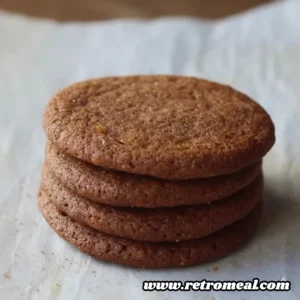
Chef John’s Gingersnap Cookies
Ingredients
- 2 cups all-purpose flour
- 2 tbsp all-purpose flour
- 2 tsp ground ginger
- 1.5 tsp ground cinnamon
- 1.5 tsp baking soda
- 0.5 tsp fine salt
- 0.25 tsp ground cloves
- 0.25 tsp ground black pepper
- 0.125 tsp cayenne pepper
- 12 tbsp unsalted butter, softened
- 0.66 cup white sugar
- 0.33 cup finely minced candied ginger
- 0.25 cup molasses
- 0.5 tsp vanilla extract
- 1 large egg, beaten
- 0.5 cup white sugar (for rolling)
Instructions
- In a large mixing bowl, whisk together the flour, ground ginger, cinnamon, baking soda, salt, cloves, black pepper, and cayenne until thoroughly mixed.
- In a separate bowl, cream the softened butter and 2/3 cup sugar until the mixture is pale yellow and creamy, roughly 2 minutes.
- Whisk the minced candied ginger, molasses, vanilla, and beaten egg into the butter mixture until well blended.
- Stir the flour mixture into the butter mixture just until the flour disappears. Cover with plastic wrap and refrigerate for 1 hour.
- Preheat your oven to 350 degrees Fahrenheit and line a baking sheet with parchment paper. Place 1/2 cup sugar in a shallow dish.
- Scoop 1.5 teaspoons of dough, roll into a ball, and coat thoroughly in white sugar.
- Place on the baking sheet and flatten to 1/4-inch thickness. Sprinkle with a tiny bit more sugar.
- Bake for 10 to 15 minutes depending on desired crispiness. Let cool on the sheet to set the snap.
Notes
Equipment
- large mixing bowl
- Electric hand mixer or whisk
- baking sheet
- parchment paper
- Small dough scoop (1.5 tsp)
- Shallow rolling dish