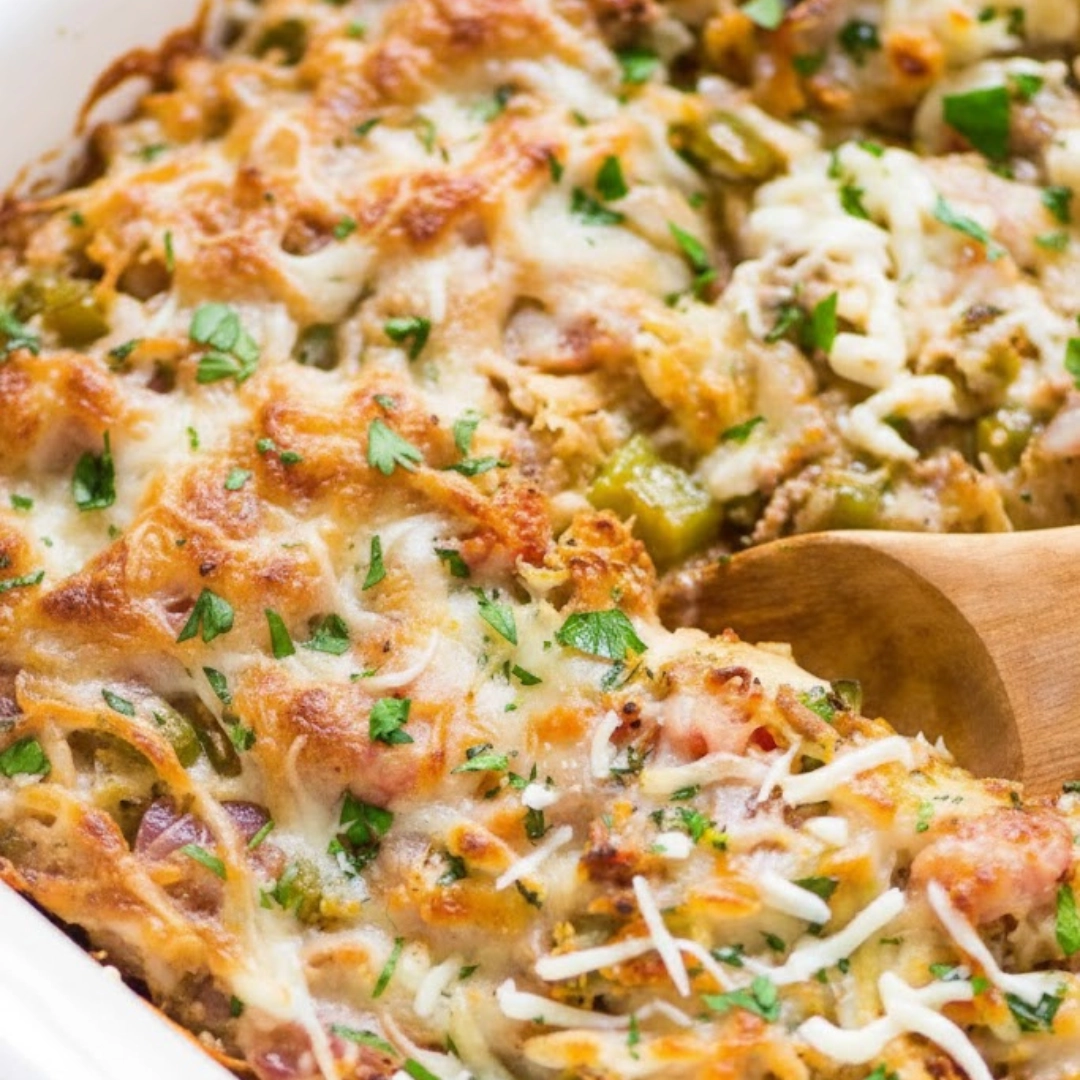
When the air turns crisp and the evening shadows grow long, there is nothing quite like a bubbling dish of comfort food to warm the soul. This spaghetti squash casserole is the answer for anyone seeking that deep, savory satisfaction of a traditional pasta bake without the heavy, carbohydrate-laden aftermath. By utilizing the unique, ribbon-like strands of the spaghetti squash, we create a base that mimics the texture of vermicelli while absorbing the rich flavors of Italian herbs and browned turkey.
This recipe is a masterclass in balance. It marries the lean protein of ground turkey with the vibrant crunch of bell peppers and the aromatic sweetness of red onions. Unlike many heavy casseroles that rely on thick cream sauces, this dish allows the natural juices of diced tomatoes and the brightness of fresh garlic to provide moisture. It is a wholesome, nutrient-dense meal that feels like a cheat day treat, proving that healthy eating never has to be synonymous with sacrifice.
Table of Contents
Ingredients
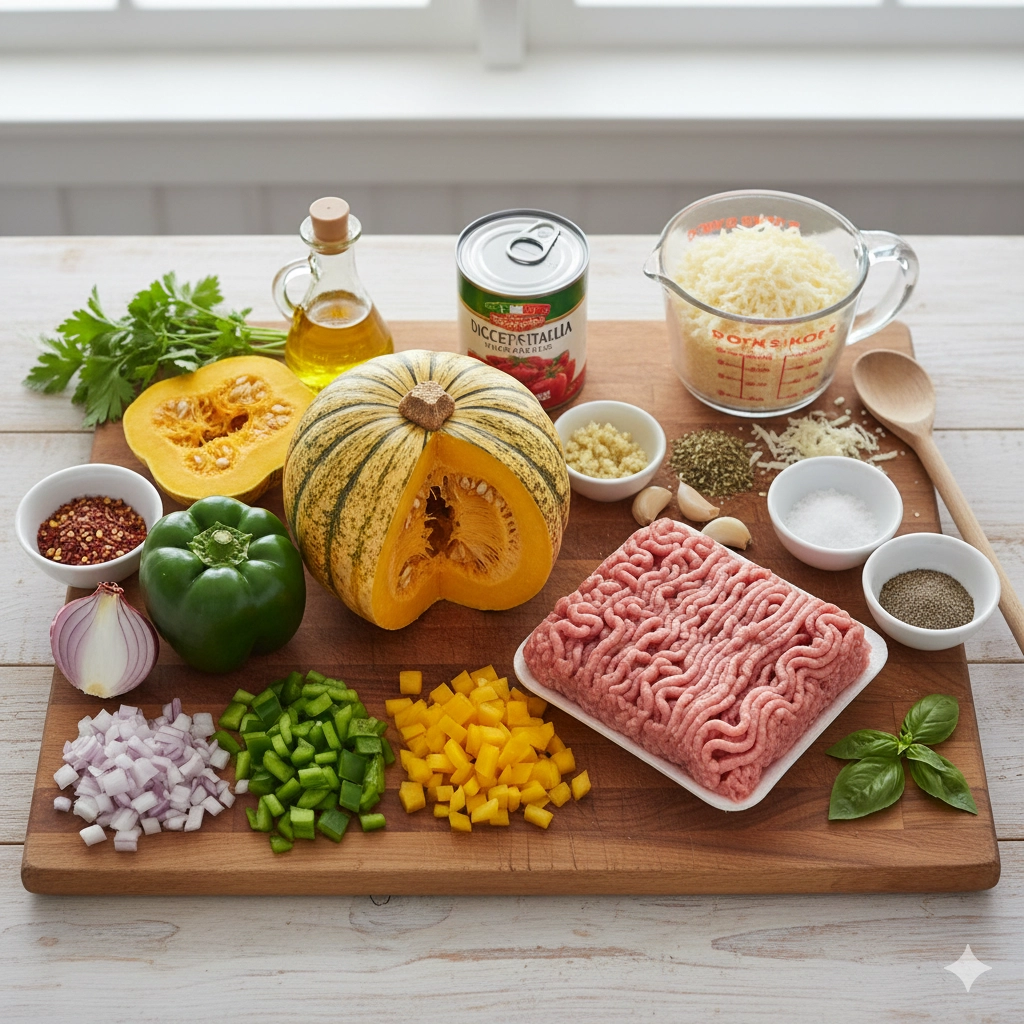
To ensure your spaghetti squash casserole turns out perfectly, gather the following fresh ingredients. Please note that the quality of your squash and the freshness of your spices will directly impact the final flavor profile.
- 1 small to medium spaghetti squash (approximately 2 pounds)
- 2 teaspoons extra virgin olive oil
- 1 pound 93 percent lean ground turkey
- 1 small red onion, finely diced
- 1 green bell pepper, cored and diced
- 1 teaspoon kosher salt
- 1/2 teaspoon ground black pepper
- 1 can (14.5 ounces) diced tomatoes with Italian spices, thoroughly drained
- 3 cloves garlic, minced
- 1 teaspoon Italian seasonings (or a customized blend of dried oregano, basil, and thyme)
- 1/2 teaspoon crushed red pepper flakes (reduce to 1/4 teaspoon for a milder heat profile)
- 1 cup freshly grated part skim mozzarella or provolone cheese, divided into two half-cup portions
- Chopped fresh parsley or basil for a vibrant garnish
Instructions
Step 1: Preparing the Squash Base
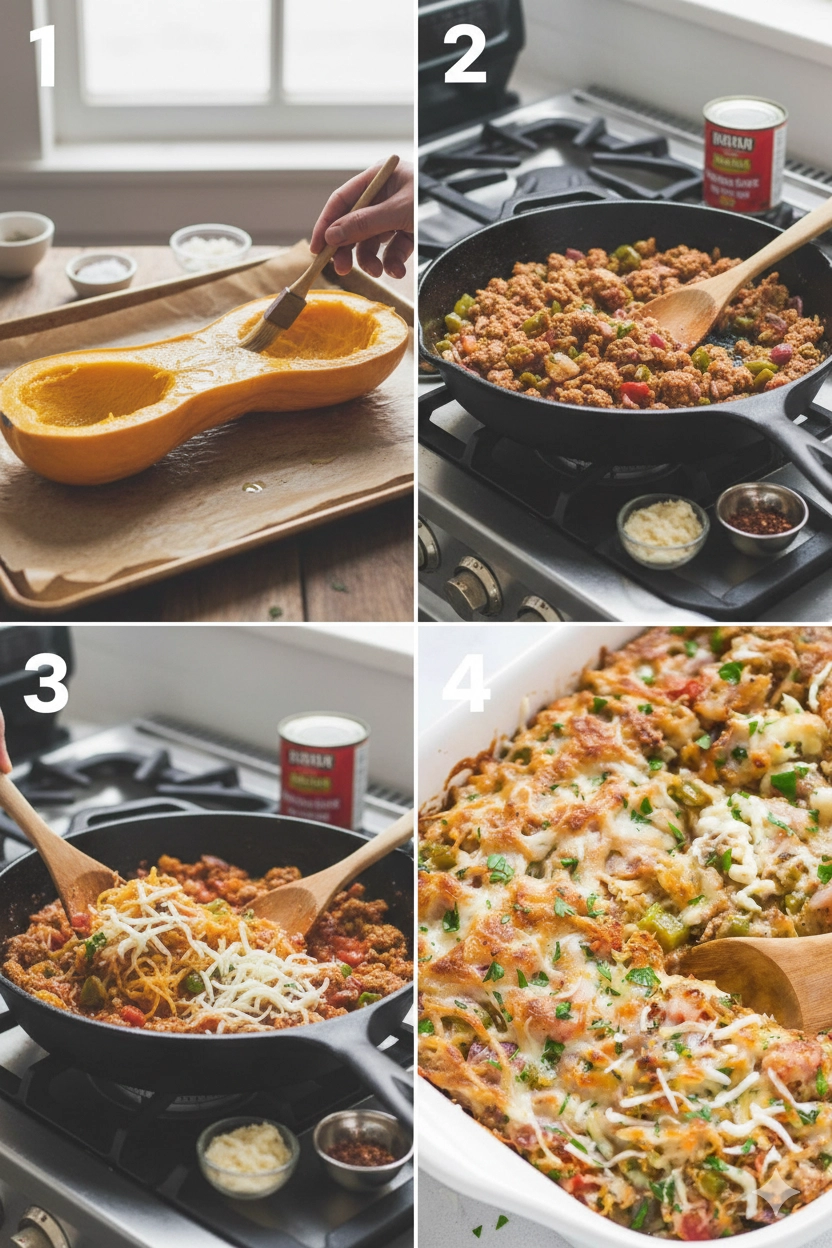
Begin by placing an oven rack in the center position and preheating your oven to 400 degrees Fahrenheit. Prepare the spaghetti squash by roasting it until the flesh is tender. Once the squash has cooled sufficiently to handle, use a sturdy metal fork to scrape the interior, pulling the golden strings away from the skin. These strands should resemble thin spaghetti. Transfer all the shredded squash into a large mixing bowl and set it aside.
Step 2: Sautéing the Aromatics and Protein
Lower the oven temperature to 350 degrees Fahrenheit. In a large, deep skillet, heat the extra virgin olive oil over medium high heat. Add the lean ground turkey, diced red onion, and green bell pepper. Season the mixture with the kosher salt and black pepper. As the ingredients cook, use a wooden spoon to break the turkey into small crumbles. Continue cooking for about 8 minutes, or until the meat is thoroughly browned and the peppers and onions have reached a tender consistency.
Step 3: Integrating Flavors
To the skillet, add the drained diced tomatoes, minced garlic, Italian seasoning, and red pepper flakes. Stir well and continue to cook for approximately 4 minutes. This allows the excess moisture from the tomatoes to evaporate, concentrating the savory flavors. Once the liquid has reduced, fold in the reserved spaghetti squash strands. Stir for another 1 to 2 minutes, ensuring the squash is well-coated. If the mixture seems too wet, increase the heat slightly to cook off any lingering liquid. Stir in the first 1/2 cup of shredded mozzarella cheese until it begins to melt and bind the ingredients together.
Step 4: The Final Bake
Lightly coat a deep 8 by 8 inch baking dish or a 2 quart casserole dish with nonstick cooking spray. Using a slotted spoon to avoid transferring excess liquid, transfer the squash and turkey mixture into the prepared dish, spreading it into an even layer. Bake the casserole uncovered for 20 minutes.
Step 5: The Cheesy Finish
Carefully remove the dish from the oven and sprinkle the remaining 1/2 cup of mozzarella cheese over the top. Return the casserole to the oven for an additional 5 to 10 minutes until the cheese is fully melted and bubbling. For a professional, golden-brown finish, you may place the dish under the broiler for 1 to 2 minutes at the very end.
Step 6: Resting and Serving
Remove the dish from the oven and garnish with a generous handful of chopped fresh parsley or basil. Allow the casserole to rest for 5 minutes; this crucial step helps the flavors settle and any remaining juices to be reabsorbed. Serve hot.
Mastery of the Spaghetti Squash Texture
One of the most common challenges home cooks face when preparing a spaghetti squash casserole is managing the moisture content of the squash. Because spaghetti squash is over 90 percent water, it has a tendency to release liquid during the secondary baking process, which can lead to a soggy result if not handled correctly.
The secret to a “crunchy” rather than mushy texture lies in the initial roasting phase. You want the squash to be “al dente”—meaning it has a slight bite to it—before it even enters the casserole dish. If you over-roast the squash in the first step, it will inevitably turn to mush during the final 25 to 30 minutes in the oven. Furthermore, using a slotted spoon when moving the mixture from the skillet to the baking dish is a non-negotiable step. This ensures that the flavorful fats and seasonings make it into the dish, while the excess water stays behind in the pan.
Elaborate Step-by-Step Culinary Details
The Nuance of Roasting
When you first slice your spaghetti squash, ensure you are removing all seeds and the stringy pith. Coating the interior lightly with a brush of olive oil and a pinch of salt before roasting at 400 degrees Fahrenheit helps caramelize the natural sugars. Roasting the squash cut-side down creates a steaming effect inside the “shell,” which helps the strands separate easily. If you prefer longer “noodles,” scrape the fork across the width of the squash rather than the length.
Perfecting the Turkey Base
The transition from raw turkey to a savory crumble requires high heat and patience. Do not be tempted to move the meat too much in the first 2 minutes; allowing it to sear creates a Maillard reaction, which develops those deep, umami flavors that ground turkey sometimes lacks compared to beef. Adding the red onion and green pepper simultaneously allows their moisture to help deglaze the pan, picking up any browned bits of meat.
The Reduction Phase
When you add the canned tomatoes and garlic, you are essentially creating a quick pan-sauce. The 4-minute reduction time is vital. If you skip this, the casserole will end up with a “puddle” at the bottom. The garlic should be added only after the meat is browned to prevent it from burning and becoming bitter. As the Italian seasonings hit the hot pan, the oils in the dried herbs will bloom, releasing a much more potent aroma than if they were simply stirred into a cold mixture.
Variations and Dietary Substitutions
While the base recipe for this spaghetti squash casserole is designed to be lean and Mediterranean-inspired, it is incredibly adaptable to various dietary needs and flavor preferences.
- The Protein Swap: If you prefer a richer flavor profile, ground beef or ground pork work beautifully. For a bit of a kick, try using bulk Italian sausage or spicy chorizo. If you are looking for a poultry alternative, ground chicken is a seamless 1-to-1 substitute for turkey.
- The Dairy-Free/Paleo Route: To make this dish Paleo or Whole30 compliant, simply omit the mozzarella cheese. The savory tomato and garlic base is flavorful enough to stand on its own. You can add a sprinkle of nutritional yeast or toasted almond flour on top for a “cheesy” texture and nutty finish.
- Vegetarian Adjustment: For a meatless version, replace the ground turkey with a pound of finely chopped mushrooms or a plant-based meat crumble. Lentils also make an excellent high-fiber protein substitute, though you should ensure they are pre-cooked before adding them to the skillet.
- Spice Level: The red pepper flakes provide a gentle warmth. If you are cooking for children or those sensitive to heat, reduce the amount to 1/4 teaspoon. Conversely, if you enjoy a “diavolo” style heat, increase it to a full teaspoon.
Optimal Serving Suggestions and Pairings
This spaghetti squash casserole is a complete meal on its own, but the right accompaniments can elevate it to a dinner party-worthy spread.
Side Dish Pairings
Since the casserole is quite savory and soft in texture, it pairs wonderfully with a crisp, acidic side. A simple arugula salad with a lemon-tahini dressing or a classic balsamic vinaigrette provides a refreshing counterpoint to the melted mozzarella. For those not following a low-carb lifestyle, a piece of crusty sourdough or a garlic baguette is perfect for mopping up any remaining tomato sauce.
Wine Pairing
If you are enjoying this meal with a glass of wine, look for something with moderate acidity to match the tomatoes. A Chianti or a light Pinot Noir complements the Italian herbs and lean turkey without overwhelming the delicate flavor of the squash. For white wine drinkers, a crisp Sauvignon Blanc offers a nice herbal note that mirrors the fresh basil garnish.
Essential Culinary Insights for Success
The Make-Ahead Strategy
One of the best ways to save time on a busy weeknight is to roast the spaghetti squash in advance. You can shred the squash and store the strands in an airtight container in the refrigerator for up to 3 days. When you are ready to cook, simply start from the skillet step. This reduces your active kitchen time to less than 15 minutes before the casserole goes into the oven.
Avoiding the “Watery Casserole” Syndrome
If you find that your casserole still has too much liquid after the 20-minute bake, do not panic. Simply tilt the dish slightly and use a turkey baster or a large spoon to remove the excess moisture before adding the final layer of cheese. Another pro tip: salt your squash strands lightly and let them sit in a colander for 10 minutes before adding them to the skillet. This “sweating” process draws out excess water.
Extensive Frequently Asked Questions
Can I use frozen spaghetti squash for this recipe?
While you can find frozen spaghetti squash in some grocery stores, it is generally not recommended for a casserole. Frozen squash has a much higher moisture content due to the cell walls breaking during the freezing process. If you must use it, ensure it is completely thawed and squeezed dry in a clean kitchen towel before adding it to the turkey mixture. Even then, the texture will be significantly softer than fresh-roasted squash.
What is the best way to reheat leftovers without them becoming soggy?
The microwave is the fastest method, but it can make the squash a bit limp. For the best results, reheat portions in a 350 degree Fahrenheit oven for about 15 minutes, or until the cheese is bubbling again. If you are in a rush, a toaster oven works excellently for individual portions. Avoid adding any extra water or sauce during the reheating process.
Can this casserole be frozen for long-term meal prep?
Yes, though there are caveats. As noted by experienced home cooks, spaghetti squash can release water upon thawing. To minimize this, bake the casserole fully, let it cool completely to room temperature, and then wrap it tightly with a layer of plastic wrap followed by aluminum foil. Freeze for up to 3 months. When you are ready to eat, thaw it overnight in the refrigerator and bake at 350 degrees Fahrenheit until hot.
Is there a way to make the top extra crispy?
Absolutely. In addition to the broiler trick mentioned in the instructions, you can mix the final 1/2 cup of mozzarella with 2 tablespoons of grated Parmesan cheese and 1/4 cup of almond flour or crushed pork rinds. This creates a “breaded” crust that adds a delightful crunch to every bite while keeping the dish low-carb.
Nutritional Breakdown
| Nutrient | Amount Per Serving |
| Calories | 193 calories |
| Total Fat | 10 grams |
| Saturated Fat | 4 grams |
| Cholesterol | 71 milligrams |
| Sodium | 478 milligrams |
| Carbohydrates | 8 grams |
| Dietary Fiber | 2 grams |
| Sugars | 3 grams |
| Protein | 20 grams |
Nutritional Disclaimer
The nutritional information provided is an estimate based on the specific ingredients used in this recipe. Actual values may vary depending on the brand of diced tomatoes, the fat content of the turkey, and the specific size of the spaghetti squash. For those with strict dietary requirements, please calculate values using your specific labels.
A Final Thought on This Nutritious Classic
Mastering the spaghetti squash casserole is a milestone for any home cook looking to expand their healthy recipe repertoire. It is a dish that proves you don’t need heavy grains or pastas to create a filling, heartwarming meal. Whether you are prepping this for a Sunday family dinner or portioning it out for a week of nutritious lunches, the combination of lean protein and garden-fresh vegetables is sure to satisfy. Embrace the process, don’t fear the squash, and enjoy the cheesy, savory rewards of your labor.
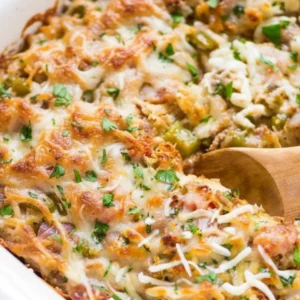
Cheesy Spaghetti Squash Casserole with Ground Turkey
Ingredients
- 1 small/medium spaghetti squash (about 2 pounds)
- 2 tsp extra-virgin olive oil
- 1 pound 93 percent lean ground turkey
- 1 small red onion, diced
- 1 green bell pepper, cored and diced
- 1 tsp kosher salt
- 0.5 tsp ground black pepper
- 1 can 14.5-ounce diced tomatoes with Italian spices, drained
- 3 cloves garlic, minced
- 1 tsp Italian seasonings (oregano, basil, and thyme)
- 0.5 tsp crushed red pepper flakes
- 1 cup freshly grated part-skim mozzarella or provolone, divided
- Chopped fresh parsley or basil, for garnish
Instructions
- Preheat oven to 400 Fahrenheit. Roast the spaghetti squash until tender. Use a fork to scrape the strands into a large bowl.
- Reduce oven temperature to 350 Fahrenheit. Heat olive oil in a deep skillet over medium-high heat.
- Add turkey, onion, bell pepper, salt, and black pepper. Cook, breaking apart the meat, until browned (about 8 minutes).
- Add drained tomatoes, garlic, Italian seasoning, and red pepper flakes. Cook until most liquid evaporates (about 4 minutes).
- Stir in the reserved squash strands and cook for 1-2 minutes. Fold in 1/2 cup of the shredded cheese.
- Transfer mixture to a greased 8×8-inch dish using a slotted spoon. Bake uncovered for 20 minutes.
- Sprinkle remaining 1/2 cup cheese on top. Bake for 5-10 minutes more until cheese is melted and bubbly.
- Remove from oven, garnish with fresh herbs, and let rest for 5 minutes before serving hot.
Notes
Equipment
- Large deep skillet
- 8×8-inch baking dish or 2-quart casserole
- Fork For shredding squash
- slotted spoon Crucial for avoiding excess moisture