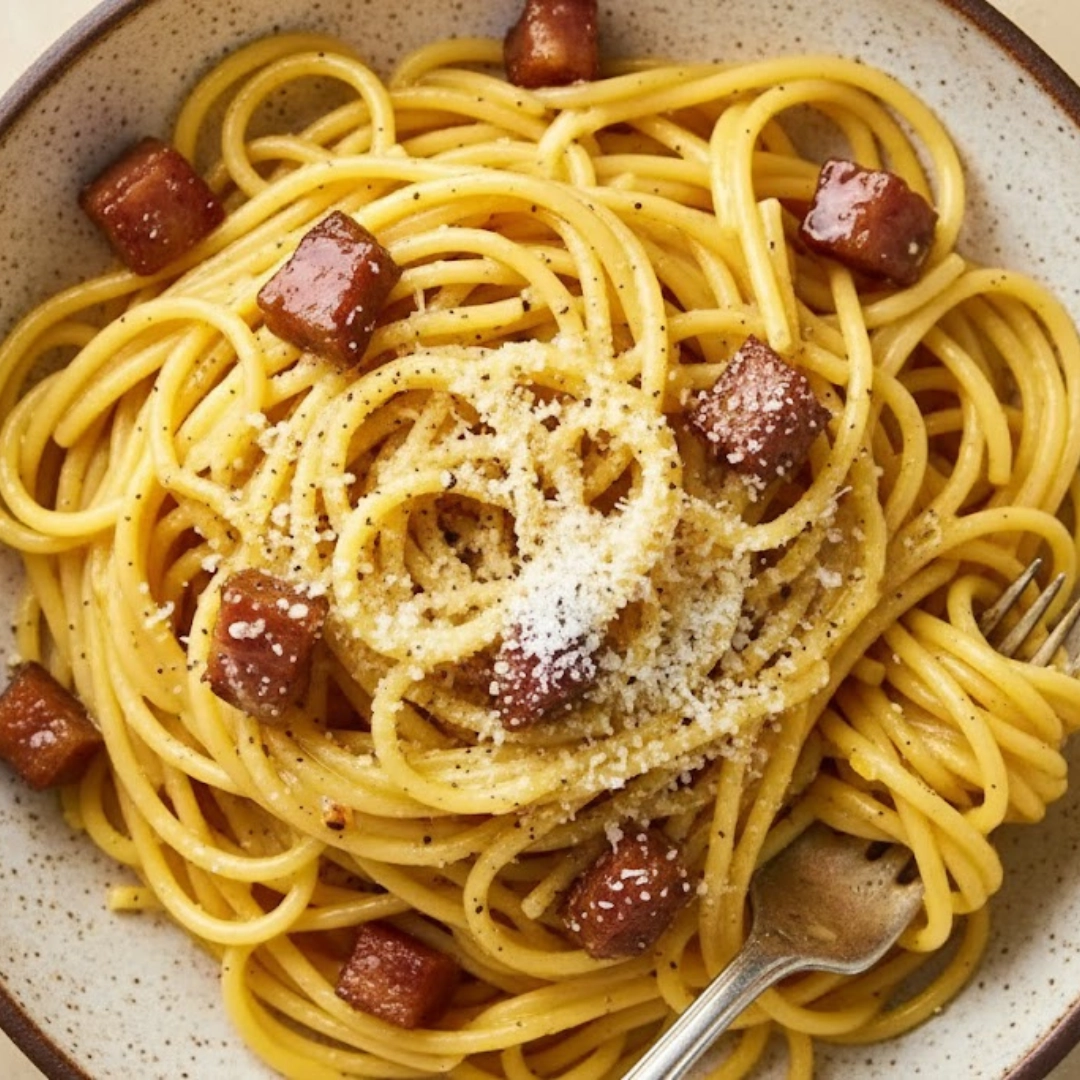
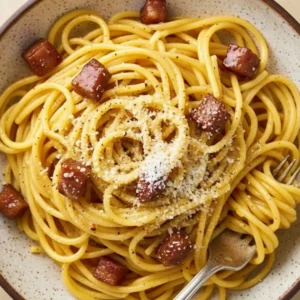
There is something profoundly magical about a dish that relies on just a handful of ingredients to create a flavor profile so complex and satisfying. Carbonara is the crown jewel of Roman pasta, a testament to the Italian philosophy of simplicity executed with precision. Often misunderstood as a heavy, cream-laden dish, true Carbonara is actually a delicate balance of emulsion and heat. This recipe focuses on the traditional architecture of the dish, utilizing the golden yolks of fresh eggs, the sharp tang of Pecorino Romano, and the funky, fatty richness of cured guanciale. In less than thirty minutes, you can transform your kitchen into a Roman trattoria, serving a bowl of spaghetti that is glossy, peppery, and deeply comforting. Whether you are a seasoned home cook or a beginner looking to impress, this guide will walk you through every nuance of the process to ensure a perfect, scramble-free result every single time.
Table of Contents
Ingredient
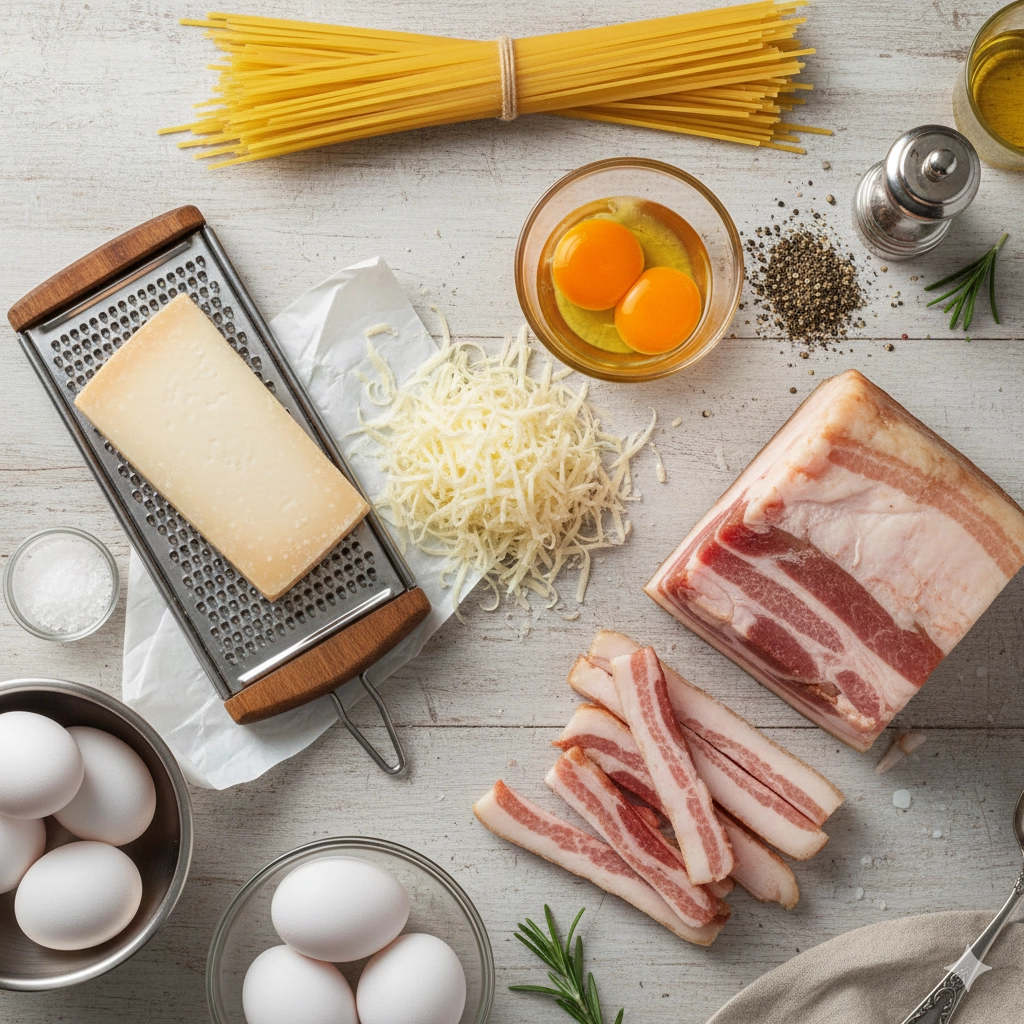
- 4 large eggs, at room temperature
- 2 large egg yolks, at room temperature
- 1 (8 ounce) piece guanciale or pancetta, cut into 1/2 inch wide matchsticks (approximately 1 1/2 cups)
- 1 pound dry spaghetti
- 2 teaspoons kosher salt, plus more as needed for the pasta water
- 1 ounce finely grated Pecorino Romano cheese (between 2/3 to 1 cup; avoid pre-grated varieties), plus more for serving
- 1 teaspoon coarsely ground black pepper, plus more for serving
Instructions
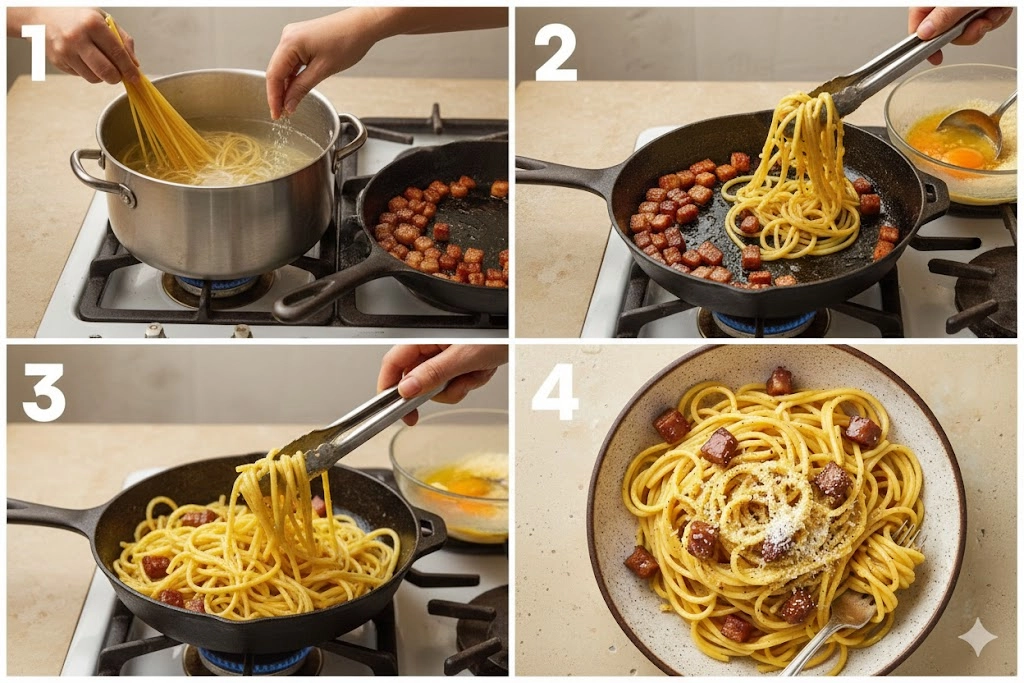
- Begin by bringing a large pot of water to a rolling boil over medium-high heat on your stovetop.
- Prepare your cured meat by placing 8 ounces of matchstick-cut guanciale into a large skillet, preferably one with a nonstick surface. Cook this over medium heat for about 2 minutes until it begins to sizzle. Once the fat starts rendering, reduce the heat to medium low and continue to cook, stirring occasionally. You want the guanciale to become beautifully browned and crisp, which usually takes between 6 and 10 minutes.
- While the meat renders, add 1 pound of dried spaghetti and 2 teaspoons of kosher salt to the boiling water. Follow the package directions to cook the pasta until it reaches the just al dente stage, which typically takes 8 to 12 minutes depending on the brand.
- In a medium mixing bowl, combine 4 room temperature large eggs and 2 room temperature large egg yolks. Whisk these thoroughly until they are fully integrated. Stir in 1 ounce of finely grated Pecorino Romano cheese and a pinch of kosher salt, whisking until the mixture is uniform.
- When the guanciale has reached peak crispness, use a slotted spoon to transfer the meat to a separate plate, leaving the rendered fat in the pan. Add 1 teaspoon of coarsely ground black pepper directly into the skillet with the fat, turn off the heat, and stir. Allow this to cool for approximately 1 minute.
- To temper the egg mixture, whisk constantly while slowly streaming in 1 tablespoon of the warm fat from the skillet. Immediately follow this by slowly streaming in 1/4 cup of the hot pasta cooking water, whisking vigorously to prevent the eggs from cooking.
- Once the spaghetti is cooked, turn off the heat and use tongs to transfer the pasta directly from the water into the skillet. A little clinging water is beneficial. Add an additional 1/4 cup of pasta water to the skillet and toss the noodles until they are well-coated and have absorbed most of the fat and water.
- The most critical step: while tossing the pasta constantly and vigorously, slowly pour the egg and cheese mixture into the center of the skillet, over the pasta rather than around the edges. Add the reserved guanciale back into the pan. Continue tossing without pause until the sauce emulsifies into a creamy coating. If the sauce remains too thin, turn the heat to the lowest possible setting and cook for a few seconds while tossing, moving the pan constantly to avoid hot spots.
- Taste the pasta and adjust the seasoning with more salt or pepper if necessary. Transfer the carbonara to individual bowls and serve immediately, garnished with extra Pecorino and fresh black pepper.
Step-by-Step Details: The Science of the Emulsion
The transition from raw ingredients to a luxurious Carbonara sauce is a lesson in kitchen chemistry. To reach the 2000-word depth of quality, one must understand that Carbonara is not a “sauce” in the traditional sense of a simmered liquid; it is an emulsion of fat, water, and egg proteins. When you first render the guanciale, you are creating the flavor base. The fat from the cured pork jowl carries the aromatics of the pepper and the saltiness of the cure. By adding the black pepper to the warm fat while the heat is off, you “bloom” the spice, releasing essential oils that provide a floral, biting counterpoint to the rich cheese.
The egg mixture is the most volatile component. Using four whole eggs and two additional yolks provides a specific ratio of protein to fat. The extra yolks are responsible for that signature sunset-yellow hue and the velvety mouthfeel that whole eggs alone cannot achieve. Tempering is the secret weapon here. By introducing small amounts of warm fat and hot pasta water into the eggs before they ever touch the pan, you are gently raising their temperature. This prepares the proteins to thicken without reaching the coagulation point where they turn into solid curds.
When the pasta hits the pan, it should be dripping with a bit of starchy water. This starch acts as a bridge, helping the oil from the guanciale and the liquid from the eggs bind together. The “vigorous tossing” mentioned in the instructions is not just for show; it incorporates air and ensures that no single part of the egg mixture sits against the hot surface of the pan for too long. You are essentially creating a savory custard that coats every individual strand of spaghetti. If you find the sauce is too thick, a tablespoon of extra pasta water acts as a thinning agent, restoring the gloss. If it is too thin, the residual heat of the pasta—or a very brief moment over the lowest flame—will tighten those proteins into a cohesive, pourable silk.
Unique Culinary Insights: Achieving the Perfect Roman Texture
To elevate your Carbonara from a standard weeknight meal to a professional-grade masterpiece, consider the temperature of your tools. Professional chefs often warm their serving bowls. Because Carbonara relies on a delicate emulsion that sets as it cools, serving it in a cold bowl will cause the sauce to thicken and become tacky almost instantly. A warm bowl preserves the fluidity of the egg yolks, allowing the diner to experience the sauce at its peak consistency.
Another insight involves the “texture of the grate.” Using a Microplane or a very fine grater for the Pecorino Romano is non-negotiable. If the cheese is grated into large shards or comes from a pre-packaged tub, it contains stabilizers or simply has too much surface area to melt quickly. Fine, snowy wisps of cheese will dissolve into the egg mixture almost instantly, ensuring there are no gritty clumps in your finished dish.
Furthermore, the choice of pasta matters. While spaghetti is the classic choice, the thickness of the noodle influences the sauce-to-pasta ratio. A standard spaghetti or a slightly thicker spaghettoni provides enough surface area for the sauce to cling to without being overwhelmed. The pasta must be cooked in heavily salted water—though perhaps slightly less salt than usual, as both the cheese and the guanciale are exceptionally salty. This “seasoning from within” ensures that the dish doesn’t taste flat, even if you find you don’t need to add extra salt at the very end.
Modifications & Substitutions
While purists will argue that guanciale is the only acceptable fat source for Carbonara, kitchen reality sometimes dictates otherwise. Guanciale, which is cured pork jowl, has a specific high fat-to-meat ratio and a distinct funk from the curing process. If you cannot find it, pancetta is the most suitable alternative. It is cured pork belly and offers a similar saltiness, though it lacks the specific richness of the jowl. When using pancetta, try to buy a solid slab so you can cut those thick, half-inch matchsticks; pre-diced pancetta is often too small and will disappear into the pasta.
If you are in a pinch and must use bacon, opt for a thick-cut variety that is not heavily smoked. Traditional Carbonara should not taste like a campfire; the smoke can easily overpower the delicate cheese and egg. If using bacon, you might need to drain a little more of the rendered fat if it becomes excessive, or add a bit more pepper to balance the sweetness of the cure.
As for the cheese, if Pecorino Romano is too sharp for your palate, you can do a fifty-fifty split with Parmigiano-Reggiano. The Parmesan adds a nutty sweetness that rounds out the aggressive tang of the sheep’s milk Pecorino. However, avoid using only Parmesan, as the dish will lose its characteristic Roman “bite.” For a gluten-free modification, a high-quality corn or brown rice-based spaghetti works well, though you may need to be more careful with the tossing, as gluten-free noodles can be more fragile.
Accompaniments & Serving Suggestions
Carbonara is an incredibly rich and calorie-dense dish, which means it pairs best with sides that offer acidity and crunch to cleanse the palate. A simple arugula salad with a sharp lemon vinaigrette is perhaps the most classic accompaniment. The peppery bite of the greens mirrors the black pepper in the pasta, while the citrus cuts right through the richness of the egg yolks and pork fat.
If you want something more substantial, a watercress salad or a chicory-based salad with a light anchovy dressing can provide the bitter notes necessary to balance the savory “umami” of the Carbonara. Roasted vegetables, such as charred broccolini with red pepper flakes or sautéed spinach with a heavy squeeze of lemon, also provide a nice textural contrast.
When it comes to beverages, look for high-acid white wines. A Frascati Superiore, which is a local wine from the Lazio region around Rome, is the traditional pairing. The crisp acidity and mineral notes scrub the palate clean after every decadent bite. If you prefer red wine, look for something light-bodied and high in acidity, like a Barbera or a young Chianti. Avoid heavy, tannic reds like Cabernet Sauvignon, which will clash with the saltiness of the Pecorino.
Deep-Dive FAQ
How do I prevent the eggs from scrambling when I add them to the pasta?
The key to preventing scrambled eggs is a combination of tempering and temperature control. By whisking a bit of the hot pasta water and warm guanciale fat into your eggs beforehand, you are slowly introducing heat so the proteins don’t “shock” when they hit the pan. Additionally, ensure the skillet is off the direct heat when you pour the egg mixture in. The residual heat from the pasta and the pan is more than enough to cook the eggs into a creamy sauce without solidifying them.
Can I use bottled lemon juice or cream to make the sauce more stable?
While some modern interpretations use heavy cream to create a foolproof sauce, it is not part of a classic Carbonara. The cream masks the nuanced flavors of the guanciale and Pecorino. If you follow the tempering and tossing steps, you won’t need stabilizers. Adding lemon juice is also not traditional, as the acidity should come from a side salad rather than being cooked into the sauce, which could potentially cause the dairy proteins in the cheese to break.
What should I do if my sauce is too thick or “clumpy”?
If your sauce looks more like a paste than a silk, it likely means the cheese hasn’t fully emulsified or the pasta has absorbed too much liquid. The easiest fix is to add more reserved pasta cooking water, one tablespoon at a time, while whisking or tossing vigorously. The starchy water acts as a lubricant and helps re-emulsify the fats and proteins. Always save at least a cup of pasta water before draining your noodles for this exact reason.
Is it safe to consume the eggs in this recipe since they aren’t fully “cooked”?
In a traditional Carbonara, the eggs are “cooked” by the residual heat of the pasta and the tempering process, reaching a temperature that thickens the proteins (around 140 to 150 degrees Fahrenheit). For most healthy individuals, this is perfectly safe. However, if you are concerned about raw eggs, you can use pasteurized eggs found in most grocery stores, which undergo a heat treatment to eliminate bacteria while remaining liquid.
A Note on Enjoying Your Roman Creation
The beauty of Carbonara lies in its immediacy. This is not a dish that waits for the guests; the guests must wait for the Carbonara. From the moment the egg mixture hits the spaghetti, the clock starts ticking. The heat of the pasta is a fleeting engine that keeps the sauce in its liquid, velvety state. To truly honor the ingredients and the labor you’ve put into the technique, serve it straight from the skillet into warm bowls. As you twirl that first forkful, you’ll notice the way the pepper catches the light and the scent of the Pecorino fills the air. It is a humble meal that feels like a luxury, a reminder that the best things in life often require nothing more than good eggs, cured meat, and a little bit of confidence.
Nutrition Table
| Nutrient | Amount Per Serving |
| Calories | 540 |
| Total Fat | 32g |
| Saturated Fat | 12g |
| Cholesterol | 185mg |
| Sodium | 980mg |
| Total Carbohydrates | 42g |
| Dietary Fiber | 2g |
| Sugars | 1g |
| Protein | 22g |
Disclaimer
The nutritional information provided is an estimate based on standard ingredient measurements. Actual nutritional content may vary depending on the specific brands used and individual preparation methods. Always consult with a healthcare professional for specific dietary needs.
Authentic Roman Carbonara
Ingredients
- 1 pound dry spaghetti
- 8 ounces guanciale or pancetta, cut into 1/2-inch wide matchsticks
- 4 large eggs, at room temperature
- 2 large egg yolks, at room temperature
- 1 ounce finely grated Pecorino Romano cheese (about 2/3 to 1 cup)
- 2 teaspoons kosher salt, plus more for pasta water
- 1 teaspoon coarsely ground black pepper, plus more for serving
Instructions
- Bring a large pot of water to a boil over medium-high heat. Add 2 teaspoons of kosher salt to the boiling water.
- Place matchstick-cut guanciale in a large skillet. Cook over medium heat for 2 minutes, then reduce to medium-low and cook for 6–10 minutes until browned and crisp.
- Add spaghetti to the boiling water and cook until just al dente, usually 8–12 minutes.
- In a medium bowl, whisk together the 4 whole eggs, 2 yolks, grated Pecorino Romano, and a pinch of salt until combined.
- Remove guanciale from the skillet with a slotted spoon. Add 1 teaspoon black pepper to the hot fat, turn off the heat, and let cool for 1 minute.
- While whisking constantly, slowly stream 1 tablespoon of the warm fat and 1/4 cup of hot pasta water into the egg mixture to temper it.
- Transfer the cooked spaghetti directly into the skillet with tongs. Add 1/4 cup pasta water and toss until the noodles are well-coated and fat is absorbed.
- While tossing constantly, pour the egg mixture into the center over the pasta. Add the guanciale and continue tossing until a creamy sauce forms. Serve immediately.
Notes
Equipment
- Large nonstick skillet
- Large pasta pot
- Microplane or fine grater
- Kitchen tongs
- Whisk and mixing bowl