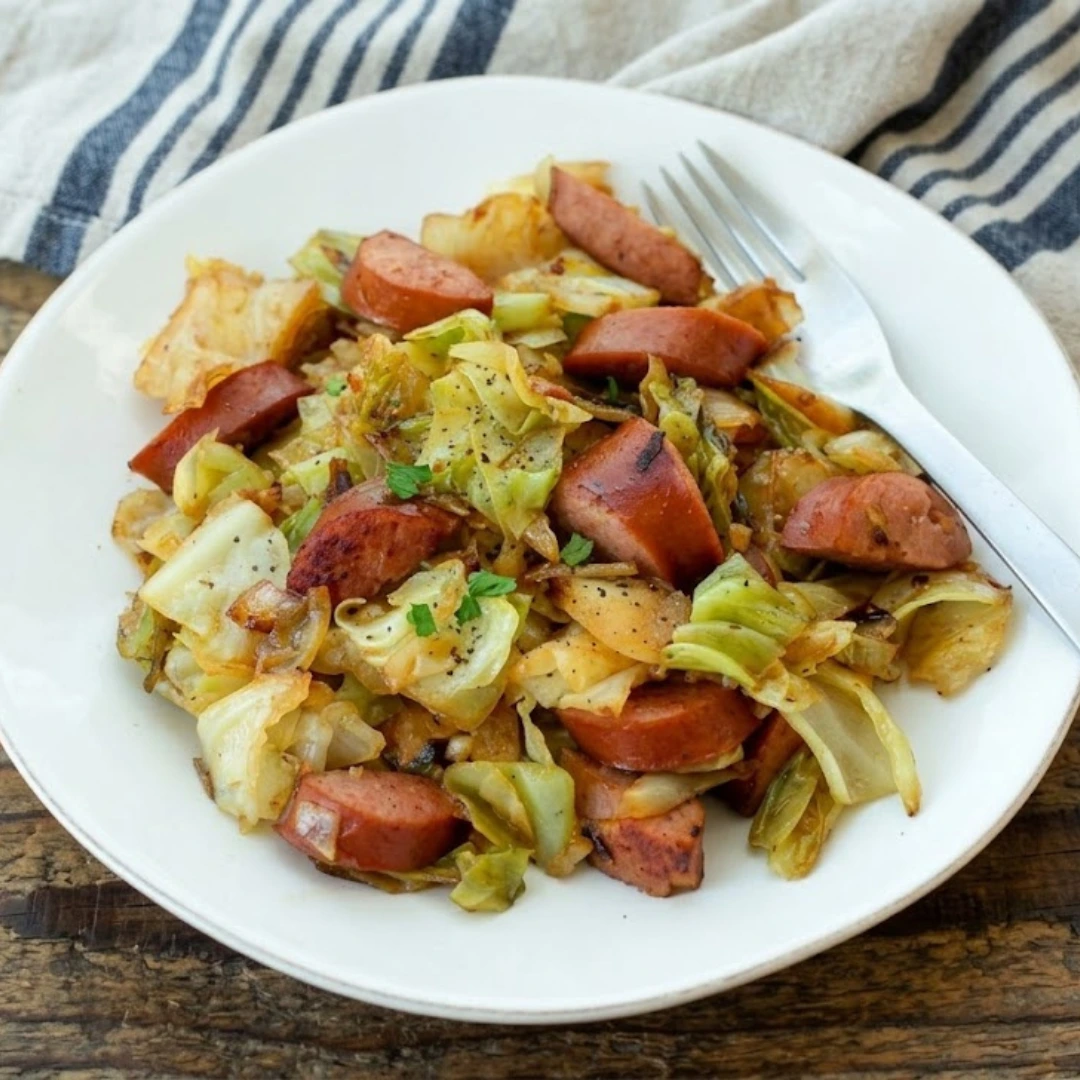
Finding a meal that balances hearty satisfaction with effortless preparation is often the holy grail of home cooking. This Cabbage Sausage Skillet is exactly that—a rustic, soul-warming dish that transforms humble pantry staples into a vibrant, flavor-packed feast. By marrying the smoky, savory depth of sliced sausage with the natural sweetness of sautéed cabbage and onions, you create a texture profile that ranges from tender to slightly crisp. It is a testament to the idea that you do not need a long list of exotic ingredients to produce a gourmet result. Whether you are looking for a low-carb powerhouse or simply a comforting dinner that requires minimal cleanup, this skillet meal delivers on every front.
Table of Contents
Essential Components for Your Cabbage Sausage Skillet
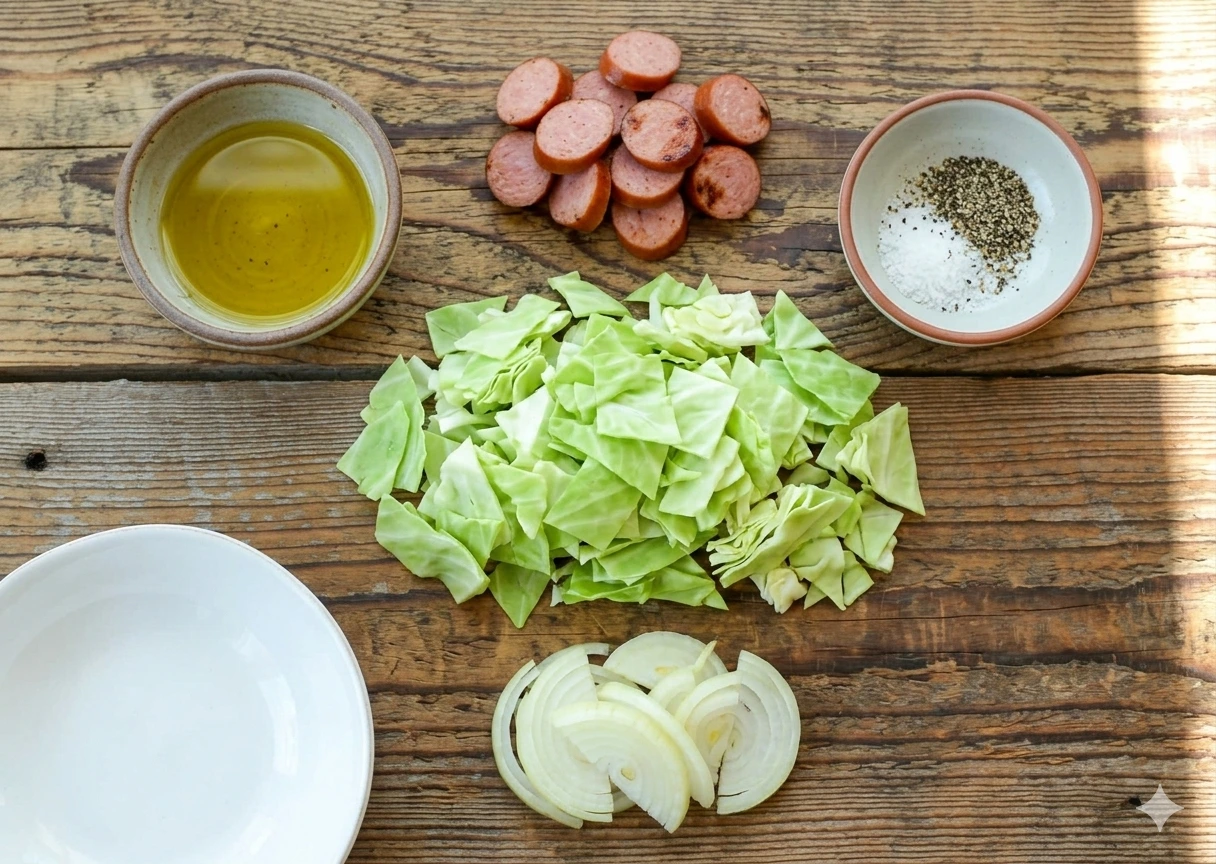
To ensure the best results, gather these specific items. Using high-quality smoked sausage and fresh, heavy cabbage will make a noticeable difference in the final taste and texture of the dish.
- 1 tablespoon extra virgin olive oil
- 14 ounces smoked sausage, sliced into thin rounds
- 1 medium yellow onion, thinly sliced
- 1 medium head of green cabbage, roughly chopped into bite-sized pieces
- 1 teaspoon kosher salt
- 1 half teaspoon freshly ground black pepper
Primary Cooking Directions
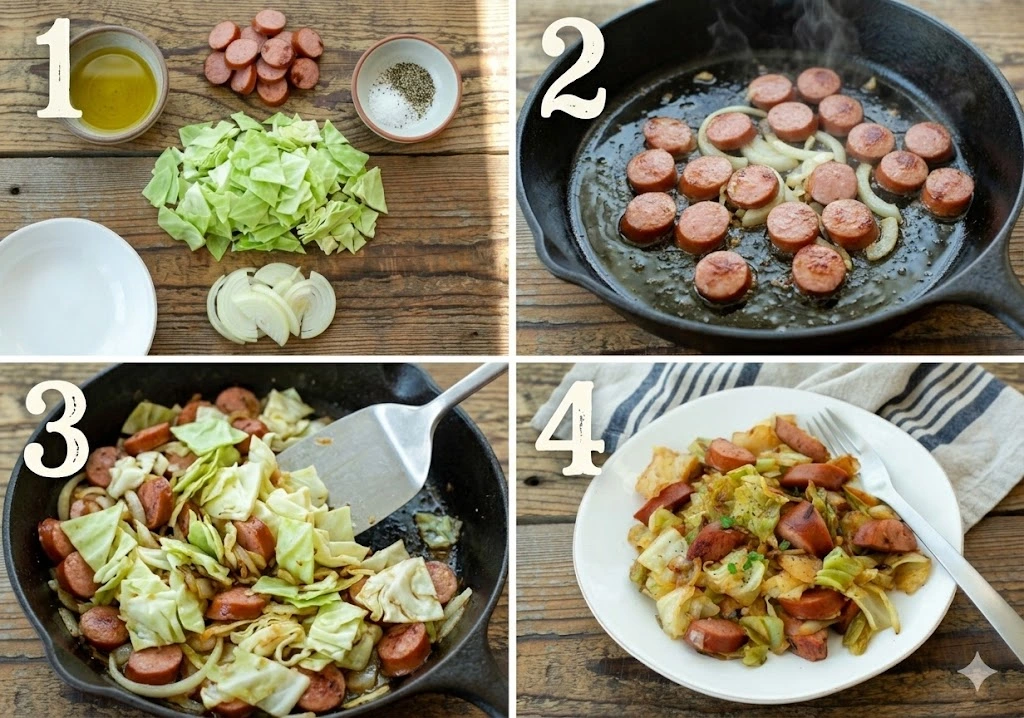
- Place a large, deep skillet over medium-high heat and add the olive oil. Once the oil is shimmering, add the sliced sausage rounds to the pan. Sauté the sausage for about 5 to 6 minutes, stirring occasionally, until the edges are browned and slightly crisp.
- Add the sliced onions to the skillet with the sausage. Continue cooking for another 3 to 4 minutes until the onions begin to soften and turn translucent, picking up the savory fats from the sausage.
- Incorporate the chopped cabbage into the pan. This may look like a lot of cabbage initially, but it will wilt down significantly. Season the mixture with the salt and black pepper.
- Stir the cabbage frequently to ensure it is coated in the oil and drippings. Cook for about 10 to 15 minutes. The goal is for the cabbage to be tender but still retain a slight bite, with some edges turning a golden brown.
- Taste and adjust seasoning if necessary. Remove from the heat and serve immediately while hot.
The Art of the Perfect Sauté: Step-by-Step Details
Achieving the perfect consistency in a cabbage and sausage stir-fry requires a bit of patience and attention to the heat of your stove. The process begins with the “sear.” When you place those thin rounds of smoked sausage into the hot olive oil, you are looking for more than just heating them through. You want the Maillard reaction to occur—that beautiful browning on the surface that unlocks deep, smoky umami flavors. As the sausage renders some of its internal fats, it creates a flavored cooking base that will eventually coat every ribbon of cabbage.
Once the onions enter the frame, they act as a bridge between the heavy meatiness of the sausage and the light, vegetal quality of the cabbage. By sautéing them until they are translucent, you allow their natural sugars to emerge, providing a subtle sweetness that cuts through the saltiness of the processed meat.
The most critical phase is the introduction of the cabbage. It is common to feel like your skillet isn’t large enough when you first dump the chopped greens in. However, cabbage is high in water content. As it hits the heat and the salt begins to draw out moisture, the volume will reduce by nearly half. The key here is not to overcook it into a mushy consistency. You are aiming for “tender-crisp.” By keeping the heat at a steady medium-high and stirring often, you encourage some of the cabbage edges to caramelize against the bottom of the pan, adding a nutty charred flavor that elevates the entire dish from a simple stir-fry to a complex culinary experience.
Strategic Culinary Insights for Maximum Flavor
When working with a recipe this simple, the technique is everything. One of the best ways to ensure your Cabbage Sausage Skillet stands out is by managing the moisture level in the pan. If you find the cabbage is sticking too much before it softens, resist the urge to add water. Instead, add another teaspoon of oil or a small pat of butter. Water will steam the cabbage, making it limp and grey, whereas oil allows it to fry and brown, maintaining a vibrant green and gold hue.
Another tip involves the “cut” of your vegetables. Try to slice your onions and cabbage into uniform widths. If the onion slices are too thick, they will remain crunchy while the cabbage turns to mush. Aim for ribbons of cabbage about one inch wide. This size allows for enough surface area to brown effectively while still being easy to manage with a fork.
Finally, consider the type of sausage you use. A traditional Polish Kielbasa or a smoked Andouille can drastically change the heat profile of the dish. If you prefer a milder, more kid-friendly version, a basic smoked turkey sausage works beautifully. The salt content in sausages varies wildly, so always wait until the very end of the cooking process to add your final pinch of salt.
Thoughtful Accompaniments and Serving Suggestions
While this skillet is a complete meal on its own, it plays very well with others. For those not adhering to a low-carb lifestyle, serving this over a bed of buttery mashed potatoes or alongside roasted baby potatoes creates a classic “meat and potatoes” feel that is incredibly filling. The starch of the potatoes soaks up the juices from the cabbage and sausage perfectly.
If you want to lean into the Eastern European roots of this flavor profile, a dollop of sour cream on the side or a crusty piece of rye bread is a fantastic addition. The acidity of the sour cream provides a refreshing contrast to the rich, salty sausage. For a bit of brightness, a splash of apple cider vinegar or a squeeze of fresh lemon juice right before serving can wake up the earthy flavors of the cooked cabbage.
Practical Modifications and Ingredient Substitutions
This recipe is remarkably flexible, allowing you to shop your own pantry before heading to the store. If you do not have green cabbage, Savoy cabbage is an excellent substitute; it has a more delicate texture and crinkled leaves that catch the seasoning well. Red cabbage can also be used, though it will turn the entire dish a deep purple and requires a slightly longer cooking time to soften.
For those looking to change the protein, spicy Italian sausage (removed from the casing and crumbled) offers a different herb-forward flavor profile. If you are looking for a leaner option, chicken sausage with apple or spinach can provide a lighter touch. If you find yourself without a yellow onion, a bunch of sliced green onions or a couple of shallots can provide that necessary aromatic base, though you should add green onions later in the cooking process to prevent them from burning.
Deep-Dive Kitchen FAQ
How do I prevent the cabbage from becoming too watery or soggy during cooking?
The secret to a crisp cabbage skillet is high heat and avoiding a lid. When you cover the pan, you trap steam, which breaks down the cellular structure of the cabbage quickly and turns it soft. By cooking uncovered over medium-high heat, the moisture evaporates as it is released, allowing the vegetable to sauté rather than boil in its own juices.
Can I prepare this dish ahead of time for meal prep?
Yes, this is one of those rare dishes that actually tastes better the next day. As it sits in the refrigerator, the cabbage continues to absorb the smoky oils from the sausage. To reheat, simply toss it back into a dry skillet over medium heat for a few minutes until warmed through. Avoid the microwave if possible, as it can make the cabbage a bit rubbery.
What is the best way to chop a head of cabbage for a skillet meal?
First, remove any wilted outer leaves and cut the cabbage in half through the core. Cut each half into quarters and slice out the tough inner core at an angle. Lay the flat side of the cabbage quarter down on your cutting board and slice into wide ribbons, then cut those ribbons into squares. This “chopped” style ensures the pieces are uniform and easy to eat.
Is this recipe suitable for specific dietary restrictions?
This recipe is naturally gluten-free (provided your sausage brand is certified) and very low in carbohydrates, making it ideal for Keto or Paleo lifestyles. For a dairy-free and Whole30 compliant version, ensure your sausage contains no added sugars or fillers. It is a high-protein, high-fiber meal that fits into many nutritional frameworks.
The Final Word on Skillet Cooking
There is a certain joy in reclaiming the simplicity of one-pan cooking. This Cabbage Sausage Skillet proves that you don’t need a sink full of dishes or a complicated technique to put a nutritious, flavorful dinner on the table. It relies on the honest flavors of smoke, salt, and caramelization. By mastering this recipe, you gain a reliable “back-pocket” meal that can be adapted to whatever you have in the fridge, ensuring that even on your busiest days, a home-cooked meal is always within reach.
Nutritional Overview
| Nutrient | Amount Per Serving |
| Calories | 345 calories |
| Total Fat | 28 grams |
| Saturated Fat | 9 grams |
| Cholesterol | 65 milligrams |
| Sodium | 980 milligrams |
| Total Carbohydrates | 12 grams |
| Dietary Fiber | 5 grams |
| Sugars | 6 grams |
| Protein | 14 grams |
Nutritional Disclaimer
Nutritional information is provided as a courtesy and is an estimate only. Values may vary based on the specific brand of smoked sausage used and the exact size of the produce. For precise nutritional tracking, please calculate using the specific ingredients found on your product labels.
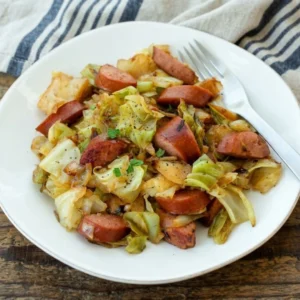
Cabbage Sausage Skillet
Ingredients
- 1 tbsp extra virgin olive oil
- 14 ounces smoked sausage, sliced into thin rounds
- 1 medium yellow onion, thinly sliced
- 1 medium head green cabbage, roughly chopped into bite-sized pieces
- 1 tsp kosher salt
- 0.5 tsp freshly ground black pepper
Instructions
- Place a large, deep skillet over medium-high heat and add the olive oil. Once shimmering, add the sliced sausage rounds.
- Sauté the sausage for about 5 to 6 minutes, stirring occasionally, until the edges are browned and slightly crisp.
- Add the sliced onions to the skillet. Continue cooking for another 3 to 4 minutes until the onions begin to soften and turn translucent.
- Incorporate the chopped cabbage into the pan. Season the entire mixture with the salt and black pepper.
- Stir frequently to coat the cabbage in the oil and drippings. Cook for 10 to 15 minutes until the cabbage is tender with golden brown edges.
- Taste and adjust seasoning. Remove from heat and serve immediately while hot.
Notes
Equipment
- Large deep skillet Cast iron works best for browning
- chef’s knife
- spatula or wooden spoon