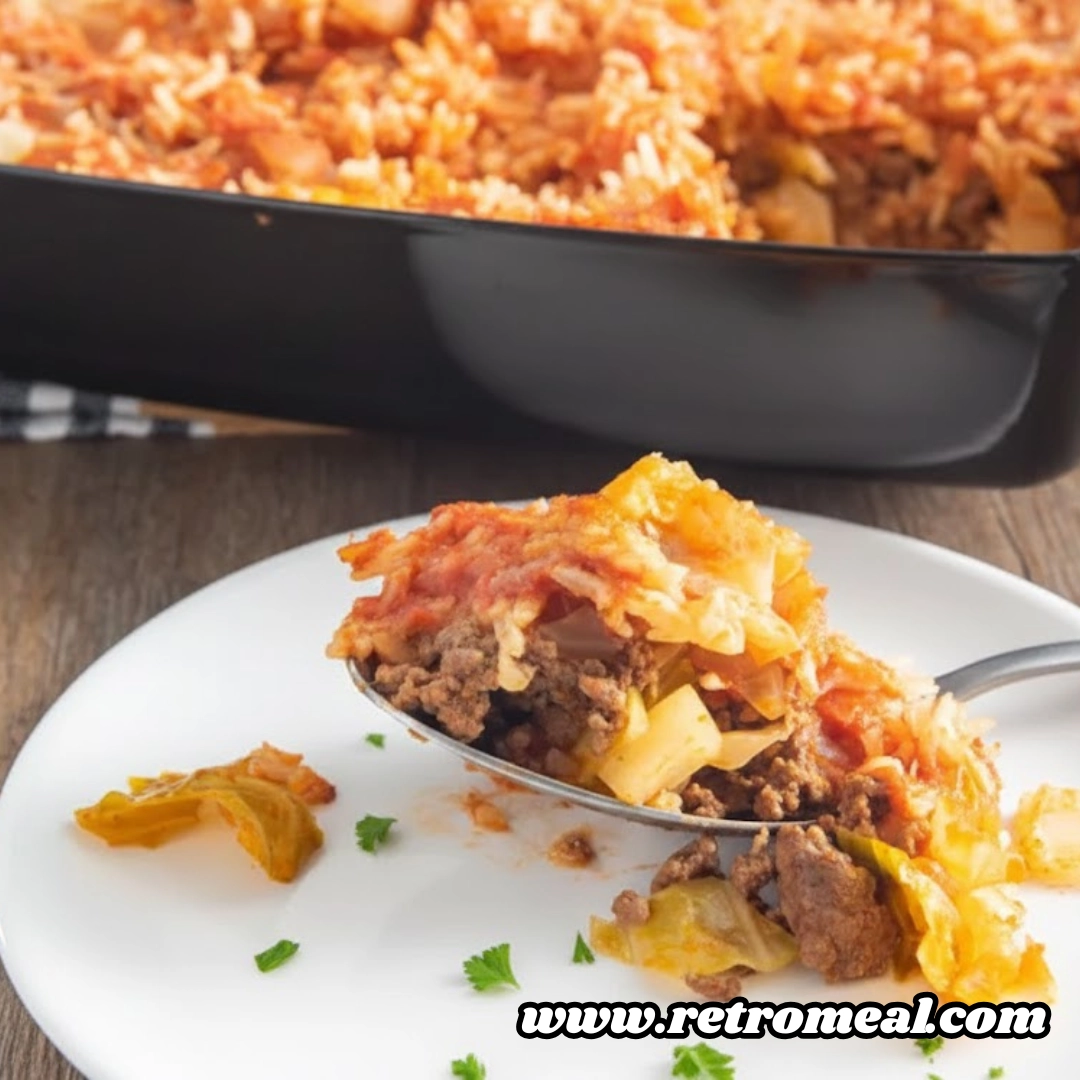
There is something undeniably nostalgic about the aroma of cabbage, beef, and tomatoes simmering together in a warm kitchen. For many of us, stuffed cabbage rolls represent the pinnacle of Sunday dinner comfort food, yet the labor-intensive process of blanching leaves and rolling them individually often keeps this classic dish off the weeknight rotation. Enter the Cabbage Roll Casserole. This recipe delivers every ounce of that traditional, savory flavor profile without the tedious prep work. By deconstructing the classic roll into a layered, baked masterpiece, you can feed a hungry family or a large gathering with minimal effort and maximum satisfaction. This dish is hearty, budget-friendly, and tastes even better as leftovers the next day.
Table of Contents
Ingredients for a Crowd-Pleasing Feast
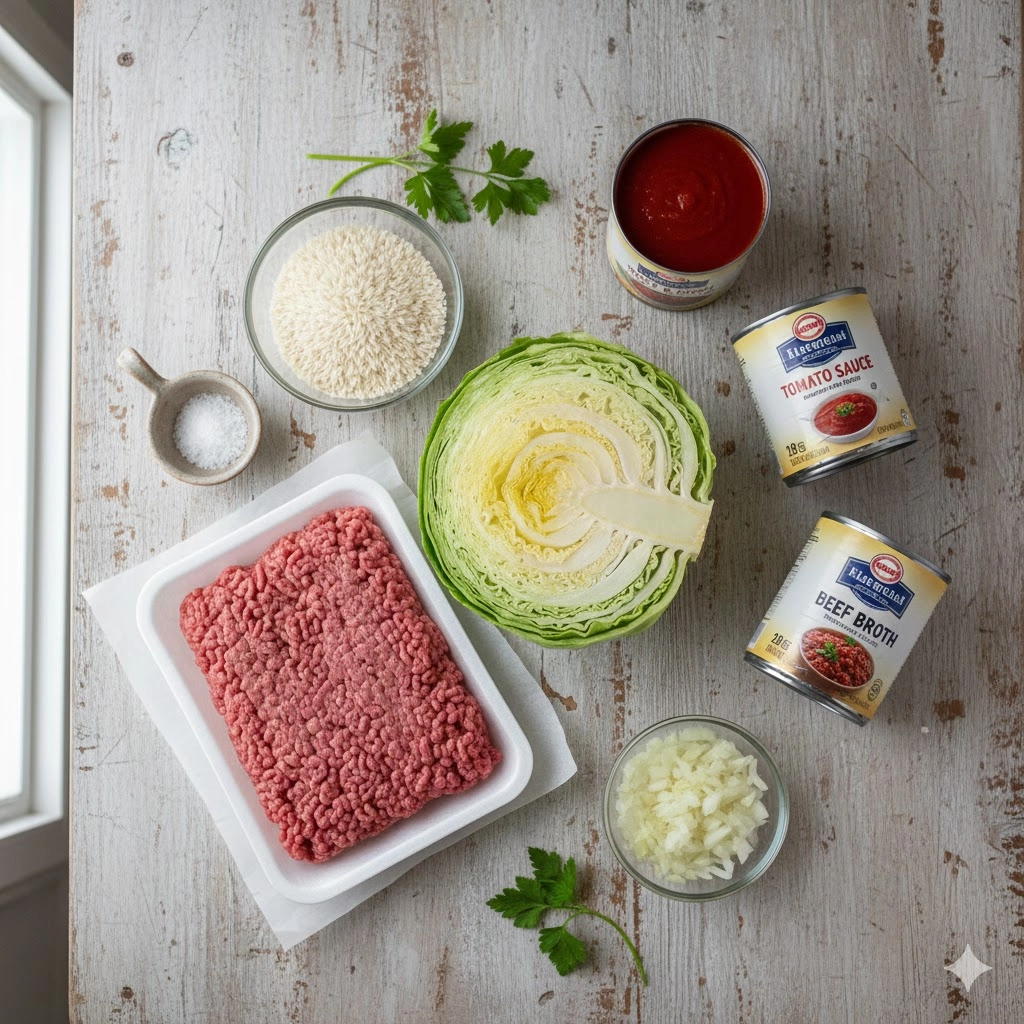
Preparing this casserole requires simple, wholesome ingredients that you likely already have in your pantry or can easily find at any local grocery store. Because this recipe yields a generous twelve servings, the quantities are substantial, ensuring no one leaves the table hungry.
- 2 pounds lean ground beef
- 3 1/2 pounds fresh green cabbage, chopped into bite-sized pieces
- 1 can (29 ounces) smooth tomato sauce
- 1 cup yellow onion, finely chopped
- 1 cup long-grain white rice, uncooked
- 1 teaspoon fine sea salt
- 2 cans (14 ounces each) rich beef broth
Guided Cooking Instructions
Following these steps precisely will ensure that your rice is tender and your cabbage is perfectly softened, creating a cohesive texture throughout the entire baking dish.
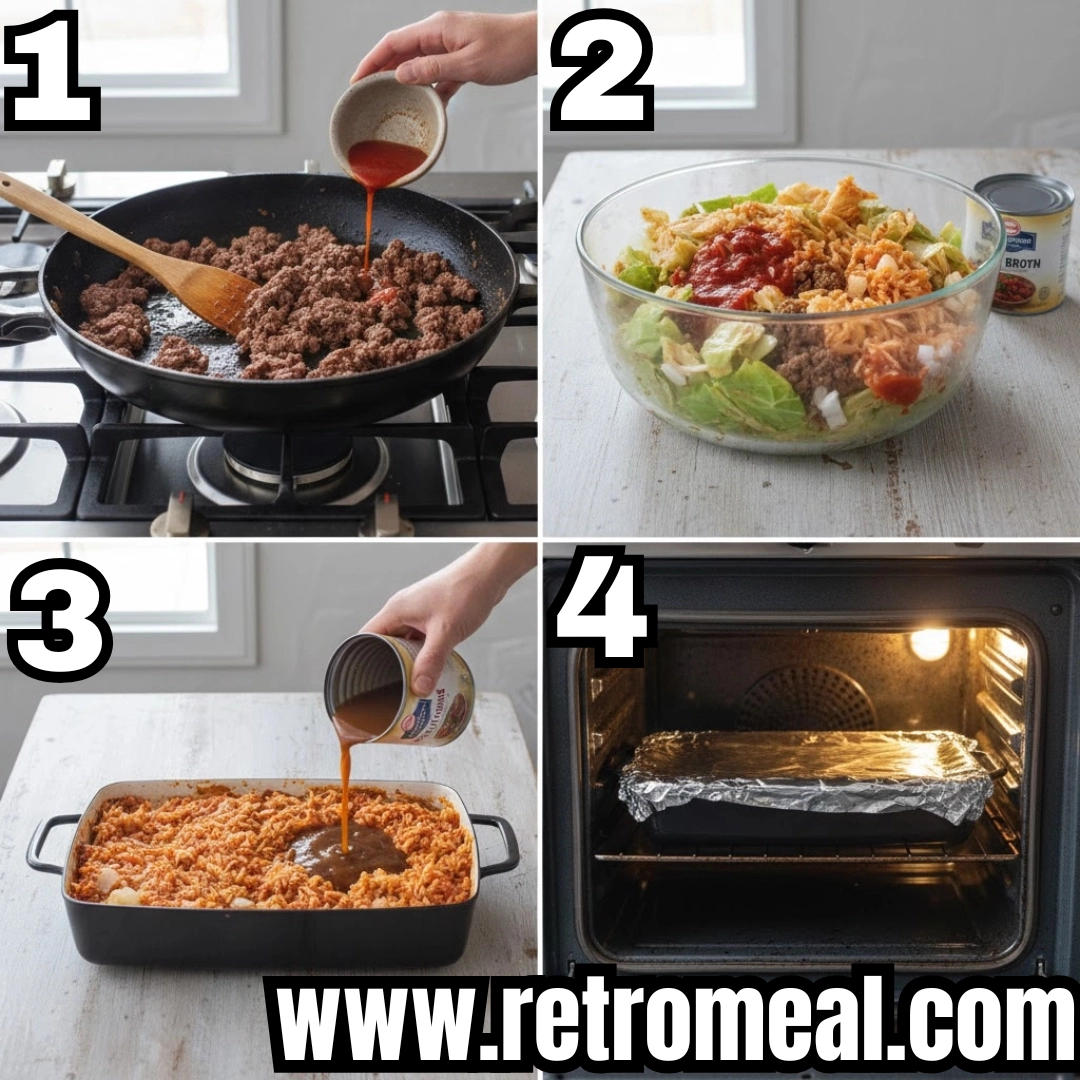
- Preparation and Oven Setup: Begin by preheating your oven to 350 Fahrenheit. While the oven reaches temperature, gather all your ingredients and prepare a large 9×13 inch baking dish. If your cabbage head is particularly large, you may want to have a secondary smaller baking dish standing by just in case the volume exceeds the primary pan.
- Searing the Protein: Place a large skillet over medium-high heat. Add the two pounds of ground beef, breaking it apart with a wooden spoon or spatula. Cook and stir the meat until it is completely browned and crumbly, which usually takes between 5 and 7 minutes. Once cooked, carefully drain the excess grease and discard it to ensure the casserole isn’t overly oily.
- Mixing the Base: In a very large mixing bowl, combine the chopped cabbage, the entire can of tomato sauce, the chopped onion, the uncooked white rice, and the salt. Toss these ingredients together. Add the browned ground beef to the bowl and stir until the meat is evenly distributed throughout the cabbage and rice mixture.
- Assembling the Casserole: Transfer the mixture into your 9×13 inch baking dish (and the secondary dish if needed). Smooth the top so it is level. Slowly pour the two cans of beef broth over the entire surface. The liquid will settle into the crevices, providing the necessary moisture to steam the cabbage and hydrate the rice.
- The Initial Bake: Cover the dish tightly with aluminum foil to trap the steam. Place it in the preheated oven and bake for exactly one hour.
- The Final Softening: After the first hour, remove the dish from the oven and carefully peel back the foil. Stir the contents thoroughly to ensure the rice is submerged and the heat is distributed. Replace the foil and return the dish to the oven for another 20 to 30 minutes. You are looking for the cabbage to be translucent and tender and the rice to be fully cooked.
- Service: Remove from the oven and let it sit for five minutes before serving hot.
Deep Dive into the Cooking Process
Understanding the science behind the Cabbage Roll Casserole helps in achieving the perfect result every time. The most critical element of this recipe is the interaction between the raw rice and the beef broth. Unlike many casseroles that call for pre-cooked grains, this version relies on the “absorption method” happening right inside the oven. As the cabbage releases its natural water content and the beef broth begins to simmer under the foil, the rice grains act like tiny sponges, soaking up all the savory fats from the beef and the acidity from the tomato sauce. This results in rice that is far more flavorful than if it had been boiled in plain water beforehand.
The cabbage also undergoes a significant transformation. Fresh cabbage has a high sulfur content and a crunchy texture, but a long, slow braise at 350 Fahrenheit breaks down the tough cellulose. This turns the vegetable sweet and buttery. The sheer volume of cabbage—three and a half pounds—might seem overwhelming when you are filling the pan, but remember that cabbage is largely water. As it cooks, it will wilt and shrink significantly, allowing the flavors to concentrate.
When you are browning your beef, aim for a deep brown color rather than just a dull gray. This “Maillard reaction” creates complex flavor compounds that provide the backbone of the dish. Even though we drain the grease for health and texture reasons, those browned bits stuck to the meat will permeate the entire sauce. When you pour the beef broth over the assembled ingredients, do so slowly. You want the liquid to reach the very bottom of the pan to prevent the bottom layer of rice from scorching or remaining crunchy.
Essential Tips for Culinary Excellence
To elevate this dish from a simple weeknight meal to a standout dinner, consider these professional kitchen insights. First, the size of your cabbage chop matters. Aim for pieces that are roughly one inch square. If the pieces are too large, they won’t soften at the same rate as the rice; if they are too small, they may disappear into the sauce entirely, losing the “roll” feel of the dish.
Temperature control is also vital. Ensure your oven is truly at 350 Fahrenheit before the dish goes in. If the oven is too cool, the rice will sit in the liquid too long and become mushy. If it is too hot, the broth might evaporate before the rice has a chance to soften. If you find that your rice is still a bit firm after the total allotted time, do not hesitate to add a half cup of warm water or extra broth and give it another ten minutes in the oven.
Finally, let the casserole rest. Just like a lasagna or a roasted meat, a casserole needs a few minutes for the liquids to redistribute. When you first pull it out of the oven, it may look slightly soupy. After five to ten minutes of resting on the counter, the rice will finish absorbing the remaining moisture, creating a thick, rich consistency that holds together on the plate.
Personalizing the Flavor Profile
While the core recipe is a classic for a reason, it serves as a wonderful canvas for your own culinary preferences. The beauty of the Cabbage Roll Casserole is its adaptability. If you prefer a more robust, aromatic base, you can sauté the onions with three cloves of minced garlic before adding them to the mix. For those who enjoy a bit of warmth, a teaspoon of smoked paprika or a half teaspoon of cayenne pepper stirred into the tomato sauce can add a delightful depth of flavor.
Some families prefer a “sweet and sour” profile, which is very common in certain Eastern European traditions. To achieve this, you can stir in two tablespoons of brown sugar and one tablespoon of apple cider vinegar to the tomato sauce before mixing. This cuts through the richness of the beef and highlights the natural sweetness of the cooked cabbage. If you find the beef broth too salty, you can use a low-sodium version or swap one can of broth for a can of crushed tomatoes to increase the vegetable presence and thickness of the sauce.
Smart Modifications and Substitutions
Dietary needs and pantry limitations shouldn’t stop you from enjoying this meal. If you are looking to change the protein, ground turkey or ground pork work beautifully. Ground pork, in particular, adds a fat content that mimics the traditional Polish “Golabki” style. You can even use a fifty-fifty blend of beef and pork for the best of both worlds.
For the grains, while long-grain white rice is the standard, you can use brown rice if you adjust the liquid and time. Brown rice requires about twenty percent more liquid and an additional thirty minutes of baking time to reach the desired tenderness. If you are following a lower-carbohydrate lifestyle, you can replace the rice with cauliflower rice; however, in this case, you should reduce the beef broth by half, as cauliflower does not absorb liquid like grain rice does.
If you don’t have tomato sauce on hand, a mixture of tomato paste and water (roughly four tablespoons of paste to one and a half cups of water) can work in a pinch. For the cabbage, while green cabbage is the traditional choice, Savoy cabbage offers a beautiful crinkled texture and a milder flavor that works just as well.
Perfect Pairings and Serving Suggestions
This casserole is a complete meal on its own, containing protein, starch, and vegetables. However, a few well-chosen sides can turn it into a full feast. A dollop of cold sour cream on top of the hot casserole is almost mandatory in many households; the contrast of the cool, tangy cream against the hot, savory beef is perfection.
Fresh herbs also make a big difference. A sprinkle of chopped fresh dill or parsley right before serving adds a pop of color and a fresh note that brightens the cooked flavors. For side dishes, consider something light and crisp to balance the heaviness of the bake. A cucumber and onion salad with a light vinaigrette is a classic pairing. Alternatively, if you want to lean into the comfort theme, a side of crusty rye bread or sourdough is perfect for soaking up any extra tomato sauce left on the plate. If you are serving this for a holiday or special occasion, roasted root vegetables like carrots or parsnips provide a lovely sweetness that complements the cabbage.
Frequent Inquiries About This Recipe
Can I prepare this casserole ahead of time?
Yes, this is an excellent make-ahead meal. You can brown the beef and chop the cabbage a day in advance. You can even assemble the entire dish, minus the broth, and keep it covered in the refrigerator. When you are ready to bake, simply pour the beef broth over the top and add about fifteen minutes to the initial baking time to account for the cold temperature of the dish.
How do I prevent the rice from being crunchy?
Crunchy rice is usually the result of two things: either there wasn’t enough liquid, or the seal on the foil wasn’t tight enough. Ensure you use the full twenty-eight ounces of beef broth. When covering the pan, crimp the foil tightly around the edges of the 9×13 dish to prevent steam from escaping. Steam is what actually cooks the rice in this environment.
Is this recipe suitable for freezing?
Absolutely. This casserole freezes remarkably well. You can freeze it before baking or after. If freezing after baking, allow it to cool completely in the fridge first. Wrap it in a double layer of plastic wrap and then a layer of foil. It will stay fresh for up to three months. To reheat, thaw it in the refrigerator overnight and bake at 350 Fahrenheit until bubbling and hot throughout.
What is the best way to chop the cabbage quickly?
The most efficient way to handle three and a half pounds of cabbage is to quarter the head first and remove the tough inner core. Lay each quarter flat on your cutting board and slice into thick ribbons, then turn the ribbons and cut crosswise to create squares. Avoid using a food processor, as it can turn the cabbage into a slaw-like consistency which will become mushy during the long bake.
The Joy of Simple Home Cooking
Bringing a large dish of Cabbage Roll Casserole to the table is a gesture of warmth and care. It is a recipe that honors tradition while respecting the busy schedules of modern life. Whether you are feeding a growing family on a Tuesday night or looking for a reliable potluck dish that travels well, this casserole never fails to impress. The combination of melt-in-your-mouth cabbage, savory beef, and perfectly seasoned rice creates a harmony of textures and flavors that feels like a hug in a bowl. As the weather turns colder, let this be your go-to recipe for bringing people together over a meal that is as honest as it is delicious.
Nutrient Profile and Values
The following values are estimates per serving based on the standard ingredients listed above.
| Nutrient | Amount Per Serving |
| Calories | 352 |
| Total Fat | 21 grams |
| Saturated Fat | 8 grams |
| Cholesterol | 65 milligrams |
| Sodium | 840 milligrams |
| Total Carbohydrates | 26 grams |
| Dietary Fiber | 5 grams |
| Sugars | 6 grams |
| Protein | 17 grams |
Nutritional Disclaimer
The nutritional information provided is an estimate only and can vary based on the specific brands of ingredients used and the exact portion sizes. For those with specific dietary restrictions or medical needs, please consult with a certified nutritionist or healthcare professional.

Cabbage Roll Casserole
Ingredients
- 2 pounds ground beef
- 3.5 pounds fresh green cabbage, chopped
- 29 ounces tomato sauce
- 1 cup yellow onion, chopped
- 1 cup uncooked white rice
- 1 teaspoon salt
- 28 ounces beef broth (two 14-ounce cans)
Instructions
- Preheat your oven to 350 Fahrenheit. Gather all your ingredients and prepare a large 9×13 inch baking dish.
- Heat a large skillet over medium-high heat. Add the ground beef and cook, stirring frequently, until browned and crumbly (about 5 to 7 minutes). Drain and discard all excess grease.
- In a very large mixing bowl, combine the chopped cabbage, tomato sauce, chopped onion, uncooked white rice, and salt. Add the browned beef and stir until thoroughly mixed.
- Transfer the mixture into the 9×13 inch baking dish. Pour the beef broth evenly over the top of the mixture.
- Cover the dish tightly with aluminum foil. Bake in the preheated oven for 1 hour.
- Remove from oven, stir the contents carefully, and recover with the foil. Bake for an additional 20 to 30 minutes until the cabbage is tender and rice is fully cooked.
- Let the casserole rest for 5 minutes before serving hot. Garnish with sour cream or fresh herbs if desired.
Notes
Equipment
- 9×13-inch baking dish
- large skillet
- large mixing bowl
- aluminum foil
- wooden spoon or spatula