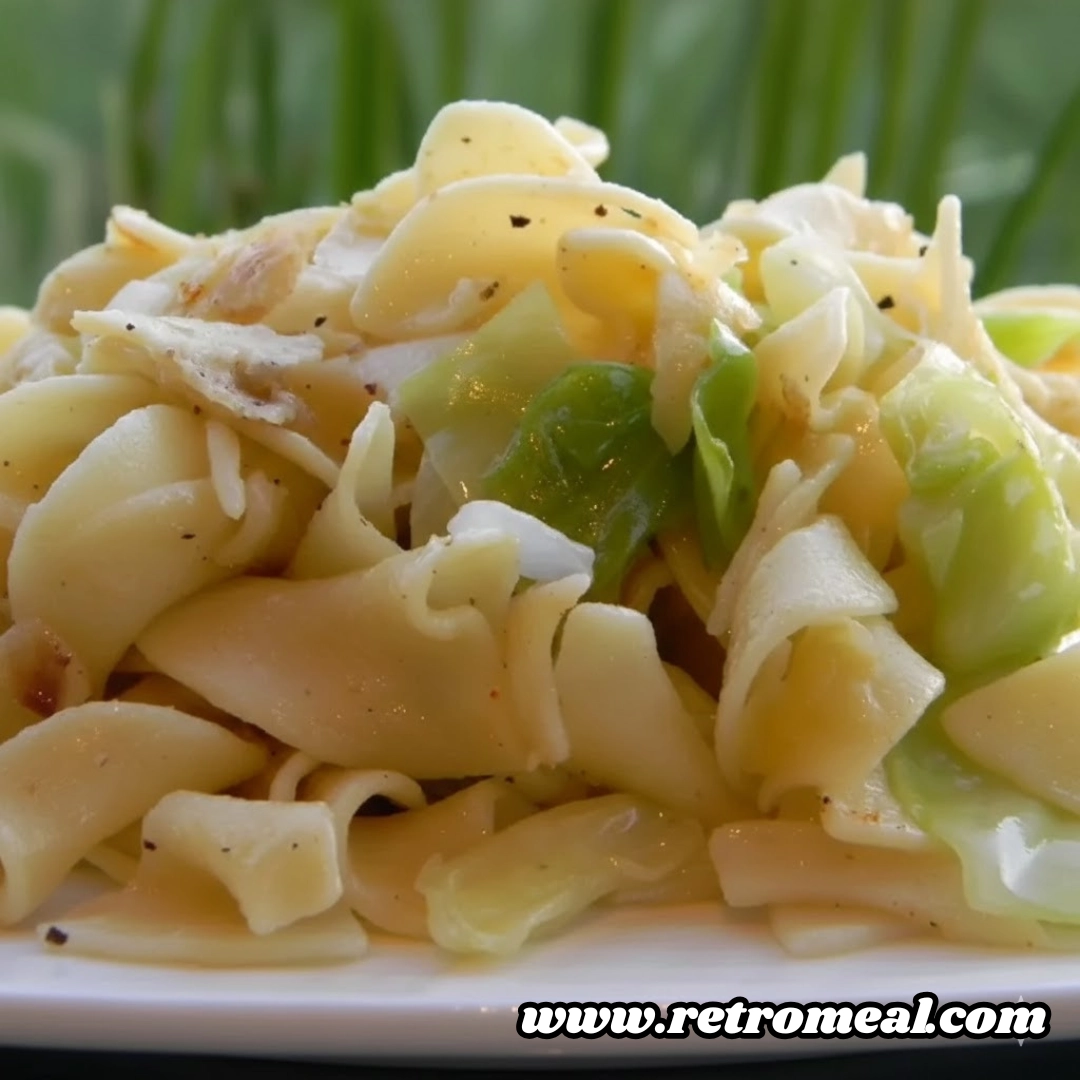
There is a profound, soulful magic in recipes that rely on the simplest of ingredients to create a flavor profile that feels like a warm embrace. Cabbage Balushka, often referred to as Hungarian cabbage and noodles, is the epitome of this culinary philosophy. This dish is more than just a side; it is a storied tradition that has graced central European dinner tables for generations. By combining the earthy sweetness of sautéed cabbage with the savory richness of butter and the satisfying chew of egg noodles, you create a meal that is both economical and incredibly sophisticated in its depth. Whether you are seeking a nostalgic trip down memory lane or a reliable, quick weeknight dinner, this recipe delivers a hearty experience that proves you do not need a pantry full of exotic spices to make something truly extraordinary.
Table of Contents
Necessary Ingredients for Cabbage Balushka
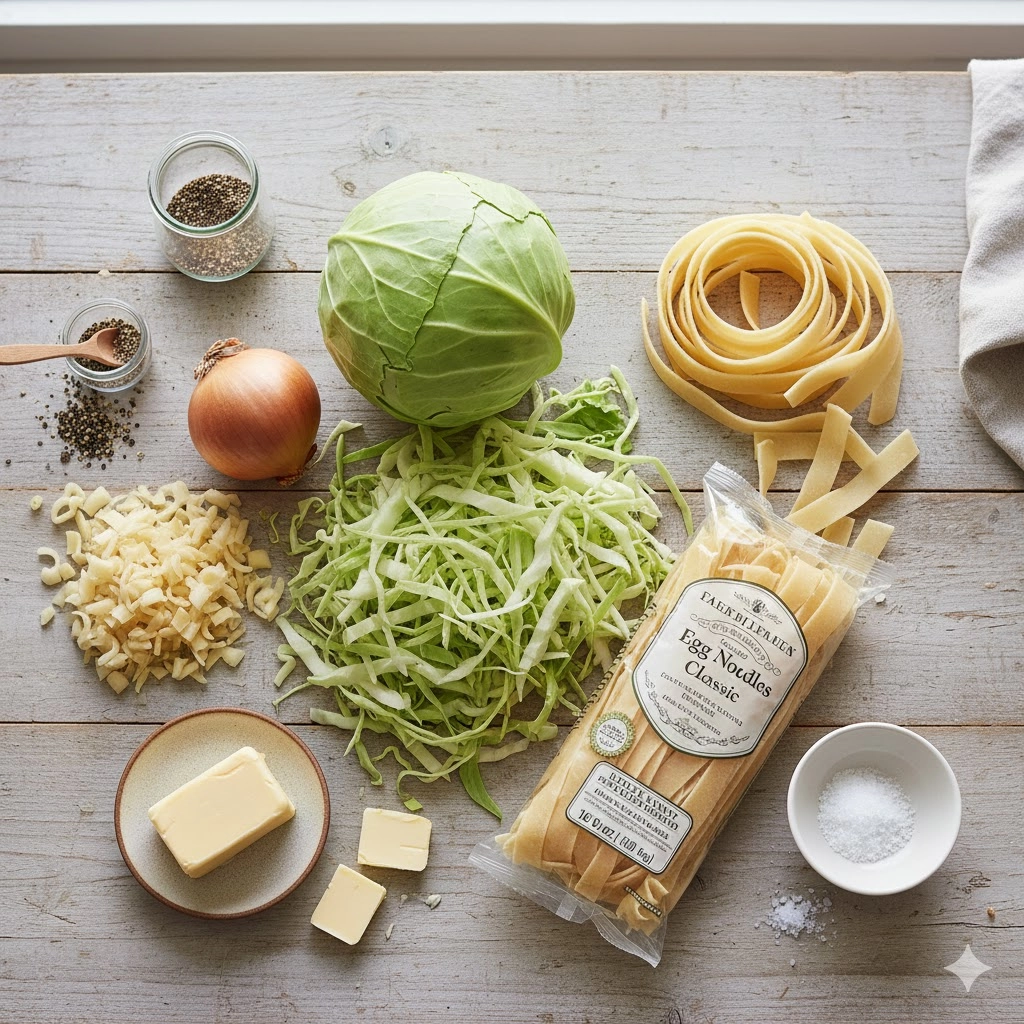
To begin this journey into Hungarian comfort food, you will need to gather a few humble staples from your kitchen. The beauty of this dish lies in the quality of these basic components. Ensure your produce is fresh to maximize the natural sugars that will release during the cooking process.
- 1 16 ounce package egg noodles
- 1/2 cup butter
- 1 large onion, chopped
- 1 head cabbage, cored and chopped
- Salt to taste
- Ground black pepper to taste
Preparation Instructions
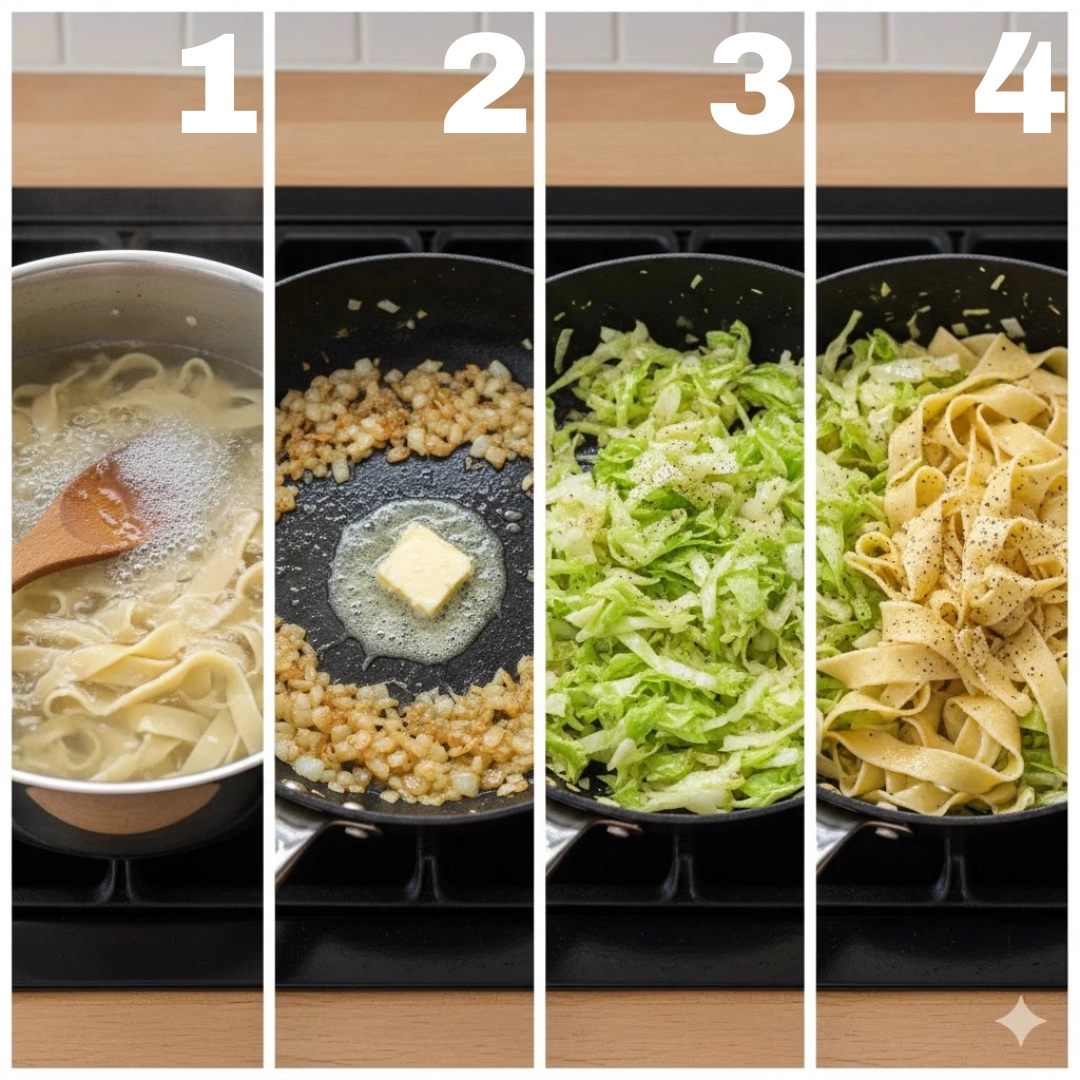
- Begin by filling a large, heavy-bottomed pot with water and adding a generous pinch of salt. Bring the water to a vigorous, rolling boil over high heat. Once boiling, stir in the 16 ounce package of egg noodles. Cook the noodles uncovered, stirring occasionally to prevent sticking, until they reach a texture that is tender but still offers a slight firmness to the bite, which usually takes about 5 minutes. Drain the noodles thoroughly in a colander and set them aside.
- While the noodles are draining, place a large skillet or a wide wok over medium heat. Add the 1/2 cup of butter and allow it to melt completely until it begins to shimmer. Add the chopped large onion to the melted butter. Cook and stir the onion consistently until it takes on a beautiful, deep golden-brown color. This browning process should take approximately 8 minutes and is crucial for developing the base flavor of the dish.
- Once the onions are perfectly caramelized, add the chopped head of cabbage into the skillet. Continue to cook and stir the mixture, allowing the cabbage to soften and wilt into the onions. This stage will take another 5 to 8 minutes depending on the thickness of your cabbage shreds.
- Gently fold the cooked egg noodles into the cabbage and onion mixture. Use a large spatula to ensure the noodles are evenly coated in the buttery sauce. Season the entire dish with salt and ground black pepper to your personal preference, serving it while it is steaming hot.
Deep Dive into the Cooking Process
The transformation of raw, crunchy cabbage and sharp onions into a silky, savory masterpiece requires a bit of patience and an understanding of how heat interacts with vegetables. When you begin the sautéing process, the butter acts as more than just a fat; it is a flavor carrier. As the onions cook for those initial 8 minutes, they undergo a chemical change where their natural sugars caramelize. This provides a sweet, umami-rich foundation that balances the slightly bitter notes of the cabbage.
When you introduce the cabbage to the pan, it may look like a mountain of greens that won’t possibly fit. However, as the heat penetrates the cell walls of the cabbage, it releases moisture and shrinks significantly. The goal is to reach a “wilted” state—where the cabbage is soft enough to be tender but still retains enough structure to provide a contrast to the soft egg noodles. This interplay of textures is what makes Cabbage Balushka so addictive. The final toss with the noodles should be done with care; you want to “marry” the ingredients so that every noodle is slicked with butter and flecked with bits of golden onion and black pepper.
Unique Insights for Culinary Success
Achieving the perfect Cabbage Balushka often comes down to the details of your technique. First, consider the cut of your cabbage. For a more uniform dish, try to chop the cabbage into squares that roughly match the width of your egg noodles. This ensures that every forkful has a balanced ratio of pasta to vegetable.
Another secret to elevating this dish is the heat management of your skillet. If the onions are browning too quickly or smelling burnt, reduce the heat immediately. You are looking for a gentle fry, not a sear. Furthermore, do not be shy with the black pepper. In many Eastern European households, the pepper is the star of the show, providing a gentle heat that cuts through the richness of the butter. If you have the time, letting the finished dish sit for two or three minutes before serving allows the noodles to absorb a bit more of the butter, making the final result even more decadent.
Exploring Modifications and Substitutions
While the traditional recipe is perfection in its simplicity, there are several ways to adapt Cabbage Balushka to fit your dietary needs or flavor preferences. If you are looking for a dairy-free version, you can substitute the butter with a high-quality olive oil or a vegan butter alternative, though you will lose some of that classic dairy richness.
For those who want to add a bit more protein, many cooks like to stir in some diced ham or even leftover shredded chicken at the very end. If you want to lean into the smoky variations mentioned by many traditionalists, you can start the dish by frying four or five strips of bacon, removing them to crumble later, and then using a combination of the bacon drippings and butter to sauté your onions and cabbage. If egg noodles aren’t available, any wide, flat pasta like fettuccine or even farfalle (bowtie pasta) can serve as a suitable replacement, though the texture will vary slightly from the classic Hungarian style.
Enhancing the Meal: Accompaniments and Serving
Cabbage Balushka is remarkably versatile when it comes to serving. As a standalone meal, it is filling and comforting, especially when served in a large, shallow bowl. However, it also shines as a side dish alongside heavier meat courses. It is a traditional partner for roasted pork loin, smoked sausages, or even a simple pan-seared chicken breast.
To brighten the plate, consider serving it with a side of cool sour cream or a crisp cucumber salad tossed in vinegar and dill. The acidity of a vinegar-based side dish provides a wonderful counterpoint to the buttery noodles. If you are serving this for a festive occasion, a garnish of fresh parsley or even a light sprinkle of paprika can add a pop of color to the otherwise golden-hued dish.
Understanding the Nutritional Profile
This dish is a hearty source of carbohydrates and healthy fats, making it an excellent energy-provider. Cabbage is a powerhouse vegetable, offering significant amounts of vitamin K and vitamin C even after it has been sautéed.
| Nutrient | Amount Per Serving |
| Calories | 482 |
| Total Fat | 19 grams |
| Cholesterol | 95 milligrams |
| Sodium | 180 milligrams |
| Total Carbohydrates | 67 grams |
| Dietary Fiber | 6 grams |
| Sugars | 7 grams |
| Protein | 14 grams |
Culinary Safety and Storage Disclaimer
Please be aware that nutritional values are estimates based on standard ingredient measurements. Actual nutritional content may vary depending on the specific brands of noodles or butter used. Always ensure that your cabbage is thoroughly washed before chopping. If you have leftovers, store them in an airtight container in the refrigerator for up to three days. When reheating, add a small splash of water or an extra pat of butter to the pan to help loosen the noodles and prevent them from becoming too dry.
Frequently Asked Questions
Can I use red cabbage instead of green cabbage for this recipe?
While you certainly can use red cabbage, it will significantly change the aesthetic of the dish. Red cabbage tends to turn the noodles a purplish-pink hue and has a slightly earthier, tougher texture. If you choose this route, you may need to increase the sautéing time by a few minutes to ensure the cabbage reaches the desired level of tenderness.
Why are my noodles sticking together after I drain them?
Noodles often stick together because of the starch released during the boiling process. To prevent this, ensure you are using a large enough pot with plenty of water. If you aren’t ready to toss them into the cabbage immediately, you can lightly coat them with a teaspoon of oil or a small bit of melted butter after draining to keep them separated.
Is Cabbage Balushka supposed to be crunchy or soft?
Traditional Hungarian Balushka leans toward the softer side. The cabbage should be wilted and tender, almost melting into the butter, while the noodles should be al dente. If you prefer a bit of crunch, you can simply reduce the sautéing time of the cabbage by two or three minutes so it retains some of its raw snap.
Can I prepare this dish in advance for a potluck?
Yes, this dish travels quite well. In fact, many people find that the flavors meld and improve after sitting for an hour. If you are preparing it ahead of time, undercook the noodles by about one minute. When you reheat the dish later, the noodles will finish softening without becoming mushy.
Bringing the Tradition Home
There is something truly special about a dish that can be made with items almost everyone has in their pantry. Cabbage Balushka reminds us that the heart of cooking isn’t about complexity, but about the care taken with each step. From the slow browning of the onions to the gentle tossing of the noodles, this recipe is an invitation to slow down and enjoy the process of creating comfort. It is a dish that has survived the test of time for a reason: it is warm, filling, and tastes like home. We hope this becomes a staple in your kitchen, bringing a touch of Hungarian warmth to your dinner table.
Cabbage Balushka
Ingredients
- 1 16 ounce package egg noodles
- 0.5 cup butter
- 1 large onion, chopped
- 1 head cabbage, cored and chopped
- salt to taste
- ground black pepper to taste
Instructions
- Fill a large pot with lightly salted water and bring to a rolling boil. Stir in egg noodles and return to a boil. Cook noodles uncovered, stirring occasionally, until tender but still slightly firm, about 5 minutes. Drain well.
- Melt butter in a large skillet or wok over medium heat; cook and stir onion until browned and caramelized, about 8 minutes.
- Add the chopped cabbage into the skillet with the onions. Cook and stir until the cabbage has wilted and softened, another 5 to 8 minutes.
- Gently stir the cooked noodles into the cabbage and onion mixture. Season generously with salt and black pepper to taste. Serve warm.
Notes
Equipment
- large pot For boiling noodles
- colander To drain pasta
- large skillet or wok To sauté cabbage and onions
- wooden spoon or spatula