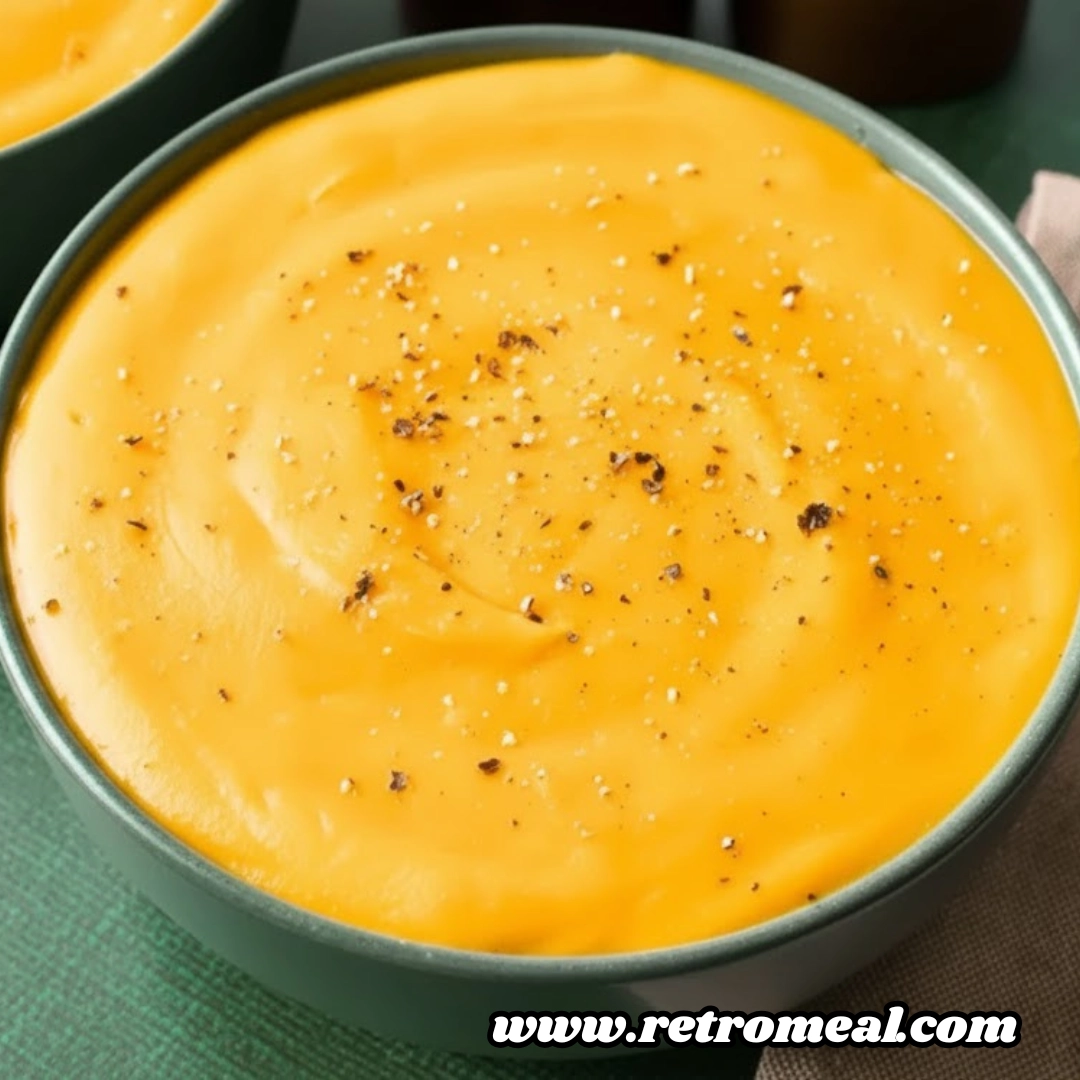
The transition into the cooler months often brings a craving for something deeply nourishing and velvety. This Butternut Squash Soup is a quintessential example of how a few humble root vegetables and a slow simmer can transform into a sophisticated, silk-textured meal. While many versions of this dish rely on heavy creams to achieve body, this recipe leans on the natural starches of the squash and potato to create a thick, satisfying consistency that feels indulgent yet remains wholesome. It is an ideal centerpiece for a quiet weeknight dinner or a refined starter for a festive holiday gathering.
Table of Contents
Ingredients
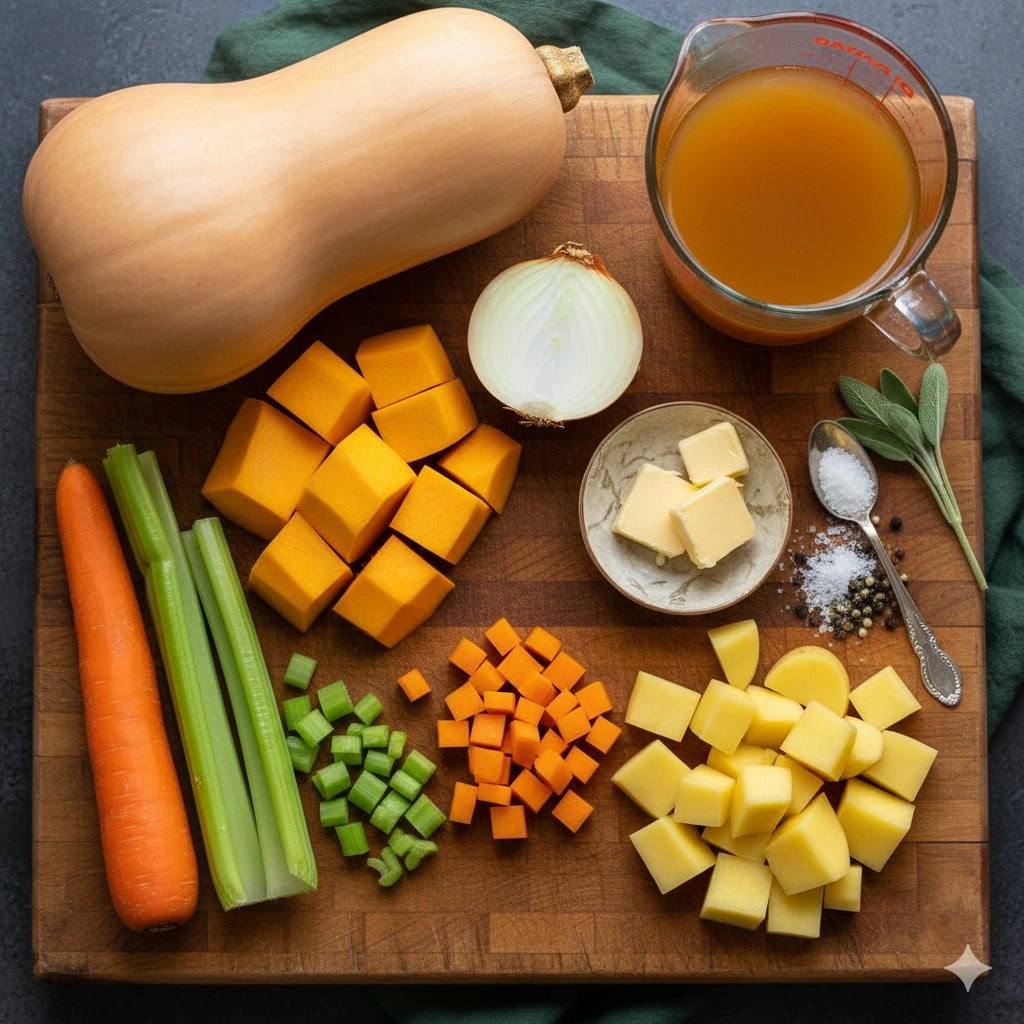
The Vegetable Base
- Two tablespoons unsalted butter
- One small yellow onion, diced
- One stalk celery, sliced
- One medium carrot, peeled and chopped
- Two medium Yukon Gold potatoes, peeled and cubed
- One medium butternut squash (approximately two pounds), peeled, seeded, and cubed
The Liquid and Seasoning
- Thirty-two ounces vegetable or chicken stock
- One teaspoon fine sea salt, or to taste
- Half teaspoon freshly cracked black pepper
Instructions
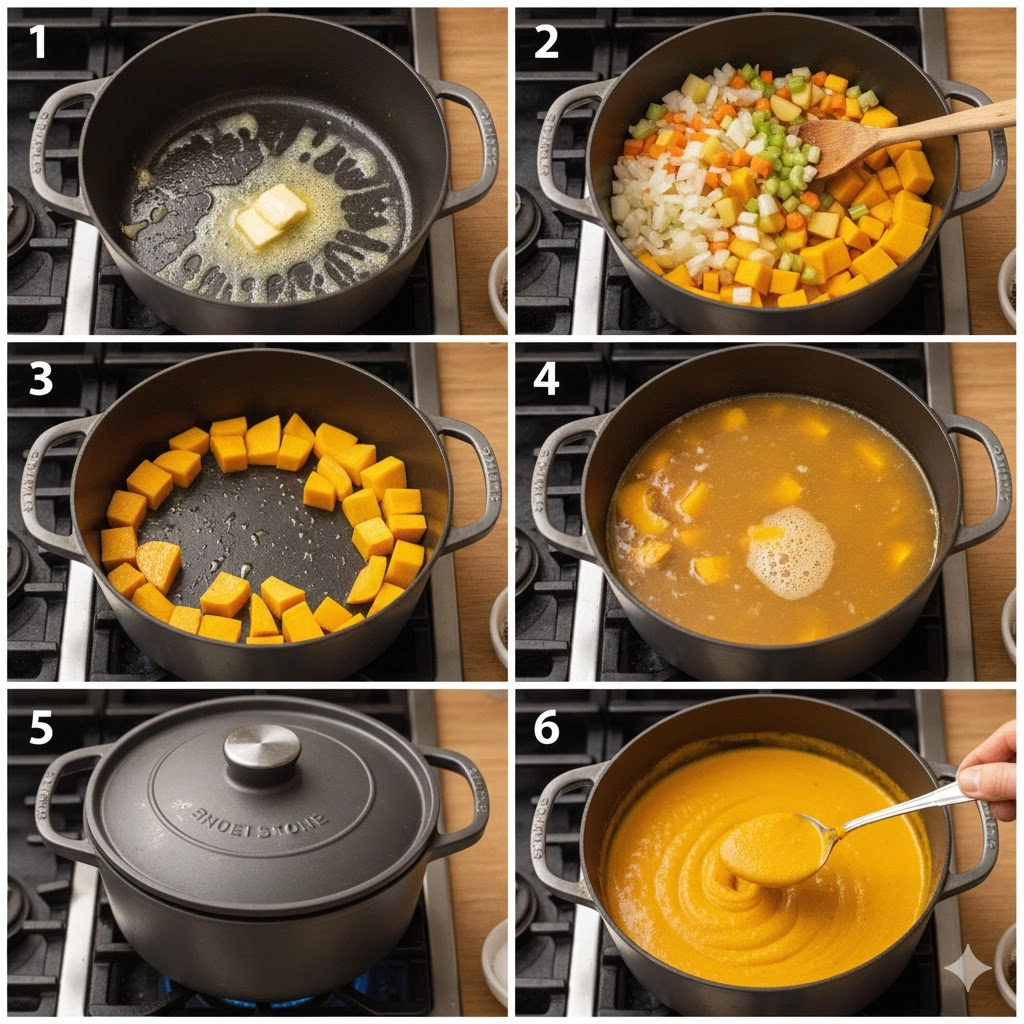
- Place a heavy-bottomed Dutch oven or stockpot over medium heat and melt the butter until it begins to foam.
- Incorporate the onion, celery, carrot, potatoes, and butternut squash into the pot, stirring to coat the vegetables in the melted butter.
- Sauté the mixture for five to seven minutes, allowing the vegetables to soften slightly and develop a very light golden color.
- Pour in the stock, ensuring the liquid fully submerges the vegetable pieces; increase the heat to medium-high to reach a boil.
- Once boiling, immediately drop the temperature to low, cover the pot with a tight-fitting lid, and simmer for forty minutes.
- Test the squash and potatoes with a fork; they should fall apart easily when pressed against the side of the pot.
- Using a stand blender or an immersion blender, process the mixture until the texture is completely uniform and aerated.
- Return the pureed liquid to the pot, adjust the thickness with any remaining stock, and season thoroughly with salt and pepper before serving.
Essential Preparation Details
Achieving the perfect consistency in a Butternut Squash Soup requires attention to the physical state of the vegetables before blending. When you begin the sauté process, look for the edges of the onions to turn translucent. You aren’t looking for a deep sear on the squash, but rather a gentle “sweating” that releases the natural sugars. This foundational step builds a layer of savory complexity that raw simmering cannot replicate.
During the simmering phase, the aroma will shift from the sharp scent of raw onion to a mellow, earthy sweetness. It is vital to keep the heat low during this forty-minute window. If the liquid boils too vigorously, it may reduce too much, leaving the vegetables unevenly cooked. The doneness check is paramount: if the carrot or potato resists the fork even slightly, the final soup will have a grainy mouthfeel. Aim for a “mashable” consistency.
When blending, if using a traditional upright blender, never fill the jar more than halfway. The steam from the hot liquid expands rapidly and can force the lid off. Start at the lowest speed and gradually increase. You will know the soup is ready when the color shifts to a vibrant, consistent orange and the surface takes on a glossy sheen.
Pro Tips for Culinary Success
- The Microwave Shortcut: If the squash skin is too difficult to peel, pierce it several times with a fork and microwave the whole squash for three minutes to soften the exterior before slicing.
- Balance the Acidity: If the soup tastes “flat” after seasoning with salt, add a teaspoon of apple cider vinegar or a squeeze of fresh lemon juice to brighten the earthy notes.
- Strain for Elegance: For a truly professional, restaurant-grade finish, pass the blended soup through a fine-mesh sieve (chinois) to remove any lingering vegetable fibers.
- Temperature Control: Always heat your stock before adding it to the sautéed vegetables. Adding cold liquid to a hot pot slows down the cooking process and can affect the texture of the starches.
- The Potato Choice: Use Yukon Gold potatoes rather than Russets. Yukon Golds have a naturally buttery flavor and a waxier starch profile that contributes to a smoother puree.
- Toast Your Spices: If you choose to add dry spices like cumin or nutmeg, stir them into the melted butter for sixty seconds before adding the vegetables to bloom their oils.
Variations and Substitutions
- Dairy-Free Alternative: Replace the butter with high-quality extra virgin olive oil or coconut oil for a vegan-friendly version that maintains a rich mouthfeel.
- Roasted Depth: For a smokier profile, toss the squash cubes in oil and roast them at four hundred Fahrenheit for twenty-five minutes before adding them to the soup pot.
- Coconut Ginger Twist: Swap half of the stock for full-fat coconut milk and add two tablespoons of freshly grated ginger during the sauté phase.
- Autumn Orchard Style: Replace one of the potatoes with a peeled and cored Granny Smith apple to introduce a subtle tartness and extra pectin for thickness.
Serving Suggestions
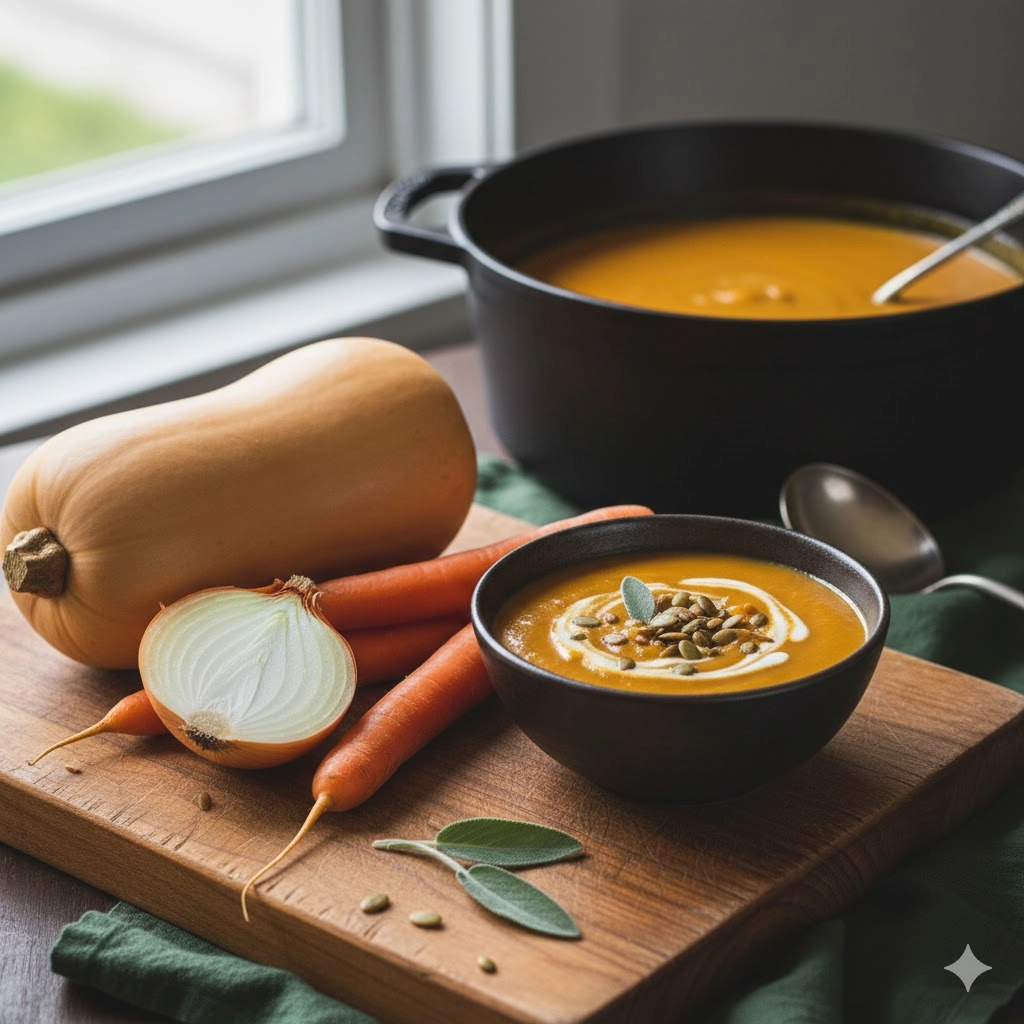
This soup is a beautiful canvas for various garnishes. A swirl of heavy cream or a dollop of Greek yogurt provides a cool contrast to the warmth of the broth. For a textural element, top each bowl with toasted pumpkin seeds (pepitas) or homemade sourdough croutons seasoned with dried sage. If serving as a full meal, a side of crusty warm baguette or a sharp arugula salad with a balsamic vinaigrette balances the richness of the squash.
FAQs
Can I make this soup in advance?
Yes, this soup actually improves in flavor after sitting in the refrigerator overnight. Store it in an airtight container for up to four days and reheat it slowly on the stovetop over low heat, adding a splash of water if it has thickened too much.
How do I fix a soup that is too thin?
If the soup isn’t thick enough after blending, return it to the stove and simmer it uncovered for ten to fifteen minutes. This allows excess moisture to evaporate, concentrating the solids and thickening the texture naturally.
Can this recipe be frozen?
Absolutely. Because this version does not contain dairy, it freezes exceptionally well without separating. Freeze in portions for up to three months, then thaw in the refrigerator before reheating.
What is the best way to peel a butternut squash safely?
Cut a small slice off the top and bottom of the squash to create flat surfaces. Stand the squash upright on a cutting board and use a sharp Y-peeler to take the skin off in downward strokes, which provides much more control than a swivel peeler.
Nutrition Information
| Nutrient | Amount per Serving |
| Calories | 255 kcal |
| Protein | 9 g |
| Carbs | 36 g |
| Fat | 9 g |
| Fiber | 6 g |
| Sugar | 7 g |
| Sodium | 850 mg |
Disclaimer
Nutrition information is an estimate and may vary based on preparation and ingredients used.
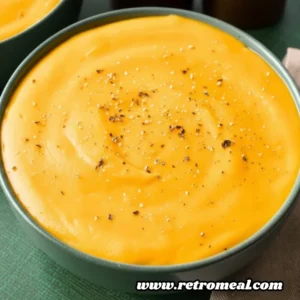
Butternut Squash Soup
Ingredients
- 2 tbsp unsalted butter
- 1 small yellow onion, chopped
- 1 stalk celery, chopped
- 1 medium carrot, peeled and chopped
- 2 medium Yukon Gold potatoes, peeled and cubed
- 1 medium butternut squash (approx. 2 lbs), peeled, seeded, and cubed
- 32 oz vegetable or chicken stock
- 1 tsp fine sea salt, plus more to taste
- 0.5 tsp freshly ground black pepper
Instructions
- Melt the butter in a large heavy-bottomed pot over medium heat until it begins to foam.
- Add the onion, celery, carrot, potatoes, and squash. Sauté for 5 to 7 minutes until the vegetables soften slightly.
- Pour in enough stock to fully submerge the vegetables and bring the mixture to a boil over medium-high heat.
- Reduce the heat to low, cover the pot tightly, and simmer for 40 minutes until all vegetables are fork-tender.
- Carefully blend the soup in batches using a stand blender or directly in the pot with an immersion blender until smooth.
- Return to heat if necessary, stir in any remaining stock to reach your desired thickness, and season with salt and pepper.
Notes
Equipment
- large stockpot or Dutch oven
- Vegetable Peeler A Y-peeler works best for squash
- Immersion blender or stand blender
- chef’s knife