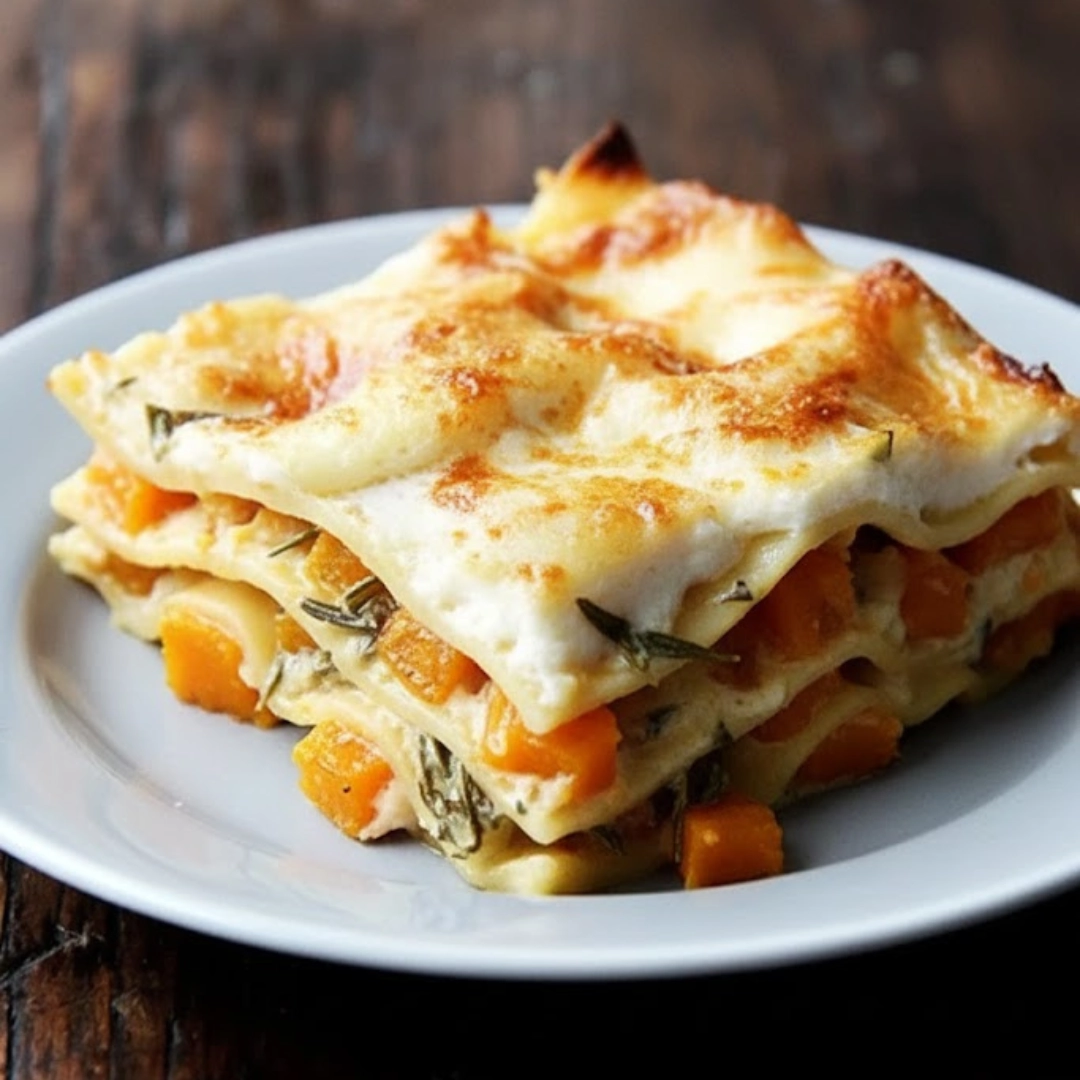
There is something undeniably magical about a golden, bubbling tray of lasagna emerging from the oven on a cold winter evening. While traditional meat sauces have their place, this Roasted Butternut Squash Lasagna is a true showstopper that offers a sophisticated, earthy alternative. This dish gained its legendary status during a snowy Thanksgiving in Vermont, where it managed to outshine even the traditional turkey. It balances the natural sweetness of roasted squash with a savory, herb-infused bechamel sauce and a unique salted whipped cream topping that creates a luxurious, brown-butter finish. Whether you are hosting a vegetarian-friendly holiday feast or simply want a comforting weekend meal that feels special, this recipe delivers deep, complex flavors with surprisingly straightforward preparation.
Table of Contents
Ingredients
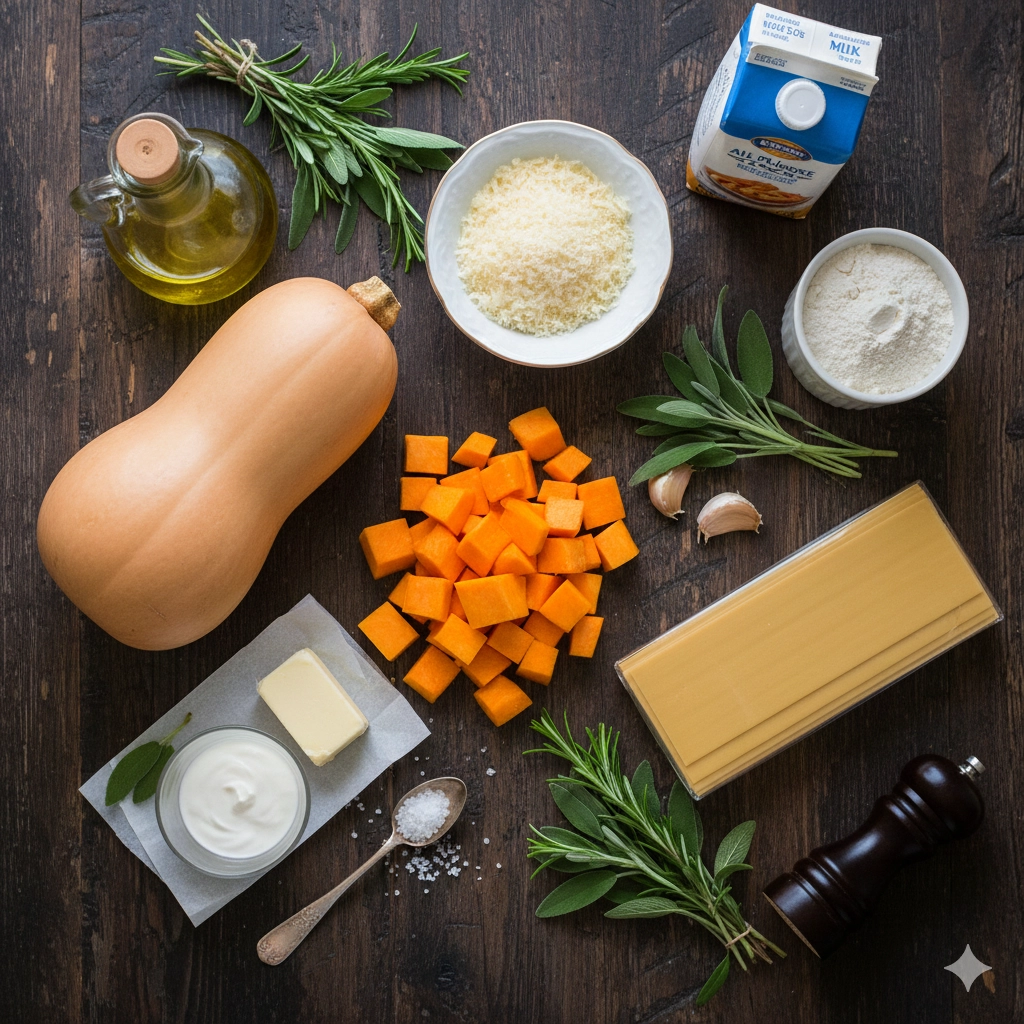
- 3 pounds butternut squash, quartered, seeded, peeled, and cut into 1/2 inch dice (this should yield approximately 8 cups of cubed squash)
- 3 tablespoons grapeseed or olive oil
- 4 cups milk, 2 percent or whole
- A few sprigs of fresh rosemary and sage
- 1 tablespoon minced garlic
- 4 tablespoons unsalted butter
- 4 tablespoons all-purpose flour
- 9 sheets (7 by 3 1/2 inch) dry no-boil lasagna pasta (Barilla brand is recommended)
- 1 1/3 cups freshly grated Parmesan
- 1 cup heavy cream
- 1/2 teaspoon salt
- Salt and pepper to taste for seasoning the squash and sauce
Instructions
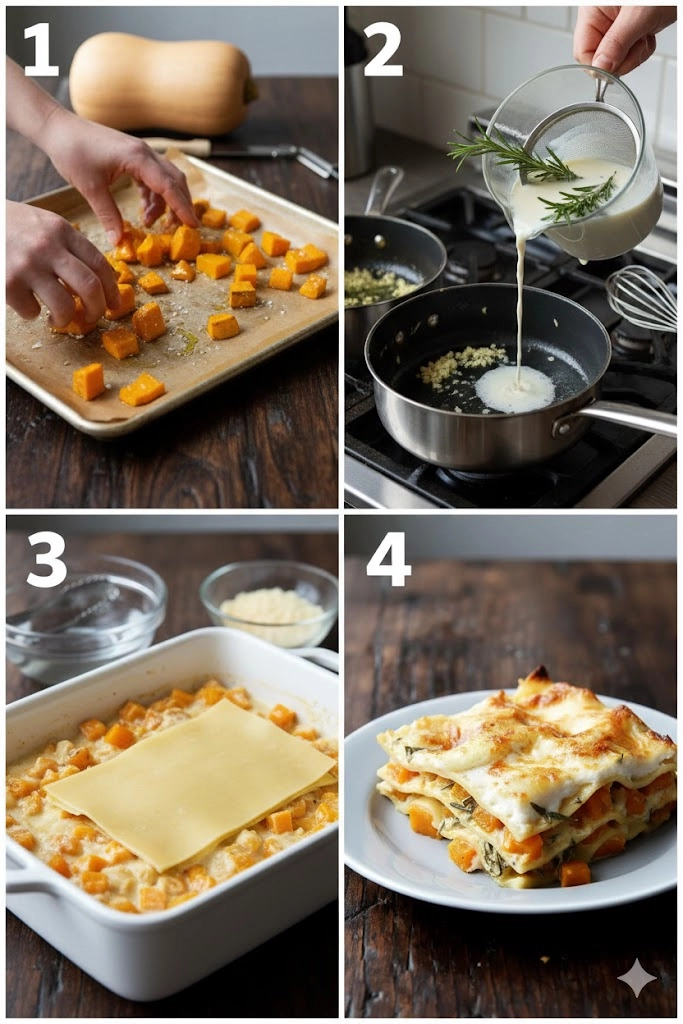
- Preheat your oven to 450 Fahrenheit. Prepare your butternut squash by spreading the 1/2 inch cubes onto one extra-large sheet pan or two standard-sized sheet pans. Drizzle with the grapeseed or olive oil (use 2 tablespoons for a large pan or 1 tablespoon per smaller pan). Season generously with salt and toss until every cube is well-coated.
- Roast the squash in the oven for approximately 30 minutes. Be sure to toss the cubes halfway through the cooking time. You are looking for the squash to be tender and just starting to turn a beautiful golden-brown or caramelized at the edges.
- As the squash roasts, prepare the herb-infused milk. In a medium saucepan, combine the milk with the fresh rosemary and sage sprigs. Bring the mixture to a gentle simmer over low heat for 10 minutes. Once infused, pour the milk through a sieve into a large pitcher or measuring cup to remove the herbs, and set aside.
- In a large, heavy saucepan, melt the 4 tablespoons of butter over moderately low heat. Add the minced garlic and cook, stirring frequently, until it has softened and smells fragrant.
- Whisk in the flour to create a roux. Continue cooking the flour and butter mixture for about 3 minutes, stirring often to prevent it from browning too much.
- Remove the pan from the heat and slowly pour in the herb-infused milk in a steady stream, whisking constantly to ensure a perfectly smooth consistency.
- Return the saucepan to the heat and simmer the sauce for about 10 minutes, whisking occasionally. The bechamel is ready when it has thickened enough to coat the back of a spoon.
- Fold the roasted butternut squash cubes into the bechamel sauce. Season the mixture with salt and pepper to your preference.
- Reduce the oven temperature to 375 Fahrenheit. Lightly grease a 9 by 13 inch baking dish with butter.
- Prepare a quick hot water bath for your no-boil noodles. Fill a small baking dish with boiling water. Dunk three sheets of pasta into the water for a minute or two to soften them slightly before you begin assembly.
- Begin the assembly by spreading 1 cup of the squash and sauce mixture into the bottom of the prepared 9 by 13 inch dish. Place 3 softened lasagna sheets on top, ensuring they do not touch or overlap significantly.
- Soak three more noodles in the hot water bath. Meanwhile, spread half of the remaining sauce (roughly 2 cups) over the first layer of noodles and sprinkle with 1/2 cup of grated Parmesan.
- Add the second layer of 3 noodles. Soak the final 3 noodles. Spread the rest of the sauce mixture over the noodles and top with another 1/2 cup of Parmesan. Finish with the final 3 noodles.
- In a separate bowl, whip the 1 cup of heavy cream with 1/2 teaspoon of salt using an electric mixer or whisk until it holds soft peaks.
- Spread the salted whipped cream evenly over the top layer of pasta, ensuring every corner is covered to prevent the noodles from drying out. Sprinkle the remaining 1/3 cup of Parmesan over the cream.
- Cover the dish tightly with aluminum foil, tenting it slightly so it doesn’t stick to the cream. Bake in the middle of the oven for 30 minutes.
- Remove the foil and continue baking for 10 to 20 minutes more, or until the top is bubbling vigorously and has turned a lovely golden-brown.
- Allow the lasagna to rest for 5 minutes before slicing. This helps the layers set so you get clean, beautiful portions.
Mastering the Step-by-Step Details
Creating a masterpiece like this requires attention to the sensory details of each stage. When you are dicing your squash, aim for uniformity. Those 1/2 inch cubes are the perfect size because they offer enough surface area to caramelize in the 450 Fahrenheit oven while remaining sturdy enough to hold their shape once folded into the creamy bechamel. As they roast, you’ll notice the aroma shifting from raw and vegetal to sweet and nutty. This caramelization is vital; it provides the savory “umami” that balances the richness of the dairy.
The bechamel is the backbone of the dish. Infusing the milk with rosemary and sage isn’t just a suggestion—it’s the secret to that “stolen show” flavor. The heat of the simmering milk coaxes the essential oils out of the woody rosemary and the soft sage leaves, embedding a forest-like fragrance directly into the sauce. When you make your roux, don’t rush the 3-minute cook time for the flour and butter. This step removes the “raw flour” taste, ensuring your sauce tastes like pure, velvety cream. When you finally combine the roasted cubes with the herb-scented sauce, the mixture should be thick, chunky, and incredibly fragrant.
The assembly process features a modern twist on the no-boil noodle. While these products are designed to cook in the moisture of the sauce, many modern brands benefit from a brief “rehydration” in a hot water bath. This 60-second dunk ensures that the pasta is pliable and ready to absorb the flavors of the squash. Finally, the whipped cream topper is the ultimate culinary flourish. As it bakes, the water evaporates, leaving behind concentrated milk solids and fats that brown into a topping reminiscent of toasted brioche or brown butter.
Unique Culinary Insights for This Dish
The most distinctive feature of this lasagna is the move away from traditional ricotta or mozzarella in favor of a sophisticated bechamel and a whipped cream crown. Most lasagnas rely on the stretch of mozzarella, but this recipe leans into the “melt-in-your-mouth” texture of slow-cooked vegetables and French-style white sauce.
Another insight involves the use of the salted whipped cream. In most savory cooking, cream is poured in liquid form. By whipping it to soft peaks before spreading it, you incorporate air. This aerated layer acts as an insulator during the first 30 minutes of baking, steaming the top layer of pasta to perfection. Once the foil is removed, the air pockets collapse, and the cream “fries” the Parmesan on top, creating a delicate, lacy crust that is far superior to a simple layer of melted cheese.
Lastly, consider the garlic. By softening the minced garlic in butter rather than browning it, you keep the flavor profile mellow and sweet. This allows the rosemary and sage to remain the primary aromatic drivers, preventing the garlic from overpowering the delicate sweetness of the roasted butternut squash.
Modifications & Substitutions
While this recipe is perfection as written, there are a few ways to pivot based on what you have in your pantry. If you cannot find butternut squash, Red Kuri or Honeynut squash make excellent substitutes due to their dense flesh and sweet flavor. Avoid using “spaghetti squash” as the texture will not work in a layered pasta dish.
For those looking for a different aromatic profile, you can swap the rosemary and sage for fresh thyme or even a pinch of nutmeg for a more classic French bechamel feel. If you prefer a bit of a kick, adding a pinch of red pepper flakes to the garlic-butter mixture provides a lovely contrast to the sweet squash.
If you are looking to make this slightly lighter, you can use 2 percent milk for the bechamel, though whole milk provides the most luxurious mouthfeel. While the recipe calls for Barilla no-boil noodles, you can use traditional lasagna noodles; just be sure to boil them until they are slightly less than al dente before layering, as they will finish cooking in the oven.
Accompaniments & Serving Suggestions
Because this lasagna is incredibly rich and creamy, it pairs best with items that offer acidity and crunch. A bright green salad featuring arugula or kale with a sharp lemon vinaigrette is the ideal partner. The bitterness of the greens cuts through the richness of the bechamel and the sweetness of the squash perfectly.
If you are serving this as part of a larger holiday spread, roasted Brussels sprouts with a splash of balsamic vinegar or sautéed garlicky broccolini provide a nice textural contrast. For bread lovers, a crusty loaf of sourdough or a simple focaccia can be used to swipe up every last bit of the herb-infused sauce from the plate. In terms of beverages, a crisp white wine like a Chenin Blanc or a lightly oaked Chardonnay complements the buttery notes of the dish beautifully.
Deep-Dive FAQ
Can I use pre-cut butternut squash from the grocery store? Yes, you absolutely can use pre-cut squash to save time, as peeling and dicing a whole squash is often the most labor-intensive part of the recipe. Just ensure the cubes are roughly 1/2 inch in size; if they are significantly larger, you may need to roast them for an additional 5 to 10 minutes to ensure they are fully tender. Check the weight to make sure you have the full 3 pounds required for the proper sauce-to-vegetable ratio.
Why is my lasagna watery after baking? If your lasagna appears watery, it is usually because the squash wasn’t roasted long enough or the bechamel didn’t thicken sufficiently on the stovetop. Roasting the squash at 450 Fahrenheit is crucial because it evaporates excess moisture and concentrates the sugars. Additionally, make sure you let the lasagna rest for at least 5 minutes after taking it out of the oven; this allows the starches in the pasta and the fats in the sauce to “set,” resulting in a firm, stackable slice.
Can I add meat to this recipe? While this is designed as a vegetarian showstopper, you can certainly adapt it for meat lovers. Cooked and crumbled Italian sausage (especially a spicy variety) or crispy pancetta bits can be layered in with the squash and sauce. The saltiness of the pork products provides a fantastic counterpoint to the sweetness of the butternut squash, though it will change the overall profile of the dish from “delicate and earthy” to “hearty and savory.”
How do I store and reheat leftovers? Leftover lasagna should be kept in an airtight container in the refrigerator for up to 4 days. To reheat, the best method is to place a slice on a sheet pan and bake at 350 Fahrenheit for about 15 to 20 minutes; this helps maintain the integrity of the layers and prevents the noodles from becoming mushy. You can also microwave individual portions, though the top crust will lose its signature crispness.
Sharing the Warmth of a Vermont Winter
This Roasted Butternut Squash Lasagna is more than just a meal; it is a recipe born of cold winters and warm fireside gatherings. Its unique combination of herb-infused milk and salted whipped cream elevates the humble squash into something truly elegant. Whether you are following the tradition of a Vermont Thanksgiving or starting a new tradition in your own kitchen, this dish promises to be the highlight of the evening. It is a testament to the fact that with a little patience and the right aromatics, simple vegetables can become the most memorable part of any feast.
Nutrition Table
| Nutrient | Amount Per Serving |
| Calories | 485 |
| Total Fat | 28g |
| Saturated Fat | 16g |
| Cholesterol | 85mg |
| Sodium | 640mg |
| Total Carbohydrates | 48g |
| Dietary Fiber | 4g |
| Sugars | 9g |
| Protein | 12g |
Disclaimer
The nutritional information provided is an estimate based on standard ingredients and servings. Actual nutritional content may vary depending on specific brands used and individual preparation methods. Always consult with a healthcare professional for specific dietary needs.
Roasted Butternut Squash Lasagna
Ingredients
- 3 pounds butternut squash, quartered, seeded, peeled, and cut into 1/2-inch dice (about 8 cups)
- 3 tbsp grapeseed or olive oil
- 4 cups milk, 2 percent or whole
- 1 handful fresh rosemary and sage sprigs
- 1 tbsp garlic, minced
- 4 tbsp unsalted butter
- 4 tbsp all-purpose flour
- 9 sheets dry no-boil lasagne pasta (Barilla brand recommended)
- 1.33 cups freshly grated Parmesan cheese
- 1 cup heavy cream
- 0.5 tsp fine sea salt
- Salt and black pepper to taste
Instructions
- Preheat oven to 450 Fahrenheit. Spread squash cubes on sheet pans, toss with oil and salt, and roast for 30 minutes until tender and golden, tossing halfway through.
- In a saucepan, bring milk and herb sprigs to a simmer over low heat for 10 minutes. Strain through a sieve and discard herbs.
- Cook garlic in butter over moderately low heat until softened. Whisk in flour and cook the roux for 3 minutes.
- Slowly whisk in the infused milk and simmer for 10 minutes until thick. Fold in the roasted squash and season with salt and pepper.
- Reduce oven to 375 Fahrenheit. Butter a 9×13 inch dish. Briefly soak no-boil noodles in a pan of boiling water for 1 minute before layering.
- Layer 1 cup sauce, 3 noodles, 2 cups sauce, and 1/2 cup Parmesan. Repeat once, then top with the final 3 noodles.
- Beat heavy cream with 1/2 tsp salt to soft peaks. Spread evenly over the top pasta layer and sprinkle with remaining Parmesan.
- Cover tightly with foil and bake for 30 minutes. Remove foil and bake 10-20 minutes more until bubbling and golden-brown.
Notes
Equipment
- 9×13-inch baking dish
- Extra-large sheet pan
- Large heavy saucepan
- fine mesh sieve
- Electric hand mixer