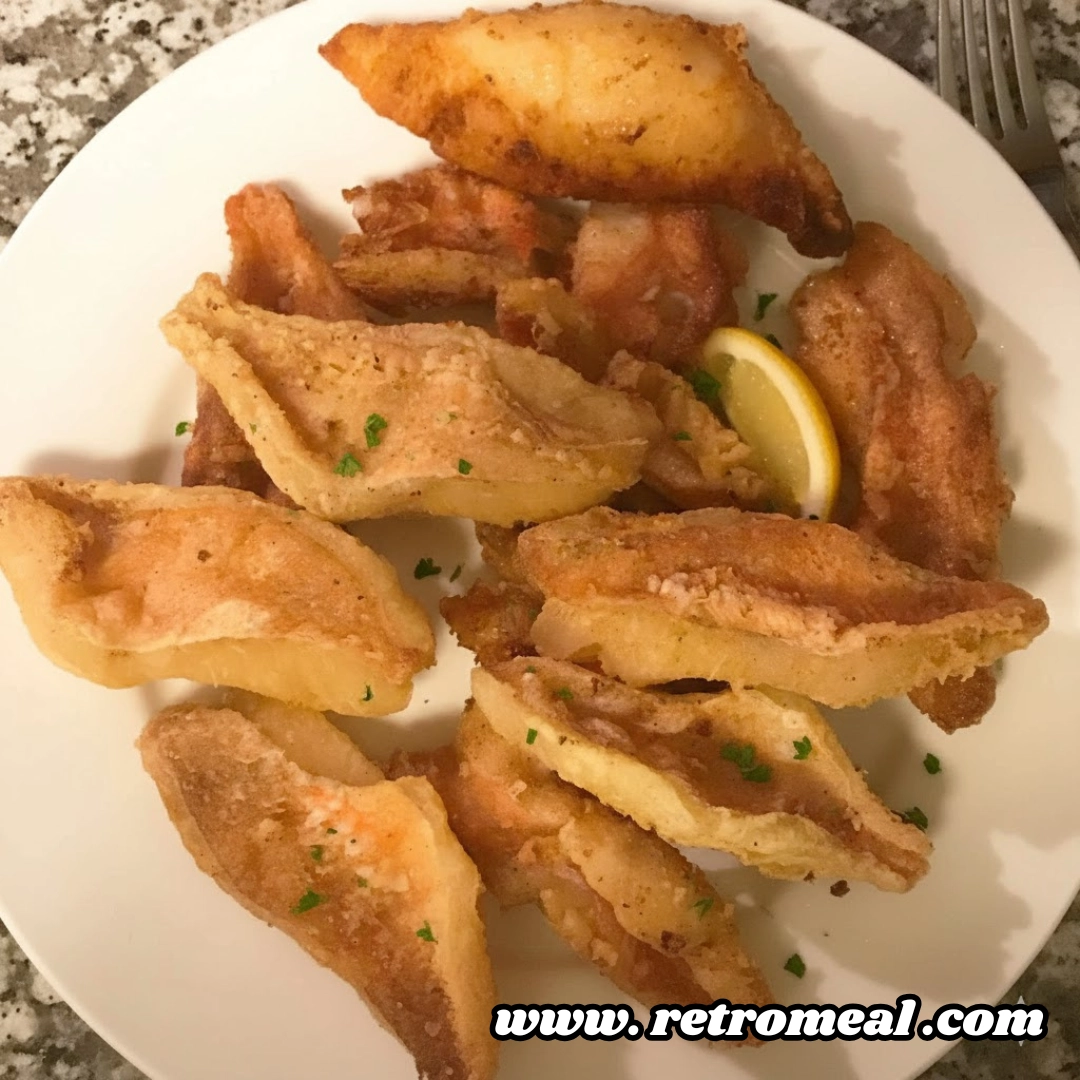
Mastering the art of pan-searing fresh fish requires a balance of high heat and delicate handling. When working with freshwater species, the goal is often to highlight their natural sweetness without masking it under heavy sauces or thick batters. This specific preparation focuses on a classical French technique known as meunière style, where a light dusting of seasoned flour meets the rich, toasted notes of browned butter. The result is a crisp exterior that protects the flaky, tender interior of the fish. By allowing the butter to reach a specific stage of caramelization, you introduce a nutty profile that complements the mildness of the fillets perfectly.
Table of Contents
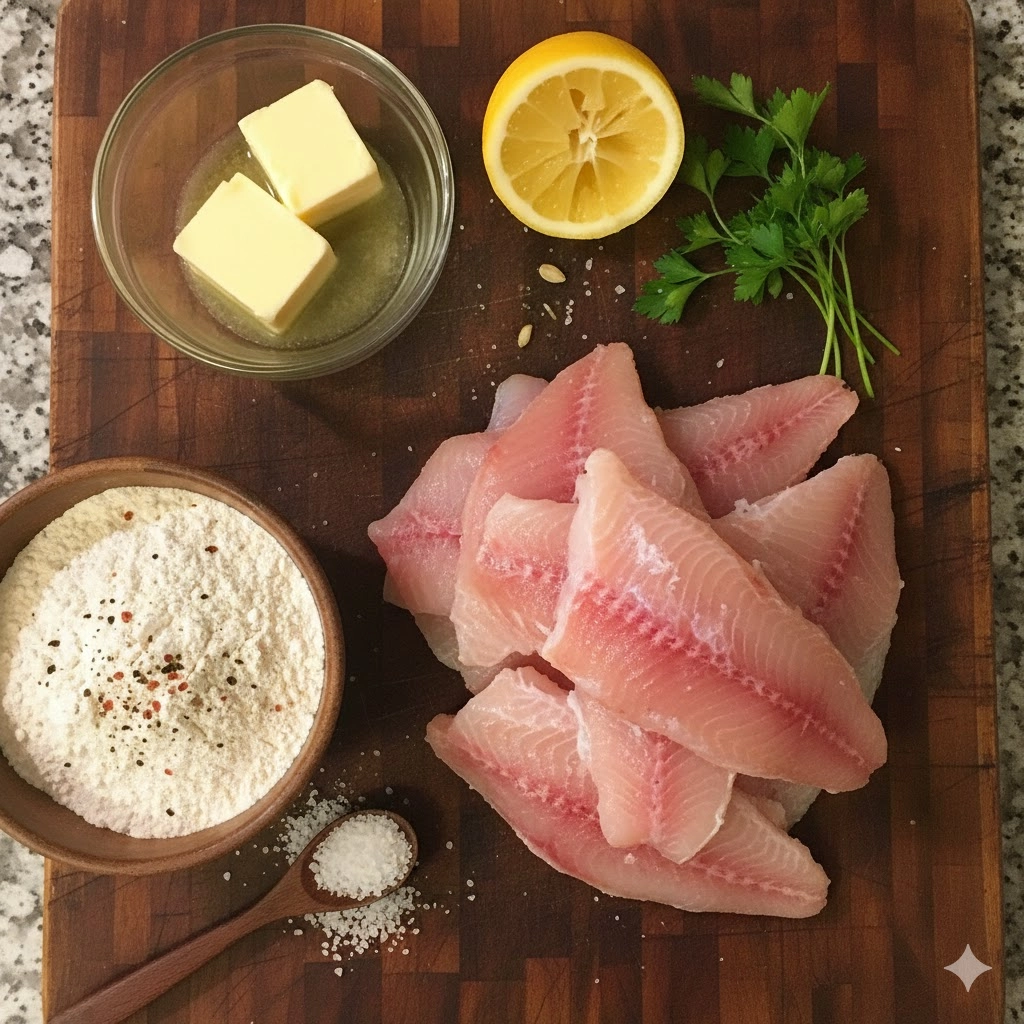
INGREDIENTS
- 1 cup flour
- 1 teaspoon salt
- 1/2 teaspoon finely ground black pepper
- 1/2 teaspoon cayenne pepper
- 8 ounces fresh perch fillets
- 2 tablespoons butter
- 1 lemon, cut in half
INSTRUCTIONS
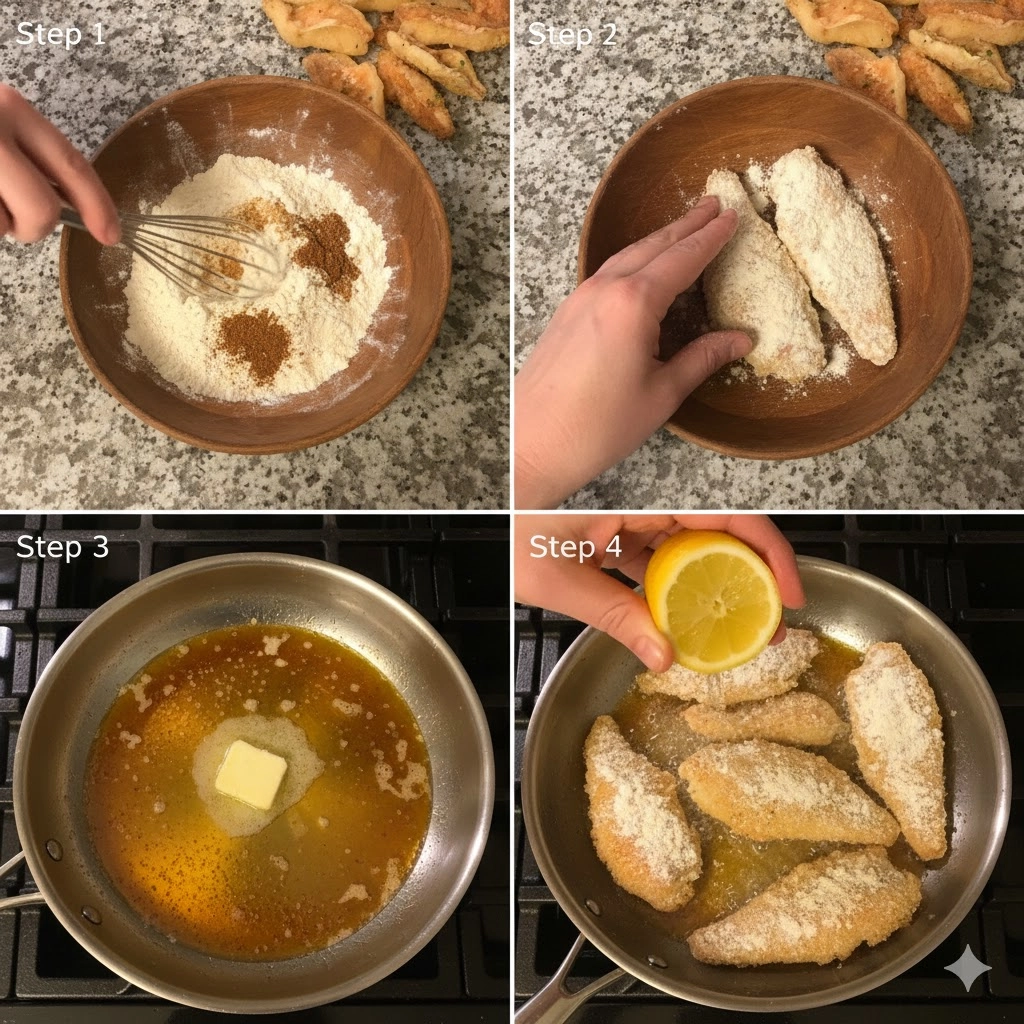
- Begin by combining the dry coating materials. In a shallow bowl or wide plate, whisk together the flour, salt, black pepper, and cayenne pepper until the seasoning is evenly distributed.
- Prepare the fish by gently pressing each perch fillet into the flour mixture. Ensure both sides are covered, then lightly shake off any excess flour so only a thin, translucent veil remains on the surface.
- Place a skillet over medium heat and add the butter. Watch closely as it melts. Continue heating until the butter stops foaming and transitions into a toasted, nut-brown color.
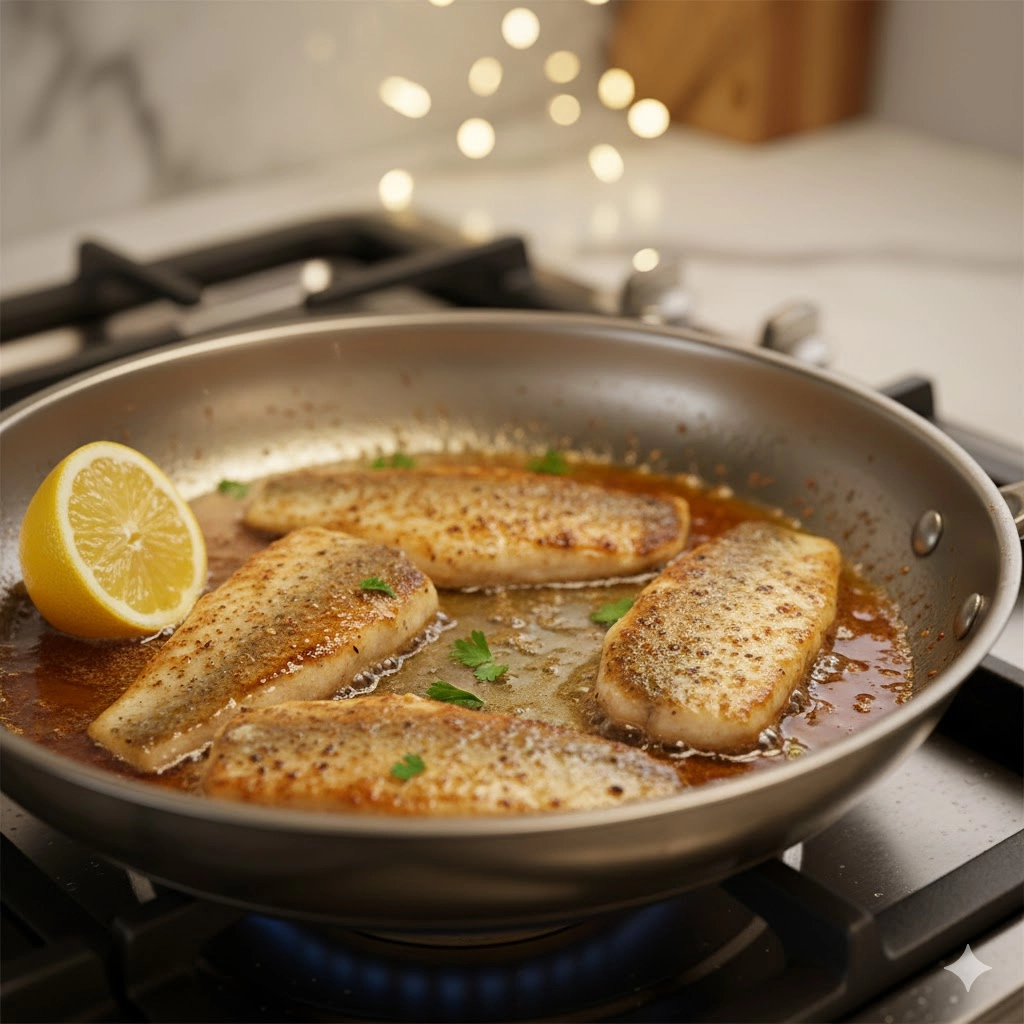
- Carefully lay the fillets into the skillet. If the pan is small, work in batches to avoid crowding. Cook the fish in the brown butter until the edges are lightly golden, which should take approximately 2 minutes per side.
- Once the fish is cooked through and the coating is crisp, transfer the fillets to a serving plate. Squeeze the fresh lemon juice over the hot fish immediately and serve.
STEP-BY-STEP DETAILS
The preparation begins with the tactile process of dredging. When you press the perch into the seasoned flour, you are creating a protective barrier. This flour will eventually hydrate with the fish’s natural moisture and the melting butter, forming a micro-thin crust. As the fish hits the pan, you should hear a gentle sizzle, indicating the temperature is high enough to sear but low enough not to burn the butter solids immediately.
The most critical sensory cue occurs during the butter browning phase. Initially, the butter will bubble and hiss as water evaporates. Once the bubbling subsides, the milk solids begin to toast. You will notice a distinct change in aroma—it will shift from creamy to toasted and nutty. This is the precise moment to add your fish. As the fillets cook, the kitchen will fill with a savory, caramelized scent. When flipping the perch, look for a pale gold hue; because the fillets are thin, they cook rapidly, maintaining a moist texture inside while the exterior gains a slight crunch.
PRO TIPS
- Dry the Fish: Before the flour hits the fish, pat the fillets extremely dry with paper towels. Excess moisture on the surface of the fish will turn the flour into a paste rather than a crisp coating.
- Temperature Control: If the butter begins to smoke or smells acrid, it has gone too far. Wipe the pan and start the butter over to ensure the flavor remains sweet and nutty rather than bitter.
- Batch Cooking: For the best results, do not crowd the skillet. Putting too many fillets in at once drops the pan temperature, which leads to steaming rather than searing.
- The Squeeze: Only apply the lemon juice at the very last second. Adding acid too early can soften the delicate crust you worked hard to achieve in the skillet.
- Preheated Skillet: Ensure your pan is already warm before adding the butter so the butter melts and browns efficiently without sitting on the heat for an extended duration.
VARIATIONS OR SUBSTITUTIONS
While this method is designed specifically for the delicate nature of perch, it can be applied to other small, flaky white fish. If perch is unavailable, walleye or panfish like bluegill offer a similar texture and flavor profile. For those who prefer a different aromatic profile, the black pepper can be swapped for white pepper to maintain a cleaner aesthetic on the golden crust.
If you find the heat of the cayenne pepper too intense, it can be reduced to a quarter teaspoon or replaced with smoked paprika for a deeper, earthier tone without the spice. Additionally, while fresh lemon is the standard, a small amount of fresh parsley added to the butter at the very end of cooking can introduce a bright, herbaceous element to the Brown Butter Perch.
SERVING SUGGESTIONS
This dish is best served alongside light, bright accompaniments that don’t overwhelm the fish. A simple bed of steamed jasmine rice or a side of buttered fingerling potatoes works exceptionally well to soak up any remaining brown butter from the plate. For a vegetable component, consider blanched green beans or a crisp garden salad with a light vinaigrette.
Because the fish is rich and buttery, a chilled glass of dry white wine, such as a Sauvignon Blanc or a Pinot Grigio, provides a necessary acidic contrast. For a more rustic presentation, serve the fillets directly on warmed plates with an extra wedge of lemon on the side for those who prefer more citrus.
FAQs
How do I know when the butter is perfectly browned?
Watch for the “foam” to subside. Once the bubbles disappear, the milk solids will settle at the bottom and turn a medium-tan color. The aroma will change from a standard butter smell to a fragrance resembling toasted hazelnuts.
Can I use frozen perch for this recipe?
Yes, but it must be completely thawed and thoroughly dried. Frozen fish often carries more internal moisture, so the patting-dry step is even more vital to prevent the flour from becoming gummy.1
Is it necessary to use a specific type of skillet?
A stainless steel or cast-iron skillet is ideal for this recipe. These materials hold heat consistently and allow you to see the color change of the butter more clearly than a dark non-stick surface might.
Why did my flour coating fall off?
This usually happens if the pan wasn’t hot enough or if the fish was too wet when it was dredged. Ensure the butter is foaming and turning brown before the fish is introduced to the heat.
NUTRITION INFORMATION
| Nutrient | Amount Per Serving |
| Calories | 271 |
| Total Fat | 12g |
| Carbohydrates | 31g |
| Protein | 13g |
DISCLAIMER:
Nutrition information is an estimate and may vary based on preparation and ingredients used.
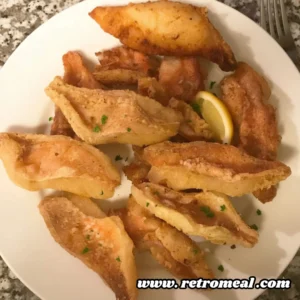
Brown Butter Perch
Ingredients
- 1 cup flour
- 1 teaspoon salt
- 0.5 teaspoon finely ground black pepper
- 0.5 teaspoon cayenne pepper
- 8 ounces fresh perch fillets
- 2 tablespoons butter
- 1 lemon, cut in half
Instructions
- In a shallow bowl, whisk together the flour, salt, black pepper, and cayenne pepper until well combined.
- Gently press each perch fillet into the seasoned flour mixture to coat both sides. Shake off any excess flour thoroughly.
- Place a skillet over medium heat and add the butter. Heat until the butter stops foaming and turns a toasted nut-brown color.
- Place fillets in the skillet, working in batches if necessary. Cook for approximately 2 minutes per side until lightly golden.
- Transfer the cooked perch to a plate, squeeze fresh lemon juice over the top, and serve immediately.
Notes
Equipment
- Shallow dredging bowl
- Stainless steel or cast iron skillet
- whisk
- Spatula or fish turner