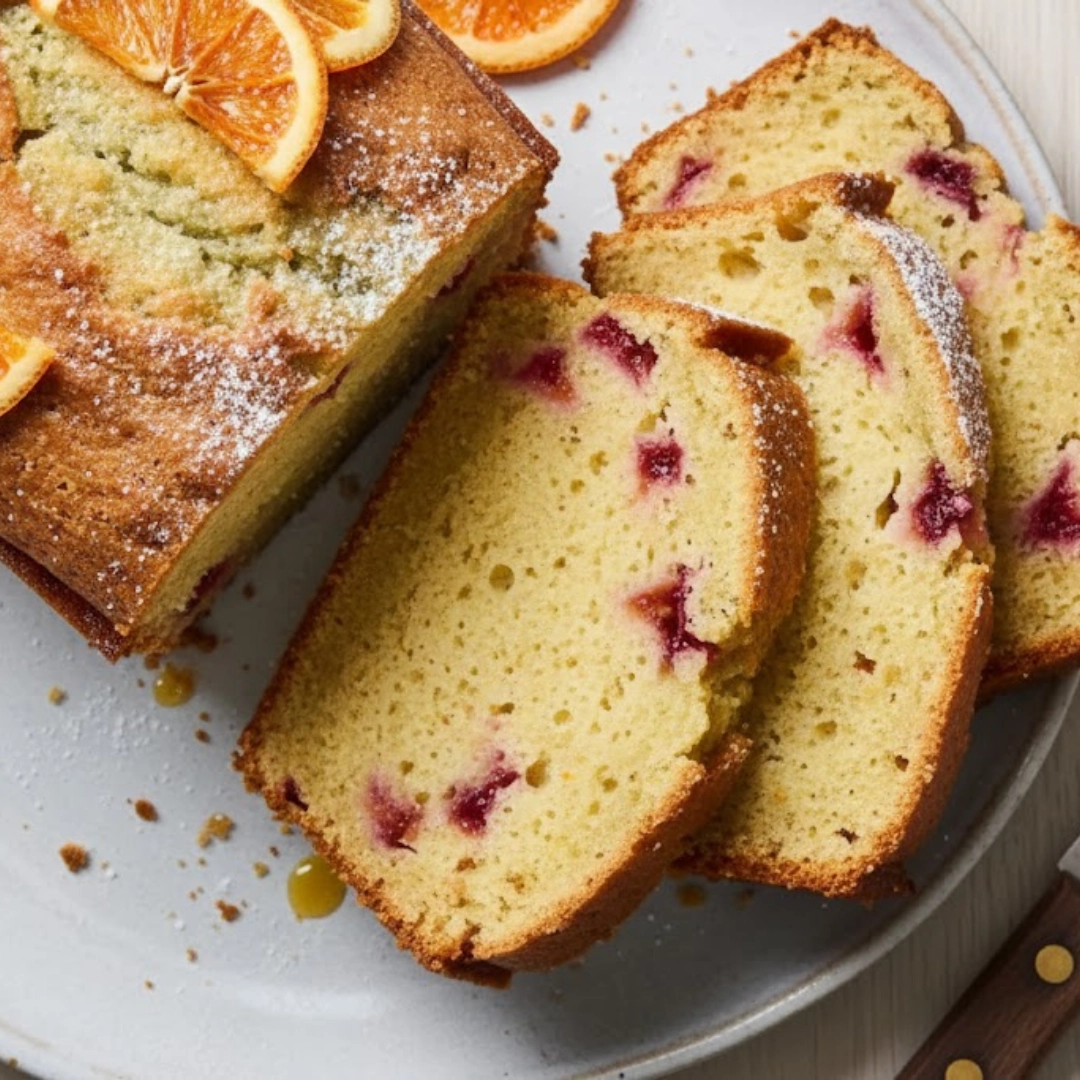
There is a quiet sophistication to the Blood Orange Olive Oil Cake that immediately sets it apart from traditional butter-based confections. This is not a dessert defined by excessive richness or complicated fillings; rather, it’s a celebration of simple, impeccable ingredients. Hailing from the sun-drenched cuisines of the Mediterranean, this cake replaces standard dairy fat with a good quality extra-virgin olive oil, resulting in an exceptionally moist crumb with a complex, fruity aroma. It’s an ideal afternoon cake, light enough to enjoy with a strong espresso yet elegant enough to anchor a dinner party dessert spread, particularly during the winter months when the distinctive color and flavor of the blood orange are at their peak.
Table of Contents
The Components of Flavor: Ingredients List
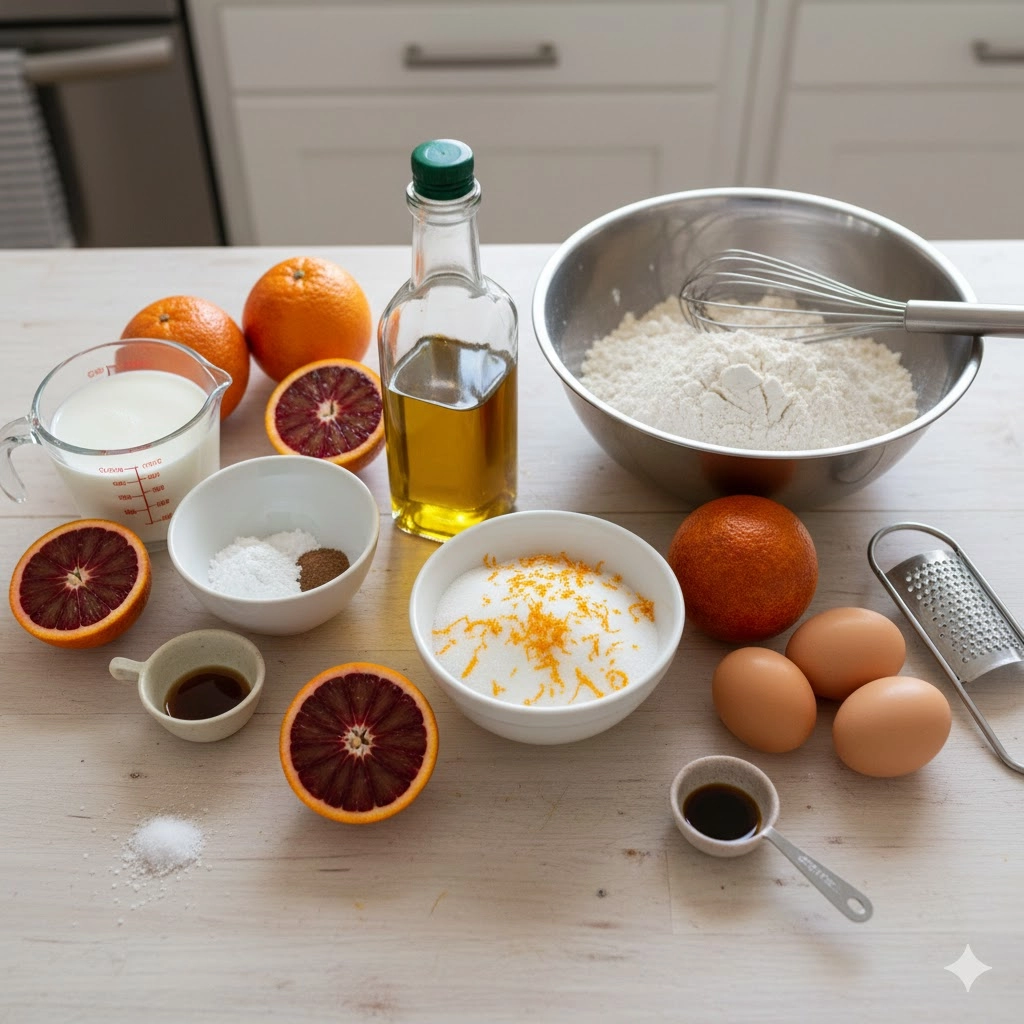
To successfully execute this cake, the quality of each component matters, particularly the olive oil and the freshness of the citrus. Ensure your baking powder is active and your eggs are at room temperature for optimal mixing.
For the Cake Batter
- 2 cups (10 ounces) all-purpose flour
- 1 and one-half teaspoons baking powder
- one-half teaspoon baking soda
- one-half teaspoon fine sea salt
- 1 cup extra-virgin olive oil (use a fruity, low-bitterness variety)
- 1 and one-half cups granulated sugar
- 3 large eggs, brought to room temperature
- 2 teaspoons fresh blood orange zest (from approximately 2 oranges)
- one-half cup fresh blood orange juice
- one-half cup whole milk, buttermilk, or plain yogurt (preferably whole milk)
- 1 teaspoon pure vanilla extract
For the Glaze
- 1 cup powdered sugar (confectioners’ sugar)
- 3 to 4 tablespoons fresh blood orange juice
A Blueprint for Baking Success: Core Method
This recipe utilizes a straightforward mixing method that emphasizes careful emulsification to achieve its signature moist texture. Read through all steps once before beginning.
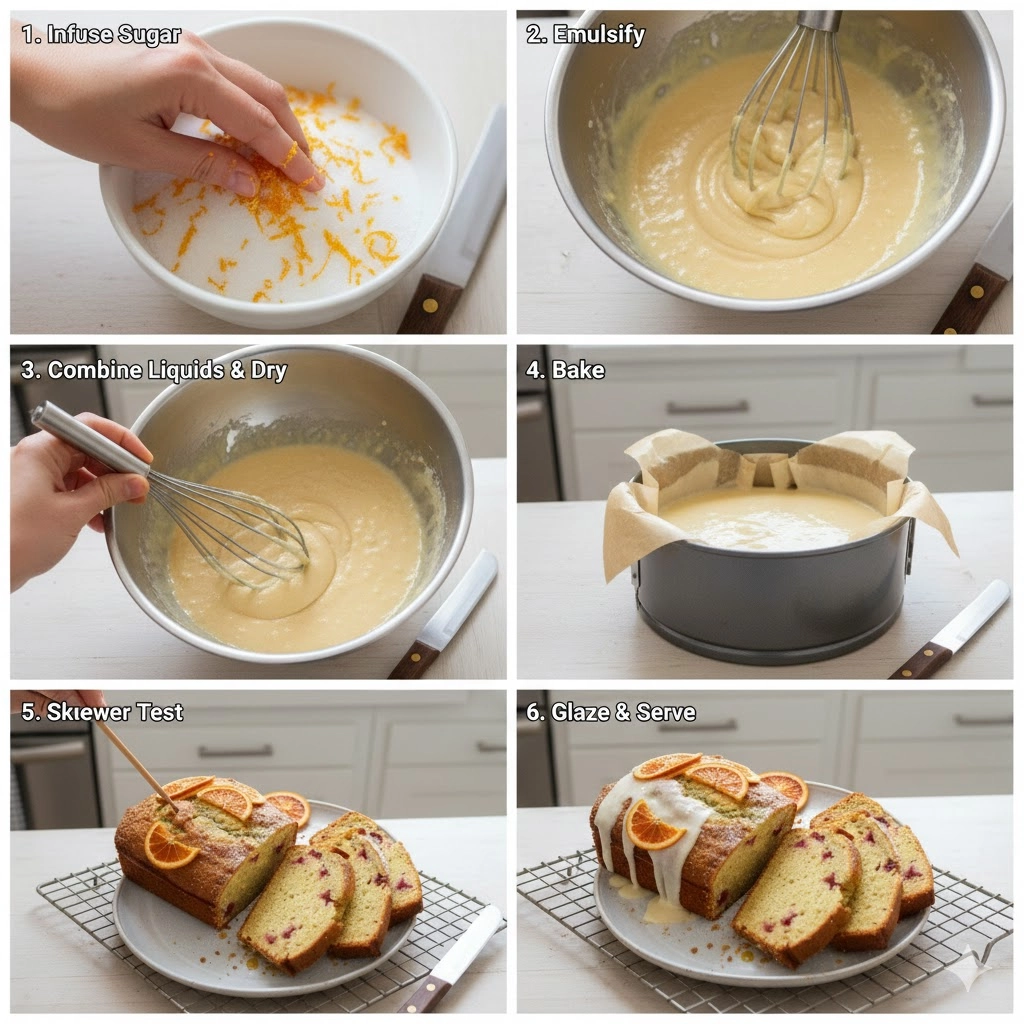
- Preparation: Preheat your oven to three hundred fifty Fahrenheit. Grease a nine-inch round springform pan or cake pan and line the bottom with a circle of parchment paper. Whisk together the dry ingredients in a medium bowl.
- Aromatic Sugar: In the bowl of a stand mixer or a large mixing bowl, rub the blood orange zest thoroughly into the granulated sugar with your fingertips until the sugar is intensely fragrant and moist.
- Emulsify the Liquids: Pour the olive oil and the eggs into the fragrant sugar mixture. Beat on medium speed for two minutes until the mixture is thick, pale, and completely emulsified. Add the vanilla.
- Introduce the Milk and Juice: In a separate measuring cup, combine the blood orange juice and the milk. With the mixer on low speed, alternately add the flour mixture in three additions and the liquid mixture in two additions, beginning and ending with the flour. Mix only until the last streaks of flour disappear.
- Baking: Pour the batter into the prepared pan. Bake for forty to fifty minutes. The cake is done when a wooden skewer inserted into the center comes out clean or with a few moist crumbs attached.
- Cooling and Glazing: Let the cake cool in the pan for ten minutes, then turn it out onto a cooling rack. While the cake cools fully, prepare the glaze by whisking the powdered sugar and juice. Drizzle or pour the glaze over the cooled cake before serving.
Deep Dive into the Process: Achieving Perfect Texture and Aroma
Baking this cake is less about complex steps and more about mastery over a few crucial techniques—primarily managing the fat, the liquid, and the gluten development.
Zesting and Aromatic Infusion
The depth of the cake’s flavor starts with the zest. Blood orange zest contains potent essential oils, which are more soluble in fat (the olive oil) than in water. The key mistake people make is skipping the step of rubbing the zest into the sugar. This seemingly small action—a technique often used in citrus baking—releases the oils and disperses them evenly throughout the sugar crystals. When the oil and eggs are added, the fat becomes saturated with these aromatic compounds, ensuring the citrus flavor permeates every bite.
Mistake to Avoid: Do not use a microplane to zest too deeply; the bitter white pith is close to the surface and will spoil the cake’s flavor. Aim for only the brightly colored layer.
The Emulsification Stage
Unlike butter, which is solid at room temperature and must be creamed with sugar to incorporate air, olive oil is liquid and requires a different approach. Emulsification is the goal. When you beat the eggs and oil into the zest-infused sugar, you are essentially creating a thick, temporary emulsion. The mixture should lighten in color significantly, becoming pale yellow, and it should increase in volume. If you skimp on this two-minute beating time, your cake may bake up dense or oily, as the fat will not be properly integrated. The viscosity of the mixture here is what helps hold the moisture later on.
Sensory Cue: The mixture should look ribbon-like when the whisk is lifted, flowing slowly back into the bowl rather than dripping like water.
Integrating the Wet and Dry
The process of alternating the wet and dry mixtures is vital for developing a tender crumb structure. When flour meets liquid, gluten strands begin to form. In a recipe that aims for a delicate, moist texture, controlling gluten development is critical.
Adding one-third of the dry ingredients first helps temper the mixture and prevents the batter from separating when the milk/juice is introduced. Following the liquids, the remaining flour is gently folded in. The goal is minimum agitation. Stop mixing the very moment you no longer see pockets of dry flour. Overmixing past this point develops tough gluten, leading to a chewy, heavy cake that loses the light springiness characteristic of a well-made olive oil cake.
Doneness Check for Mixing: Scrape down the sides of the bowl once, and then use a rubber spatula to fold the batter by hand for the final few turns. This guarantees you do not overwork the batter with the mixer. The batter will be thick, smooth, and slightly shiny.
The Bake and Cooling Dynamics
Baking at three hundred fifty Fahrenheit is a moderate temperature, ideal for allowing the cake to fully cook through without burning the exterior. An olive oil cake, due to its high moisture content, will often take slightly longer than a standard pound cake.
When testing for doneness, rely on the visual cues and the skewer test. The cake top should be a deep golden brown, and the center should no longer appear wet or wobbly. Once out of the oven, the ten-minute rest period in the pan is not negotiable. This allows the internal structure to set while the heat slowly dissipates. Rushing this step often results in the cake tearing or sticking when inverted. The subsequent cooling on a wire rack ensures air circulation around the entire surface, preventing the bottom from steaming and becoming soggy.
Elevating Your Bake: Insider Techniques
While the basic steps are simple, expert bakers use several techniques to maximize the flavor and texture profile of this Mediterranean-style cake.
- The Quality of the Oil is Paramount: Because olive oil is the defining fat in this recipe, do not substitute it with a neutral vegetable oil. Choose a robust, fresh extra-virgin olive oil. If you find your current bottle is too peppery or bitter for consumption, it will be too harsh for the cake. A high-quality oil with fruity or floral notes will translate directly into a better cake.
- Temperature Control is Non-Negotiable: Ensure your eggs, milk, and juice are at room temperature. Cold liquids hitting the oil and sugar mixture will cause the fat to seize or solidify slightly, making proper emulsification nearly impossible and resulting in a lumpy, inconsistent batter.
- Prepare a Syrup Pre-Glaze: For an intensely moist result, whisk together a simple syrup (one-half cup water, one-half cup sugar, one tablespoon blood orange juice) and bring it to a boil. Remove from heat. While the cake is still warm on the rack, prick the top all over with a skewer and brush the syrup over the surface until fully absorbed. Let it cool completely before applying the final glaze. This technique seals in moisture and adds an extra layer of brightness.
- Use Parchment Slings: Instead of relying solely on the greased pan, create a parchment paper sling for easy removal. Cut two strips of parchment, each about three inches wide. Lay them in the pan in a cross shape, allowing the excess to hang over the sides. Grease the pan, place the parchment circle on the bottom, and then the sling on top. This allows you to effortlessly lift the cooled cake out without disturbing the delicate crust.
- Sift Your Dry Ingredients: While modern flour is often pre-sifted, taking the time to sift the flour, baking powder, baking soda, and salt together is the best way to ensure there are no lumps and that the leavening agents are distributed perfectly evenly. This small step guarantees a finer, more tender crumb.
- Glaze Consistency for Aesthetics: The thickness of the final glaze dictates the look. For a sheer, translucent sheen, use the higher end of the blood orange juice measurement (four tablespoons). For a thick, opaque drizzle that sets up quickly, use the lower end (three tablespoons).
Expanding the Repertoire: Thoughtful Substitutions and Flavor Swaps
This cake is exceptionally adaptable, allowing for simple shifts in ingredients that can completely change its character while maintaining the essential texture.
- Citrus Swap: If blood oranges are out of season, a combination of one part lemon and three parts Navel orange juice and zest makes a delightful substitute, providing a similar balance of tartness and sweetness. Valencia oranges are another excellent choice for their higher juice yield and floral notes.
- Dairy-Free Modification: The whole milk in this recipe can be easily replaced by an unsweetened, full-fat plant milk, such as oat milk or soy milk, for a non-dairy adaptation. Ensure the substitute is high in fat content for the best moisture retention. The simple act of creating a proper Blood Orange Olive Oil Cake remains unchanged, but the subtle flavor profile will lean slightly nuttier depending on the milk choice.
- Nutty Inclusion: For added texture and complexity, fold in one-half cup of finely ground almonds or pistachios with the dry ingredients. This substitution often results in an even moister cake and introduces a pleasing chewiness to the crumb. If adding nuts, you may need to reduce the flour by two tablespoons to maintain the intended liquid-to-dry ratio.
- Alternative Sweeteners: You can swap up to one-third of the granulated sugar for light brown sugar or honey. Note that brown sugar will add a slight molasses flavor and darken the cake color, while honey will add a distinct floral note and may make the cake even denser. For a strict texture match, stick to granulated sugar.
Presentation and Pairing: How to Serve
The simplicity of the Blood Orange Olive Oil Cake makes it an excellent canvas for various accompaniments, from simple seasonal fruit to rich dairy toppings.
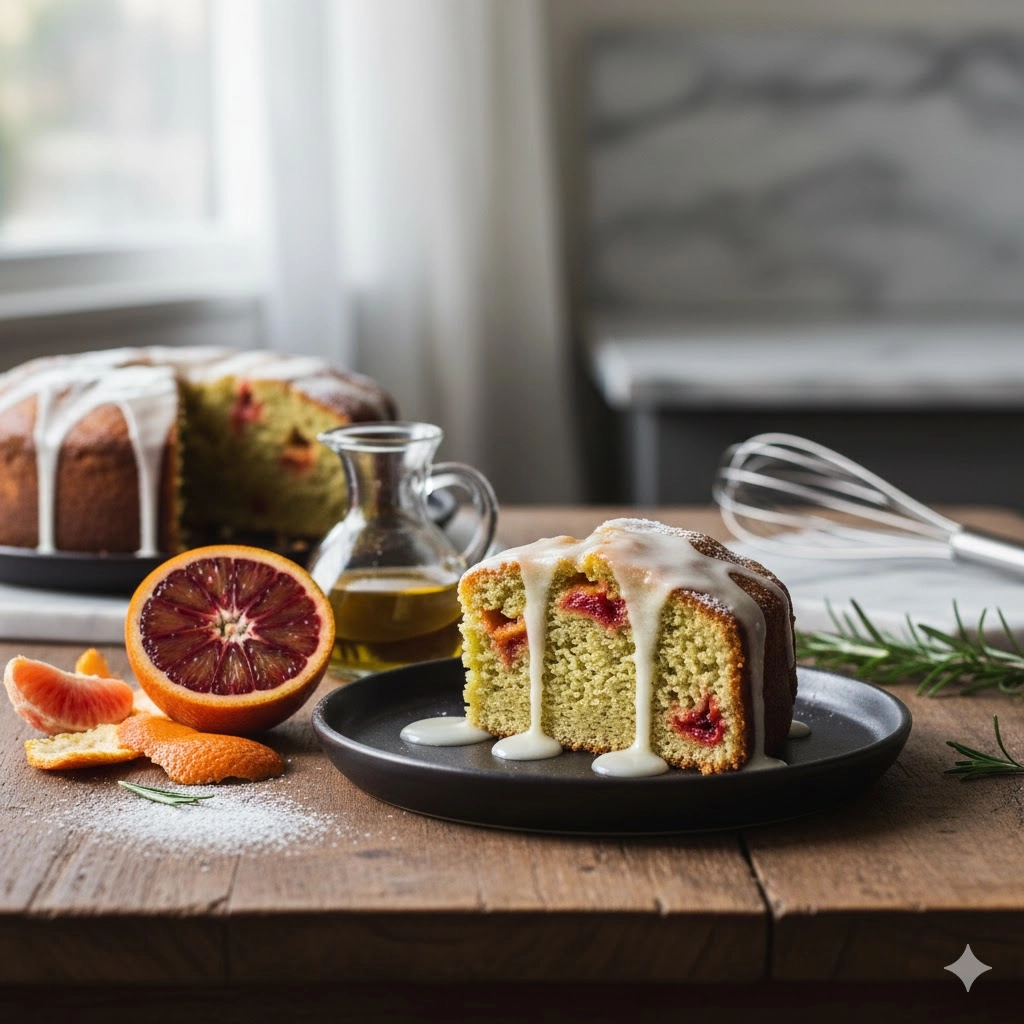
- Simple Elegance: The simplest and most classic pairing is a dusting of powdered sugar or a light glaze, garnished with ultra-thin slices of fresh blood orange. For presentation, use a knife to slice half-rounds of the orange, then dip the edges of the fruit in granulated sugar for a crystallized appearance before placing them artfully on the cake top.
- Dairy Richness: Serve a slice alongside a dollop of high-quality, unsweetened Greek yogurt or crème fraîche. The subtle tang of the dairy cuts through the cake’s richness and elevates the fruity notes of the olive oil. This is a common practice in Mediterranean countries where cakes are often served with a tart dairy component.
- Seasonal Fruit: In addition to the glaze, serve the cake with a side of lightly macerated berries (like raspberries or blueberries) or stewed figs, depending on the season. The fruit adds a pop of contrasting color and a different texture that complements the dense, uniform crumb.
- Beverage Pairing: This cake pairs beautifully with beverages that are not overly sweet. A strong, dark roast coffee, a dry Prosecco, or a cup of Earl Grey tea are all excellent choices. For a dessert wine pairing, look for something with mild citrus notes, such as a late-harvest Sauvignon Blanc.
Practical Questions Answered: Troubleshooting and Storage
Addressing common baker questions helps ensure a successful outcome every time, especially when working with unusual fats like olive oil.
Can I make this cake ahead of time?
Yes, this cake is an excellent choice for making ahead, as its flavor and moisture often improve on the second day. You can bake the cake up to two days in advance. Store the unglazed cake tightly wrapped at room temperature. Apply the glaze only a few hours before serving to prevent it from dissolving or soaking in too deeply, which can cause the top to become sticky.
Why did my cake sink in the middle?
A sunken cake usually indicates one of two issues: either the oven temperature was too low, preventing the structure from setting before the moisture content caused it to collapse, or the batter was severely overmixed. Excessive mixing overdevelops gluten, leading to a structure that rises too quickly and then falls when cooling. Ensure your baking powder is fresh, as a weak leavener can also be the culprit.
How should I store leftover cake?
Store leftovers wrapped tightly in plastic wrap or in an airtight container at room temperature for up to four days. If you prefer a longer storage solution, the unglazed cake can be wrapped in two layers of plastic wrap and one layer of foil, then frozen for up to three months. Thaw it overnight at room temperature before glazing and serving.
What is the ideal type of olive oil to use?
The ideal olive oil is one that you enjoy the taste of on its own. Look for a mild, “fruity” or “buttery” extra-virgin olive oil that has a very low degree of bitterness. Avoid highly pungent or peppery finishing oils, as their aggressive flavor will intensify during baking and can overwhelm the delicate citrus notes.
Nutritional Snapshot
| Nutrient | Amount per Serving |
| Calories | 380 kcal |
| Protein | 5 g |
| Carbs | 53 g |
| Fat | 18 g |
| Fiber | 1 g |
| Sugar | 35 g |
| Sodium | 185 mg |
Disclaimer
Nutrition information is an estimate and may vary based on preparation and ingredients used.
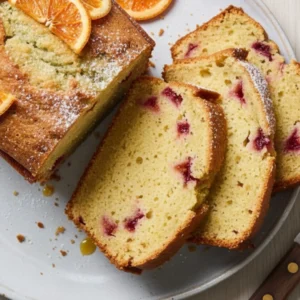
The Essential Blood Orange Olive Oil Cake
Ingredients
- 2 cups all-purpose flour
- 1.5 teaspoons baking powder
- 0.5 teaspoon baking soda
- 0.5 teaspoon fine sea salt
- 1 cup extra-virgin olive oil (fruity, low-bitterness)
- 1.5 cups granulated sugar
- 3 large eggs (room temperature)
- 2 teaspoons blood orange zest (from ~2 oranges)
- 0.5 cup fresh blood orange juice
- 0.5 cup whole milk, buttermilk, or plain yogurt
- 1 teaspoon pure vanilla extract
- 1 cup powdered sugar (for glaze)
- 3-4 tablespoons fresh blood orange juice (for glaze)
Instructions
- Preheat oven to 350°F (175°C). Grease a 9-inch round springform or cake pan and line the bottom with parchment paper. Whisk together flour, baking powder, baking soda, and salt in a bowl.
- In a large mixing bowl, rub the orange zest into the granulated sugar with fingertips until fragrant.
- Add olive oil and eggs to the sugar mixture. Beat on medium speed for 2 minutes until pale and emulsified. Add vanilla.
- In a measuring cup, mix the blood orange juice and milk. With mixer on low, add dry ingredients in 3 additions, alternating with wet mixture in 2 additions. Begin and end with flour. Mix until just combined.
- Pour batter into prepared pan. Bake for 40–50 minutes, until a skewer inserted in the center comes out clean.
- Let cake cool in the pan for 10 minutes, then invert onto a wire rack. Cool completely before glazing.
- Whisk powdered sugar with 3–4 tablespoons blood orange juice to form a glaze. Drizzle over cooled cake.
Notes
Equipment
- 9-inch springform or cake pan
- stand mixer or mixing bowl
- whisk
- rubber spatula
- measuring cups
- cooling rack
- parchment paper