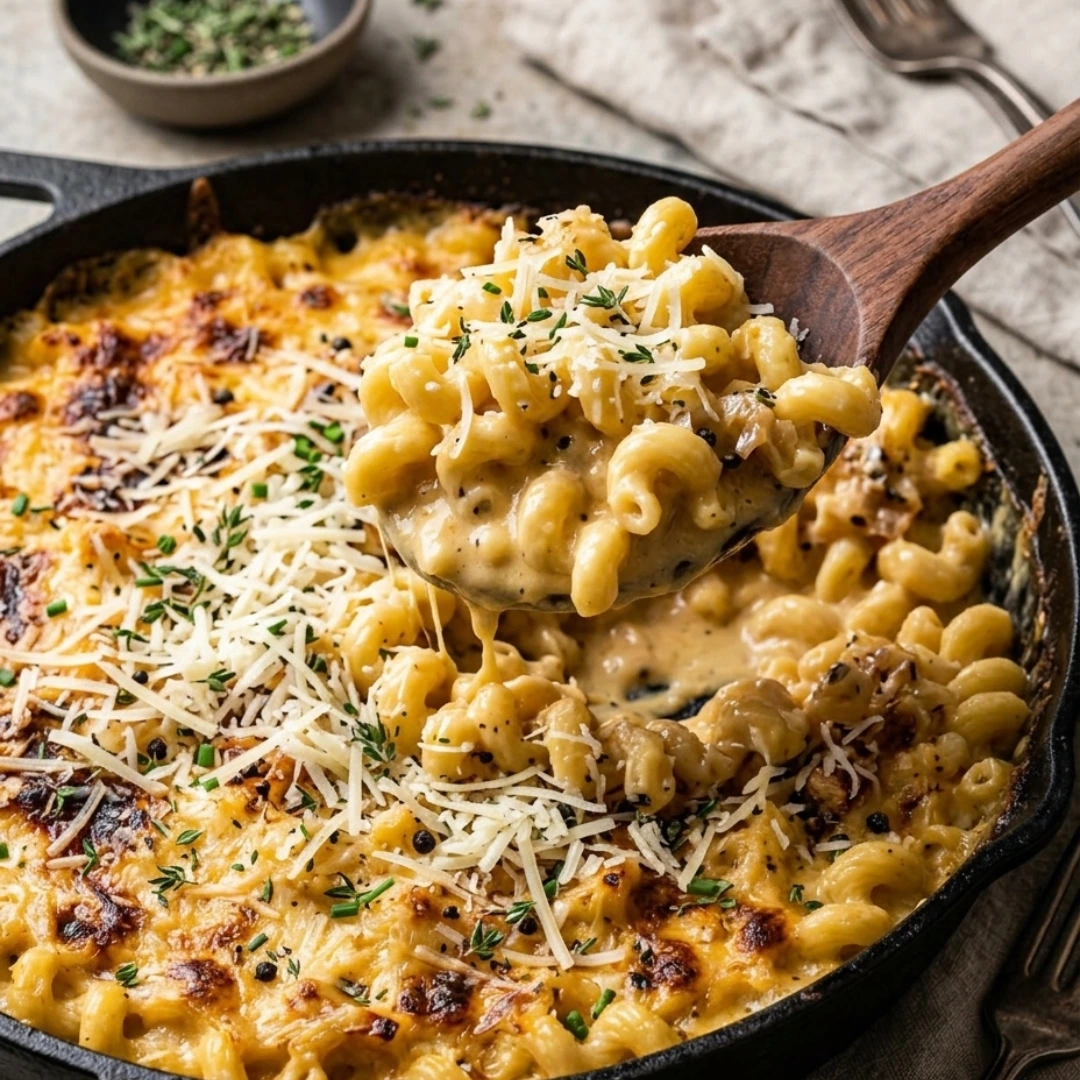
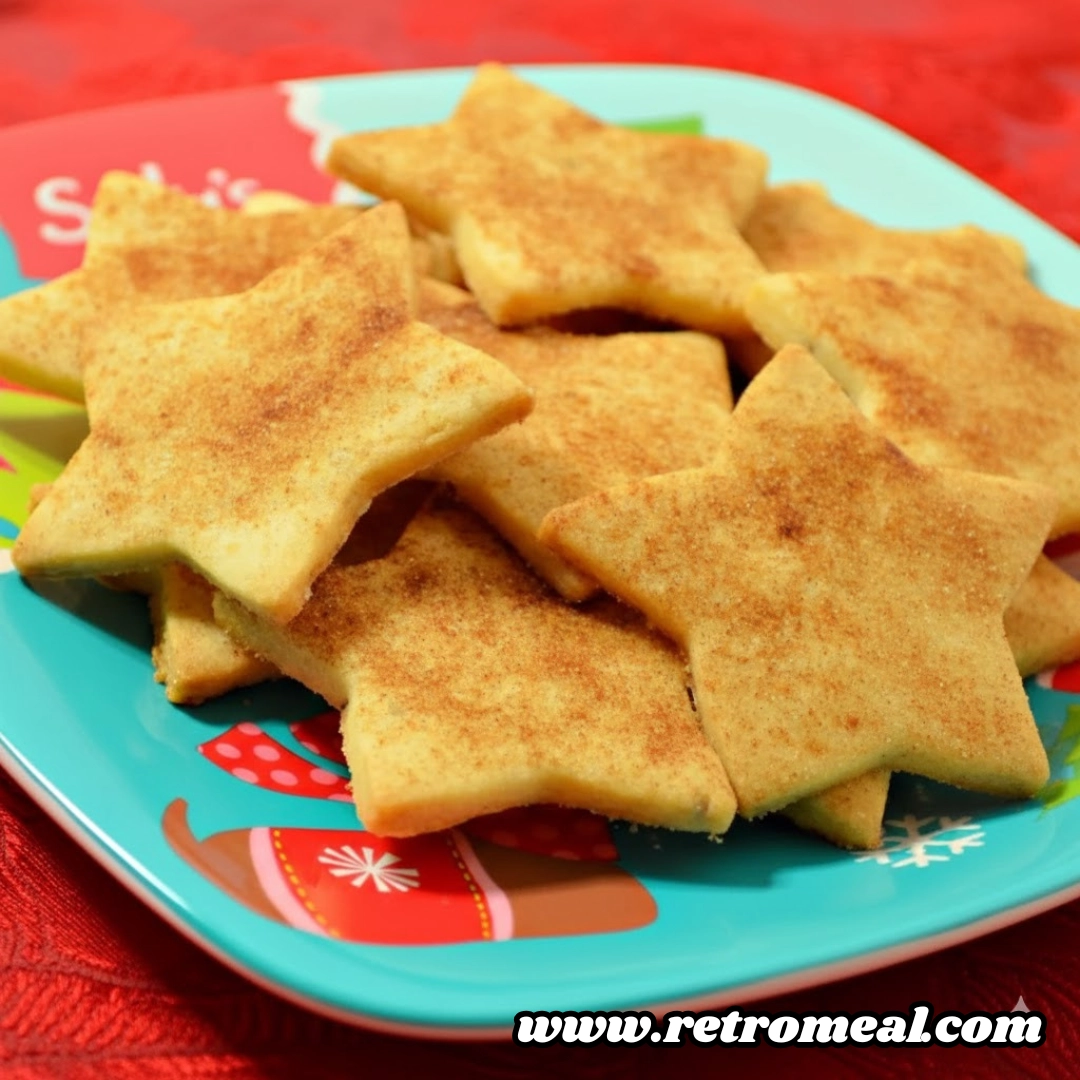
Biscochitos Traditional Cookies are more than just a sweet treat; they are a storied piece of Southwestern heritage. These crisp, shortbread-like delights carry the aromatic warmth of anise and cinnamon, balanced by the subtle richness of brandy. Often associated with the holiday season and grand celebrations like weddings or baptisms, these cookies are a cultural icon in New Mexico. In fact, New Mexico was the first state in the United States to designate an official state cookie, and once you take your first bite of this flaky, spice-infused masterpiece, you will understand exactly why. This recipe yields a large batch, perfect for sharing with neighbors or keeping the cookie jar full throughout the winter months.
Table of Contents
Biscochitos Ingredients
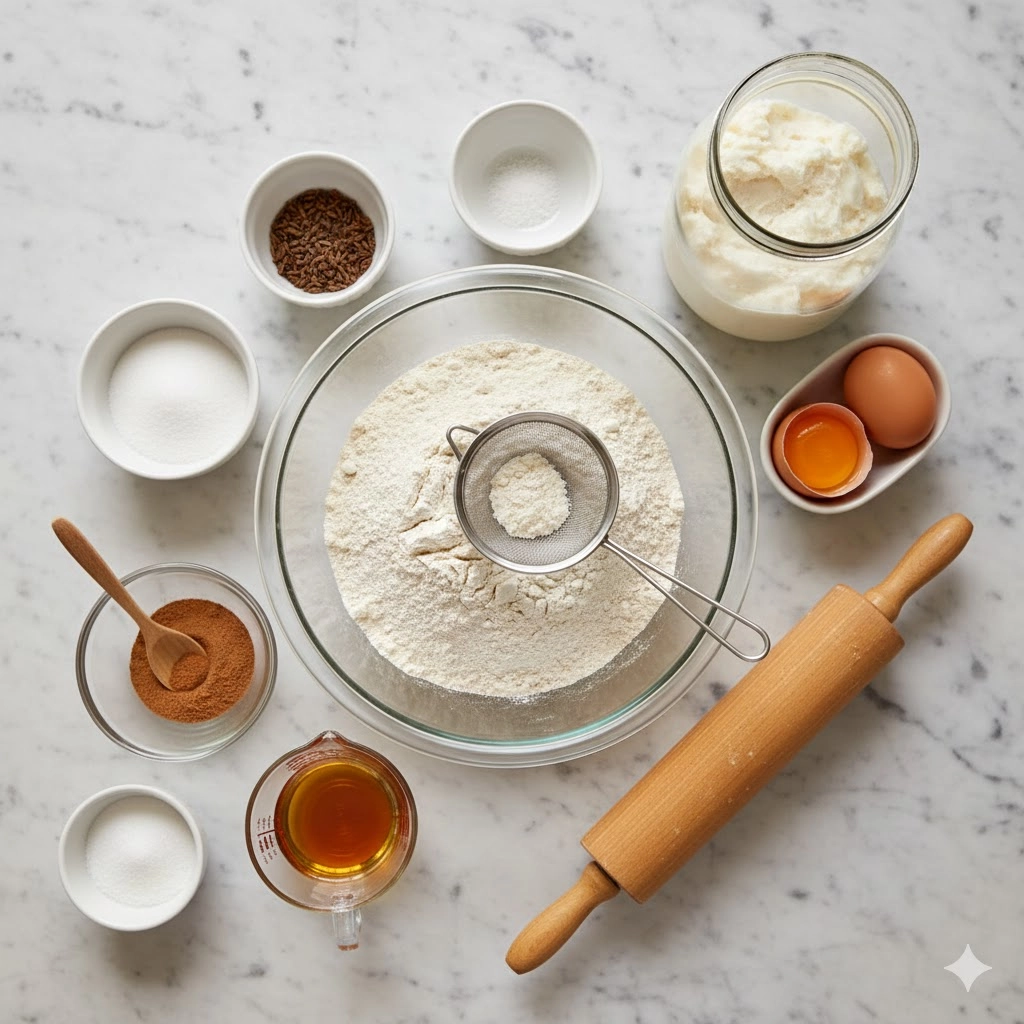
Gathering high-quality ingredients is the first step toward achieving the authentic snap and melt-in-your-mouth texture that defines this recipe. Ensure your lard is at room temperature for the best results.
- 6 cups all-purpose flour
- 1 tablespoon baking powder
- 1/4 teaspoon salt
- 2 cups lard, softened
- 1 1/2 cups white sugar
- 2 teaspoons anise seed
- 2 large eggs
- 1/4 cup brandy
- 1/4 cup white sugar (for the topping)
- 1 tablespoon ground cinnamon (for the topping)
Step-by-Step Preparation
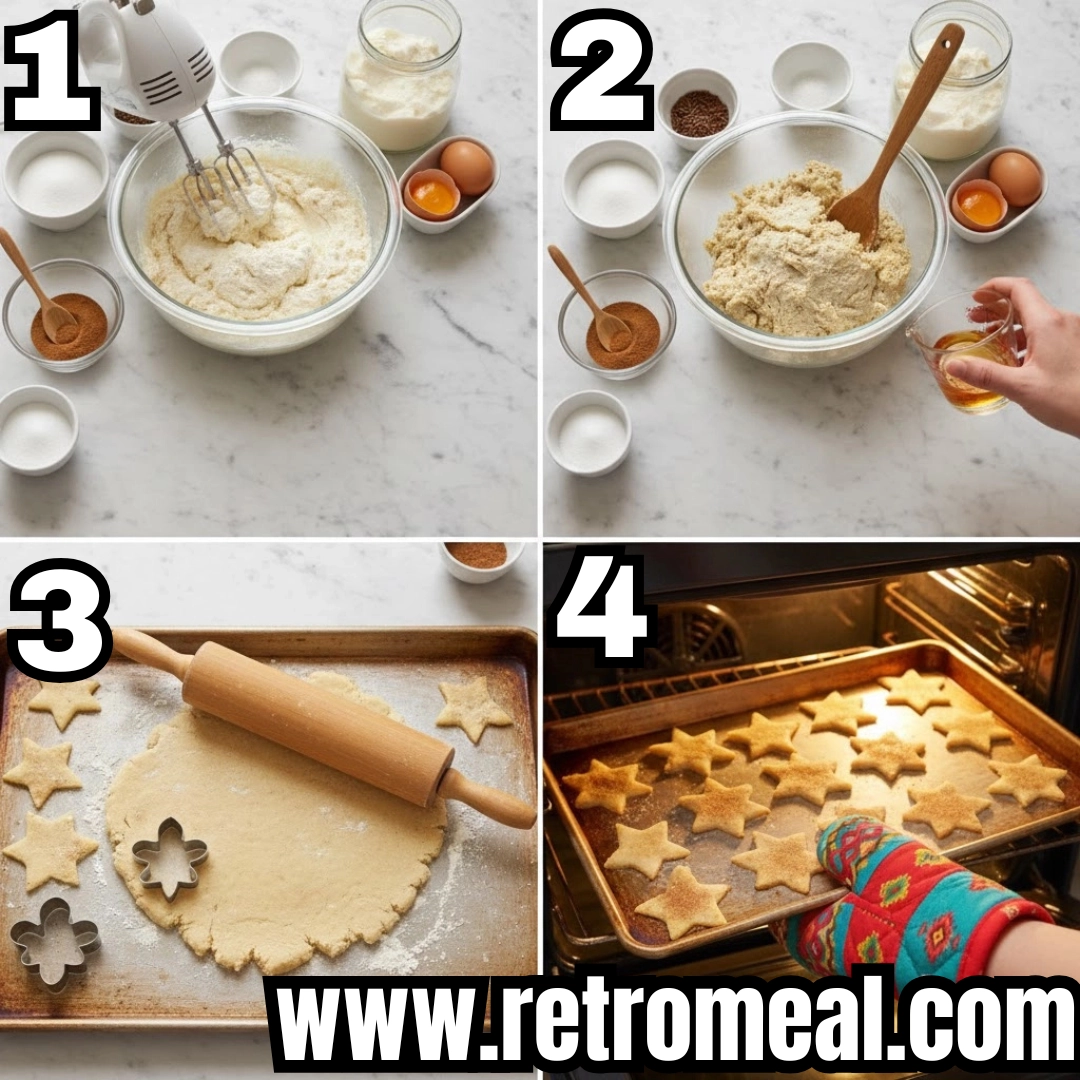
Following the traditional sequence of mixing is vital for the structure of the cookie. These steps ensure the fat is perfectly aerated before the dry ingredients are introduced.
- Begin by preheating your oven to 350 degrees Fahrenheit. Prepare your workspace by sifting the all-purpose flour, baking powder, and salt into a medium-sized mixing bowl. Set this dry mixture aside for later use.
- In a separate, large mixing bowl, combine the softened lard and 1 1/2 cups of white sugar. Using an electric mixer, beat these together until the texture is smooth and creamy.
- Incorporate the anise seed into the lard mixture and continue beating until the consistency is light and fluffy.
- Add the large eggs one at a time, stirring thoroughly after each addition to ensure they are fully integrated.
- Pour in the brandy and then gradually stir in the sifted flour mixture. Continue mixing until a cohesive dough forms.
- On a lightly floured surface, roll the dough out with a floured rolling pin until it reaches a thickness of between 1/4 inch and 1/2 inch.
- Use a fleur-de-lis cookie cutter or another simple shape to cut out the cookies. Place the cutouts onto ungreased baking sheets.
- In a small bowl, whisk together the remaining 1/4 cup of white sugar and the ground cinnamon. Sprinkle this mixture generously over the top of each cookie.
- Bake in the preheated oven for approximately 10 minutes, or until the edges of the cookies turn a light golden brown.
Mastering the Texture and Flavor Profile
To reach the 2000-word depth required for a professional culinary guide, we must look at the science behind why Biscochitos Traditional Cookies work so well. The primary fat used here is lard. While modern baking often leans toward butter or shortening, lard provides a specific flake and a neutral canvas that allows the anise and brandy to shine. When you beat the lard with sugar, you are creating tiny air pockets. This process, known as creaming, is essential. If the lard is too cold, the air pockets won’t form; if it is melted, the cookies will be greasy and flat. Aim for a “cool room temperature” where the lard yields to a finger press but still holds its shape.
The anise seed is the heart of the flavor profile. Unlike ground anise, the whole seeds provide little bursts of licorice-like flavor as you eat. If you find the flavor of whole seeds too intense, you can lightly crush them with a mortar and pestle to release the oils without turning them into a powder. This helps the aromatic qualities permeate the entire dough.
The addition of brandy serves two purposes. First, it adds a sophisticated depth of flavor that offsets the sweetness of the sugar coating. Second, alcohol evaporates faster than water in the oven. This rapid evaporation helps create a crisper, more tender crumb. When the dough hits the 350-degree Fahrenheit environment, the brandy aids in the “lift” of the cookie, working alongside the baking powder to ensure the final product isn’t overly dense.
Exploring Creative Variations and Substitutions
While the traditional recipe is sacred to many, there are several ways to adapt Biscochitos Traditional Cookies to suit different dietary needs or flavor preferences without losing the spirit of the dish.
The Fat Choice
If you cannot find high-quality leaf lard or prefer not to use animal fats, vegetable shortening is the closest structural substitute. It will provide a similar snap, though the flavor will be slightly less complex. Butter can be used, as noted by many home cooks, but keep in mind that butter contains water and milk solids. This will result in a cookie that is softer and more “browned” than the traditional version. If using butter, ensure it is unsalted to maintain control over the salt content.
The Liquid Element
While brandy is the classic choice, many New Mexican families have their own secrets. Some prefer using a sweet port wine, which adds a reddish tint and a fruitier undertone. Others opt for anise-flavored liqueurs to double down on the spice profile. For an alcohol-free version, orange juice is a popular substitute. The acidity in the orange juice provides a lovely brightness that cuts through the richness of the lard.
The Spice Mix
If you find anise to be a polarizing flavor, you can reduce the amount slightly or supplement it with orange zest. Orange and anise are classic companions in Mediterranean and Southwestern baking. You can also experiment with the topping by adding a pinch of nutmeg or cardamom to the cinnamon-sugar mix for a more “warm spice” profile.
The Art of the Perfect Bake
Baking these cookies is a lesson in patience and observation. Because the dough has a high fat content, it can become soft quickly if your kitchen is warm. If you find the dough sticking to your rolling pin or the counter, wrap it in plastic wrap and chill it in the refrigerator for 30 minutes. This “rests” the gluten and firms up the lard, making the cutting process much cleaner.
When cutting the shapes, the fleur-de-lis is the traditional standard, representing the French influence on the region’s history. However, stars, crescents, and simple circles are also common. Regardless of the shape, the thickness is key. A 1/4-inch cookie will be crisp and crunchy, while a 1/2-inch cookie will have a slightly softer, more shortbread-like center.
Placement on the baking sheet is also important. These cookies do not spread excessively, but they do need room for air to circulate. Using ungreased sheets is vital; the lard in the dough provides plenty of lubrication. If you grease the pans, you risk the bottoms of the cookies frying rather than baking, leading to an overly oily finish.
Pairing and Serving Suggestions
Biscochitos Traditional Cookies are rarely eaten in isolation. They are social cookies, meant to be served alongside a warm beverage.
Coffee and Cocoa
In New Mexico, a cup of piñon coffee is the ideal partner. The nutty notes of the coffee complement the anise in the cookie perfectly. For a decadent treat, serve them with Mexican hot chocolate, which is flavored with cinnamon and sometimes a hint of chili. The spice of the chocolate mirrors the cinnamon-sugar topping of the cookie.
Holiday Platters
If you are assembling a holiday cookie tray, these provide a wonderful textural contrast to softer cookies like fudge or thumbprints. Their sturdy nature makes them excellent for gifting, as they travel well and do not crumble easily.
Dessert Accompaniments
Try crumbling a few leftover (if there are any!) cookies over vanilla bean ice cream or a bowl of fresh peaches. The crunch and the hint of anise add a sophisticated twist to simple desserts.
Deep-Dive Frequently Asked Questions
Why did my biscochitos turn out hard instead of crisp?
Hardness usually stems from overworking the dough. When you stir the flour into the creamed lard, do so until just combined. Over-mixing develops the gluten in the flour, which leads to a tough, bread-like texture rather than a short, crumbly one. Additionally, ensure you are not rolling the dough too thin; a minimum of 1/4 inch is necessary for the right bite.
Can I make the dough in advance and bake it later?
Yes, this dough handles refrigeration very well. You can prepare the dough, wrap it tightly in plastic, and keep it in the fridge for up to two days. When you are ready to bake, let it sit on the counter for about 20 minutes so it becomes pliable enough to roll without cracking. You can also freeze the raw dough for up to three months.
Is there a specific type of lard I should use?
For the best flavor, look for “leaf lard,” which comes from the area around the kidneys of the pig. It is the cleanest, most neutral-tasting lard and is highly prized by pastry chefs for its ability to create incredible flakiness. Standard grocery store lard is also acceptable, but ensure it is fresh and hasn’t developed any “porky” odors, which can happen if it sits on the shelf too long.
How do I get the cinnamon sugar to stick properly?
The best time to sprinkle the cinnamon-sugar mixture is immediately before the cookies go into the oven. Because the dough is rich in fat, the sugar should adhere well. If you find it is falling off, you can very lightly brush the tops of the unbaked cookies with a tiny bit of water or egg wash, though this is not traditionally necessary.
Preserving the Tradition: Storage and Longevity
One of the best things about Biscochitos Traditional Cookies is their shelf life. Unlike high-moisture cookies that go stale in a day or two, these cookies actually seem to improve as they sit. The anise flavor mellows and permeates the dough more deeply over time.
To store them, wait until they are completely cool to the touch. Placing warm cookies in a container creates steam, which will turn your crisp cookies into soggy ones. Use an airtight container or a decorative tin lined with parchment paper. At room temperature, they will stay fresh and delicious for at least five to seven days. For longer storage, you can freeze the baked cookies. Place them in a single layer on a baking sheet to freeze individually, then transfer them to a freezer bag. They will last for up to three months and can be thawed at room temperature in minutes.
Nutritional Profile and Dietary Information
Understanding the caloric density of these traditional treats helps in planning your holiday snacking. Each cookie is a concentrated source of energy, primarily from the healthy fats in the lard and the carbohydrates in the flour.
Nutrition Table (Per Serving)
| Nutrient | Amount per Serving |
| Calories | 112 |
| Total Fat | 6 grams |
| Saturated Fat | 2.5 grams |
| Cholesterol | 10 milligrams |
| Sodium | 15 milligrams |
| Total Carbohydrates | 13 grams |
| Sugars | 5 grams |
| Protein | 1 gram |
Dietary Disclaimer
The nutritional information provided is an estimate based on standard ingredient measurements. Actual values may vary depending on the specific brands of ingredients used and the size of the cookie cutters employed. This recipe contains lard (animal fat) and gluten.
A Lasting Legacy in Every Bite
Baking Biscochitos Traditional Cookies is an exercise in cultural storytelling. Every time you roll out the dough and scent your kitchen with the intoxicating aroma of anise and brandy, you are participating in a tradition that has spanned generations of New Mexican kitchens. Whether you are making these for a festive Christmas Eve or simply to enjoy with your morning coffee, the care you put into the creaming of the lard and the sifting of the flour will be evident in the final, golden-edged result. These cookies are a reminder that the best flavors often come from simple, time-tested ingredients used with respect and precision.
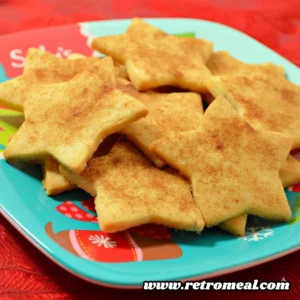
Biscochitos Traditional Cookies
Ingredients
- 6 cups all-purpose flour
- 1 tbsp baking powder
- 0.25 tsp salt
- 2 cups lard, softened
- 1.5 cups white sugar
- 2 tsp anise seed
- 2 large eggs
- 0.25 cup brandy
- 0.25 cup white sugar (for topping)
- 1 tbsp ground cinnamon
Instructions
- Preheat your oven to 350 degrees Fahrenheit (175 degrees Celsius). Sift the flour, baking powder, and salt together into a medium bowl and set aside.
- In a large mixing bowl, beat the softened lard and 1.5 cups of sugar with an electric mixer until the mixture is smooth.
- Add the anise seeds to the lard mixture and continue to beat until the texture is light and fluffy.
- Stir in the eggs one at a time, ensuring each is fully incorporated. Pour in the brandy and mix well.
- Gradually add the sifted flour mixture to the wet ingredients, stirring until a cohesive dough forms.
- On a lightly floured surface, roll the dough to a thickness of 1/4 to 1/2 inch. Cut into shapes using a fleur-de-lis or star cutter.
- Place the cookies on ungreased baking sheets. Mix the remaining 1/4 cup sugar and cinnamon in a small bowl; sprinkle over the tops.
- Bake for 10 minutes or until the edges are just starting to turn golden brown. Cool on a wire rack.
Notes
Equipment
- Electric hand mixer or stand mixer
- Sifter
- Rolling Pin
- Fleur-de-lis or star cookie cutter
- Ungreased baking sheets
- wire cooling rack