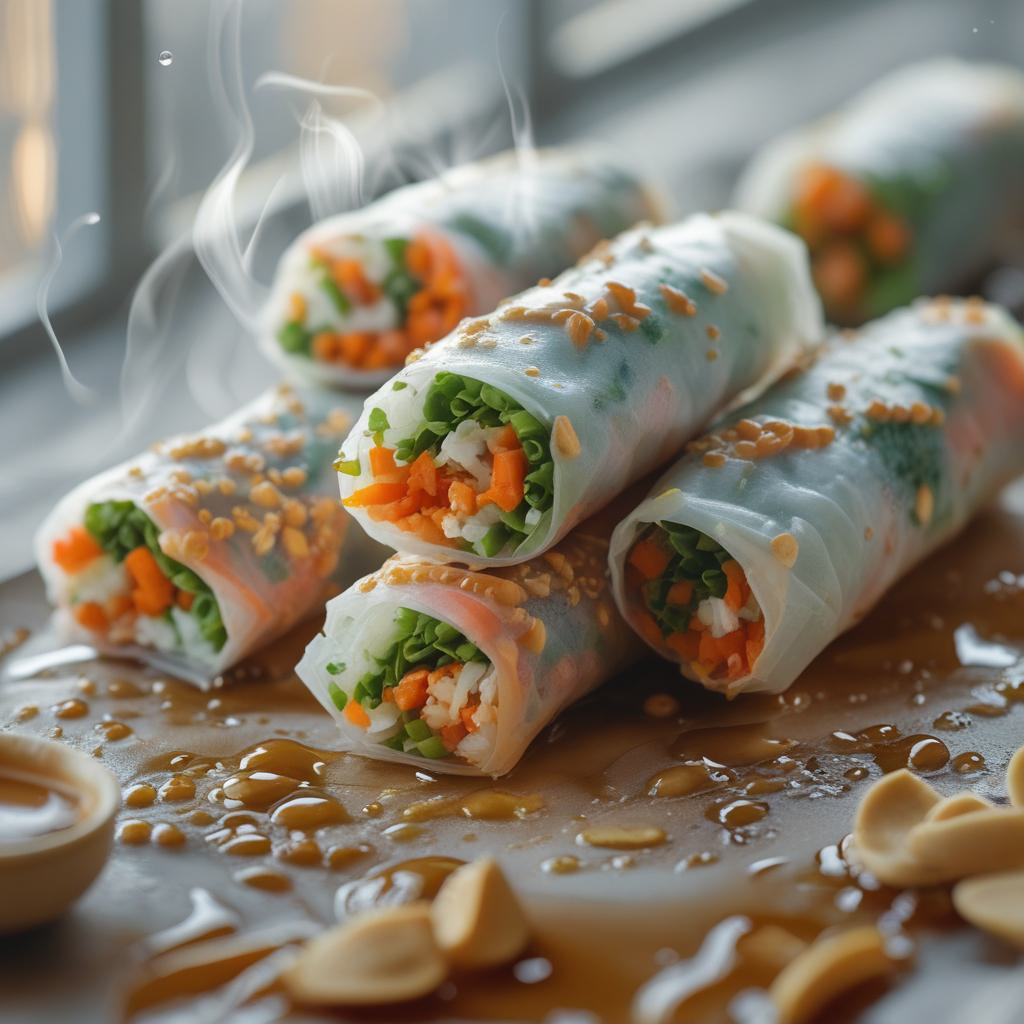
The first hint you’ll notice when crafting truly exceptional vegetarian spring rolls is the whisper-thin crackle of rice paper meeting water – that transient sound promising crisp perfection. These translucent wrappers transform into silky canvases awaiting gardens of color: julienned carrots mimicking sunset hues against emerald cucumber batons, vermicelli noodles like liquid ivory, and Thai basil releasing its anise-kissed perfume that dances with mint’s cool vibrancy.
The magic unfolds when these fresh elements marry the savory depth of marinated tofu – golden edges caramelized in toasted sesame oil that crackle with umami. Each bite crescendos as you dip into the peanut sauce, where roasted nut richness tangos with lime zest, garlic’s pungent heat, and just enough chili to ignite the palate. This isn’t mere finger food; it’s an orchestrated balance of temperature (cool vegetables against warm tofu), texture (crunchy cabbage versus yielding rice noodles), and taste harmonics that sing spring’s renewal in edible form.
Table of Contents
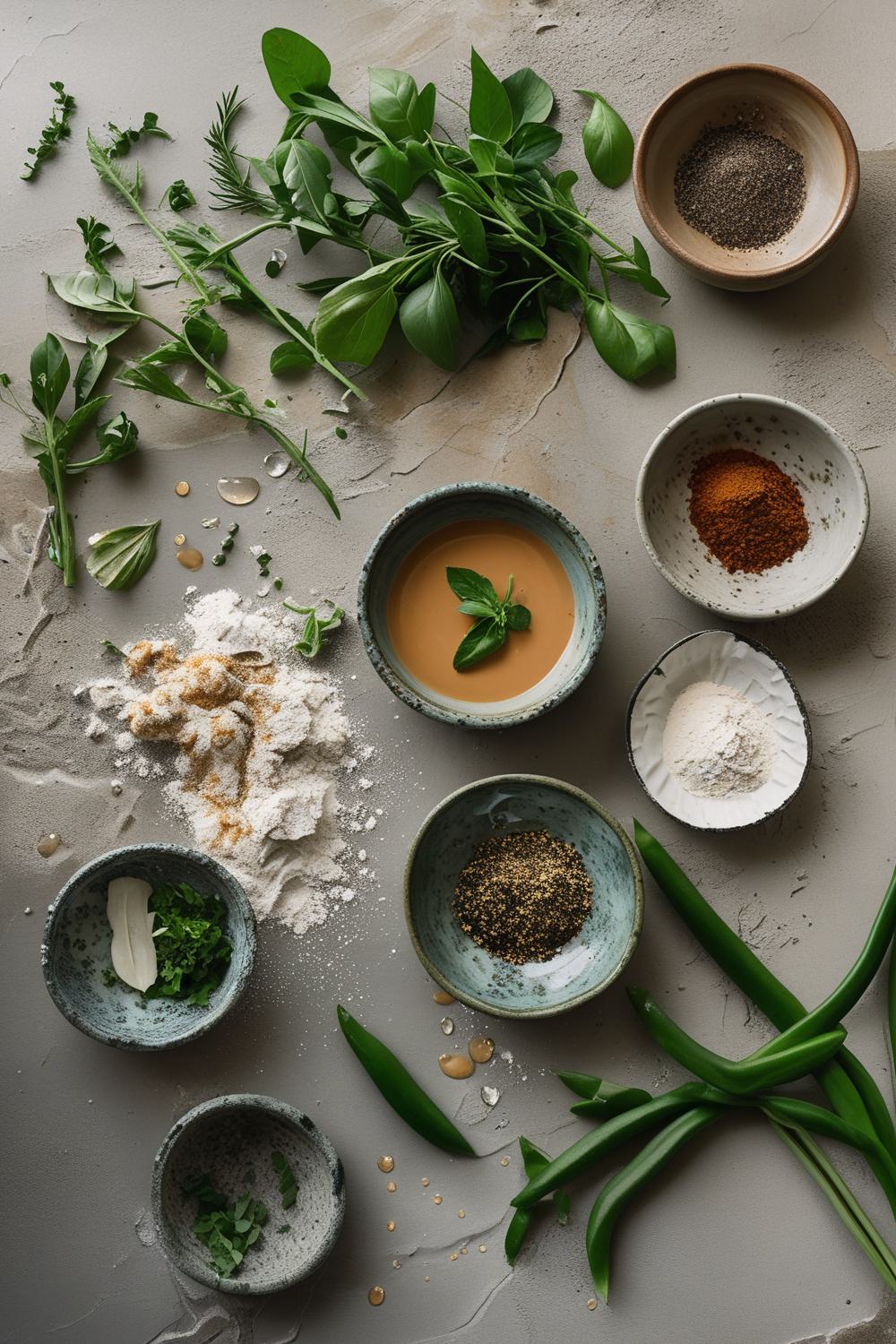
Ingredient Deep Dive
Every component serves both flavor and structural purpose in these artful rolls. Quality directly impacts texture integrity and taste layering:
| Ingredient | Quantity | Purpose |
|---|---|---|
| 16cm rice paper | 12 sheets | Creates translucent, chewy casing without competing flavors |
| Extra-firm tofu | 340g | High-protein base; holds marinade without crumbling |
| Rice vinegar | 45ml | Acidity balances richness without overwhelming |
| Shallot (minced) | 25g | Delicate allium base for marinade |
| Hydrated rice noodles | 200g | Neutral starch binds vegetables |
| Red pepper flakes | 5g | Controlled heat activation |
| Natural peanut butter | 120g | Emulsifier for sauce with depth |
| Tamari (or light soy) | 30ml | Gluten-free umami booster |
| Fresh Thai basil | 1 bunch | Essential licorice notes |
The rice paper’s tapioca starch composition requires precise hydration – too little water creates brittleness, while over-soaking dissolves structural polymers. Protein-rich tofu absorbs marinades effectively due to its sponge-like matrix, particularly when pressed to 30% weight reduction. Shallots contain higher sugar content than onions, caramelizing faster without bitterness.
Peanut butter’s oil-to-solids ratio is critical: natural varieties with visible separation require vigorous stirring to activate emulsifiers before blending with liquids. Using cold-pressed versus roasted nut butters alters viscosity – we want sauce that coats a spoon thickly but drips slowly.
Substitutions & Swaps
For gluten-free needs, ensure your tamari is certified (many soy sauces contain wheat). Vegan adaptations simply require swapping honey in the sauce for agave syrup or maple syrup – the latter adding intriguing woody notes. If peanut allergies exist, try sunflower seed butter blended with tahini for similar creaminess.
No rice noodles? Thinly sliced jicama creates juicy crunch. Rice paper alternatives include softened collard greens (blanch 20 seconds) though rolling technique differs. Can’t find Thai basil? Combine regular basil with a pinch of tarragon for comparable complexity. For lower-carb versions, increase shredded cabbage by 50% while omitting noodles entirely.
Equipment Guide
A 30cm bamboo mat is non-negotiable – its slight texture grips rice paper better than silicone. Use a carbon steel chef’s knife for julienning; dull blades crush herb cells, releasing bitterness prematurely. When pressing tofu, employ a cast iron skillet as weight for even pressure distribution. Choose a 25cm non-stick pan when sautéing tofu – its thermoconductive surface prevents sticking without needing excess oil.
For sauce emulsification, narrow, tall vessels like litre Mason jars allow thorough immersion blending. Keep a dedicated pastry brush solely for applying water to rice paper – its controlled application prevents sogginess.
Step-by-Step Walkthrough
- Press tofu between towels with 2kg weight (like cast iron) for 25 minutes
- Julienne vegetables: carrot, cucumber, red cabbage into uniform 8cm lengths
- Whisk marinade: rice vinegar, tamari, maple syrup, grated ginger, and garlic
- Cube tofu into 1.5cm pieces, marinate 15 minutes (no longer – vinegar breaks down protein)
- Sear tofu in non-stick pan until golden on 2 sides (~3 minutes per side)
- Soak rice noodles in hot (not boiling) water for exactly 6 minutes, rinse in ice water
- Assemble workspace: mise en place of filling ingredients within arm’s reach
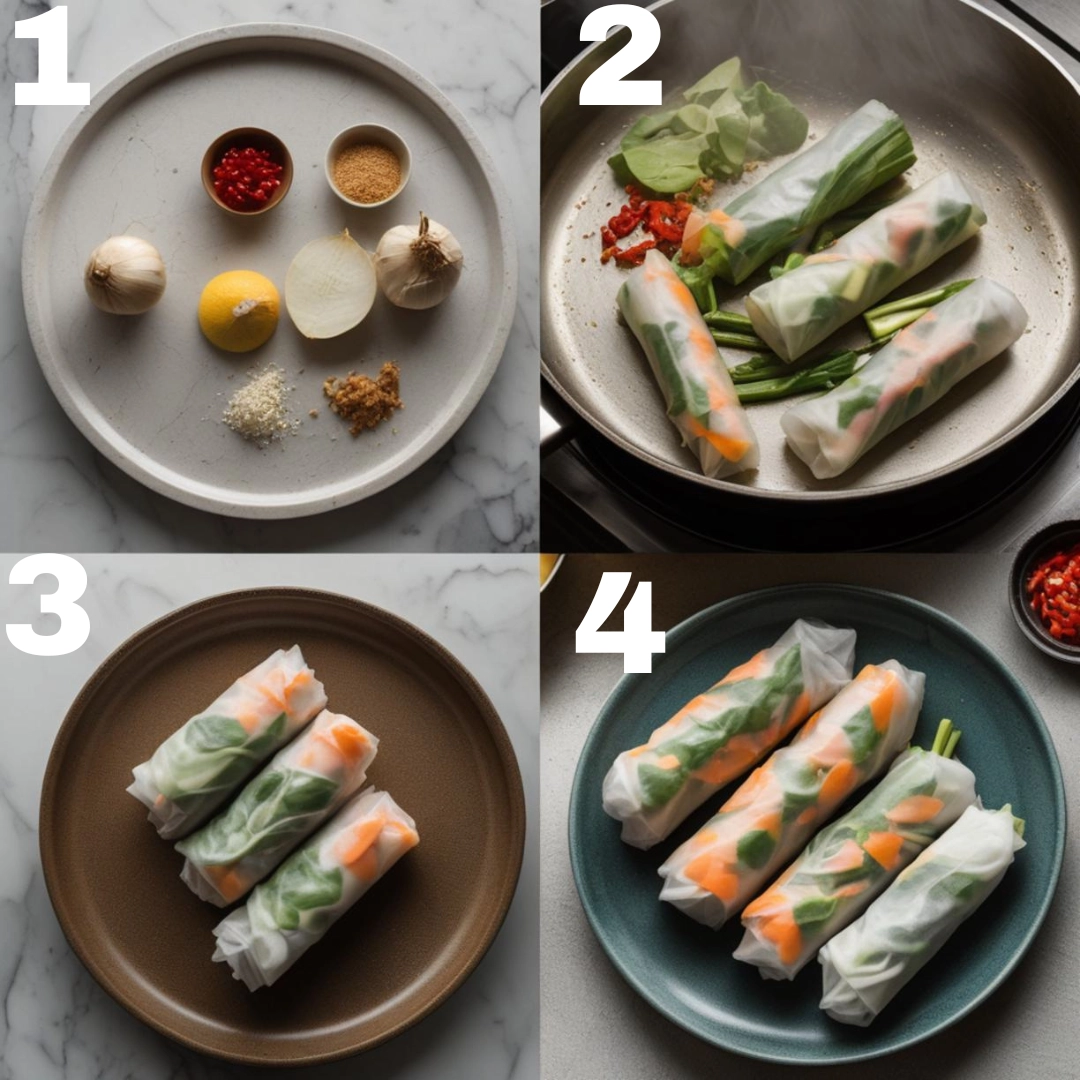
- Dip rice paper into 40°C water for 8 seconds (room temp water causes uneven softening)
- Lay wrapper on bamboo mat, layer fillings just below center line
- Tuck sides inward, roll tightly away from you without stretching the wrapper
- Rest rolls seam-side down under damp towel while preparing sauce
The critical phase is rice paper hydration. Water temperature matters: too hot causes over-softening, while cold water lengthens hydration time, risking tears. Ideal technique: dip fully submerged for 8 seconds, then transfer to work surface. The wrapper will continue absorbing moisture for another 90 seconds – this rest period is when you arrange fillings.
When rolling, position fingers behind filling bundle, tucking wrapper under while simultaneously pulling back slightly. This creates tension for tight rolls. If a hole appears, patch immediately with a small piece of soaked rice paper – it bonds when moist.
Peanut sauce requires staged emulsification: first blend peanut butter with lime juice and tamari until paste-like, then gradually incorporate warm coconut milk while blending. Adding liquids too quickly causes separation.
Expert Tips & Troubleshooting
Problem: Spring rolls stick together. Solution: Brush with toasted sesame oil before plating – its antioxidant content inhibits sticking. If wrappers tear during rolling, double-layer by moistening a second sheet and applying over the first before filling.
To prevent soggy rolls, ensure vegetables are completely dry post-washing – use a salad spinner followed by paper towels. If peanut sauce seizes, whisk in hot water 1 tsp at a time until glossy. For extra-crisp tofu, coat marinated cubes with 1 tbsp arrowroot starch before sautéing.
Master tip: Roll components vertically rather than horizontally – the shorter width creates structural integrity. Always position herbs against the wrapper’s interior where their colors shine through. When slicing, use a serrated knife dipped in water to prevent dragging.
Flavor Variations
For spicy upgrades, mix sambal oelek into peanut sauce or add pickled jalapeños to fillings. Children often prefer sweeter profiles: blend mango puree into dipping sauce or sprinkle pomegranate seeds among vegetables. Umami lovers can add rehydrated shiitake mushrooms sautéed with tamari.
Korean-inspired versions use kimchi and gochujang-spiked sauce. Mediterranean twists might feature roasted red peppers, feta (non-vegan), and pine nuts. Dessert spring rolls swap vegetables for coconut-rolled strawberries dipped in chocolate ganache.
Storage & Reheating
Store components separately: rolls wrapped tightly in beeswax cloth stay fresh 24 hours refrigerated. Sauce keeps 5 days in glass jars. Never freeze assembled rolls – ice crystals rupture rice paper. Revitalize limp wrappers by briefly misting with water then reheating at 150°C for 3 minutes in an air fryer.
FAQ Section
Can I make these ahead? Prep fillings 2 days prior, but roll no sooner than 3 hours before serving.
Are rice papers vegan? Authentic ones are – verify no egg additives.
Why are my rolls mushy? Over-hydrated wrappers or wet fillings – double-check vegetable drying.
Can I freeze peanut sauce? Yes, in airtight containers up to 3 months.
The Recipe Card
Crisp vegetable spring rolls with herbaceous brightness contrast umami tofu and rich peanut-lime dipping sauce. Gluten-free adaptable, packed with texture, and visually stunning. Perfect for appetizers or light meals, ready in 45 minutes. Yields 12 rolls with 300ml sauce.
Nutrition Information
| Component | Per Roll + Sauce |
|---|---|
| Calories | 127 kcal |
| Carbohydrates | 15g |
| Protein | 6g |
| Dietary Fiber | 2g |
| Sugars | 4g |
*Disclosure: Nutritional estimates use generic ingredients. Actual values vary by brand and preparation precision. Consult a nutritionist for medical diets.