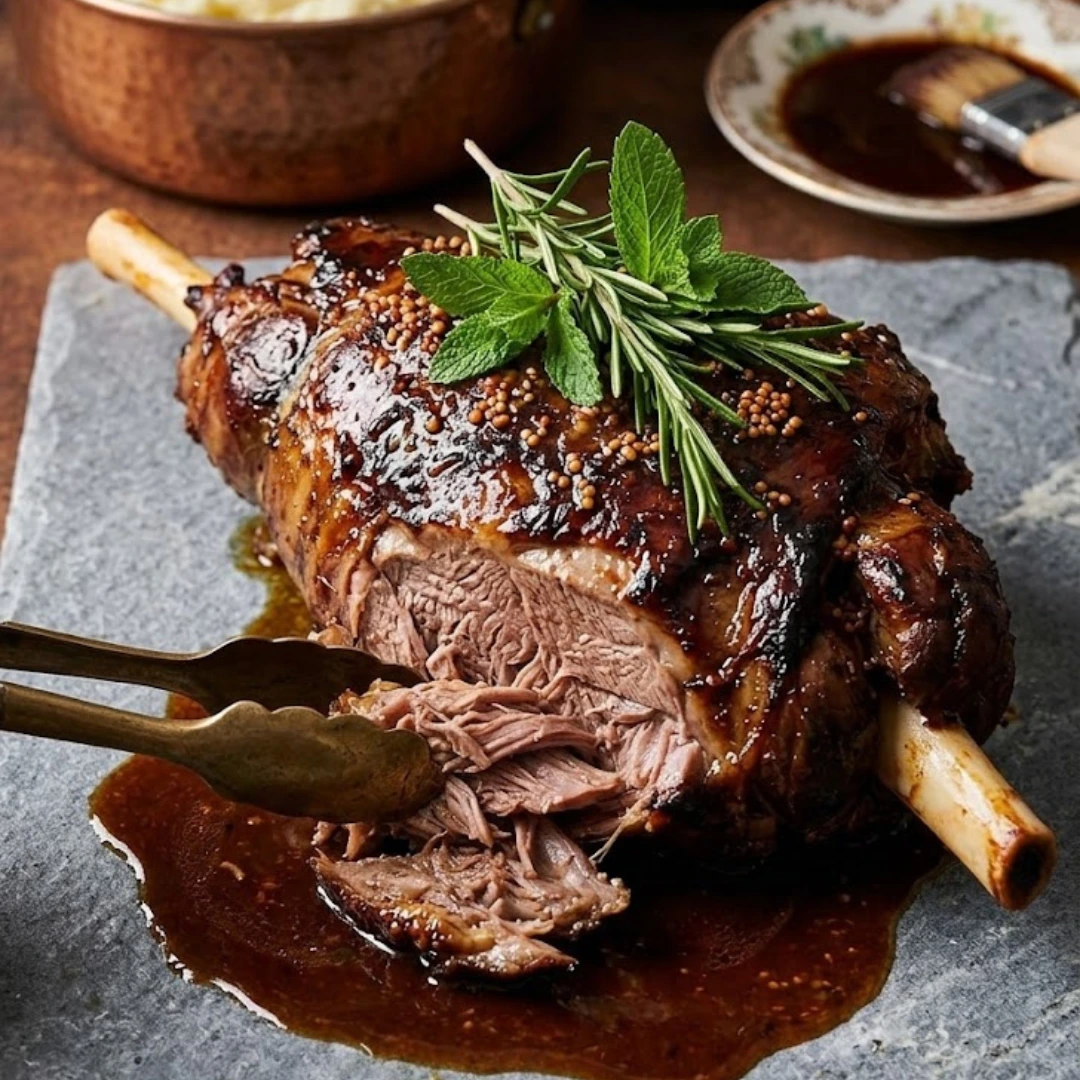
There is something inherently soul-warming about a centerpiece roast that fills the entire home with the scent of garlic and fresh rosemary. While many home cooks feel intimidated by a large cut of meat, this approach to the best roasted leg of lamb removes every ounce of anxiety from the process. We are moving away from the high-pressure world of precision timing and meat thermometers to embrace a slow-cooking method that guarantees success every single time.
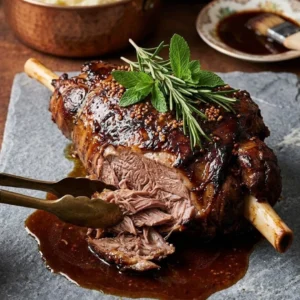
If you have ever worried about serving a roast that is too tough or unevenly cooked, this recipe is your new best friend. By allowing the lamb to bathe in a flavorful liquid over several hours, you transform a lean cut into something so tender it can be pulled apart with nothing more than a pair of kitchen tongs. It is the ultimate “set it and forget it” luxury meal that tastes like it required years of culinary training to master.
Table of Contents
Essential Ingredients for Your Roast
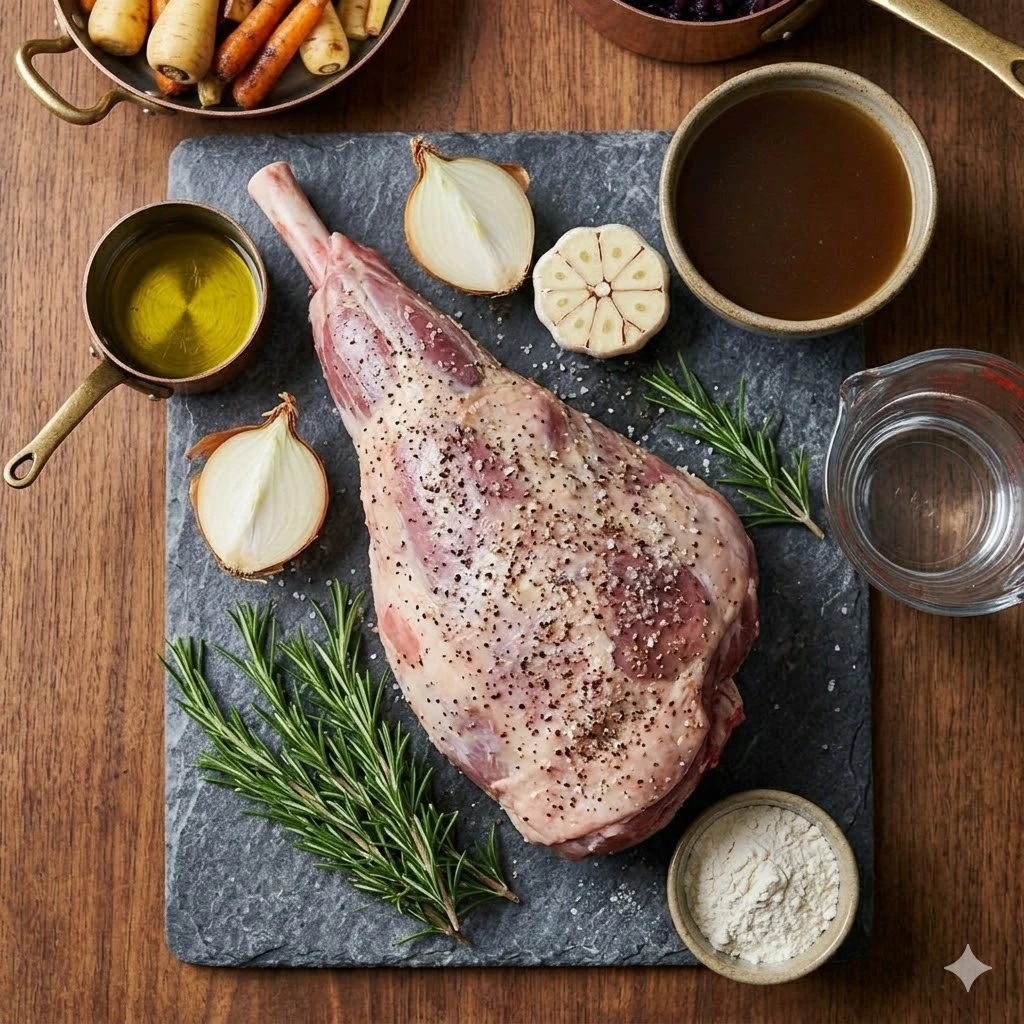
To begin this culinary journey, gather these high-quality staples. Using fresh aromatics is the key to creating a deep, complex flavor profile in both the meat and the resulting gravy.
- 2.25 kilograms (approximately 4.5 pounds) Leg of Lamb: Ensure it is bone-in for the best flavor, though a shoulder can be substituted if preferred.
- Salt and Black Pepper: For generous seasoning.
- 1.5 tablespoons Olive Oil: To help sear and seal the flavors.
- 1 Whole Garlic Head: Unpeeled and sliced in half horizontally to release the oils.
- 1 Onion: Quartered; keeping the skin on is perfectly fine for the roasting process.
- 2 to 4 Rosemary Sprigs: Use two for a subtle hint or four for a robust, herbaceous punch.
- 3 cups Beef Stock: Use low sodium or high-quality homemade broth.
- 2 cups Water: To maintain the liquid level during the long roast.
For the Rich Pan Gravy
- 4 tablespoons White Flour: To create the thickening base.
- 1 cup Water: To adjust the final consistency.
- Salt and Black Pepper: To taste for the final seasoning adjustment.
Mastering the Slow-Roasting Process
Following these steps ensures that your lamb reaches that coveted fall-apart texture while developing a beautifully browned exterior.
- Oven Preparation: Begin by preheating your oven to 170 Celsius (standard) or 150 Celsius if you are using a fan-forced oven.
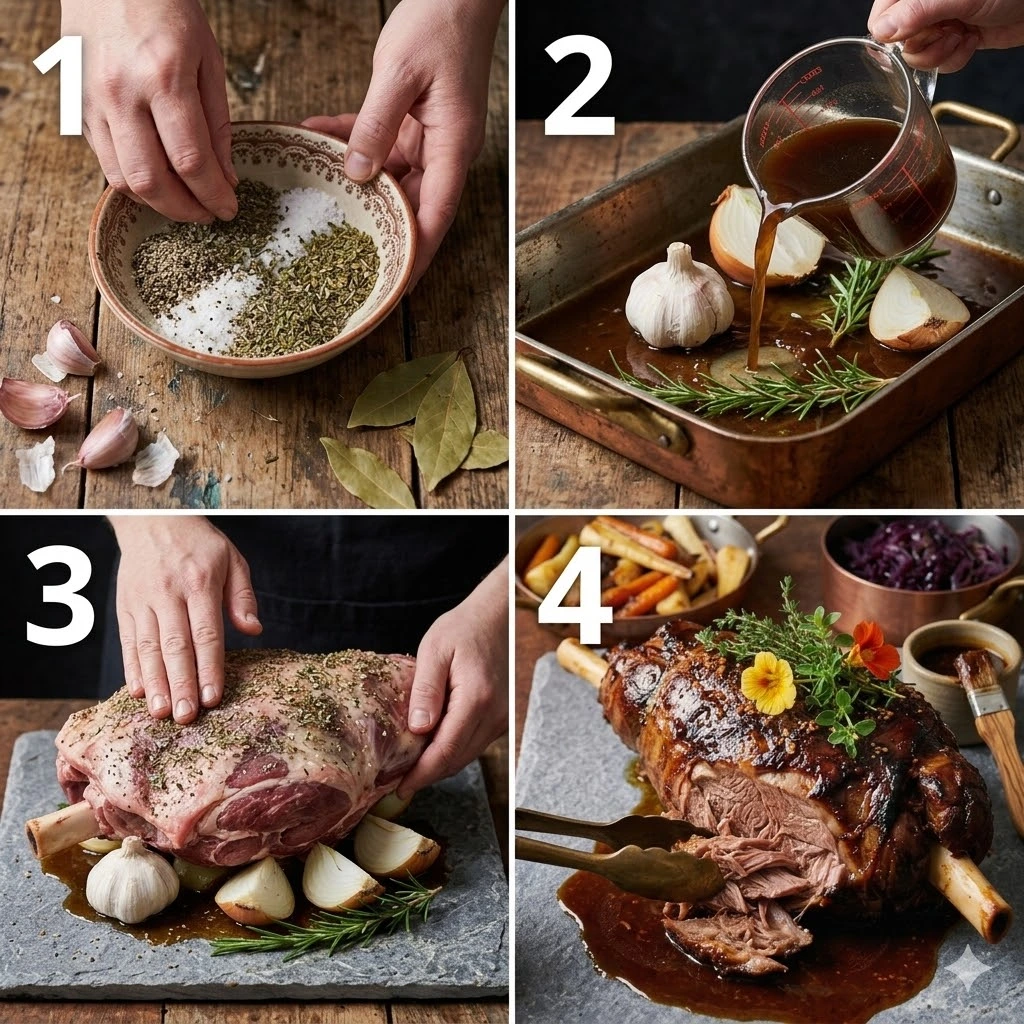
- Building the Flavor Base: In a sturdy metal roasting pan, scatter your halved garlic head, quartered onions, and rosemary sprigs. These act as a natural rack for the meat.
- Initial Seasoning: Place the lamb leg in the pan with the right side facing up. Sprinkle a generous amount of salt and pepper over the surface, rubbing it into the skin.
- The Flip: Turn the lamb over so it rests comfortably on the bed of aromatics. Season the underside with more salt and pepper.
- Adding the Braising Liquid: Drizzle the olive oil over the lamb. Carefully pour the beef stock and two cups of water into the pan around the meat. The lamb will be partially submerged.
- The Long Roast: Cover the pan tightly with aluminum foil. Do not use a heavy lid; the foil allows just enough steam to escape. Place it in the oven for 4.5 hours.
- Checking for Tenderness: After the initial roast, remove the foil and flip the lamb back over. Test the meat with a fork; it should easily pry away from the bone.
- The Final Browning: Return the pan to the oven, uncovered, for an additional 45 minutes. This step creates that gorgeous, dark golden crust.
- Resting Period: Remove the lamb from the oven and spoon the pan juices over it. Transfer the meat to a warm platter and cover it loosely with foil. Let it rest for at least 30 to 60 minutes while you prepare the gravy.
Crafting the Perfect Rosemary Garlic Gravy
The liquid remaining in your roasting pan is liquid gold. Do not let a drop go to waste.
First, take a large spoon and skim off the excess fat from the surface of the liquid. Discard this fat. Place the roasting pan directly onto your stovetop over medium-high heat. Once the liquid begins to bubble and simmer, whisk in the flour. You will need to whisk constantly for a few minutes as the flour incorporates and the liquid reduces into a thick, sludge-like consistency.
Slowly whisk in the additional cup of water. Continue whisking until the gravy reaches your desired thickness. Taste the sauce and add pepper or salt if necessary. Finally, strain the gravy through a fine-mesh sieve into a bowl or jug, using a spoon to press all the juices out of the softened onions and garlic.
Achieving the Ultimate Creamy Consistency and Texture
The science behind this recipe lies in the “low and slow” philosophy. Lamb leg is traditionally a lean cut, which makes it prone to drying out if cooked at high heat for a short duration. By partially submerging the meat in a mixture of beef stock and water, you are essentially braising the lamb. This process breaks down the tough connective tissues (collagen) and converts them into gelatin, which provides that succulent, mouth-coating texture.
To ensure the best results, always opt for a bone-in leg. The bone acts as a thermal conductor, helping the meat cook from the inside out while adding significant depth to the pan juices. Furthermore, the resting period is non-negotiable. Resting allows the muscle fibers to relax and reabsorb the juices that were pushed to the surface during cooking. If you cut into the lamb too early, those delicious juices will end up on the cutting board rather than in the meat.
Enhancing the Experience: Modifications and Substitutions
While the classic garlic and rosemary pairing is timeless, you can easily adapt this recipe to suit different flavor profiles.
- Citrus Twist: Add thick slices of lemon or orange to the roasting pan alongside the onions to introduce a bright acidity that cuts through the richness of the lamb.
- Alternative Aromatics: If rosemary isn’t your favorite, thyme or oregano make excellent substitutes. For a more earthy flavor, bay leaves added to the stock work wonders.
- The Cut of Meat: If you cannot find a leg of lamb, a lamb shoulder is a fantastic alternative. The shoulder has a higher fat content, which makes it even more forgiving during a long roast.
- Gluten-Free Gravy: If you need to avoid wheat, you can use a cornstarch slurry (mixed with cold water) instead of flour to thicken the pan juices at the end.
Ideal Accompaniments and Serving Suggestions
This roast is a heavy hitter, so it pairs beautifully with sides that can soak up the gravy or provide a crisp contrast.
Crunchy Roasted Potatoes: Nothing beats a potato that is fluffy on the inside and shattered-glass crispy on the outside. Roast them in a separate tray with a bit of lamb fat for the ultimate indulgence.
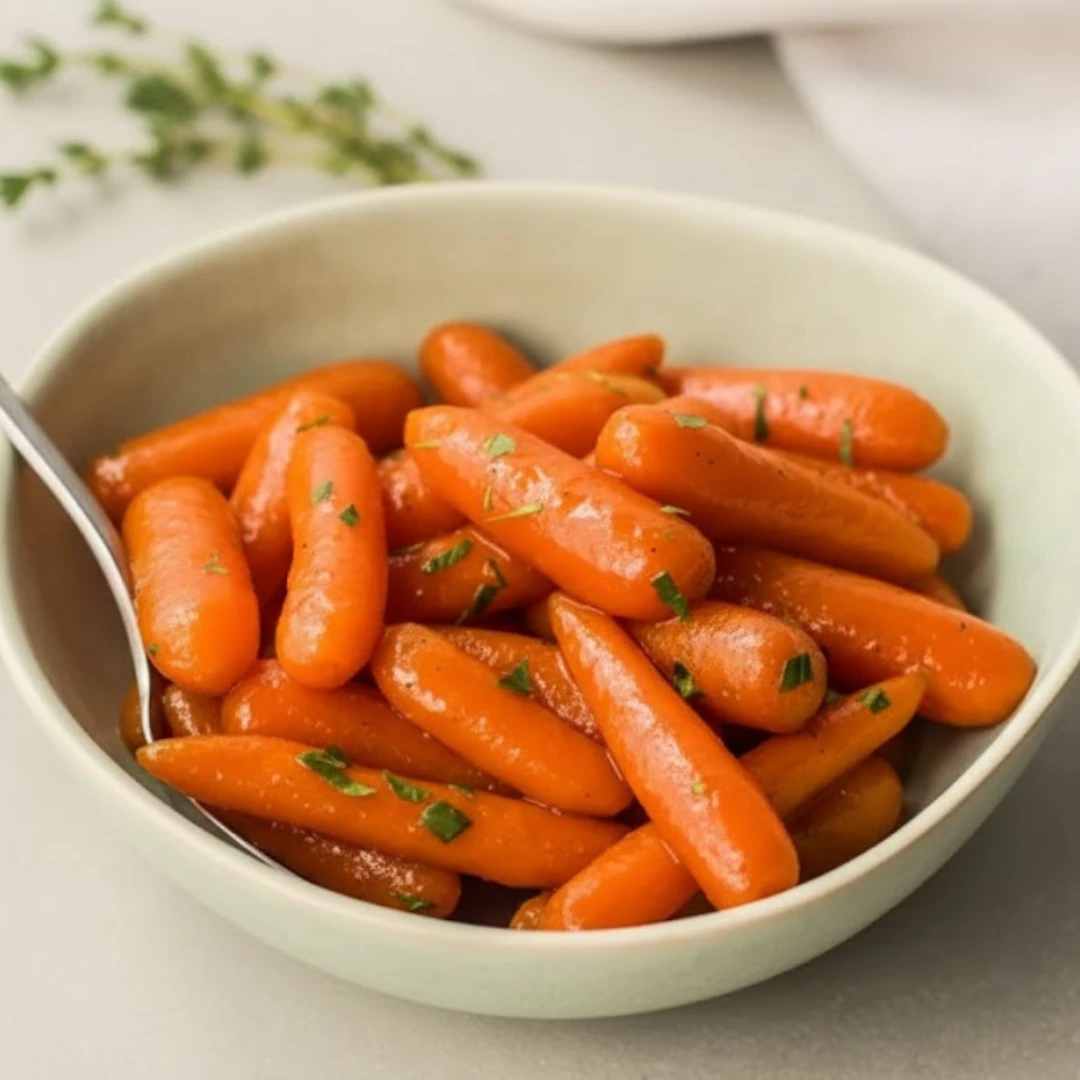
Honey Glazed Carrots: The sweetness of roasted carrots complements the savory, salty notes of the lamb leg perfectly.
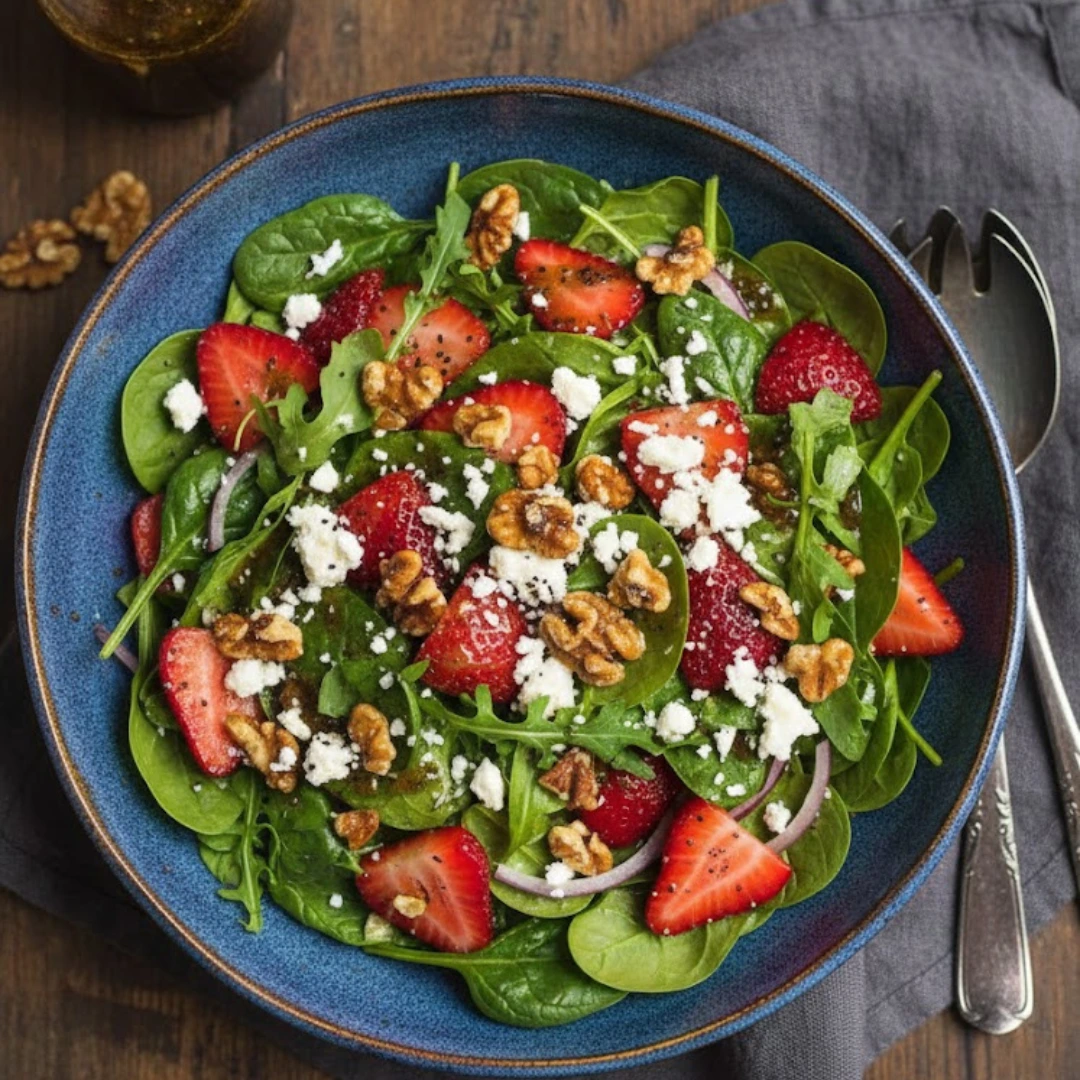
Steamed Greens: To balance the plate, serve a heap of garlicky sautéed spinach, broccolini, or simple minted peas.
Classic Mint Sauce: For a traditional British or Australian touch, a side of vinegar-based mint sauce provides a sharp contrast to the rich gravy.
When serving, remember that this meat is too tender for traditional thin slices. Use two forks or a set of tongs to pull large, succulent chunks away from the bone.
Deep-Dive Culinary FAQ
Can I make this recipe in a slow cooker instead of an oven?
Yes, you certainly can. Follow the same layering process (aromatics on the bottom, lamb on top) and add the liquids. Cook on low for about 8 to 10 hours. However, you will miss out on the final browning stage that the oven provides, so you may want to sear the meat in a pan before starting or pop it under the broiler for a few minutes after it finishes in the slow cooker.
Is it possible to overcook the lamb using this method?
One of the best things about this “Best Roasted Leg of Lamb” recipe is how forgiving it is. Because the meat is partially submerged in liquid, it is very difficult to dry out. Even if you leave it in the oven for an extra hour past the recommended time, the meat will generally just become more tender. It is truly the ultimate low-stress roast.
What should I do if my gravy turns out lumpy?
Don’t panic! Lumpy gravy is a common kitchen hurdle. Because this recipe requires you to strain the gravy through a sieve to remove the onions and rosemary, most of the lumps will be caught in the strainer anyway. If it is still uneven, you can use an immersion blender to smooth it out before serving.
How do I store and reheat leftovers?
Leftover lamb stays moist for several days when stored in an airtight container in the refrigerator. To reheat, place the meat in a baking dish with a splash of leftover gravy or stock, cover with foil, and warm it in the oven at 300 Fahrenheit. This prevents the meat from drying out, which often happens in a microwave.
Final Thoughts on the Perfect Sunday Roast
Mastering the best roasted leg of lamb is less about technical skill and more about having the patience to let the oven do the heavy lifting. By choosing the slow-roast path, you guarantee a meal that is impressive enough for a holiday gathering but simple enough for a lazy Sunday afternoon. The combination of falling-apart meat and a deeply savory, hand-crafted gravy is a testament to the beauty of simple, high-quality ingredients treated with time and care. Gather your loved ones, pour a glass of your favorite non-alcoholic sparkling cider, and enjoy the fruits of your very minimal labor.
Nutrition Table
| Nutrient | Amount Per Serving |
| Calories | 605 calories |
| Total Fat | 38 grams |
| Saturated Fat | 15 grams |
| Cholesterol | 198 milligrams |
| Sodium | 809 milligrams |
| Total Carbohydrates | 6.5 grams |
| Dietary Fiber | 0.5 grams |
| Sugars | 0.8 grams |
| Protein | 56 grams |
Nutritional Disclaimer
The nutritional values provided are estimates based on standard ingredient calculations. Actual values may vary depending on the specific cut of meat and how much fat is skimmed from the gravy during the preparation process.
Slow Roast Leg of Lamb
Ingredients
- 2.25 kg leg of lamb, bone-in (or shoulder)
- Salt and pepper, to taste
- 1.5 tbsp olive oil
- 1 whole garlic head, unpeeled, cut in half horizontally
- 1 onion, quartered
- 2 sprigs fresh rosemary (up to 4 for stronger flavor)
- 3 cups beef stock/broth, low sodium
- 2 cups water
- 4 tbsp white flour (for gravy)
- 1 cup additional water (for gravy consistency)
Instructions
- Preheat oven to 170 Celsius (335 Fahrenheit) standard, or 150 Celsius fan-forced. Place garlic, onion, and rosemary in a metal roasting pan.
- Place lamb in pan. Season generously with salt and pepper, rubbing it in. Flip lamb so it sits on the garlic and onion, then season the other side.
- Drizzle lamb with olive oil. Pour beef broth and water into the pan around the lamb. Cover tightly with foil.
- Roast for 4.5 hours. Remove from oven, remove foil, and flip the lamb over. Check for tenderness with a fork.
- Return uncovered lamb to the oven for 45 minutes to brown the exterior. Remove, spoon juices over, and rest under foil for 30–60 minutes.
- Place roasting pan on the stove over medium-high heat. Skim off excess fat. Whisk in flour and cook until it forms a thick ‘sludge’.
- Slowly whisk in water until gravy reaches your desired consistency. Adjust salt and pepper as needed.
- Strain gravy into a jug, pressing on the onions and garlic to extract flavor. Use tongs to pull meat from the bone and serve.
Notes
Equipment
- Metal roasting pan
- aluminum foil
- whisk
- Fine-mesh strainer
- tongs