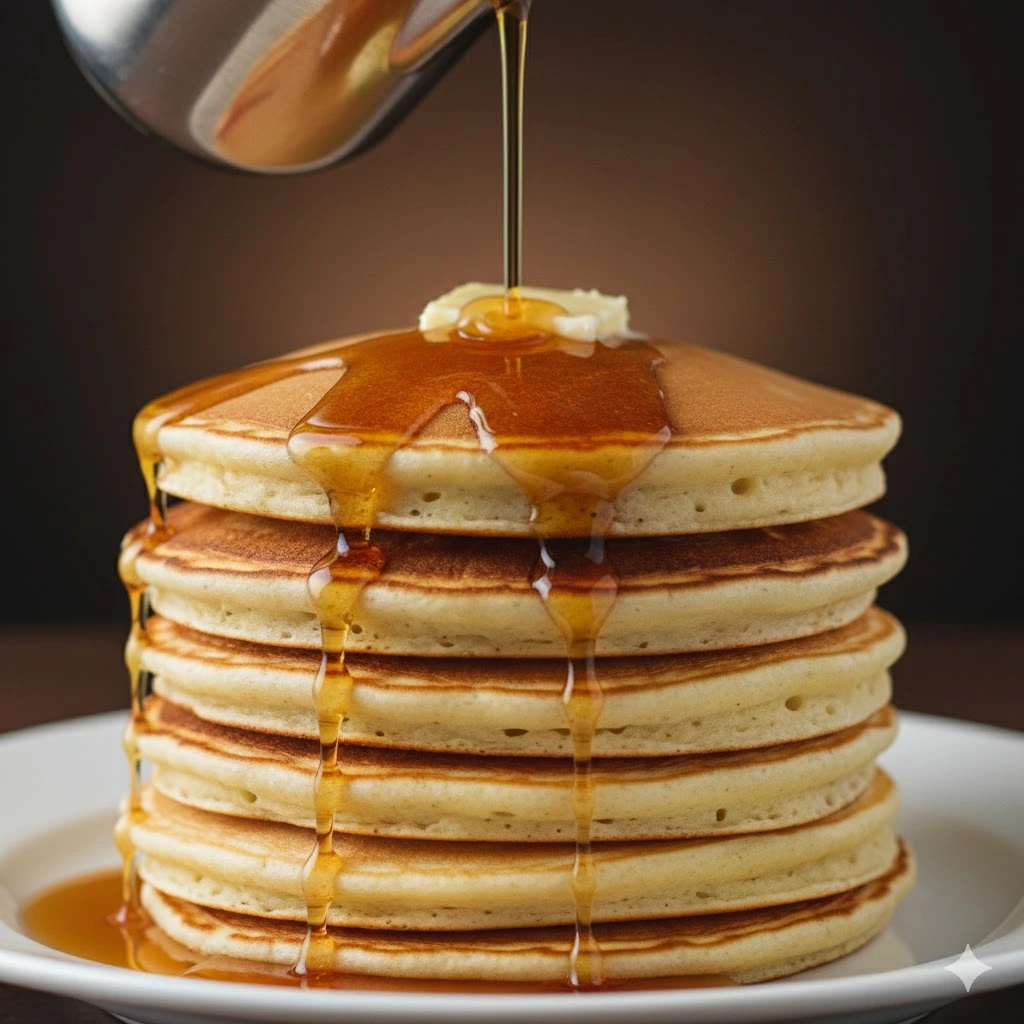
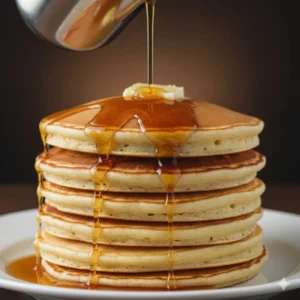
There is something inherently nostalgic and comforting about a tall stack of golden-brown pancakes dripping with maple syrup on a slow Saturday morning. While many of us grew up with the convenience of boxed mixes, nothing truly compares to the taste and texture of a scratch-made batter. This specific recipe for the Best Fluffy Pancakes is designed to deliver that elusive cloud-like interior and perfectly crisp edge without the need for specialty ingredients like buttermilk. By focusing on the science of leavening and the art of the flip, you can transform pantry staples into a breakfast masterpiece that rivals any high-end brunch spot.
Table of Contents
Ingredients
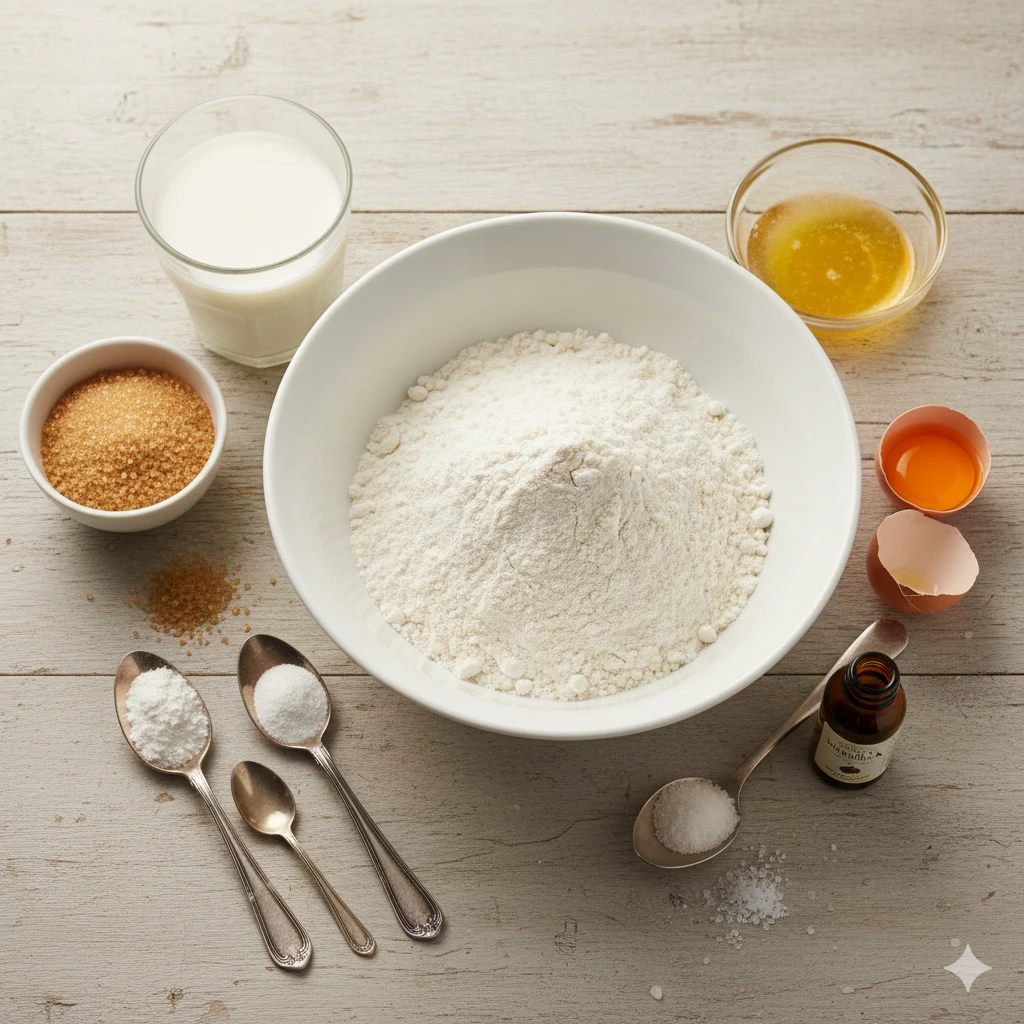
- 2 cups all-purpose or plain flour
- 1/4 cup granulated sugar or sweetener
- 4 teaspoons baking powder
- 1/4 teaspoon baking soda
- 1/2 teaspoon salt
- 1 3/4 cups milk
- 1/4 cup butter
- 2 teaspoons pure vanilla extract
- 1 large egg
Instructions
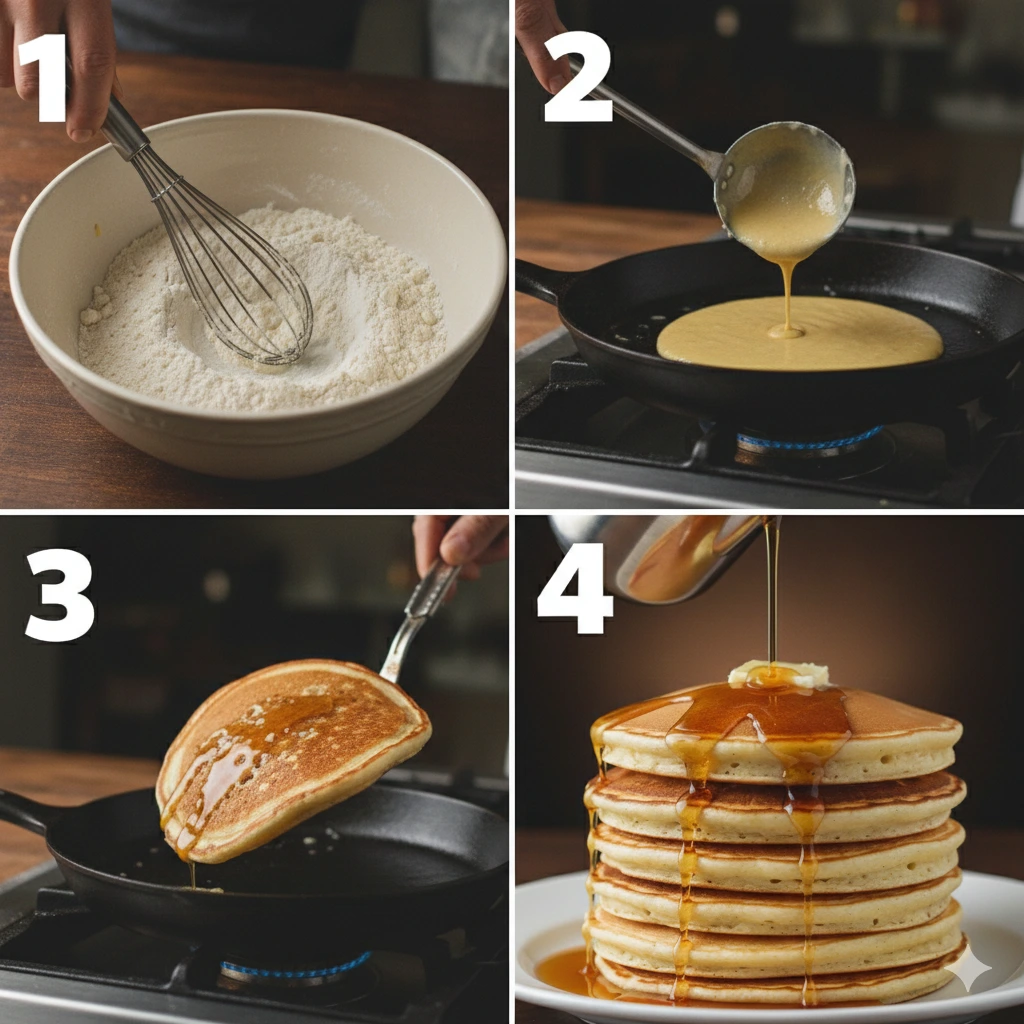
- Begin by selecting a large mixing bowl. Whisk together the all-purpose flour, granulated sugar, baking powder, baking soda, and salt. Ensure the dry mixture is uniform and free of large clumps.
- Create a well in the center of the dry ingredients. Pour in the milk, the slightly cooled melted butter, the pure vanilla extract, and the large egg.
- Using a wire whisk, gently beat the wet ingredients in the center first to break the egg yolk and combine the fats, then slowly incorporate the surrounding dry ingredients.
- Continue whisking until the batter is smooth. A few small lumps are perfectly acceptable and actually preferred over an over-mixed, gummy batter.
- Allow the prepared batter to rest for several minutes while you prepare your cooking surface.
- Heat a high-quality nonstick pan or griddle over low-medium heat. Lightly grease the surface with a small amount of butter and wipe away any excess with a paper towel.
- Pour approximately 1/4 cup of batter onto the hot surface. If necessary, use the back of your measuring cup to gently nudge the batter into a perfect circle.
- Monitor the pancake closely. When the bottom is golden brown and bubbles begin to break the surface of the wet batter, slide a spatula underneath and flip.
- Cook the second side until it reaches a matching golden hue. Remove from heat and repeat the process with the remaining batter.
- Serve immediately while hot with your preferred toppings.
Master the Art: Step-by-Step Details for Perfection
Creating the world’s best fluffy pancakes is a sensory experience that requires a bit of patience and a keen eye for detail. The process begins with the structural integrity of your dry ingredients. When you whisk the flour with the leavening agents—the baking powder and baking soda—you are aerating the mixture. This ensures that the lift is even throughout every single pancake.
The “well” method is vital. By placing the wet ingredients in the center, you control the rate at which the flour absorbs the liquid. As you whisk, you’ll notice the batter transforming from a liquid state into a thick, creamy consistency. If your batter feels like heavy lead and won’t pour, don’t panic. Simply fold in a tablespoon of milk at a time. The goal is a batter that is thick enough to hold its shape on the griddle but fluid enough to run slowly off a spoon.
The resting period is perhaps the most skipped yet most important step. During these few minutes, the flour fully hydrates, and the baking powder begins its first chemical reaction. You will actually see small bubbles starting to form in the bowl before the batter even hits the heat. This is the secret to that “sponge cake” texture.
When it comes to the actual cooking, heat management is everything. You want a consistent low-medium temperature. If the pan is too hot, the exterior will scorch before the middle has a chance to rise and set. When you pour the 1/4 cup of batter, resist the urge to press down on it. Let the heat do the work. The flipping motion should be a quick flick of the wrist. Using your whole arm often results in the pancake landing off-center or folding over on itself. A gentle, confident flip ensures the air stays trapped inside the batter, maintaining that impressive height.
Unique Culinary Insights for Better Batters
The difference between a “good” pancake and the “best” pancake often lies in the small variables. For instance, the temperature of your butter matters. If you pour boiling hot melted butter directly onto a cold egg, you risk scrambling the egg or creating clumps of fat. Always melt your butter first and let it sit for a few minutes to reach a lukewarm temperature before adding it to the milk and egg.
Another insight involves the “first pancake” phenomenon. Usually, the first pancake is the sacrificial lamb of the batch because the pan hasn’t reached a perfectly even thermal equilibrium. To avoid this, let your pan preheat for at least two to three minutes on medium, then drop the heat to low-medium right before you pour.
Texture-wise, if you prefer a pancake with a slightly tangier profile similar to buttermilk but don’t have any on hand, the inclusion of baking soda in this recipe reacts with the natural proteins in the milk to provide extra lift and browning. If you are particularly sensitive to the metallic taste of leavening agents, ensure you are using a high-quality, aluminum-free baking powder.
Modifications and Substitutions
This recipe serves as a versatile canvas for your culinary creativity. While the base is perfection, you can easily pivot based on what you have in your pantry or your specific dietary preferences.
- Flour Alternatives: For those in Australia, you can substitute the plain flour and leavening agents for self-raising flour. Simply omit the baking soda and reduce the baking powder to one teaspoon per cup of flour used.
- The Fat Component: While butter provides the best flavor and golden edges, you can substitute it with a neutral oil like avocado or grapeseed oil if you prefer a dairy-free fat source. For a gourmet twist, try using browned butter to introduce a toasted, nutty aroma.
- Sweetener Swaps: If you want to avoid granulated sugar, honey or maple syrup can be whisked into the wet ingredients. Even a sugar alternative like monk fruit or stevia works well here without compromising the rise.
- Richness Boosters: For an incredibly creamy and moist interior, fold in a few tablespoons of ricotta cheese or a dollop of Greek yogurt into the finished batter. This adds a slight weight to the pancake that feels luxurious and decadent.
- Flavor Infusions: Don’t stop at vanilla. A teaspoon of almond extract, a pinch of cinnamon, or a tablespoon of fresh orange zest can completely change the personality of your breakfast.
Accompaniments and Serving Suggestions
A pancake is only as good as its company. To truly elevate this meal, consider how you layer your flavors and textures.
- The Classic Route: High-quality maple syrup is the gold standard. Warm the syrup slightly before drizzling to ensure it soaks into the fluffy pores of the pancake. A pat of salted butter on top provides the necessary savory balance.
- Fresh and Fruity: A medley of fresh berries—blueberries, raspberries, and sliced strawberries—adds a bright acidity that cuts through the richness of the batter. For a more cohesive topping, simmer some frozen berries with a splash of water and sugar to create a quick compote.
- Indulgent Toppings: For a “dessert for breakfast” vibe, a dollop of whipped cream or a scoop of vanilla frozen yogurt is unbeatable. You can also sprinkle mini chocolate chips or toasted coconut over the batter while it’s still wet on the griddle.
- Savory Pairings: Balance the sweetness of the stack with crispy thick-cut bacon or savory breakfast sausage links. The contrast of salty and sweet is a hallmark of a great American breakfast.
Deep-Dive FAQ
Why are my pancakes coming out flat instead of fluffy?
Flat pancakes are usually the result of one of three things: expired baking powder, over-mixing the batter, or a batter that is too thin. Baking powder loses its potency over time, so ensure yours is fresh. When mixing, stop as soon as the flour streaks disappear; over-mixing develops gluten, which leads to a tough, flat disc. If the batter is too runny, it will spread out thin on the pan rather than holding its height.
Can I make the pancake batter in advance and store it in the fridge?
It is highly recommended to make this batter fresh. The leavening agents—specifically the baking powder and soda—begin reacting the moment they touch the liquid. If the batter sits in the refrigerator overnight, those bubbles will dissipate, and your pancakes will lose their ability to rise, resulting in a dense and gummy texture. For the best results, cook them within twenty minutes of mixing.
How do I know exactly when it is time to flip?
The most reliable indicator is the behavior of the bubbles on the surface. You want to wait until bubbles form and, crucially, some of them pop and stay open. The edges of the pancake should also look set and matte rather than wet and shiny. Use your spatula to gently peek underneath; if it is a deep golden brown, you are ready to make your move.
Is it possible to bake this batter in a sheet pan?
While this batter is optimized for a griddle, you can certainly pour it into a well-greased, rimmed baking sheet. Bake at 425 degrees Fahrenheit for about fifteen to twenty minutes until golden and springy to the touch. This is a fantastic way to serve a large crowd all at once without standing over a stove for an hour.
Bringing the Restaurant Experience Home
You don’t need a professional kitchen or a secret ingredient to produce the best fluffy pancakes your family has ever tasted. By respecting the simple chemistry of the ingredients and mastering the heat of your pan, you can create a breakfast tradition that feels special every single time. Whether you keep them plain and simple or load them with decadent add-ins, these pancakes are a testament to the fact that the best things in life are often the simplest. Put on a pot of coffee, get your griddle hot, and enjoy the process of crafting the perfect stack.
Nutrition Table
| Nutrient | Amount Per Serving |
| Calories | 156 kcal |
| Total Carbohydrates | 22 g |
| Protein | 4 g |
| Total Fat | 6 g |
| Saturated Fat | 3 g |
| Polyunsaturated Fat | 0.3 g |
| Monounsaturated Fat | 1 g |
| Trans Fat | 0.2 g |
| Cholesterol | 30 mg |
| Sodium | 311 mg |
| Potassium | 84 mg |
| Fiber | 1 g |
| Sugar | 6 g |
| Vitamin A | 198 IU |
| Calcium | 129 mg |
| Iron | 1 mg |
Nutritional Disclaimer
Nutrition information provided is automatically calculated and should be used as a general approximation only. Variances in ingredient brands, freshness, and specific measurements may alter the final nutritional output of the recipe.
Best Fluffy Pancakes
Ingredients
- 2 cups all-purpose or plain flour
- 0.25 cup granulated sugar or sweetener
- 4 tsp baking powder
- 0.25 tsp baking soda
- 0.5 tsp salt
- 1.75 cups milk
- 0.25 cup butter, melted and slightly cooled
- 2 tsp pure vanilla extract
- 1 large egg
Instructions
- In a large-sized bowl, whisk together the flour, sugar, baking powder, baking soda, and salt until well combined.
- Make a well in the center of the dry ingredients and add the milk, melted butter, vanilla, and egg.
- Use a wire whisk to combine the wet ingredients first, then slowly fold them into the dry ingredients. Mix until smooth, but do not overmix.
- Set the batter aside to rest for a few minutes while you preheat your cooking surface.
- Heat a nonstick pan or griddle over low-medium heat and wipe with a small amount of butter to grease.
- Pour 1/4 cup of batter onto the pan for each pancake, spreading it slightly into a round shape.
- Cook until the underside is golden and bubbles begin to appear on the surface, then flip with a spatula.
- Cook the other side until golden brown. Serve hot with maple syrup, honey, or fresh fruit.
Notes
Equipment
- large mixing bowl
- Wire whisk
- Nonstick pan or griddle
- 1/4 cup measuring cup or ladle For consistent sizing
- spatula