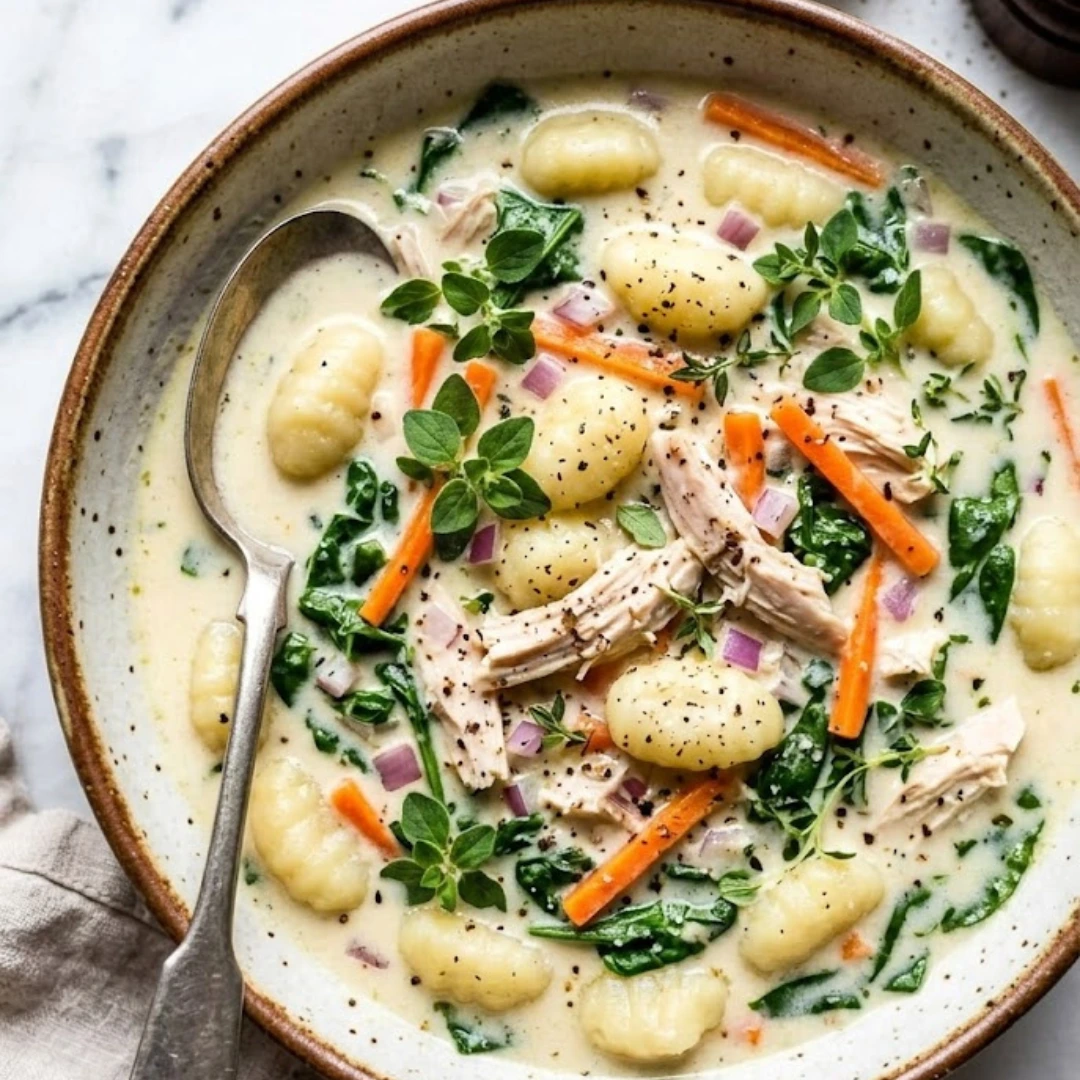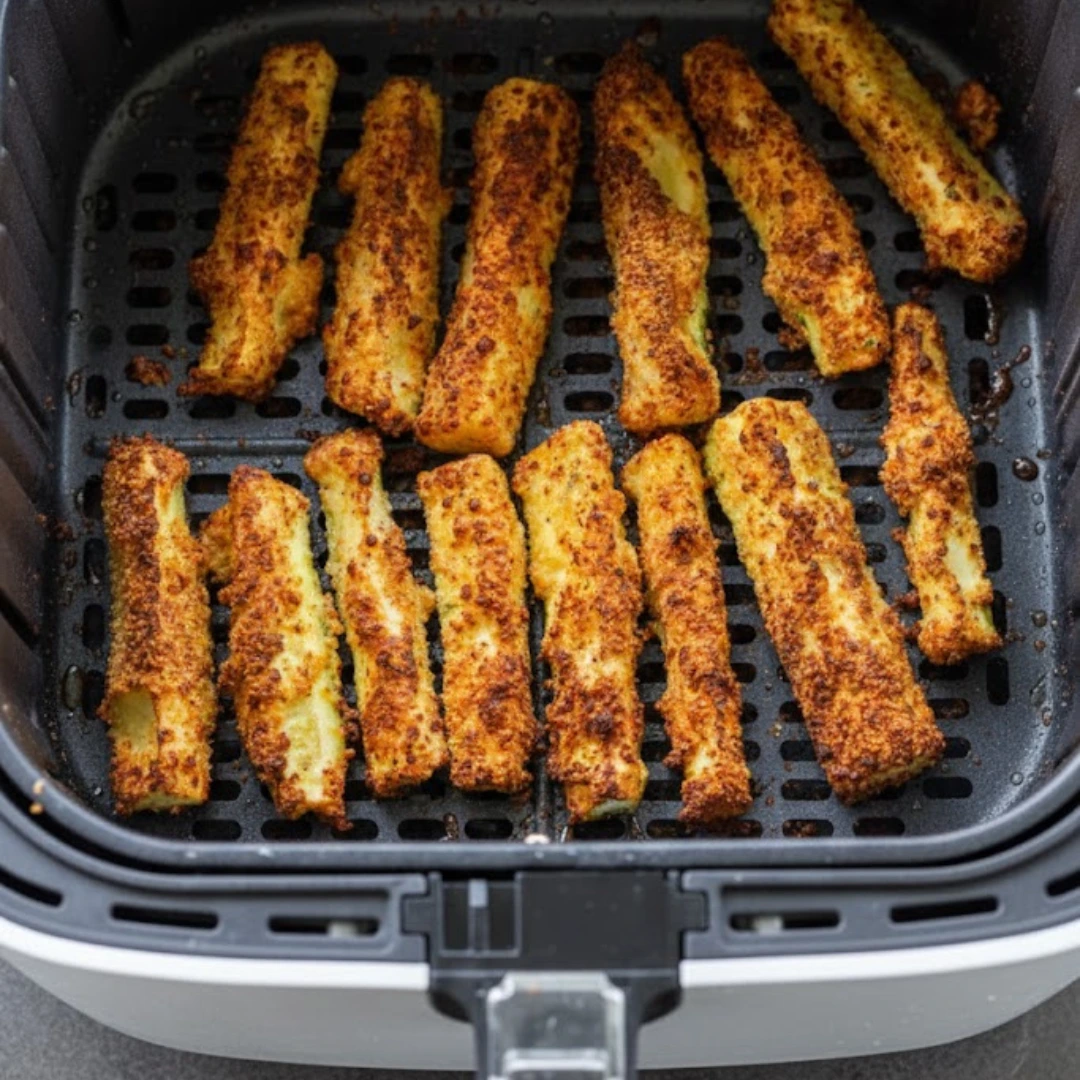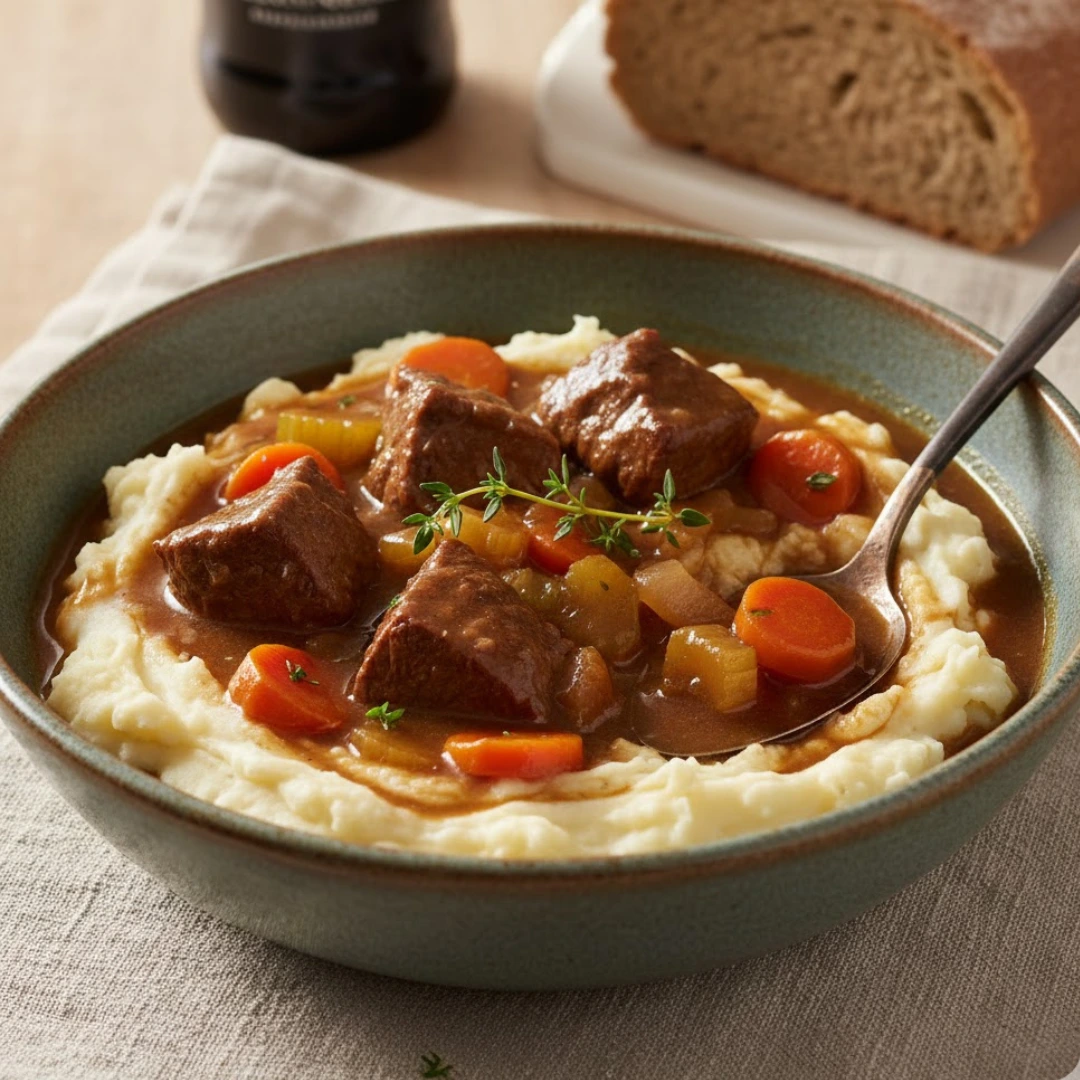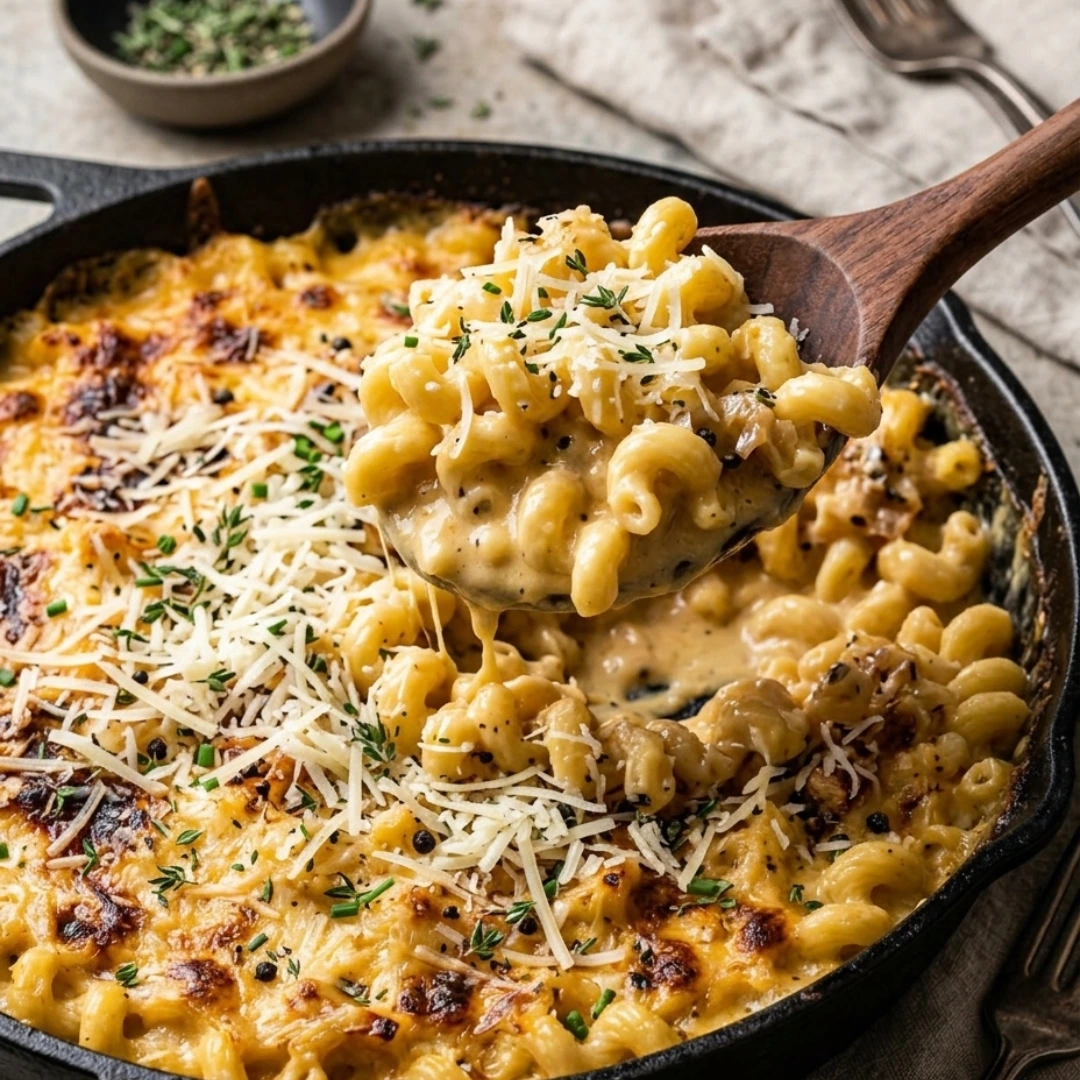
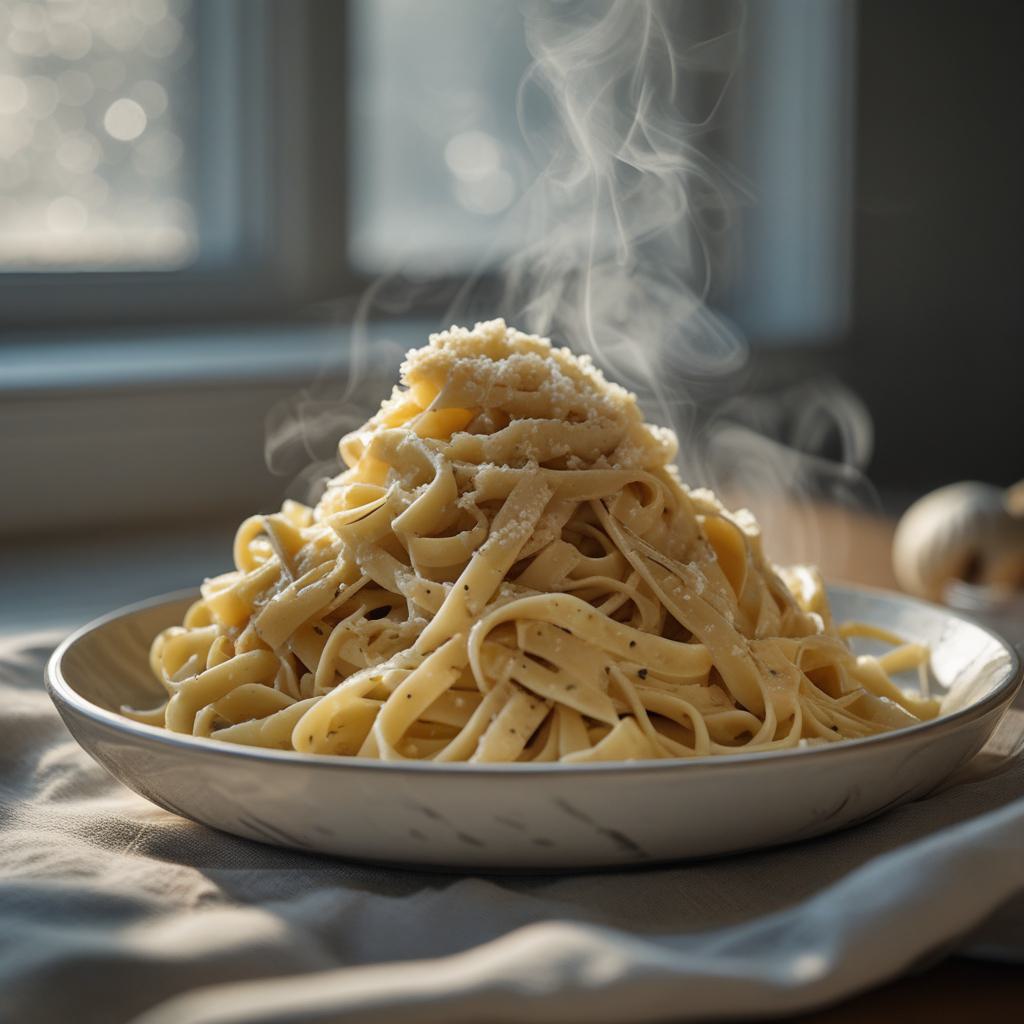
There exists a particular alchemy when cream, garlic, and Parmesan meet heat—a transformation that turns simple ingredients into liquid gold. The heady perfume of garlic sizzling in butter stops conversation, demanding attention like culinary theater. Rich cream bubbles lazily in the pan, merging with nutty Parmigiano-Reggiano to create a sauce so luxurious it coats each fettuccine strand like silk. Juicy chicken cutlets add substance, but it’s this sauce—deeply savory, faintly sweet, and unapologetically indulgent—that elevates this dish from comfort food to gourmet experience. This is the recipe that turns weeknight cooks into weeknight heroes.
Nothing compares to the first bite of truly great Creamy Garlic Parmesan Chicken Fettuccine: the sauce clings to perfectly cooked pasta, chrome-plated by Parmesan’s umami depth. The chicken—tender beneath its caramelized crust—creates a textural duet with toothsome noodles. Fresh parsley adds brightness, while a final twist of black pepper offers subtle heat. It’s a dish equally suited to candlelit dates and chaotic family dinners, proving that elegance doesn’t require complexity.
Table of Contents
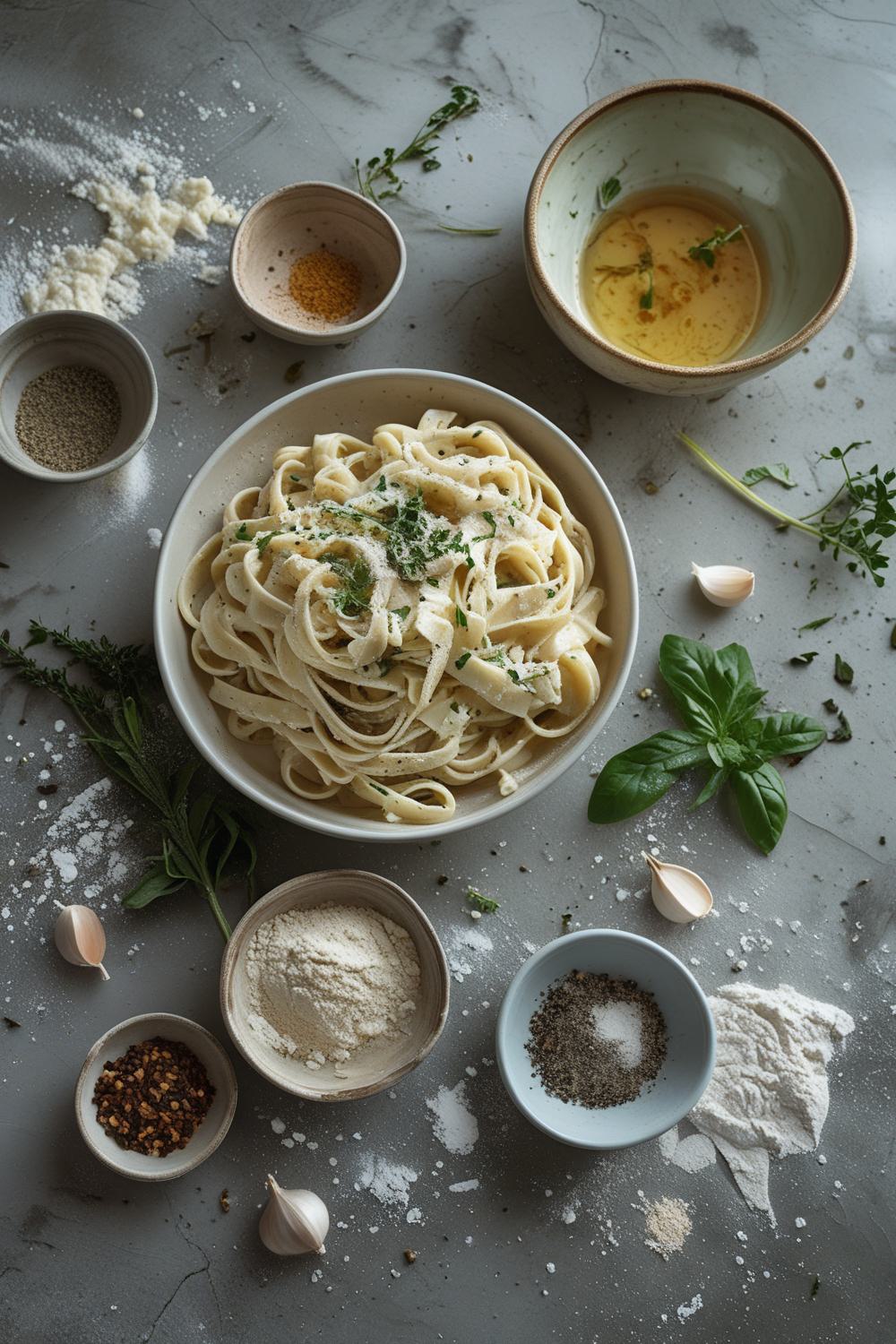
Ingredient Deep Dive
| Ingredient | Quantity | Purpose |
|---|---|---|
| Fettuccine pasta | 12 oz (340g) | Broad surface carries sauce |
| Chicken breasts | 2 large (1.5 lbs) | Lean protein base |
| Heavy cream (36%) | 2 cups (475ml) | Emulsion stability |
| Fresh garlic cloves | 6-8 | Aromatic foundation |
| Fresh Parmesan* | 1.5 cups (150g) | Umami & thickening |
| Unsalted butter | 3 tbsp | Fat for sautéing |
| Fresh parsley | 1/4 cup chopped | Color & freshness |
*Always grate fresh Parmigiano-Reggiano—the cellulose in pre-grated cheese prevents proper emulsification. The high fat content in heavy cream (minimum 36%) ensures your sauce won’t break when cheese is added. The cream’s proteins form micelles around fat globules, creating a stable base for the casein in Parmesan to integrate seamlessly.
Observe the garlic quantity—six full cloves may seem aggressive, but cooking them slowly in butter caramelizes their natural sugars while taming raw heat. This creates a sweet, nutty backbone rather than harshness. Always use chicken breasts with even thickness; pound to 3/4-inch for uniform cooking. Uneven cuts lead to dried edges and underdone centers.
Substitutions & Swaps
For gluten-free needs, swap fettuccine for brown rice pasta—cook 1 minute less than package instructions to avoid mush. Vegan adaptations: use thick cashew cream (soaked nuts blended with water) and Violife Parmesan. The sauce will be slightly less unctuous but still creamy. No heavy cream? Combine whole milk with 1 tbsp cornstarch slurry, though expect a lighter texture.
Chicken alternatives shine here. Try pan-seared firm tofu dusted with nutritional yeast or butter-basted shrimp cooked just until opaque. Short on fresh garlic? Two teaspoons of roasted garlic paste mimic caramelized depth. In a true pantry emergency, granular garlic powder works (1/2 tsp), but sauté it briefly in butter first to eliminate raw edge.
Equipment Guide
A 12-inch cast-iron skillet is ideal—its heat retention creates enviable fond (those browned bits) without scorching dairy. Non-stick pans hinder proper browning, while stainless steel demands constant stirring to prevent sticking. Use a microplane grater for feather-light Parmesan that melts instantly. Flat-edged tongs turn pasta without shredding it.
Never boil cream-based sauces—a gentle simmer is maintained via heavy-bottomed pots that distribute heat evenly. A digital probe thermometer guarantees chicken reaches 165°F without guesswork. Lastly, always reserve 1.5 cups pasta water; its starch is the emergency binder if your sauce over-thickens.
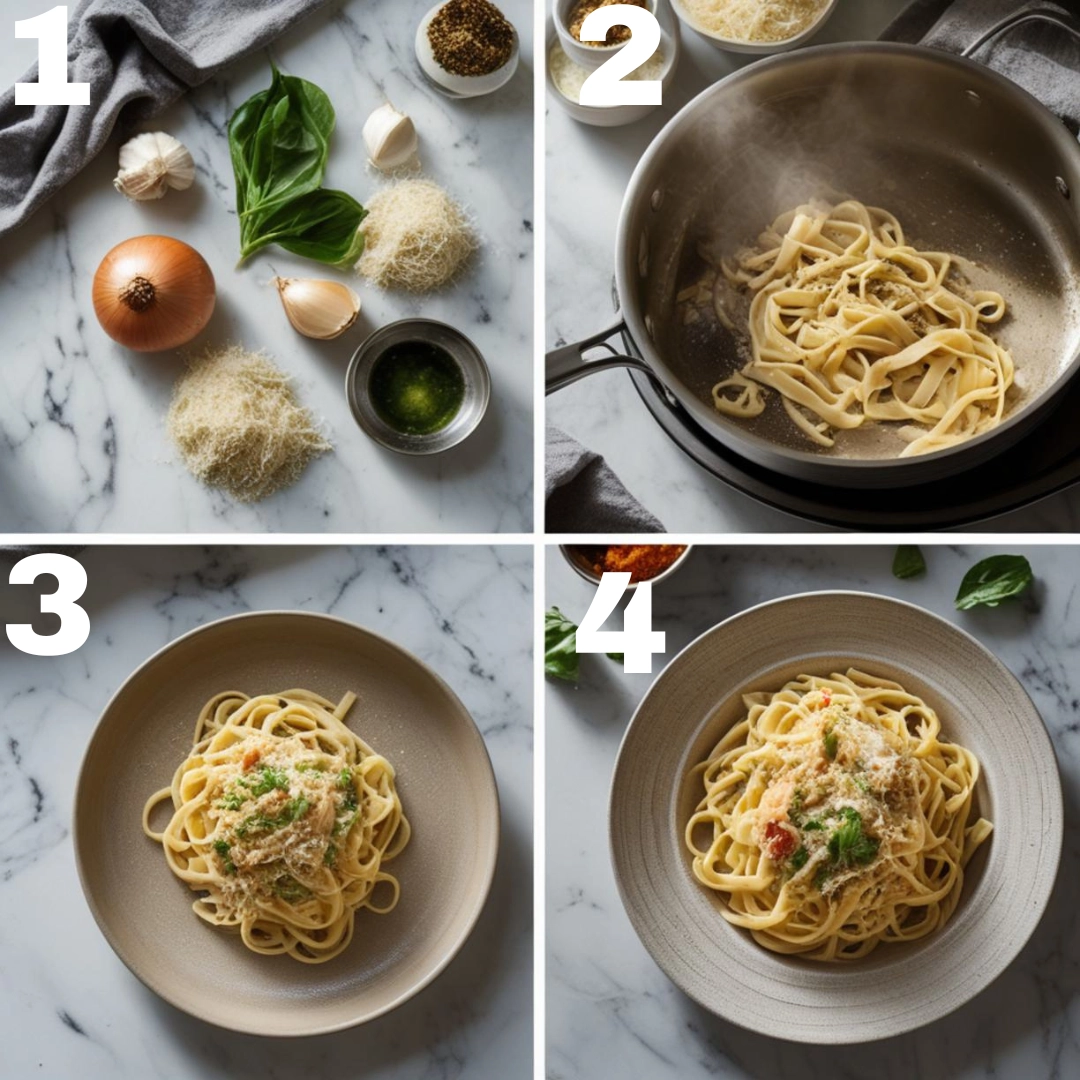
Step-by-Step Walkthrough
- Prep: Butterfly chicken breasts, pound to 3/4-inch thickness. Season both sides with kosher salt and black pepper.
- Sear: Heat 1 tbsp butter in skillet. Cook chicken 5-6 mins per side until golden. Rest under foil.
- Garlic Base: Melt remaining butter, add minced garlic. Sauté 2 mins until fragrant but not browned.
- Cream: Pour heavy cream into skillet. Simmer gently 4 mins to reduce by 30%.
- Cheese: Remove skillet from heat. Whisk in grated Parmesan until smooth (residual heat prevents clumping).
- Pasta: Boil fettuccine in salted water until al dente. Reserve 1 cup cooking water before draining.
- Combine: Toss pasta with sauce, adding splashes of pasta water until glossy. Slice chicken.
- Finish: Plate noodles, top with chicken. Garnish with parsley and extra Parmesan.
Brown, Don’t Burn: When searing chicken, wait for the natural sugars to caramelize—if meat sticks, it’s not ready to flip. A proper sear releases effortlessly when the Maillard reaction completes (3-4 minutes per side). Pat chicken dry before seasoning; moisture is the enemy of crust formation.
Emulsion Secrets: Always remove the skillet from heat before adding cheese. High temperatures cause casein proteins to seize, creating a grainy sauce. If sauce breaks (oily streaks appear), whisk in 2 tsp cooled pasta water—the starch rebinds fat and liquid.
Pasta Science: Salt your pasta water like seawater (2 tbsp per gallon). It seasons noodles internally as starch swells. Never rinse cooked pasta—you’ll wash away starch vital for sauce adhesion. Toss noodles in sauce immediately; hot pasta absorbs flavors best.
Expert Tips & Troubleshooting
Cream temperature matters: Adding cold cream to a hot pan creates thermal shock, risking separation. Let cream sit at room temperature 20 minutes first. If using mushrooms or spinach, sauté them after garlic to expel moisture—wet veggies dilute sauce.
Sauce too thick? Loosen with reserved pasta water (2 tbsp at a time). Too thin? Simmer while stirring constantly—never boil. If sauce appears greasy, emulsify with a hand blender for 10 seconds. For rubbery chicken, next time pull it at 160°F—carryover heat will reach 165°F as it rests.
Underseasoned? Parmesan adds salt, but fine-taste before serving. If bland, add 1/4 tsp white pepper or lemon zest—acidity brightens richness. Leftover sauce solidifies when cooled; gently reheat with milk while stirring.
Flavor Variations
Spicy Upgrade: Infuse oil with red pepper flakes before garlic (1-2 tsp for heat). Add sun-dried tomatoes or Calabrian chili paste (1 tbsp). Finish with cracked black pepper.
Kid-Friendly: Reduce garlic to 2 cloves. Stir in steamed peas or diced carrots. Substitute half the Parmesan with mild cheddar for familiar flavor.
Luxury Touch: Sear pancetta alongside garlic. Deglaze pan with 1/4 cup dry white wine before adding cream. Top with truffle zest.
Storage & Reheating
Consume within 3 days. Store pasta and chicken separately in airtight containers. To reheat, warm sauce with 1 tbsp milk over low heat. Toss with pasta. Chicken revives best in a 350°F oven (10 mins) or air-fryer (5 mins). Freeze sauce only—dairy separates after thawing.
FAQ Section
“Can I use pre-shredded Parmesan?” Avoid it—anti-caking agents prevent melting. Freshly grated Parmigiano-Reggiano is essential for silky texture.
“How to make ahead?” Prepare garlic cream sauce (without chicken) for 2 days. Sear chicken cold before serving.
“Pasta alternatives?” Pappardelle or tagliatelle handle sauce well. Avoid tubular shapes—they trap less sauce.
“Creamier sauce?” Add 2 oz cream cheese with Parmesan for extra body.
The Recipe Card
| Prep | Cook | Serves |
|---|---|---|
| 15 mins | 25 mins | 4 |
Sear chicken, simmer garlic cream sauce, toss with al dente fettuccine, and garnish with parsley. A luscious, restaurant-quality dish ready in 40 minutes.
Nutrition Information
| Nutrient | Per Serving |
|---|---|
| Calories | 860 |
| Fat | 52g |
| Carbs | 55g |
| Protein | 47g |
*Nutrition data estimated via USDA database. Actual values may vary based on ingredient brands and portion sizes.