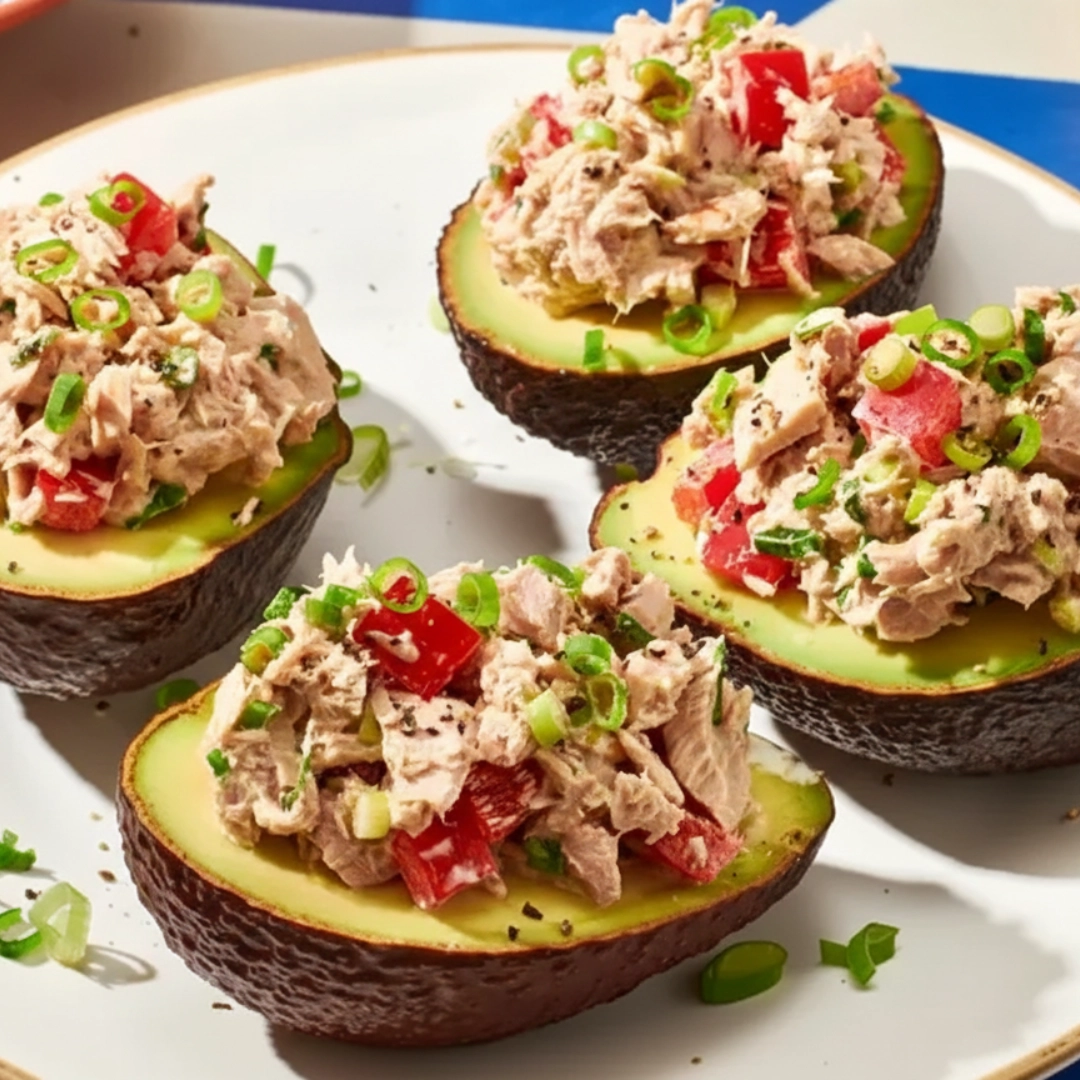
There is something inherently sophisticated about the Spanish approach to dining. Tapas are not just snacks; they are a celebration of high-quality ingredients prepared with simplicity and intention. This recipe for Avocado and Tuna Tapas brings that Mediterranean flair directly into your kitchen. By pairing the buttery richness of a perfectly ripe avocado with the lean, savory profile of solid white tuna, you create a dish that is as nutritionally dense as it is delicious. Whether you are looking for a quick weekday lunch that feels like a gourmet treat or a stunning appetizer for your next gathering, these stuffed avocados offer a refreshing departure from the mundane.
Table of Contents
Essential Ingredients for Authentic Tapas
To achieve the best results, every component of this dish must be selected with care. The contrast between the soft avocado and the crunchy vegetables is what makes this recipe truly stand out.
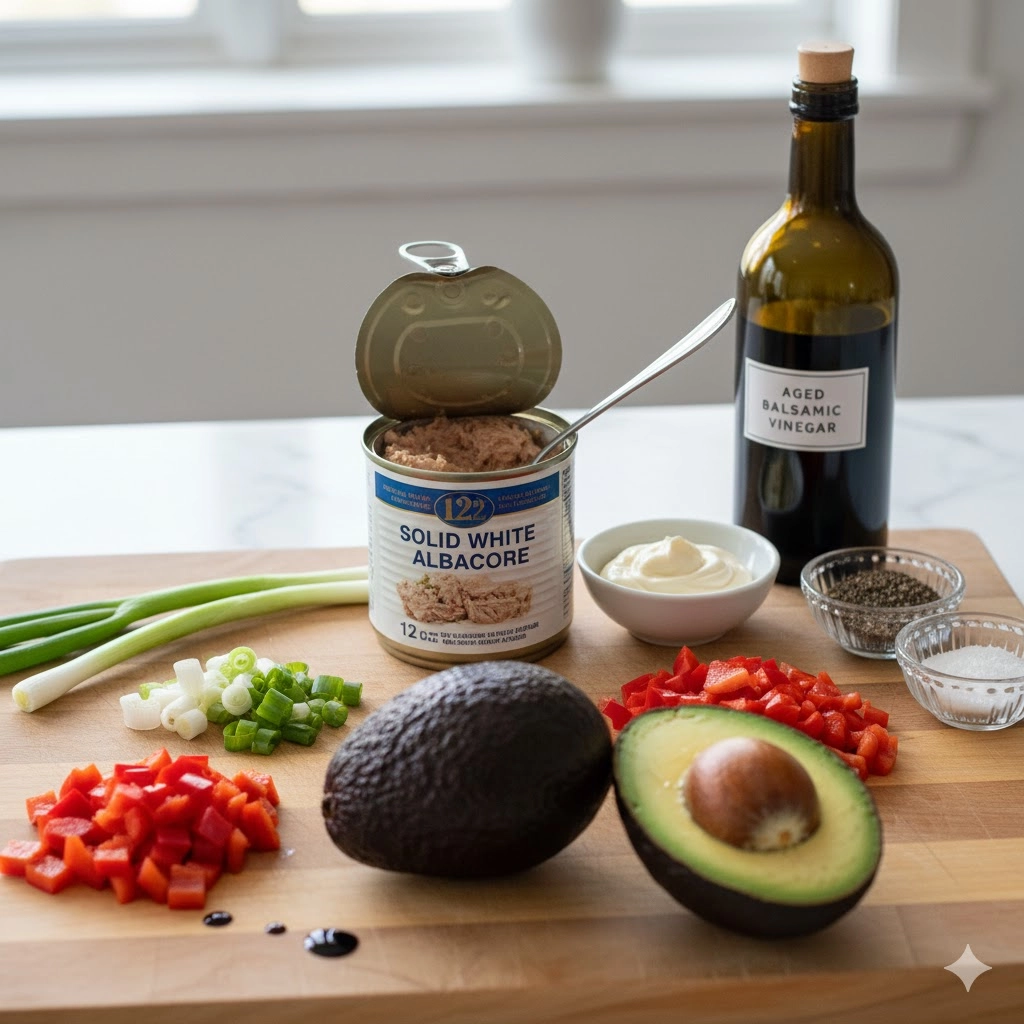
- 1 can (12 ounces) solid white tuna packed in water, thoroughly drained
- 1 tablespoon mayonnaise
- 3 green onions, thinly sliced, plus extra for a decorative garnish
- 1/2 red bell pepper, finely chopped
- 1 dash balsamic vinegar
- Ground black pepper to taste
- 1 pinch garlic salt, or to taste
- 2 large, ripe avocados, halved and pitted
Master Instructions for Preparation
Follow these steps to ensure your tapas are structural sound and beautifully presented.
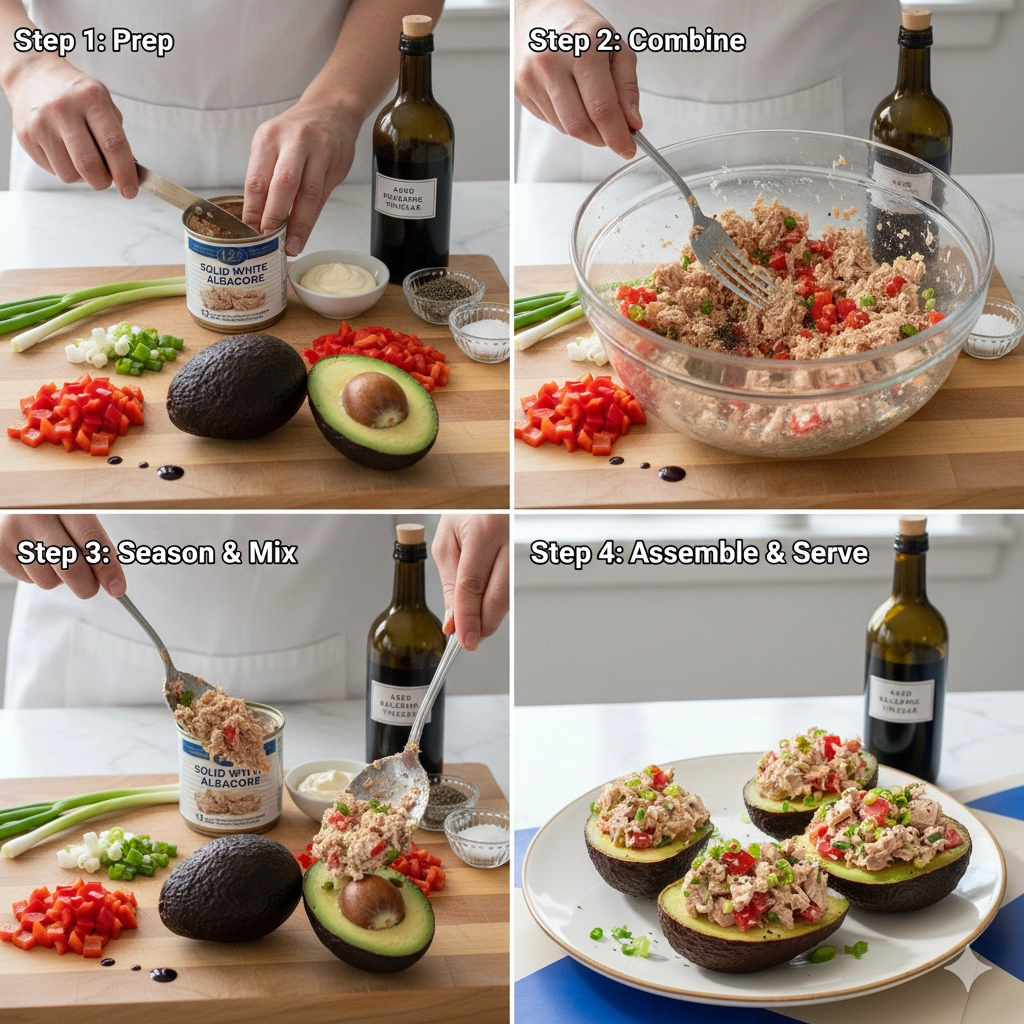
- Preparation of Produce: Begin by washing all fresh vegetables. Finely chop the red bell pepper and thinly slice the green onions, keeping a small handful of the greens aside for the final plating.
- Creating the Tuna Base: In a medium-sized mixing bowl, combine the drained solid white tuna with the tablespoon of mayonnaise. Use a fork to flake the tuna into smaller pieces, ensuring the mayonnaise is evenly distributed to act as a light binder.
- Integrating Aromatics: Fold in the chopped red bell peppers and the majority of the sliced green onions. Pour in the dash of balsamic vinegar, which provides a necessary acidic brightness to cut through the fat of the avocado.
- Seasoning: Add your black pepper and garlic salt. Stir gently to ensure the seasonings are incorporated throughout the mixture without turning the tuna into a paste.
- Assembly: Carefully slice your avocados in half lengthwise. Remove the pits. Using a large spoon, mound the tuna mixture into the natural hollow of each avocado half.
- Garnish and Serve: Top each portion with the reserved green onions and an extra crack of black pepper. Serve immediately while the avocado is fresh.
Deep Dive into the Culinary Process
When we look at the mechanics of this recipe, it is more than just “tuna salad in an avocado.” It is a study in texture and pH balance. The solid white tuna is the star here; by choosing tuna packed in water rather than oil, you allow the natural fats of the avocado to provide the creamy mouthfeel without the dish feeling overly heavy or greasy.
The addition of the balsamic vinegar is a subtle but vital culinary move. While many tuna salads rely on lemon juice, the balsamic vinegar adds a touch of sweetness and a complex woody note that complements the earthiness of the avocado. When you are mixing the filling, aim for a “chunky-light” consistency. You want the red bell peppers to remain distinct so that every bite offers a crisp snap against the velvety avocado flesh.
When preparing the avocados, the timing is everything. Because avocado flesh oxidizes and turns brown when exposed to oxygen, you should only halve them once the tuna mixture is fully prepared and seasoned. If you are preparing this for a party, you can make the tuna salad up to four hours in advance and store it in the refrigerator, but wait until the very last moment to open the fruit.
Professional Tips for Culinary Excellence
To elevate this dish from a simple snack to a restaurant-quality tapa, consider the temperature and the “ripeness window.” An avocado is at its peak when it yields slightly to firm pressure in the palm of your hand but does not feel mushy. If the avocado is too soft, it will lose its shape under the weight of the tuna; if it is too hard, the flavor will be bitter and the texture waxy.
Another professional secret involves the green onions. Use both the white bulbs and the green stalks. The white parts provide a sharp, pungent bite similar to a shallot, while the green parts offer a fresh, grassy finish. Slicing them on a sharp bias (diagonal) makes the garnish look far more professional than straight-across cuts.
Lastly, do not skip the garlic salt. While sea salt is great, the hint of dehydrated garlic in garlic salt reacts with the moisture in the tuna and the balsamic vinegar to create a savory “umami” depth that bridges the gap between the mild fish and the rich fruit.
Creative Modifications and Substitutions
While the reference recipe is a classic, the beauty of Spanish cooking is its adaptability to the seasons and the pantry.
If you find yourself without balsamic vinegar, a high-quality sherry vinegar is the most authentic Spanish substitute. It maintains the dark, complex acidity required for the dish. For those who prefer a bit of heat, a finely diced jalapeno or a sprinkle of smoked paprika (Pimenton) can be folded into the tuna mixture to add a smoky, spicy layer.
For a Mediterranean twist, some cooks like to add halved grape tomatoes or a few capers to the mix. The capers add a briny punch that pairs exceptionally well with canned tuna. If you are looking to reduce the mayonnaise even further, you can substitute it with a dollop of Greek yogurt or even a tablespoon of hummus, though this will slightly alter the traditional flavor profile.
Ideal Accompaniments and Serving Suggestions
This dish is traditionally served as part of a larger spread, but it can easily function as a standalone meal. In Spain, tapas are almost always accompanied by “pan crusty”—a very crunchy, rustic bread. Slicing a baguette into rounds, brushing them with olive oil, and lightly toasting them provides the perfect vessel for scooping up any tuna that falls out of the avocado.
For a beverage pairing, look toward a crisp, dry white wine. An Albariño or a Verdejo from Spain is the classic choice. The high acidity and citrus notes of these wines cleanse the palate after the rich, fatty avocado. If you prefer a non-alcoholic option, a sparkling mineral water with a heavy squeeze of lime works beautifully to mimic that refreshing contrast.
Frequently Asked Questions
How do I prevent the avocados from turning brown if I am not serving them immediately?
The best way to prevent oxidation is to minimize air exposure. If you must prepare the halves ahead of time, brush the exposed green flesh with a little extra balsamic vinegar or lime juice and press plastic wrap directly against the surface of the fruit. However, for the best flavor and color, assembly should happen just before the plate hits the table.
Is this recipe suitable for a specific diet like Keto or Paleo?
Yes, this recipe is naturally very low in carbohydrates and high in healthy fats and protein, making it an excellent choice for Keto diets. To make it strictly Paleo or Whole-30 compliant, simply ensure that your mayonnaise is made with avocado oil or olive oil and contains no added sugars or soy.
Can I use tuna packed in oil instead of water?
You certainly can, but you should drain the oil very thoroughly. Since the avocado already provides a high amount of healthy fats, using oil-packed tuna can make the dish feel quite heavy. If you do use oil-packed tuna, you might find you need less mayonnaise to achieve the desired consistency.
What is the best way to pits an avocado safely?
To remove the pit safely, slice the avocado in half around the seed. Twist the halves to separate them. Place the half with the pit on a cutting board (never hold it in your hand while doing this). Aim your knife at the pit and strike it with enough force to embed the blade, then twist the knife to pop the pit out.
A Final Note on This Spanish Classic
This Avocado and Tuna Tapas recipe proves that you do not need a long list of ingredients or hours in the kitchen to create a meal that is both healthy and indulgent. It celebrates the harmony of simple flavors—the snap of the pepper, the zing of the vinegar, and the creaminess of the fruit. By focusing on the quality of your tuna and the ripeness of your avocados, you can master a staple of Spanish coastal cuisine that will surely become a recurring favorite in your home.
Nutritional Information
| Nutrient | Amount Per Serving |
| Calories | 294 |
| Total Fat | 18 grams |
| Saturated Fat | 3 grams |
| Cholesterol | 35 milligrams |
| Sodium | 480 milligrams |
| Total Carbohydrates | 11 grams |
| Dietary Fiber | 7 grams |
| Sugars | 2 grams |
| Protein | 24 grams |
Disclaimer
The nutritional values provided are estimates based on standard ingredient measurements. Actual nutritional content may vary depending on the specific brands of tuna and mayonnaise used, as well as the size of the avocados. Consult with a healthcare professional or registered dietitian for specific dietary needs.
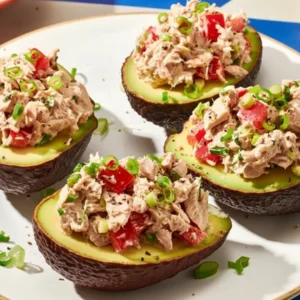
Avocado and Tuna Tapas
Ingredients
- 12 ounce solid white tuna packed in water, drained
- 1 tablespoon mayonnaise
- 3 green onions, thinly sliced (plus extra for garnish)
- 0.5 red bell pepper, chopped
- 1 dash balsamic vinegar
- 1 to taste black pepper
- 1 pinch garlic salt
- 2 ripe avocados, halved and pitted
Instructions
- Gather all ingredients and prepare the vegetables by finely chopping the red pepper and slicing the onions.
- In a medium bowl, combine the drained tuna, mayonnaise, sliced green onions, chopped red pepper, and a dash of balsamic vinegar.
- Season the tuna mixture with black pepper and garlic salt to taste. Stir until well combined but still chunky.
- Slice avocados in half and remove pits. Pack the tuna mixture generously into the hollow of each avocado half.
- Garnish with the reserved green onions and an extra dash of black pepper before serving immediately.
Notes
Equipment
- medium mixing bowl
- chef’s knife
- cutting board
- Spoon For mounding the tuna filling