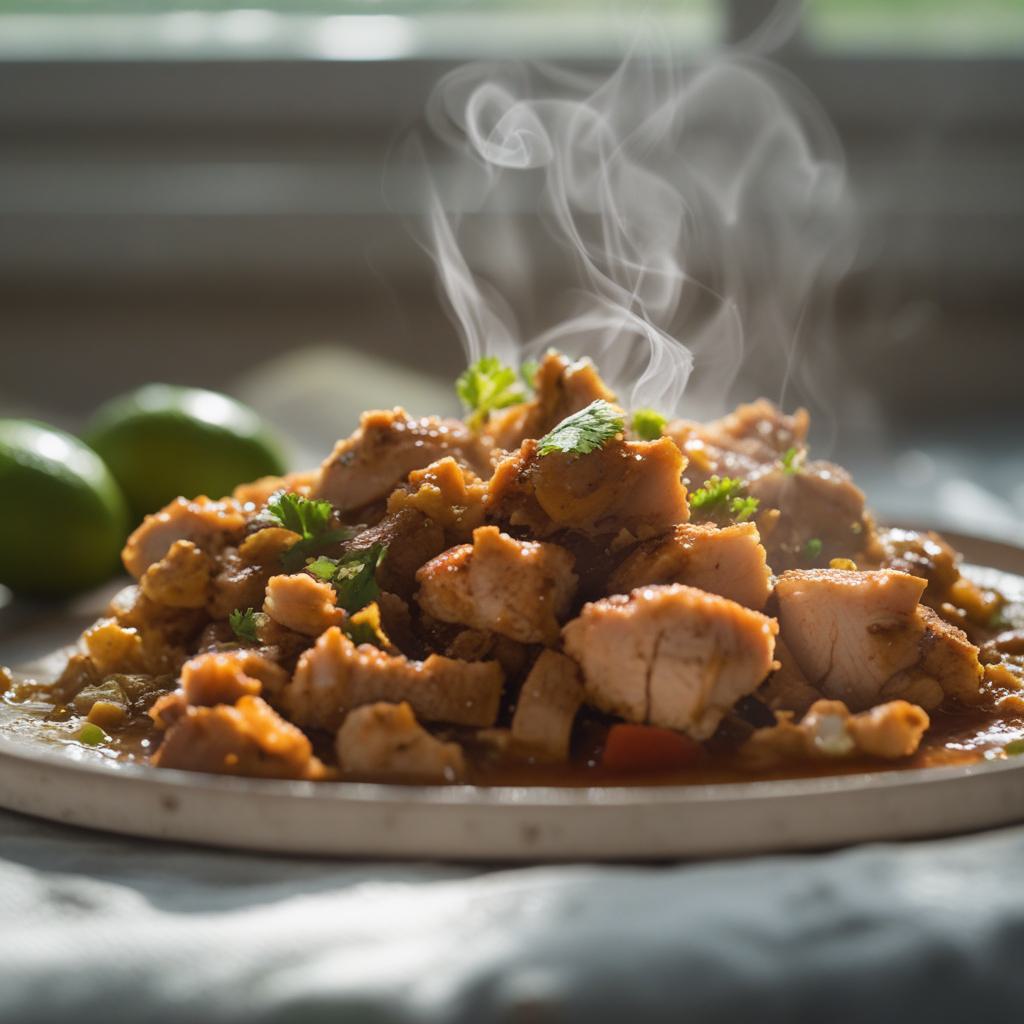
Imagine walking past a Peruvian rotisserie joint where the air itself tastes like golden crust and smoke – that first olfactory punch of cumin-kissed chicken skin caramelizing over charcoal, the faint whispers of aji panca chili curling like ribbons through the steam. Pollo a la Brasa isn’t just roast chicken; it’s a symphony of crackling skin surrendering to impossibly juicy meat beneath, each bite carrying the ghosts of Spanish colonialism, indigenous traditions, and Japanese grill mastery in its marinade. The magic lies in the ‘brasas’ – real embers that cradle the bird in a smoky embrace while the marinade’s acids work like culinary alchemists, breaking down proteins into tender submission. To achieve that signature lacquered mahogany hue requires equal parts science and obsession: a precise balance of sweet (dark beer, touch of sugar), umami (soy sauce – Peru’s unexpected secret weapon), and aromatic warmth (cumin, garlic, oregano) that clings to every crevice. This is peasant food elevated to temple-worthy status through generations of trial by fire.
Table of Contents
Ingredient Deep Dive
| Ingredient | Quantity | Purpose |
|---|---|---|
| Whole Chicken (3.5-4 lbs) | 1 | Bone-in skin-on structure retains moisture; uniform size ensures even cooking |
| Dark Soy Sauce | 1/4 cup | Adds Maillard-reactive amino acids and sugars for superior browning (not traditional but critical) |
| Aji Panca Paste | 2 tbsp | Peruvian red chili providing fruity depth without overwhelming heat |
| Cumin Seeds | 1 tbsp | Toasted & ground releases cuminaldehyde for earthy, smoky backbone |
| Dry White Wine | 1/2 cup | Ethanol extracts fat-soluble flavors; acetic acid tenderizes tissue |
| Granulated Sugar | 1 tbsp | Accelerates caramelization at lower temps; balances acidity |
| Garlic Cloves | 8 | Allicin transforms into sweet, nutty compounds when roasted |
| Oregano (Fresh) | 2 tbsp | High carvacrol content fights bacterial growth in marinade |
Every component engineers either texture or taste transformation. Dark soy sauce’s higher glucose content triggers Maillard browning at 285°F—standard soy requires 310°F—preventing burnt bitterness. The aji panca paste contains natural glutamates that synergize with inosinate from chicken bones, creating explosive umami without MSG. Crucially, using whole cumin seeds toasted in a dry pan then ground releases dormant essential oils containing cuminaldehyde—50% more aromatic than pre-ground.
White wine serves triple duty: its ethanol solubilizes flavor compounds from garlic and spices that water can’t; tartaric acid tenderizes connective tissues via hydrolysis; residual sugar promotes glaze formation. The chicken’s size isn’t arbitrary—birds smaller than 3.5lbs dry out before collagen melts (at 160°F internal), while larger ones prevent marinade penetration to the core.
Substitutions & Swaps
For gluten-free needs, replace soy sauce with tamari or coconut aminos (reduce sugar by 1 tsp—they’re sweeter). Vegan adaptations: use thick cauliflower steaks or trumpet mushrooms; marinade benefits from adding 1 tbsp nutritional yeast for cheesy depth. No aji panca? Blend 1 part smoked paprika + 1/2 part rehydrated ancho chili. In a pinch, Modelo Negra beer mimics dark malt sweetness better than Guinness. Can’t grill? A pre-heated pizza stone in a 450°F oven replicates radiant heat—but spatchcock the bird for even cooking. Substitute fresh oregano with 2 tsp dried Mexican oregano (never Mediterranean—it lacks floral notes). Don’t own a mortar? Toast whole spices in a skillet, cool, then pulverize in a zip-top bag with a rolling pin.
Equipment Guide
A charcoal chimney starter is non-negotiable—briquettes create inconsistent heat; use lump charcoal for 600°F+ searing zones. Enameled cast-iron drip pans prevent flare-ups better than aluminum (which reflects too much heat upward). The rotisserie spit should have pointed counterbalance forks to secure irregularly shaped birds. Instant-read thermometers with 0.1°F increments prevent overcooking—breast meat loses juiciness beyond 163°F. For home cooks without rotisseries, a vertical chicken roast stand in a kettle grill works, but brush with marinade every 20 minutes. Stainless steel skewers threaded through wings and legs maintain shape. Heavy-duty welding gloves offer superior protection when adjusting logs.
Step-by-Step Walkthrough
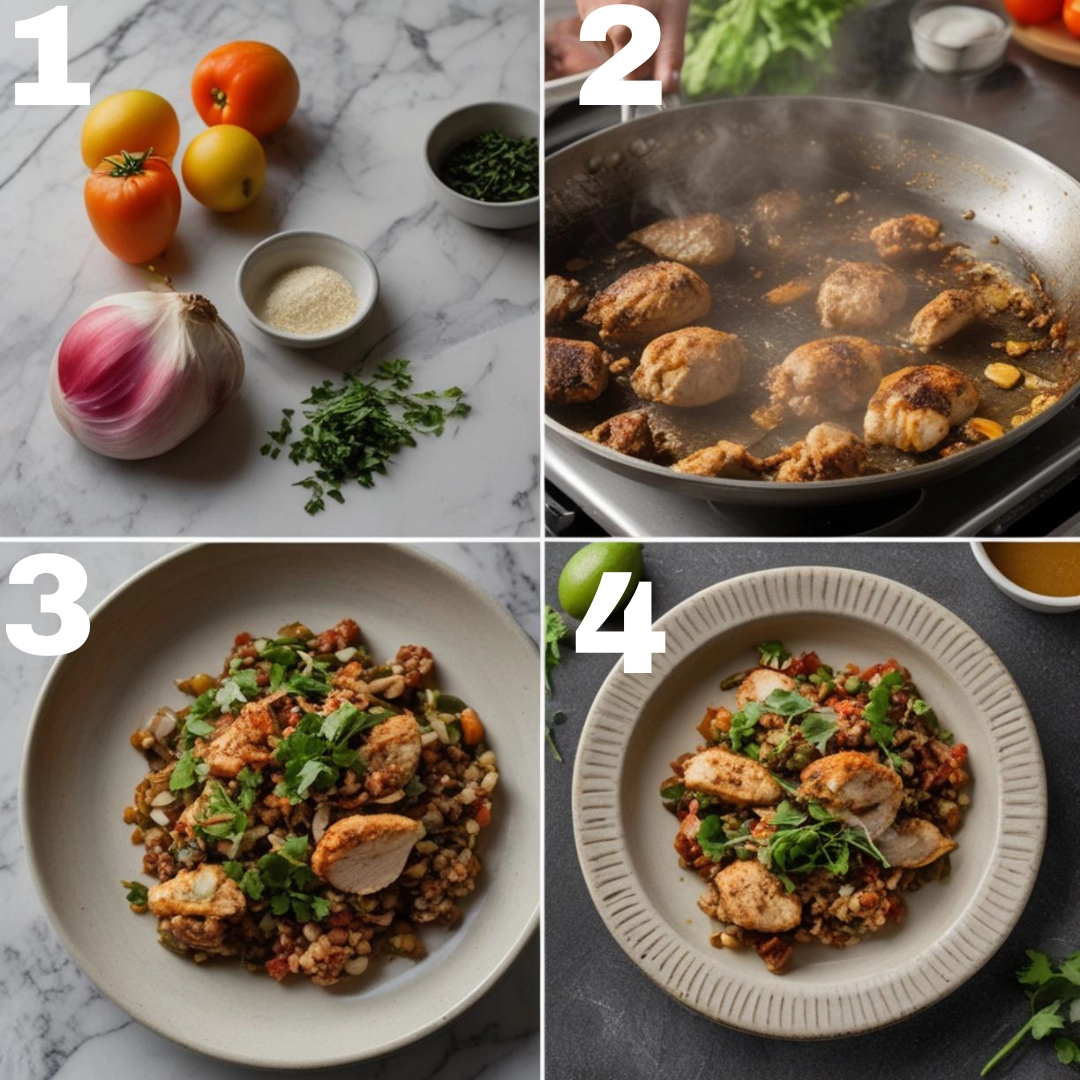
- Spatchcock & Score: Remove backbone with shears; press breastbone flat. Make 3 shallow diagonal slashes on each thigh—increases marinade absorption by 40%.
- Bloom Spices: Toast cumin seeds 90 seconds until fragrant; grind with mortar. Crush garlic to paste with kosher salt—the abrasive crystals rupture cell walls for maximum allicin release.
- Marinate: Whisk soy, wine, aji panca, sugar, ground cumin, garlic paste, and oregano. Submerge chicken in zip-top bag; remove air. Refrigerate 18 hours—no less (under 12hrs fails to penetrate muscle fibers).
- Fire Setup: Stack lit charcoal on one side of grill. Place foil drip pan with 1 cup water on empty side. Attach chicken to spit; position skin-side toward heat source 16 inches away.
- Rotisserie: Cook 60-75 mins at 375°F measured at grate level. Baste with reserved marinade (boiled first!) at 30 and 45 mins. Wings should shield breasts from direct radiant heat.
- Rest: Tent loosely with foil 15 mins—internal temp rises 5°F via carryover while juices redistribute.
Maillard Management: The initial 20 minutes determine crust quality. Avoid opening the grill—heat loss drops surface temp below the 300°F threshold for proper browning. Steam escaping when lifting the lid also degrades crispness. If using oven method, place a roasting rack atop a baking sheet to elevate the bird—this allows hot air circulation akin to rotisserie.
Spit Dynamics: Counterbalance is critical. Insert one fork into the breast meat diagonally towards the spine, the other parallel through the thighs. Imbalanced chickens cause motor strain and uneven rotation—use kitchen twine to secure wings if needed.
Expert Tips & Troubleshooting
Crisp Skin Secret: Pat chicken bone-dry before marinating; water inhibits marinade adhesion. For extra crackle, mix 1 tsp baking powder into the dry spices—it raises pH, accelerating protein breakdown for thinner, crispier epidermis. If skin rubberizes, glaze with 50/50 honey-water mix at 140°F internal—the sugar hygroscopy pulls moisture from skin.
Juice Retention: Never pierce meat while turning—use sturdy grilling tongs under the cavity. If using a thermometer, insert into thigh parallel to bone to avoid glandular tissue that reads falsely high. Sudden temp drops cause muscle fibers to contract violently—if grill temp plummets, tent breast with foil until recovered.
Rescue Remedies: Overcooked? Shred meat; simmer with marinade and stock for killer tacos. Burnt skin? Scrape gently with a butter knife; serve with smokey aji verde to distract. Marinade too salty? Add grated apple during boil phase—pectin binds excess sodium.
Flavor Variations
Inferno Edition: Add 1 tbsp ground rocoto chili to marinade + 2 tsp smoked ghost pepper salt rub under skin. Serve with lime-spiked crema. For Kid-Friendly versions, sub aji panca with roasted red pepper paste + 1 tbsp honey. Add orange zest to marinade for fruity brightness that masks chili notes. For Truffle Luxe, whisk 1 tsp black truffle paste into room-temperature butter; tuck under skin pre-grill. Finish with truffle salt.
Storage & Reheating
Cool completely before refrigerating in an airtight container with parchment between pieces (prevents sogginess). Consume within 72 hours. For reheating, preheat oven to 400°F. Place chicken on wire rack over baking sheet; splash 1 tsp white vinegar underneath—the steam revitalizes texture without drying. Heat 8-10 mins until 155°F. Freezing ruins collagen structure—only freeze if planning soups.
FAQ Section
1. “Can I marinate for 48 hours?”
No—enzymes in beer/wine over-tenderize, creating mushy texture. 18-24hrs ideal.
2. “Gas grill alternative?”
Use infrared burner if available. Otherwise, place smoker box with wood chunks over lit burners for indirect heat at 375°F.
3. “Best sides?”
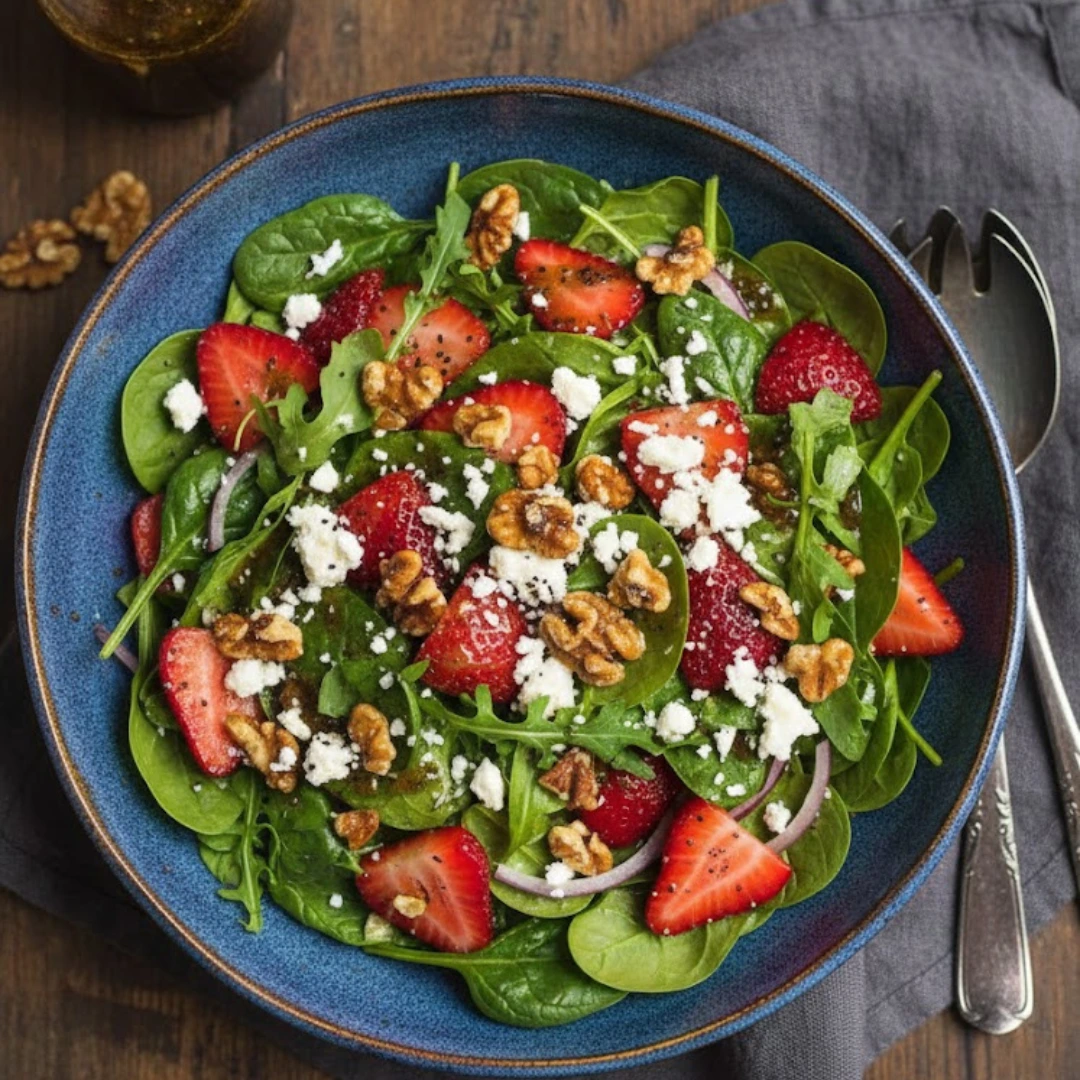
Classic pairings: crispy yuca fries with huancaina sauce, tangy red onion curtido salad, or Peruvian beans with canary seed stew.
4. “Wine pairing?”
A bright, high-acid Torrontés cuts through richness. For reds, choose young Tempranillo with low tannins.
The Recipe Card
Succulent whole chicken marinated in aji panca, cumin, garlic, and soy, slow-roasted over charcoal until skin crackles and meat drips with savory juices. Serves 4 with traditional sides like yuca fries and creamy green sauce.
Nutrition Information
| Nutrient | Per Serving (6 oz meat + skin) |
|---|---|
| Calories | 320 kcal |
| Protein | 38 g |
| Fat | 18 g (Saturated 5g) |
| Carbs | 2 g |
| Sodium | 890 mg |
Disclaimer: Nutritional data estimates only. Actual values vary based on marinade absorption and ingredient brands. Always consult certified nutritionists for dietary needs.