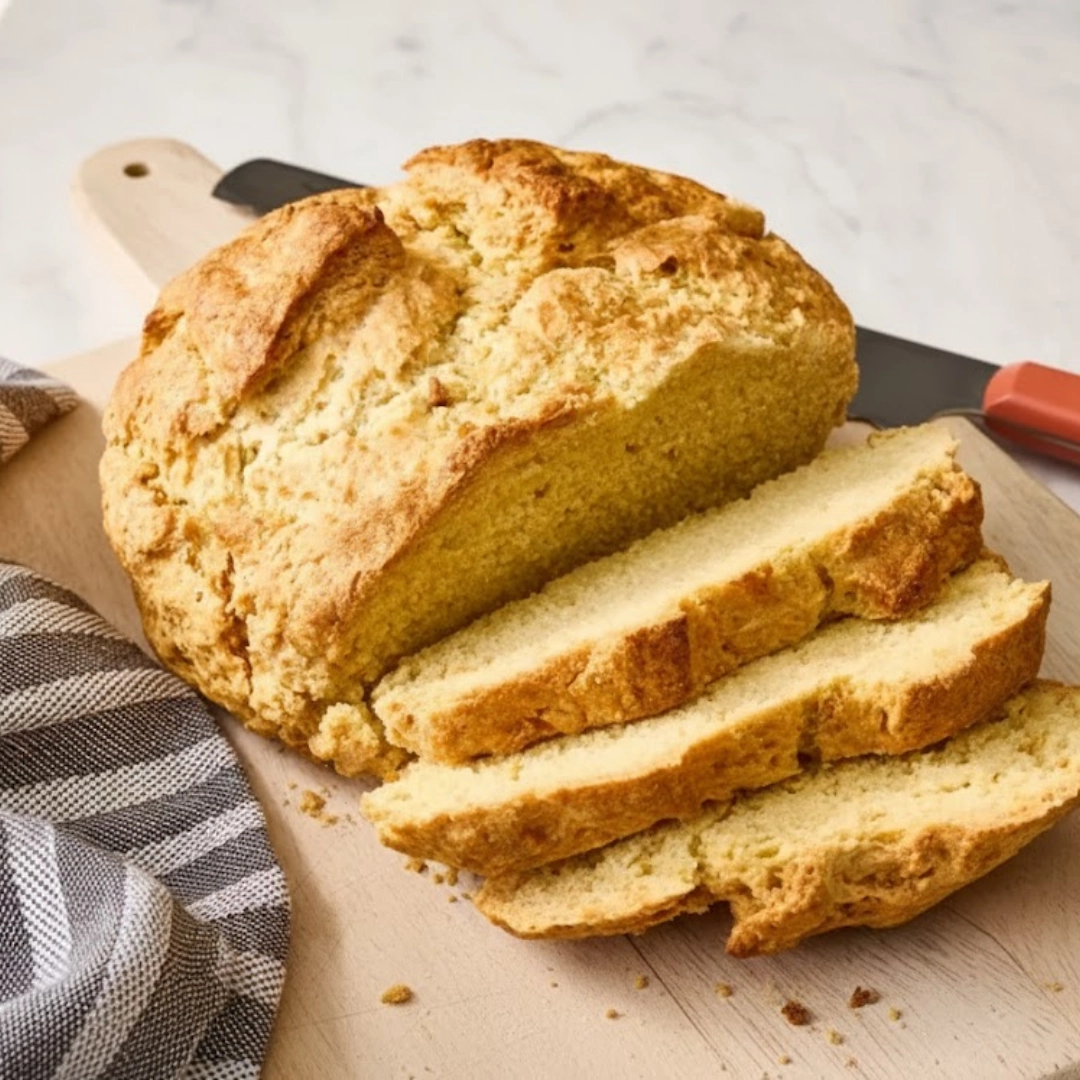
There is a profound, rustic magic in a loaf of bread that requires no yeast, no proofing, and no specialized equipment. This Amazingly Easy Irish Soda Bread is a testament to the beauty of culinary simplicity, offering a dense yet tender crumb and a crust that shatters delightfully under a knife. Whether you are preparing a traditional St. Patrick’s Day feast or simply craving a warm, buttery slice to accompany a bowl of winter stew, this recipe delivers a foolproof path to bakery-quality results. By harnessing the chemical reaction between buttermilk and leavening agents, you can transform pantry staples into a steaming, fragrant loaf in under an hour.
Table of Contents
Ingredients
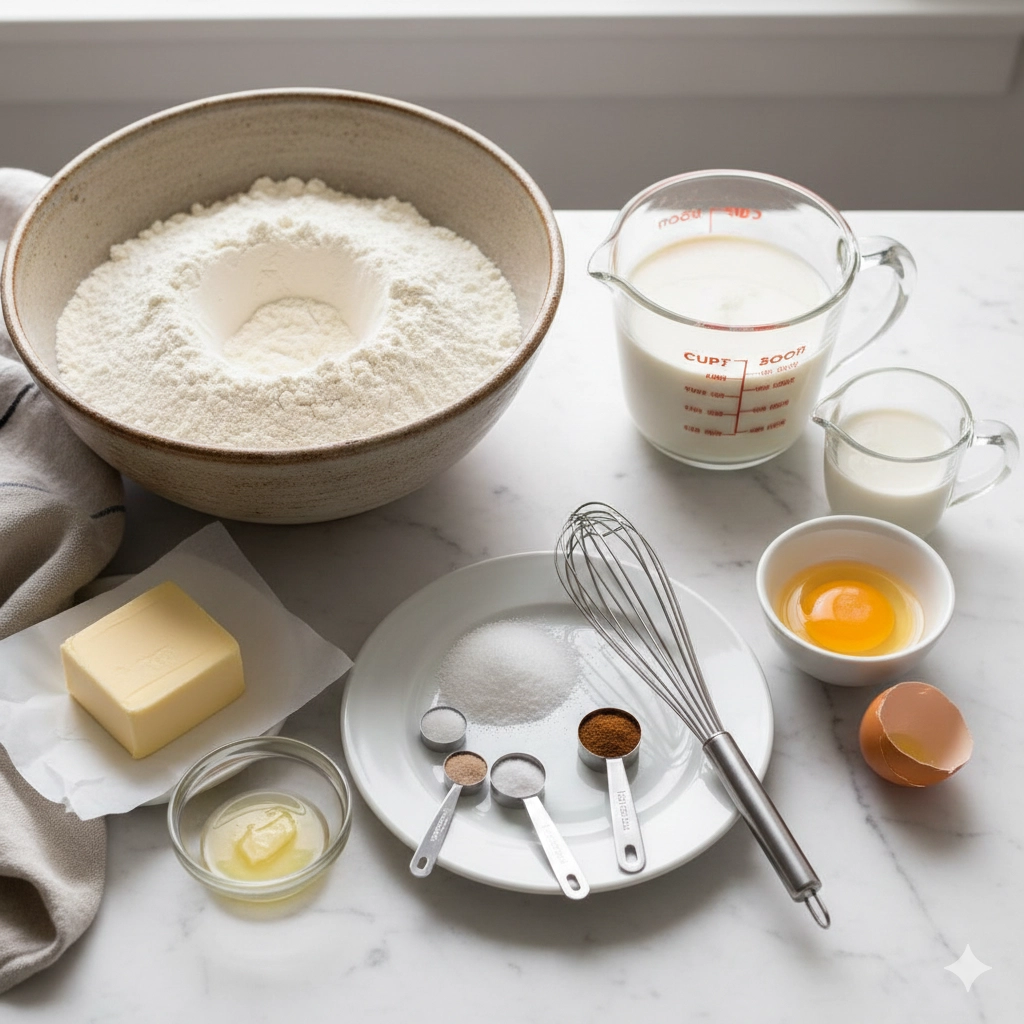
To ensure your loaf has the perfect structural integrity and flavor profile, gather the following ingredients. Ensure your measurements are precise to maintain the delicate balance of the chemical leavening process.
- 4 cups all-purpose flour
- 1/2 cup butter, softened
- 4 tablespoons white sugar
- 1 teaspoon baking soda
- 1 tablespoon baking powder
- 1/2 teaspoon salt
- 1 cup buttermilk
- 1 large egg
- 1/4 cup butter, melted
- 1/4 cup buttermilk
Instructions
- Begin by preheating your oven to 375 degrees Fahrenheit. While the oven reaches temperature, prepare a large baking sheet by lightly greasing it to prevent the dough from sticking.
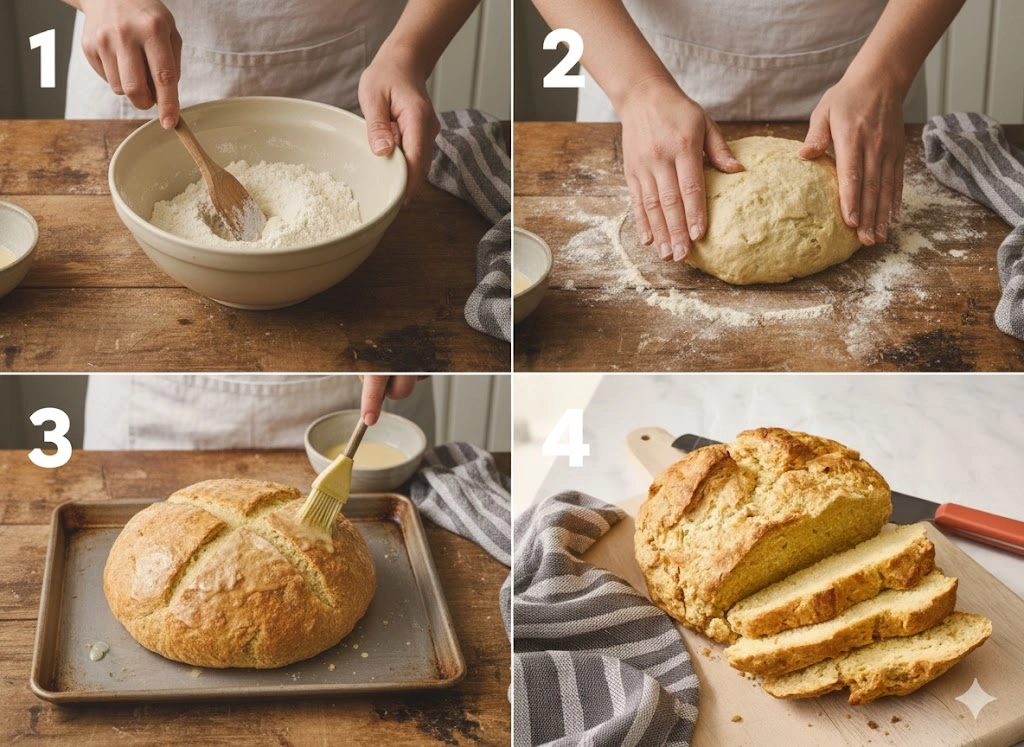
- In a spacious mixing bowl, combine the all-purpose flour, softened butter, white sugar, baking soda, baking powder, and salt. Work the ingredients together until well blended. Incorporate the 1 cup of buttermilk and the large egg into the dry mixture, stirring until a cohesive dough forms.
- Lightly flour a clean work surface. Turn the dough out onto the surface and knead it gently. You do not want to overwork it; just enough to bring it together. Shape the dough into a rounded loaf. Note that the texture will be slightly sticky, which is normal. Transfer the round loaf onto your prepared baking sheet.
- In a small separate bowl, whisk together the 1/4 cup of melted butter and the remaining 1/4 cup of buttermilk. Using a pastry brush, generously coat the entire surface of the loaf with this mixture. Take a sharp knife and score a deep “X” into the center of the top of the bread.
- Place the loaf in the center rack of the preheated oven. Bake for approximately 45 to 50 minutes. It is wise to check the progress after 30 minutes; you may continue to brush the exterior with the leftover butter and buttermilk mixture during the baking process to enhance the crust. The bread is finished when a toothpick inserted into the thickest part comes out clean.
- Allow the bread to cool slightly before slicing. Serve warm with plenty of butter.
Achieving the Ultimate Golden Crust and Texture
The hallmark of a superior soda bread is the contrast between its rugged, crunchy exterior and its soft, cake-like interior. To achieve this, the “wash” used in this recipe is paramount. By mixing melted butter with buttermilk and brushing it onto the loaf before and during the baking process, you are facilitating a Maillard reaction that results in a rich, mahogany-colored crust.
The moisture from the buttermilk wash also prevents the crust from setting too quickly, allowing the bread to expand fully as the baking soda reacts with the acidic buttermilk. When you cut the “X” into the top, you aren’t just following tradition; you are providing a vent for steam to escape and allowing the heat to penetrate the dense center of the loaf. This ensures the middle cooks through without the edges becoming overly dry or burnt.
Accompaniments and Serving Suggestions
While a thick slab of Irish soda bread is a meal in itself when smeared with salted Irish butter, its versatility makes it an excellent companion for various dishes.
- Hearty Stews: The dense crumb is specifically designed to soak up the broth of a Guinness beef stew or a traditional lamb-based Irish stew. It holds its shape even when dipped, making it the ultimate “mop” for rich sauces.
- Smoked Salmon and Cream Cheese: For a sophisticated brunch, slice the bread thinly and toast it. Top with a layer of herbed cream cheese, a ribbon of smoked salmon, and a sprinkle of capers.
- Sweet Breakfast: Because this recipe contains four tablespoons of sugar, it leans slightly toward the sweeter side. Try it toasted with orange marmalade or a dollop of local honey alongside your morning tea.
- Cheese Pairings: The tang of the buttermilk in the bread pairs exceptionally well with sharp cheddars or creamy Cashel Blue cheese.
Modifications and Creative Substitutions
While the base recipe is perfection, the world of quick breads allows for significant personalization. If you wish to stray slightly from the traditional path, consider these adjustments:
- The Fruit Inclusion: Many families prefer a “Spotted Dog” version of this bread. To achieve this, fold in one cup of raisins, currants, or dried cranberries during the initial mixing phase.
- Savory Herbs: For a more aromatic loaf, add a tablespoon of caraway seeds or finely chopped fresh rosemary to the dry ingredients.
- Fat Choices: While the recipe calls for butter, some traditionalists prefer using margarine for a softer, more pliable crumb. If you use unsalted butter, you might consider adding an extra pinch of salt to brighten the flavors.
- Buttermilk Substitute: If you find yourself without buttermilk, you can create a DIY version by adding one tablespoon of lemon juice or white vinegar to a cup of regular milk and letting it sit for five minutes before use.
Unique Culinary Insights into Leavening Science
Understanding why this bread works is the key to mastering it. Unlike yeast breads, which rely on biological fermentation to produce carbon dioxide, soda bread relies on a chemical reaction. The lactic acid in the buttermilk reacts instantly with the alkaline baking soda. This is why you must work quickly once the wet and dry ingredients meet.
The inclusion of baking powder in this specific version acts as a “safety net.” While the baking soda provides the initial lift, the baking powder (which is double-acting) provides a second burst of leavening heat once the loaf enters the oven. This dual-leavening approach is what makes this “Amazingly Easy” version so much loftier and lighter than the often-heavy traditional pucks of soda bread found elsewhere.
Step-by-Step Deep Dive: From Bowl to Oven
When you begin the mixing process, the goal is “incorporation,” not “development.” In yeast breads, you knead to develop gluten. In soda bread, too much kneading will result in a loaf as hard as a stone. When you turn the dough out onto your floured surface, use the heels of your hands to gently fold the dough over itself no more than four or five times. The dough should still look slightly craggy.
When shaping the round, avoid pressing down too hard. You want to maintain the air bubbles created by the buttermilk reaction. When you apply the butter-buttermilk wash, be liberal. The fat in the butter will fry the surface of the dough slightly, creating those sought-after crispy bits, while the sugars in the buttermilk caramelize into a beautiful golden hue.
Understanding the “X” Tradition
The deep cross cut into the top of the loaf is perhaps the most iconic feature of Irish soda bread. While folklore suggests it was to “let the fairies out” or to ward off evil, the practical application is far more grounded in physics. Because soda bread is so dense, the center takes a long time to reach the required internal temperature of approximately 190 to 200 degrees Fahrenheit. The “X” allows the heat to reach the core of the bread more efficiently, ensuring that you don’t end up with a raw, doughy center and a burnt exterior.
Frequently Asked Questions
Why is my Irish soda bread so dense and heavy?
The most common cause of a leaden loaf is over-mixing the dough. Once the buttermilk is added, the chemical reaction begins. If you knead it too long, you pop the air bubbles and develop too much gluten. Aim for a “just combined” texture for a lighter crumb.
Can I bake this bread in a loaf pan instead of a round?
Yes, you can certainly use a standard 9×5 inch loaf pan. However, keep in mind that the baking time may increase by 5 to 10 minutes because the dough is deeper in a pan than it is when spread out as a round loaf. The traditional round shape is preferred for even heat distribution.
How do I know for sure when the bread is done?
While the toothpick test is reliable, another traditional method is the “thump” test. Carefully turn the loaf over (using a towel) and tap the bottom with your knuckles. It should sound hollow. If it sounds dull and heavy, it likely needs more time in the oven.
Does the temperature of the ingredients matter?
For the best results, your egg and buttermilk should be at room temperature. This allows the fats in the softened butter to incorporate more smoothly without seizing up, resulting in a more uniform texture throughout the loaf.
Preserving the Freshness of Your Loaf
Because this bread lacks the preservatives found in commercial loaves and the natural acidity of sourdough, it is best enjoyed within the first twenty-four hours. To keep it fresh, wrap the cooled loaf tightly in parchment paper followed by a layer of plastic wrap. This prevents the crust from becoming too soft while keeping the interior moist. If the bread does go stale after a few days, it makes for the world’s best French toast or bread pudding, as its dense structure holds up beautifully to being soaked in custard.
Nutrition Table
| Nutrient | Amount Per Serving |
| Calories | 172 calories |
| Total Fat | 8 grams |
| Saturated Fat | 5 grams |
| Cholesterol | 28 milligrams |
| Sodium | 215 milligrams |
| Total Carbohydrates | 23 grams |
| Dietary Fiber | 1 gram |
| Sugars | 4 grams |
| Protein | 3 grams |
Disclaimer
The nutritional information provided is an estimate based on standard ingredient measurements. Actual nutritional value may vary depending on the specific brands of ingredients used and any modifications made to the recipe. Please consult with a healthcare professional or registered dietitian for specific dietary concerns.
Amazingly Easy Irish Soda Bread
Ingredients
- 4 cups all-purpose flour
- 0.5 cup butter, softened
- 4 tbsp white sugar
- 1 tsp baking soda
- 1 tbsp baking powder
- 0.5 tsp salt
- 1 cup buttermilk
- 1 large egg
- 0.25 cup butter, melted
- 0.25 cup buttermilk (for glaze)
Instructions
- Preheat your oven to 375 degrees Fahrenheit. Lightly grease a large baking sheet to ensure the loaf does not stick.
- In a large mixing bowl, combine the flour, 1/2 cup softened butter, sugar, baking soda, baking powder, and salt. Mix until the butter is well distributed.
- Stir in the 1 cup of buttermilk and the egg until a sticky dough forms.
- Turn the dough onto a lightly floured surface. Knead very slightly to bring it together and shape into a round loaf. Place it on the prepared baking sheet.
- Whisk 1/4 cup melted butter and 1/4 cup buttermilk together. Brush the entire loaf with this mixture.
- Using a sharp knife, cut a deep ‘X’ into the top of the dough to allow steam to escape during baking.
- Bake in the preheated oven for 45 to 50 minutes. Check at 30 minutes; you may re-brush the loaf with the remaining glaze for extra color.
- Remove from oven when a toothpick inserted into the center comes out clean. Let cool slightly before slicing.
Notes
Equipment
- large mixing bowl
- baking sheet
- pastry brush
- sharp knife
- measuring cups and spoons